Adalimumab: Development, Classification and Mechanism of Action
Scope and reading frame
Adalimumab is one of the most extensively used therapeutic monoclonal antibodies. It is also an unusually instructive pharmacovigilance case: one active substance is used across rheumatology, gastroenterology, dermatology and ophthalmology; treatment may continue for years; serious risks overlap with manifestations of the underlying diseases and with concomitant immunosuppression; and numerous biosimilar products, presentations and devices now coexist.
This article treats adalimumab as an active substance and molecular platform, while using Humira as the reference product when regulatory history or reference-product labelling is discussed. Product-specific indications, formulations, warnings and risk-minimisation measures can differ by jurisdiction and change over time. They must therefore be verified against the current local product information.
The article is organised around four questions:
- How did adalimumab emerge from the development of TNF biology and antibody engineering?
- How should it be classified by structure, origin, target, mechanism, therapeutic role and regulatory status?
- What happens mechanistically when adalimumab binds soluble or membrane-associated TNF?
- How should those properties inform case assessment, signal evaluation and benefit–risk monitoring?
History: from TNF biology to a global biological therapy
TNF becomes a therapeutic target
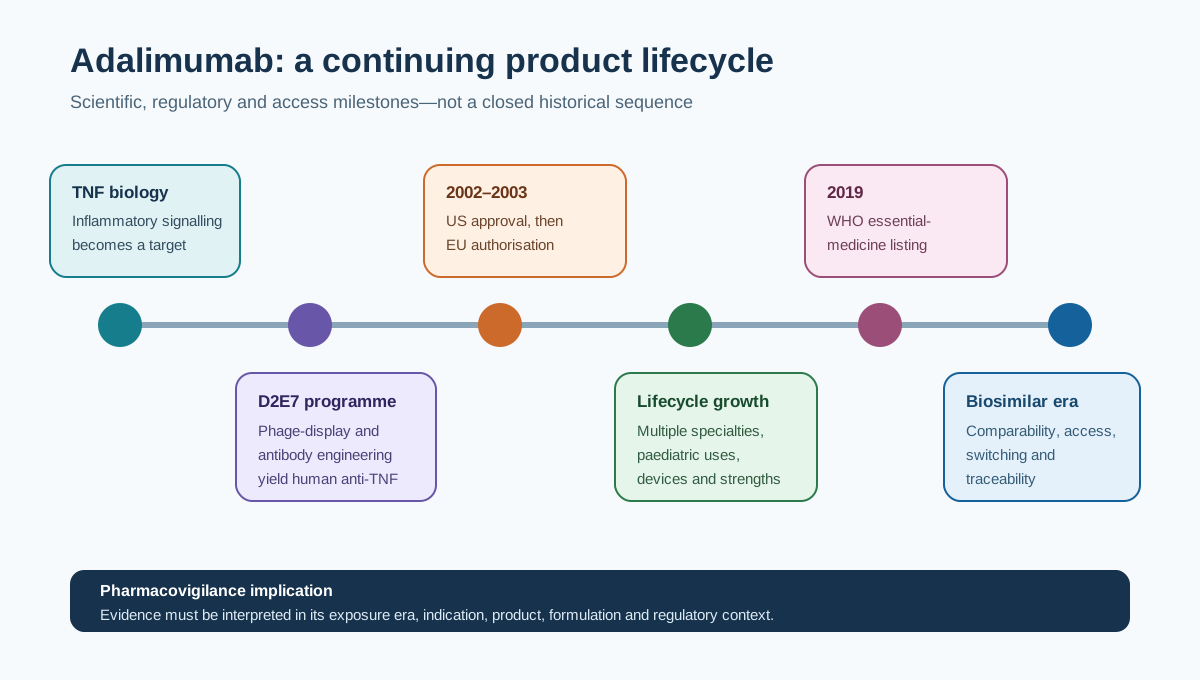
Tumour necrosis factor (TNF) was initially studied in relation to tumour necrosis and host defence. Subsequent work established TNF as a central inflammatory cytokine capable of activating vascular endothelium, recruiting leukocytes, promoting other inflammatory mediators and contributing to tissue injury. Evidence from experimental models and human inflammatory disease made excessive TNF signalling a credible therapeutic target.
The clinical success of early TNF antagonists was a decisive proof of concept. It showed that blocking one cytokine could improve diseases previously treated mainly with broad immunosuppression. It also revealed a recurring biological trade-off: the same pathway that sustains pathological inflammation contributes to granuloma integrity, intracellular-pathogen control and immune surveillance.
Antibody engineering and D2E7
Adalimumab originated as the antibody candidate D2E7. It was developed using antibody-engineering and phage-display approaches intended to produce a human antibody with high specificity for human TNF. The programme is historically associated with Cambridge Antibody Technology and BASF Pharma/Knoll, whose pharmaceutical business later became part of Abbott; AbbVie subsequently became the marketing-authorisation holder for Humira in many markets.
The description “fully human” refers to the antibody’s human immunoglobulin sequence architecture. It does not mean that immunogenicity is impossible. Anti-drug antibodies can arise against any therapeutic protein because immune recognition is influenced by idiotype, conformation, aggregates, impurities, route, dose, treatment interruptions, disease state and concomitant therapy—not only by the species origin of the framework.
Authorisation and expansion
The United States first approved Humira in 2002, initially for rheumatoid arthritis. A European Union marketing authorisation followed on 8 September 2003. The authorised uses subsequently expanded across inflammatory joint, bowel, skin and ocular diseases and into paediatric populations. This expansion transformed the safety database: exposure became larger, longer and more heterogeneous, while confounding by indication and concomitant medicines became increasingly important.
In 2019, the World Health Organization added adalimumab to its Model Lists of Essential Medicines for selected severe chronic inflammatory disorders, with a square-box approach recognising therapeutic alternatives including quality-assured biosimilars. Psoriasis was added to the WHO listing in 2025. This history reflects both therapeutic importance and the access implications of biosimilar competition.
The biosimilar era
Patent expiry and regional exclusivity changes enabled the authorisation of multiple adalimumab biosimilars. Their approval is based on a totality-of-evidence exercise demonstrating high similarity to the reference medicine, with no clinically meaningful differences in quality characteristics, biological activity, efficacy, safety and immunogenicity. A biosimilar is not assessed as a new molecular mechanism, and it is not simply a chemically identical generic.
This distinction matters operationally. Pharmacovigilance must preserve the traceability of the actual product and, where available, batch number and device. At the same time, signal assessment should not fragment evidence so aggressively that a genuine active-substance or class effect becomes invisible.
Historical significance
Adalimumab is important for more than commercial scale. It helped establish that a fully human, self-administered subcutaneous monoclonal antibody could support chronic cytokine blockade across several specialties. Its lifecycle also illustrates the modern biological-product continuum: target validation, platform engineering, indication expansion, long-term registry evidence, formulation and device evolution, biosimilar entry, switching programmes and mature risk management.
Multidimensional classification
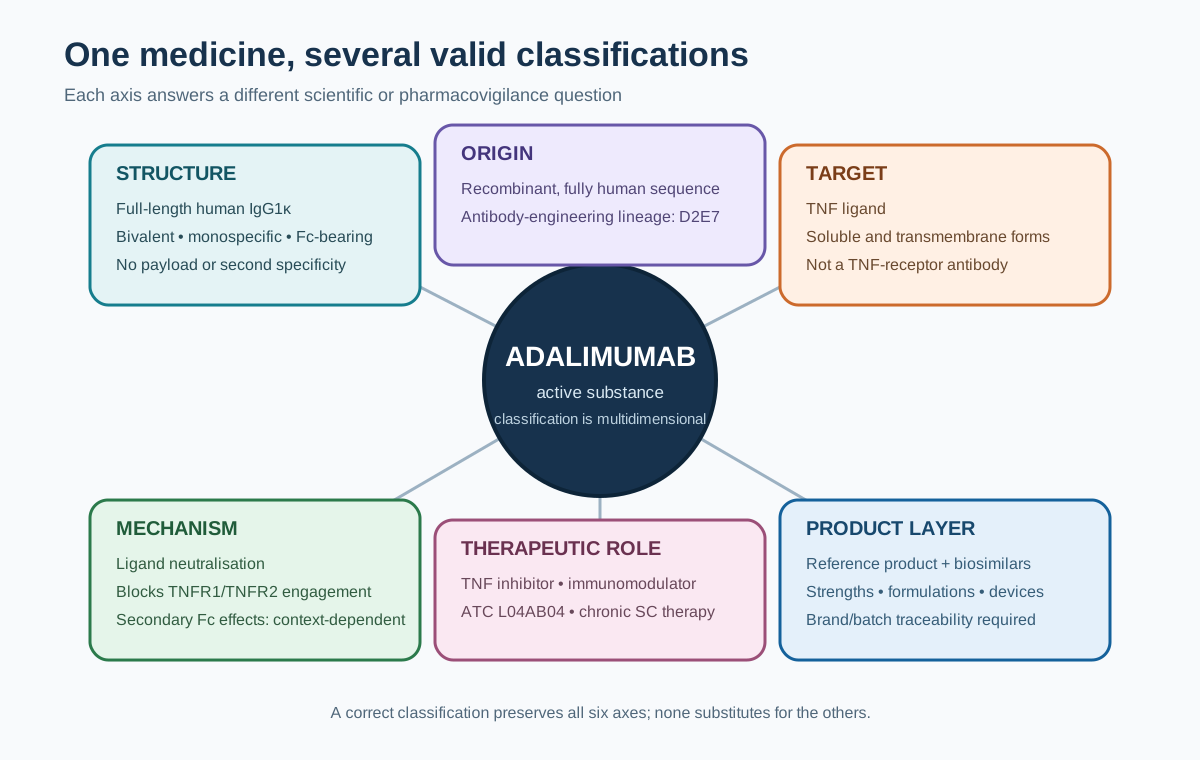
No single label adequately describes adalimumab. “TNF inhibitor” captures the therapeutic pathway but not the molecular format; “monoclonal antibody” captures the format but not the target or pharmacological consequence. A strong classification therefore uses several independent axes.
| Classification axis | Adalimumab classification | Why the axis matters |
|---|---|---|
| Molecular format | Full-length, conventional monoclonal antibody | Predicts large-molecule disposition, parenteral administration and Fc-dependent recycling |
| Immunoglobulin class | Human IgG1 with kappa light chains | Defines Fc architecture and potential Fc-receptor/complement interactions |
| Valency and specificity | Bivalent and monospecific | Two antigen-binding arms recognise the same target, TNF |
| Origin/engineering | Recombinant, fully human sequence antibody; historically D2E7 | Reduces—but does not eliminate—immunogenicity concerns associated with non-human sequence content |
| Production class | Recombinant biological medicine produced in a mammalian cell system | Makes manufacturing process, comparability and lot control integral to product quality |
| Pharmacological target | TNF, principally TNF-α in its soluble and transmembrane forms | Places it among ligand-directed cytokine antagonists rather than receptor blockers |
| Primary mechanism | Prevents TNF interaction with the p55 and p75 TNF receptors (TNFR1 and TNFR2) | Explains suppression of TNF-driven inflammation and mechanism-based infection risk |
| Secondary biological properties | Can engage membrane-associated TNF; Fc-mediated effects are demonstrable in experimental systems | Requires caution: experimental activity does not establish the magnitude of an in-vivo clinical contribution |
| Therapeutic class | Immunosuppressant/immunomodulator; TNF-α inhibitor; ATC L04AB04 | Supports class-level safety surveillance and therapeutic comparisons |
| Route and regimen class | Subcutaneous maintenance biological, with indication- and age-specific induction/maintenance schedules | Shapes adherence, administration-error and device-event patterns |
| Product family | Reference medicine plus multiple biosimilars, concentrations, presentations and delivery devices | Makes brand, batch, strength, formulation and device traceability essential |
| Clinical deployment | Multispecialty, chronic-use therapy | Creates confounding by indication and heterogeneous baseline risks |
Structural classification
Adalimumab is a full-length immunoglobulin rather than an antibody fragment, fusion protein, antibody–drug conjugate or multispecific antibody. Each molecule contains two identical heavy chains and two identical light chains. The paired variable regions form two TNF-binding sites; the constant regions form an IgG1 Fc domain.
This architecture has several consequences:
- Bivalency permits simultaneous engagement of two compatible epitopes, although the geometry and biological meaning vary between soluble TNF trimers and TNF displayed on a cell membrane.
- Large molecular size largely confines distribution to vascular and interstitial spaces rather than allowing unrestricted diffusion across cell membranes.
- FcRn-mediated recycling protects IgG from lysosomal degradation and contributes to a long systemic persistence compatible with intermittent subcutaneous dosing.
- Fc functionality permits interactions with Fc gamma receptors and complement under suitable experimental conditions. Whether these functions materially drive efficacy or a particular adverse event in an individual patient is a separate evidentiary question.
Adalimumab contains no cytotoxic payload, radionuclide or engineered second specificity. Its pharmacology is therefore principally that of sustained extracellular ligand neutralisation.
Classification by target location
TNF is synthesised as a type II transmembrane protein. Proteolytic cleavage releases soluble TNF; both soluble and membrane-associated forms can be biologically active. Adalimumab binds TNF rather than binding TNFR1 or TNFR2. It is therefore classified as a ligand-neutralising antibody.
That distinction separates it from:
- receptor–Fc fusion proteins that act as soluble decoy receptors;
- antibodies directed at a cytokine receptor;
- small molecules that inhibit intracellular signalling downstream of cytokine receptors; and
- broader immunosuppressants that do not depend on TNF recognition.
Adalimumab does not neutralise lymphotoxin-alpha (historically called TNF-beta) as its intended pharmacological target. Apparent similarity in nomenclature should not be mistaken for target equivalence.
Classification by mechanism
At the highest level, adalimumab is a neutralising antagonist: binding reduces the amount of TNF available for productive receptor engagement. It is not a receptor agonist and does not directly inhibit a kinase. Mechanistically, it occupies a different level of the inflammatory network from Janus kinase inhibitors, corticosteroids or antimetabolites.
At a second level, it is a pathway-modifying immunomodulator. TNF blockade changes endothelial activation, leukocyte trafficking, acute-phase responses, cytokine networks and tissue-remodelling signals. Those downstream changes explain both therapeutic effects and some predictable hazards.
At a third, more cautious level, it is an Fc-bearing, membrane-TNF-binding antibody. Complement-dependent cytotoxicity and other effects on TNF-expressing cells have been demonstrated in vitro. The primary product-information mechanism remains TNF neutralisation, and the clinical importance of individual secondary mechanisms may depend on disease, tissue and assay context.
Classification by regulatory status
“Adalimumab” is the international non-proprietary name for the active substance. “Humira” identifies a reference product, while other brand names may identify biosimilars or region-specific presentations. Regulatory classifications are product- and jurisdiction-specific:
- a reference product has a complete original development dossier;
- a biosimilar has a comparative dossier demonstrating biosimilarity to a designated reference medicine;
- extrapolation of indications may be scientifically justified from the totality of evidence rather than requiring independent efficacy trials in every indication; and
- interchangeability, pharmacy substitution and naming rules are governed regionally and should not be inferred from biosimilar authorisation alone.
For a safety report, the active substance answers “what molecule?”, but the brand, manufacturer, batch and device answer “which administered product?”. Both levels are needed.
Detailed mechanism of action
1. TNF production and presentation
TNF is produced by activated immune and stromal cells, including macrophages and T cells, in response to infection, tissue injury and immune stimulation. Membrane TNF can signal locally or be cleaved by a metalloprotease to form soluble TNF. Bioactive TNF commonly acts as a trimer, creating a multivalent surface for receptor binding.
TNF concentrations alone do not determine biological outcome. The cellular source, tissue compartment, timing, receptor expression, feedback loops and the balance between TNFR1 and TNFR2 all influence the response. This is why a simple “high TNF equals disease” model is inadequate.
2. Receptor engagement
TNF signals through two cell-surface receptors:
- TNFR1 (p55) is widely expressed and is strongly associated with canonical inflammatory, survival and—in defined contexts—cell-death signalling.
- TNFR2 (p75) has a more restricted and activation-dependent distribution and participates in immune regulation, cellular activation and tissue responses.
Receptor engagement recruits adaptor proteins and activates interconnected pathways including nuclear factor kappa B (NF-κB) and mitogen-activated protein kinases. The resulting transcriptional programme can increase inflammatory cytokines, chemokines, adhesion molecules and enzymes involved in tissue remodelling. The network is context-dependent; TNF can support host defence and tissue organisation as well as pathological inflammation.
3. Binding and neutralisation by adalimumab
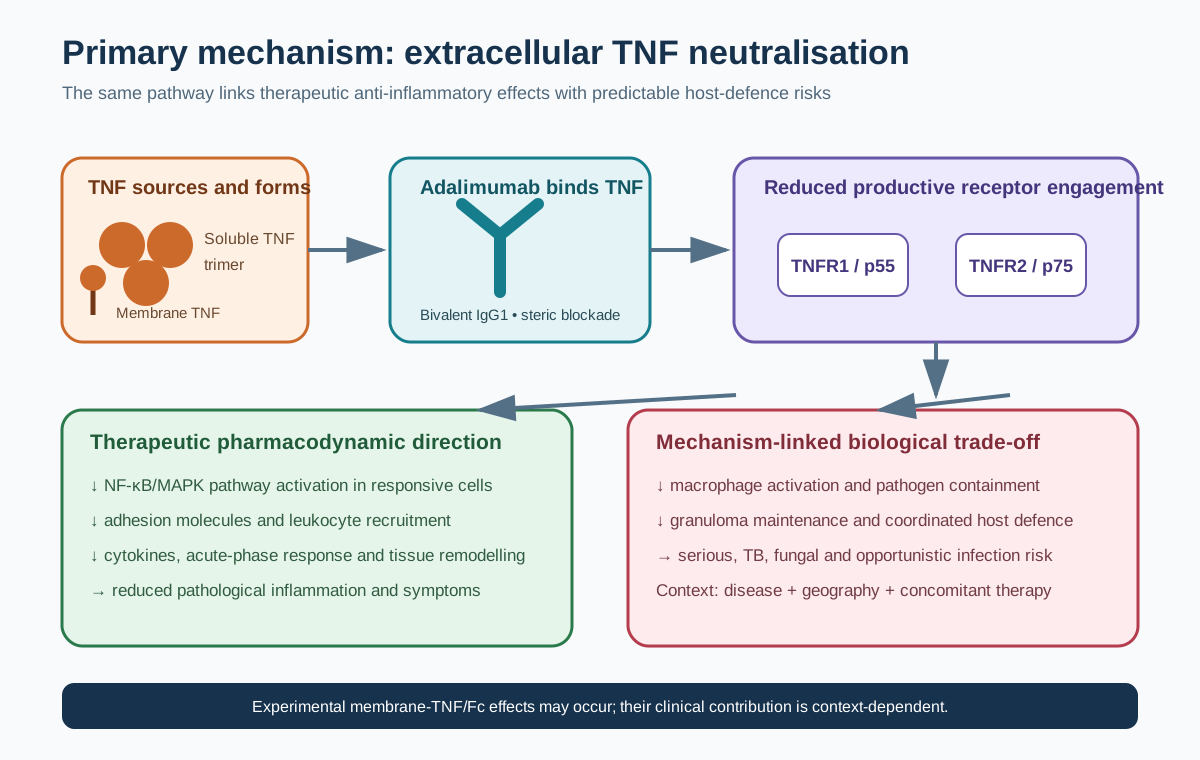
Adalimumab binds specifically to TNF and sterically prevents productive interaction with TNFR1 and TNFR2. The immediate molecular event is extracellular ligand sequestration, not intracellular enzyme inhibition. Occupied TNF cannot efficiently cluster and activate its receptors, so the amplitude and duration of downstream signals fall.
This description should not be misread as complete elimination of TNF biology. Drug concentration changes over a dosing interval; distribution differs between plasma and tissues; inflammatory burden varies; and anti-drug antibodies may alter exposure. Other cytokines can also maintain inflammation independently of TNF. Clinical non-response therefore does not prove that the antibody failed to bind TNF, and response does not establish that every manifestation was TNF-mediated.
4. Downstream pharmacodynamic consequences
Reduced receptor signalling is associated with several linked effects:
- reduced expression of endothelial adhesion molecules involved in leukocyte migration;
- lower recruitment and activation of inflammatory cells in affected tissues;
- reduced production of inflammatory mediators such as interleukin-6 in responsive disease states;
- decreases in acute-phase reactants, including C-reactive protein;
- reduced expression of matrix metalloproteinases involved in cartilage and tissue remodelling; and
- interruption of self-amplifying inflammatory circuits.
These are pharmacodynamic consequences, not independent binding mechanisms. Their magnitude varies by disease and patient, and laboratory improvement should be interpreted alongside clinical outcomes.
5. Binding to transmembrane TNF
Adalimumab can bind TNF displayed on cell surfaces. This creates biological possibilities beyond simple capture of soluble cytokine: clustering of membrane TNF, altered cell–cell signalling, reverse signalling into the TNF-expressing cell, and Fc-dependent engagement of immune effectors. Experimental systems have demonstrated complement-dependent lysis of cells expressing surface TNF.
Three evidentiary levels must remain separate:
- Established molecular property: adalimumab binds soluble and transmembrane TNF.
- Experimentally demonstrated effect: Fc- and membrane-associated effects can occur under suitable in-vitro conditions.
- Clinical attribution: the extent to which a particular secondary effect explains efficacy or toxicity in a disease or patient is often uncertain.
Collapsing these levels produces mechanistic overstatement. For routine benefit–risk evaluation, TNF neutralisation is the primary supported mechanism; secondary effects are relevant hypotheses when the clinical and experimental evidence warrants them.
6. Why the mechanism predicts infection risk
TNF helps organise granulomatous inflammation and supports macrophage activation, leukocyte recruitment and containment of certain intracellular pathogens. Sustained blockade can therefore reduce resistance to tuberculosis, invasive fungal infections and other opportunistic infections. This is a mechanism-based risk reinforced by clinical and post-authorisation evidence.
Risk is not uniform. It depends on geography and exposure history, age, comorbidity, disease activity, corticosteroids and other immunosuppressants, prior infections and the intensity of therapy. Screening reduces avoidable risk but does not remove it: new exposure, false-negative testing and non-tuberculous infections remain possible.
7. Why the mechanism complicates malignancy assessment
TNF participates in immune surveillance but also promotes inflammation that can support carcinogenesis. Patients with severe inflammatory diseases may already have increased lymphoma or skin-cancer risk, and many receive concomitant immunosuppression. Consequently, a malignancy report during adalimumab therapy has biological plausibility but rarely permits simple case-level causal attribution.
Evaluation must compare observed patterns with disease-specific background rates and account for latency, cumulative exposure, prior immunosuppressants, thiopurines, phototherapy, smoking, viral infection and surveillance intensity. Hepatosplenic T-cell lymphoma reports in adolescents and young adults with inflammatory bowel disease deserve particular attention; many reported patients also received azathioprine or 6-mercaptopurine. The clinical seriousness is clear, while attribution among disease, combined immunosuppression and TNF blockade remains complex.
8. Pharmacokinetic consequences of antibody structure
After subcutaneous injection, absorption is slow relative to an intravenous dose. Distribution is mainly extracellular. Clearance occurs through proteolytic catabolism and target-related pathways rather than renal filtration or cytochrome P450 metabolism. FcRn recycling contributes to a terminal half-life measured in weeks, supporting maintenance regimens often dosed every other week, although schedules differ by indication, body weight and treatment phase.
Inflammatory burden, body size, albumin, sex, disease type and anti-drug antibodies can influence measured concentrations. The direction and clinical importance of covariates should be evaluated in the relevant population rather than applied as universal dose rules.
9. Immunogenicity and loss of exposure
Some treated patients develop antibodies against adalimumab. Anti-drug antibodies may be transient or persistent, neutralising or non-neutralising, and detectable only with assays having particular drug tolerance. They can increase clearance, lower trough concentrations, reduce response and sometimes associate with hypersensitivity or administration reactions.
Reported incidence cannot be compared naively across studies. Assay platform, sampling time, definition of positivity, concomitant immunosuppression, indication and missing samples can change the estimate substantially. Product labels appropriately warn that immunogenicity percentages are assay-dependent.
In rheumatoid arthritis, concomitant methotrexate can reduce immunogenicity and increase adalimumab exposure. This is a population-level observation, not proof that every low concentration reflects anti-drug antibodies or that immunogenicity testing is required in every clinical circumstance.
For pharmacovigilance, suspected loss of efficacy should capture adherence, dosing history, storage, injection technique, treatment interruption, disease progression, measured drug concentration, anti-drug-antibody method/result and concomitant therapy. “Drug ineffective” without this context is a valid report but a weak mechanistic dataset.
Clinical development and use
Indication expansion
The reference product’s development moved from rheumatoid arthritis into a broad set of immune-mediated inflammatory diseases. In the European Union these include rheumatoid arthritis, juvenile idiopathic arthritis subtypes, axial spondyloarthritis, psoriatic arthritis, psoriasis, hidradenitis suppurativa, Crohn’s disease, ulcerative colitis and non-infectious uveitis, with age limits and dosing schedules specified in current product information.
The breadth of use is mechanistically coherent—TNF contributes to each disease—but the benefit–risk balance is not interchangeable. Baseline infection and malignancy risks, concomitant medicines, treatment targets and feasible outcome measures differ substantially across specialties.
Formulations, strengths and devices
Adalimumab is administered subcutaneously through presentations that may include pre-filled syringes, pre-filled pens and paediatric-strength presentations. Concentration, excipients, injection volume, needle characteristics and device design may differ among products and over time. Citrate-free or higher-concentration formulations may alter injection experience without changing the active substance’s intended target.
These differences can generate product-specific safety questions:
- injection pain or local reactions after a formulation switch;
- underdose, overdose or missed dose related to strength confusion;
- incomplete injection, leakage or device activation failure;
- storage and temperature excursions;
- latex or excipient concerns where applicable; and
- use-error patterns after switching device platforms.
Such events should not automatically be pooled as molecular toxicity. Conversely, a device complaint that results in no dose, loss of disease control or injury is pharmacovigilance-relevant and may require parallel quality/device investigation.
Reference product and biosimilars
A biosimilar adalimumab is expected to have the same clinical mechanism as its reference product. Comparative analytical characterisation is the foundation; targeted non-clinical, pharmacokinetic, efficacy, safety and immunogenicity evidence resolves residual uncertainty. Regulatory extrapolation can support additional indications when mechanism, receptor/target biology, pharmacokinetics, immunogenicity and safety do not create an unresolved difference.
Amgen's adalimumab biosimilar provides a concrete product-level example. Amgevita was authorised in the EU in March 2017 as a biosimilar to Humira; Amjevita (adalimumab-atto) is the corresponding US biosimilar identity. The active-substance mechanism and established TNF-inhibitor risks remain shared, but the exact brand, presentation, device, formulation and batch must be retained. The EU and US names should not be treated as interchangeable database labels, and an event following a switch should be assessed against dosing continuity, device use, indication, concomitant therapy and baseline disease activity before a product difference is inferred.
After approval, surveillance should examine evidence at three levels:
- active-substance/class level for established TNF-inhibitor risks;
- product level for unexpected differences in immunogenicity, formulation, quality or administration events; and
- device/batch level for clustered technical complaints or manufacturing signals.
Safety profile: mechanism, evidence and uncertainty
Serious and opportunistic infections
Serious infections are a central identified risk of TNF blockade. Reported events include bacterial sepsis, tuberculosis, invasive fungal infection and infections caused by other opportunistic pathogens. In the United States, serious infections and malignancy appear in the Humira boxed warning. European product information contraindicates use in active tuberculosis or other severe infections and requires risk-based screening and monitoring.
A useful case assessment distinguishes:
- infection present before the first dose from infection emerging during exposure;
- reactivation from newly acquired infection where evidence permits;
- local from disseminated disease;
- microbiologically confirmed infection from syndromic diagnosis;
- monotherapy from combined immunosuppression; and
- treatment interruption, antimicrobial therapy and outcome.
For tuberculosis, collect test type and date, previous treatment, chest imaging, epidemiological exposure, country of origin/residence, extrapulmonary sites and susceptibility data. For invasive fungal infection, geography and travel may be decisive. Fever with nonspecific systemic illness can be misclassified unless diagnostic uncertainty is preserved.
Malignancy
Lymphoma and other malignancies have been reported with TNF blockers. Evaluation requires more than a treated-versus-untreated count because severe inflammatory disease, age, smoking, ultraviolet exposure and previous or concomitant immunosuppressants alter background risk. Cancer subtype, pathology, stage, latency and prior therapies should be captured.
Hepatosplenic T-cell lymphoma is rare and usually aggressive. Reports involving TNF blockers have disproportionately involved adolescents or young adults with inflammatory bowel disease, frequently with current or prior thiopurine exposure. Cases warrant expedited, detailed follow-up, but the pattern should not be simplified into a single-agent causal claim without considering combined therapy and disease context.
Non-melanoma skin cancer surveillance should record histology, lesion multiplicity, sun/phototherapy exposure and previous skin cancer. A broad “skin cancer” term loses clinically important distinctions.
Hepatitis B reactivation
Reactivation has occurred in carriers of hepatitis B virus receiving TNF antagonists. Reports should capture HBsAg, anti-HBc, anti-HBs, HBV DNA, liver tests, antiviral prophylaxis or treatment, concomitant immunosuppression and virological outcome. The clinically relevant sequence is often laboratory reappearance or viral-load increase followed by hepatitis; dates are essential.
Neurological events
New onset or exacerbation of central or peripheral demyelinating disorders has been reported with TNF antagonists. Case follow-up should obtain neurological history, examination, MRI, cerebrospinal-fluid results, electrophysiology, alternative diagnoses, treatment withdrawal and course. Temporal association alone is insufficient because inflammatory diseases themselves can coexist with neurological disorders.
Heart failure
TNF-blocker experience has generated warnings concerning new or worsening congestive heart failure. European reference-product information contraindicates moderate to severe heart failure. Reports should include baseline cardiac status, ejection fraction when available, dose/exposure timing, fluid-retaining medicines, ischaemia, infection and objective response to withdrawal or heart-failure treatment.
Haematological and autoimmune events
Cytopenias, including medically serious pancytopenia or aplastic-anaemia-like presentations, are uncommon but important. Obtain serial counts, marrow findings, infection status and concomitant myelotoxic medicines.
TNF blockade can be associated with autoantibody formation and, rarely, a lupus-like syndrome. A positive antinuclear antibody without compatible clinical findings is not synonymous with drug-induced lupus. Capture phenotype, serology, complement, organ involvement and improvement after discontinuation.
Hypersensitivity and administration-site events
Injection-site reactions are common relative to serious systemic hypersensitivity. Assessment should distinguish pain, erythema and swelling from urticaria, angioedema or anaphylaxis. Record onset after injection, recurrence, formulation or device change, treatment, rechallenge and any quality complaint. Device failures should include brand, model/presentation, lot, expiry, storage history and whether the dose was delivered.
Paradoxical inflammatory reactions
TNF inhibitors can be associated with conditions that appear paradoxical for an anti-inflammatory therapy, including new or worsening psoriasiform eruptions and, less commonly, other immune-mediated phenomena. The term “paradoxical” describes the clinical direction, not a fully proven single mechanism. Cytokine-network rebalancing and interferon-related pathways are proposed explanations.
These reports require morphology, biopsy if performed, personal/family history, indication, other medicines, infection testing, treatment changes and outcome. A flare of the treated disease, an unrelated dermatosis and a new paradoxical reaction are different hypotheses.
Pregnancy, lactation and infant exposure
As an IgG1 antibody, adalimumab can cross the placenta through FcRn-mediated transport, particularly as pregnancy advances. Pregnancy reports should capture trimester-specific exposure, last dose, disease activity, concomitant medicines, obstetric complications and infant outcomes. Apparent associations can be confounded by inflammatory disease activity and other therapy.
Current product information should guide decisions on maternal treatment and vaccination of exposed infants. Recommendations can be product- and jurisdiction-specific and should not be reconstructed from the antibody half-life alone. Lactation assessment should distinguish low transfer into milk from systemic infant exposure and clinical outcome.
Vaccination and surgery
Live vaccines are generally avoided during treatment according to current product information; non-live vaccines may be used, though immune response can be attenuated. For vaccine-related reports, capture vaccine type, timing, immunogenicity or breakthrough infection where relevant.
Perioperative infection and wound complications are difficult to interpret without operation type, contamination class, dose timing, disease control, glucocorticoids, diabetes, smoking and prophylaxis. Local professional guidance should govern planned treatment interruption rather than a universal interval inferred from pharmacokinetics.
Interaction context
Combining biological immunomodulators can increase infection risk without proportionate benefit. Reference-product labelling specifically cautions against combinations such as adalimumab with anakinra or abatacept. In inflammatory bowel disease, thiopurines are particularly important to record because combined exposure affects both infection and rare lymphoma assessment.
Cytochrome P450 interactions are not the principal concern for adalimumab. However, suppressing inflammation may normalise cytokine-mediated changes in drug-metabolising enzymes, potentially altering exposure to narrow-therapeutic-index medicines. Clinical monitoring should follow the relevant product information.
Causality assessment principles
Mechanistic plausibility strengthens but does not complete causality assessment. A structured evaluation should ask:
- Was exposure confirmed, including product, timing and dose delivery?
- Is the event an established active-substance or TNF-inhibitor risk?
- Is latency compatible with infection reactivation, immune dysregulation or tumour development?
- Does withdrawal meaningfully inform the event, considering adalimumab’s persistence and treatment of the event?
- Are disease activity, corticosteroids, methotrexate, thiopurines or other biologics more compelling explanations?
- Is there objective confirmation and a coherent clinical course?
- Does the report suggest a molecular, product-quality, formulation, batch or device problem?
Rechallenge may be uninterpretable or ethically inappropriate for serious infection, malignancy, demyelination or anaphylaxis. Absence of rechallenge should never be treated as evidence against causality.
Pharmacovigilance across the product lifecycle
Minimum high-value case data
Every report should preserve the basics—patient, reporter, suspected product and event—but adalimumab cases often require additional structured follow-up.
| Domain | High-value information |
|---|---|
| Product identity | Brand, manufacturer, strength/concentration, presentation/device, batch/lot, expiry |
| Exposure | Indication, dose, schedule, start/stop dates, last dose, induction versus maintenance, treatment interruptions |
| Administration | Self- or caregiver administration, training, injection site, full dose delivered, leakage/misfire, storage excursion |
| Patient context | Age, sex, weight where relevant, comorbidities, smoking, pregnancy, infection and malignancy history |
| Concomitant therapy | Corticosteroids, methotrexate, thiopurines, other immunomodulators, recent vaccines |
| Event evidence | Diagnostic criteria, microbiology/pathology/imaging, seriousness, treatment, outcome and sequelae |
| Mechanistic tests | TB/HBV screening, drug concentration, anti-drug antibodies and assay details when performed |
| Switching | Previous and current product, switch date/reason, device/formulation change, number of switches |
Traceability without analytical fragmentation
Biological traceability is not clerical decoration. Missing brand or batch can prevent detection of a quality defect, device cluster or product-specific immunogenicity pattern. Organisations should monitor the proportion of reports with identifiable brand and batch and use targeted follow-up to improve completeness.
Analysis should then deliberately use nested levels:
- molecule level: all adalimumab products;
- class level: TNF inhibitors when a shared mechanism is plausible;
- product level: reference medicine or named biosimilar;
- presentation/device level: concentration, syringe or autoinjector; and
- batch level: when quality clustering is suspected.
A signal visible at one level may disappear or become clearer at another. Pre-specifying these views limits both dilution and spurious product comparisons.
Switching and nocebo-sensitive outcomes
Switching between reference and biosimilar products may coincide with changes in device, injection volume, excipients, training and patient expectations. Reports of pain, subjective intolerance or loss of effect should be taken seriously while separating possible explanations.
Useful follow-up includes objective disease activity, adherence, dose delivery, treatment interruption, concomitant changes, drug concentrations/anti-drug antibodies where clinically obtained, communication around the switch and outcome after continued use or switch-back. A temporal association with switching is not proof of a molecular difference, but dismissing all such reports as expectation effects can conceal device, formulation or implementation problems.
Signal detection and evaluation
Spontaneous reporting is valuable for rare, serious and unexpected patterns but cannot establish incidence from report counts. Stimulated reporting after launches, switches, media attention or regulatory action can distort comparisons. Exposure denominators may be uncertain, especially across indications and products.
Signal assessment should integrate:
- spontaneous cases with duplicate control and clinical review;
- clinical-trial and extension data;
- disease and product registries;
- claims or electronic-health-record studies with active comparators;
- literature and mechanistic evidence;
- product-quality and device complaint data; and
- regulatory experience across regions.
For comparative studies, an active comparator within the same indication is often more informative than the general population. New-user designs, time-varying concomitant therapy, disease severity, channeling and prior biologic exposure require attention. Negative-control outcomes or quantitative bias analyses can test residual confounding.
Aggregate benefit–risk evaluation
Periodic evaluation should not merely repeat labelled risks. It should examine whether frequency, severity, preventability, affected population or treatment context has changed. Particularly useful stratifications include indication, age, geography, concomitant immunosuppression, treatment duration, product and exposure era.
Risk-minimisation effectiveness can be measured through process and outcome indicators: completion of TB or HBV screening, patient-card receipt and understanding, live-vaccine errors, delayed recognition of serious infection, and completeness of biological traceability. A distributed reminder card has little value if it does not change knowledge or behaviour.
Regulatory history as a living dataset
Adalimumab’s regulatory history is not a single approval date. It includes indication extensions, paediatric development, new strengths and formulations, manufacturing changes, safety-label updates, additional risk-minimisation measures and biosimilar authorisations. The EMA maintains the Humira European Public Assessment Report and post-authorisation procedural history; FDA maintains current prescribing information and approval records.
When reconstructing a regulatory safety decision, record the date, jurisdiction, exact product(s), evidence available at the time and resulting action. Later labelling should not be projected backwards as if it existed throughout the product lifecycle.
Practical product assessment
If a serious infection is reported
Confirm the organism and site, onset relative to doses, baseline screening, geographical exposure, concomitant immunosuppression, hospital course, antimicrobial treatment and whether adalimumab was interrupted. For opportunistic infection, actively seek dissemination and immune-status data. Evaluate the case against the known mechanism without treating labelledness as automatic proof of causality.
If loss of efficacy follows a switch
Confirm both products and switch date, dose and administration, device training, adherence, disease activity before and after switching, inflammatory markers, intercurrent infection, concomitant changes and any measured concentration or anti-drug antibodies. Route device complaints to quality systems while retaining the clinical report in pharmacovigilance.
If malignancy is reported
Obtain histology and stage, symptom onset, cumulative adalimumab exposure, underlying-disease duration/activity, all previous and concomitant immunosuppressants, viral status where relevant and family/environmental risks. For lymphoma, distinguish subtype; for HSTCL, capture age, sex, inflammatory-bowel-disease history and thiopurine exposure precisely.
Key conclusions
- Adalimumab is a recombinant, fully human, bivalent, monospecific, full-length IgG1 antibody directed against TNF.
- Its primary established mechanism is neutralisation of soluble and membrane-associated TNF, preventing productive signalling through TNFR1 and TNFR2.
- Membrane-TNF and Fc-related effects are experimentally relevant, but their clinical contribution should not be overstated.
- The therapeutic mechanism predicts important risks, especially serious and opportunistic infection, while malignancy and rare immune-mediated events require careful control of confounding and diagnostic detail.
- Immunogenicity is possible despite fully human sequence architecture and can affect exposure and effectiveness; assay-dependent percentages are not directly comparable.
- Biosimilar pharmacovigilance requires simultaneous active-substance analysis and precise product, batch, formulation and device traceability.
- Current local product information—not class memory—must govern indication, dosing, contraindications, vaccination and pregnancy-related advice.
References
- European Medicines Agency. Humira: EPAR—product information and assessment history. Current product information and post-authorisation procedures. https://www.ema.europa.eu/en/medicines/human/EPAR/humira
- US Food and Drug Administration. Humira (adalimumab) prescribing information. Initial US approval 2002; current label available through Drugs@FDA. https://www.accessdata.fda.gov/drugsatfda_docs/label/2025/125057s425lbl.pdf
- World Health Organization. The Selection and Use of Essential Medicines, 2019: WHO Technical Report Series 1021. https://www.who.int/publications/i/item/9789241210300
- World Health Organization. Electronic Essential Medicines List: adalimumab. https://list.essentialmeds.org/medicines/552
- European Medicines Agency. Hyrimoz: EPAR. Biosimilar regulatory information. https://www.ema.europa.eu/en/medicines/human/EPAR/hyrimoz
- European Medicines Agency. Hukyndra: EPAR. Biosimilar regulatory information. https://www.ema.europa.eu/en/medicines/human/EPAR/hukyndra
- Tracey D, Klareskog L, Sasso EH, Salfeld JG, Tak PP. Tumor necrosis factor antagonist mechanisms of action: a comprehensive review. Pharmacology & Therapeutics. 2008;117(2):244–279. doi:10.1016/j.pharmthera.2007.10.001.
- European Medicines Agency. Guideline on similar biological medicinal products. https://www.ema.europa.eu/en/similar-biological-medicinal-products-scientific-guideline
- US Food and Drug Administration. Biosimilar and Interchangeable Biologics: More Treatment Choices. https://www.fda.gov/drugs/biosimilars/biosimilar-and-interchangeable-biologics-more-treatment-choices
- International Council for Harmonisation. ICH E2D(R1): Post-Approval Safety Data—Definitions and Standards for Management and Reporting. https://www.ich.org/page/efficacy-guidelines
-
European Medicines Agency. Guideline on good pharmacovigilance practices, Product- or Population-Specific Considerations II: Biological medicinal products. https://www.ema.europa.eu/en/human-regulatory-overview/post-authorisation/pharmacovigilance-post-authorisation/good-pharmacovigilance-practices
-
European Medicines Agency. Amgevita: EPAR and product information. EU marketing authorisation issued 21 March 2017; product information updated 23 April 2026. https://www.ema.europa.eu/en/medicines/human/EPAR/amgevita. Accessed 4 September 2026.
- U.S. Food and Drug Administration. Purple Book: Amjevita (adalimumab-atto), BLA 761024. https://purplebooksearch.fda.gov/. Accessed 4 September 2026.
Regulatory Note
This educational article is not prescribing guidance and does not replace the current approved product information, risk-management plan, local clinical guidance or regulatory requirements. Adalimumab indications, dosing, contraindications, warnings, vaccination advice, pregnancy recommendations, biosimilar status, interchangeability rules and additional risk-minimisation measures differ by product and jurisdiction and may change after publication. Verify all product-specific decisions against the current authoritative source.