Benralizumab: Classification, History, Mechanism of Action, Safety and Pharmacovigilance
Benralizumab is a humanised monoclonal antibody against the alpha subunit of the interleukin-5 receptor (IL-5Rα). It is used in diseases in which eosinophils contribute materially to pathology. Its mechanism is unusual among cytokine-pathway antibodies because it does more than interrupt a ligand-receptor signal: its Fc region is engineered to enhance recruitment of immune effector cells, producing rapid and profound eosinophil depletion.
This distinction is central to pharmacovigilance. An anti-IL-5 antibody can be conceptualised primarily as removal of a soluble survival signal. Benralizumab instead marks IL-5Rα-expressing cells for Fc-mediated killing while also blocking IL-5 receptor signalling. The relevant safety framework therefore begins with cell depletion, then asks how that depletion interacts with the disease being treated, background corticosteroid use, infection risk and other causes of eosinophilia.
- Benralizumab: Classification, History, Mechanism of Action, Safety and Pharmacovigilance
- Multidimensional classification
- IL-5 and eosinophil biology
- Why afucosylation matters
- Development and indication expansion
- Same depleted cell, different diseases
- Clinical safety framework
- Asthma-specific pharmacovigilance
- EGPA-specific considerations
- HES-specific considerations
- Immunogenicity
- Special situations
- Product and device traceability
- Pharmacovigilance case assessment
- Signal detection and aggregate review
- Benefit-risk evaluation
- Risk management and operational controls
- Potential failure modes
- Inspection and governance perspective
- Practical checklist
- Key Takeaways
- References
- Regulatory Note
Multidimensional classification
| Classification axis | Benralizumab classification | Scientific or PV significance |
|---|---|---|
| Molecular format | Humanised afucosylated IgG1 kappa monoclonal antibody | Afucosylated Fc increases affinity for FcγRIIIa/CD16a on effector cells |
| Target | IL-5 receptor alpha | Expressed predominantly on eosinophils and basophils |
| Functional class | Eosinophil-depleting antibody | Produces rapid reduction of circulating and tissue eosinophils |
| Main disease settings | Severe eosinophilic asthma, EGPA and HES | Same target biology operates in different disease architectures |
| Route | Subcutaneous injection | Injection chronology and hypersensitivity remain relevant |
| Core pharmacodynamic marker | Blood eosinophil depletion | Expected target effect, not by itself an adverse reaction |
| Major PV distinction | Target depletion versus disease activity | Eosinophil count, symptoms and organ involvement must be interpreted together |
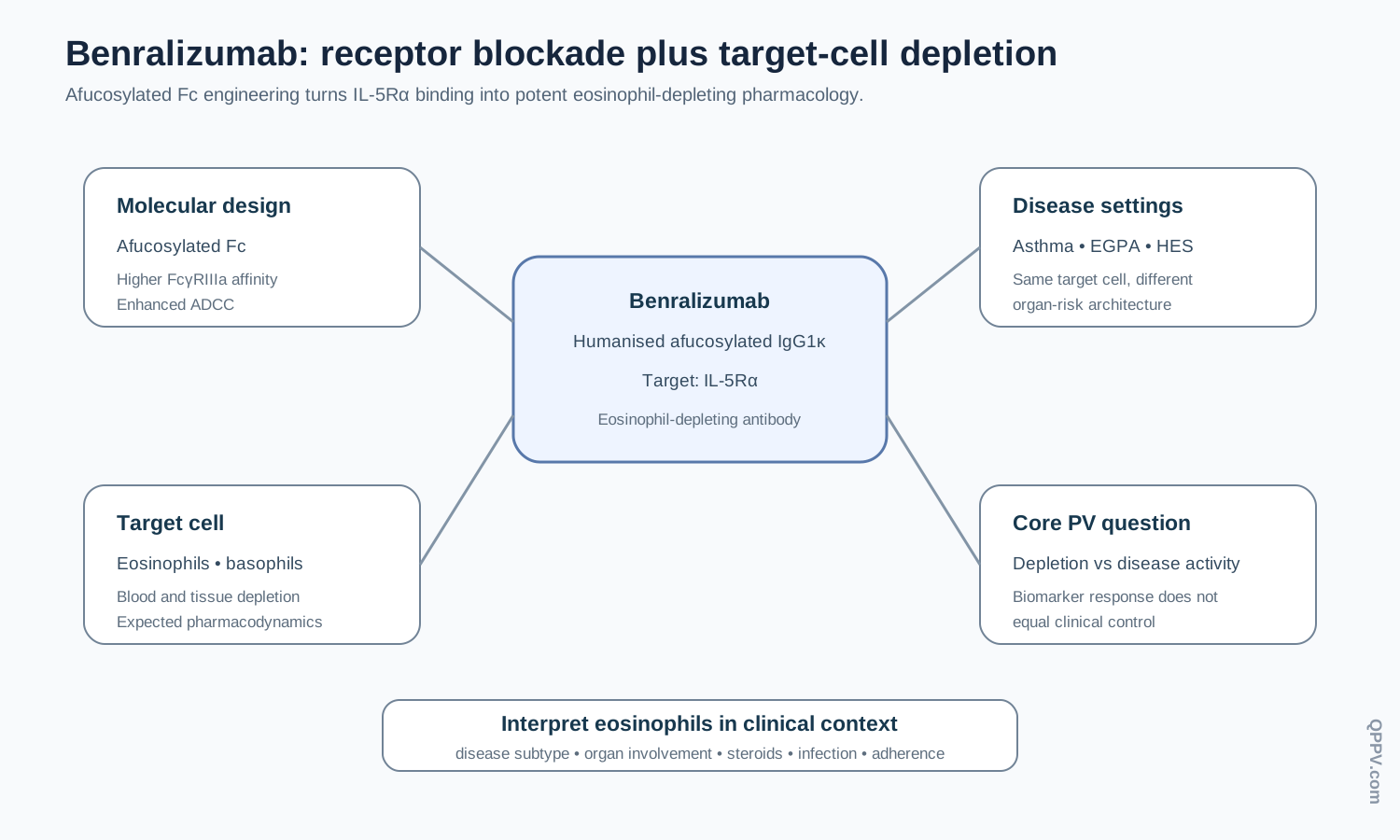
Figure 1. Benralizumab is simultaneously an IL-5Rα blocker and an Fc-engineered eosinophil-depleting antibody. This differentiates it mechanistically from antibodies that neutralise soluble IL-5.
IL-5 and eosinophil biology
Interleukin-5 is a key cytokine controlling eosinophil differentiation, survival and activation. Eosinophils develop in the bone marrow and participate in host defence and inflammatory responses, but persistent or dysregulated eosinophilia can damage airways, blood vessels and other organs.
IL-5 signals through a receptor composed of an IL-5-specific alpha chain and a shared beta chain. The alpha subunit is therefore an attractive cell-surface marker for eosinophil-directed therapy. Rather than neutralising circulating IL-5 before it reaches the receptor, benralizumab binds the receptor-bearing cell itself.
That creates two mechanistic layers:
- signalling blockade — IL-5 cannot effectively activate its receptor on the targeted cell;
- cell depletion — Fc-mediated recruitment of immune effector cells drives apoptosis and elimination of IL-5Rα-expressing eosinophils.
Why afucosylation matters
Antibody Fc regions contain glycans that influence interaction with Fc receptors on immune cells. Benralizumab is produced with reduced fucose in its Fc glycan. This increases affinity for FcγRIIIa (CD16a), particularly on natural killer cells, and markedly strengthens antibody-dependent cell-mediated cytotoxicity.
The pharmacological sequence is therefore more active than simple receptor occupancy. Benralizumab binds IL-5Rα on an eosinophil; an NK cell binds the Fc region through CD16a; a cytolytic synapse forms; and the eosinophil undergoes apoptosis. Macrophage-mediated clearance and phagocytic mechanisms may also contribute.
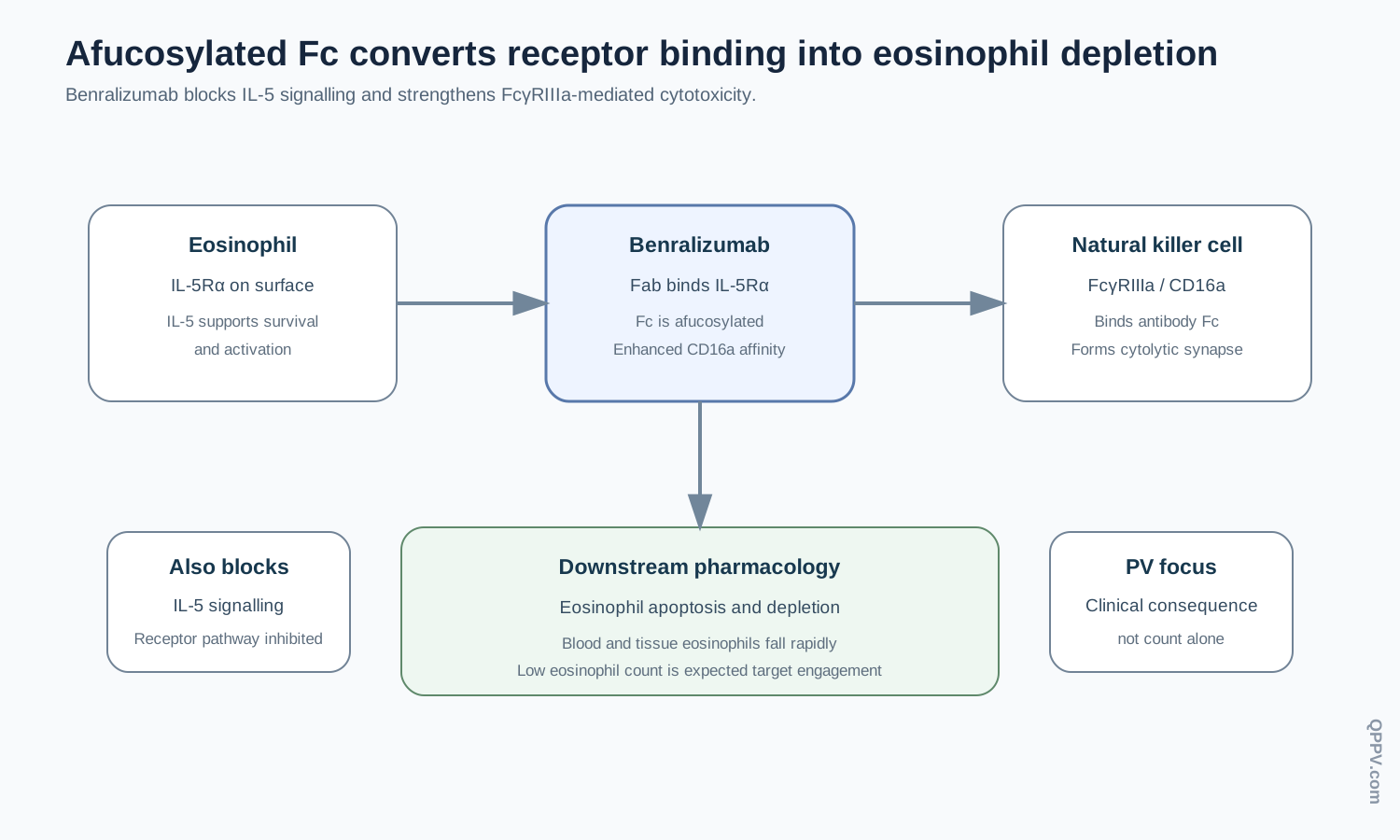
Figure 2. Benralizumab binds IL-5Rα and recruits FcγRIIIa-expressing effector cells. Afucosylation strengthens this interaction, producing potent eosinophil depletion in addition to IL-5 receptor blockade.
Development and indication expansion
The European Union authorised benralizumab in January 2018 for severe eosinophilic asthma. The therapeutic concept was initially straightforward: patients with persistent eosinophilic inflammation despite high-intensity inhaled therapy could benefit from selective depletion of the eosinophil lineage.
The authorised disease scope later broadened. Benralizumab is now also authorised in the EU for relapsing or refractory eosinophilic granulomatosis with polyangiitis (EGPA). In July 2026 the European Commission approved an additional indication for hypereosinophilic syndrome (HES) in adults and adolescents aged 12 years and older who weigh at least 35 kg and have inadequately controlled disease without an identifiable non-haematologic secondary cause.
The HES qualification is scientifically important. Eosinophilia is a laboratory phenotype, not a single disease. Reactive eosinophilia caused by parasites, allergy, drugs, malignancy or another identifiable disorder should not automatically be equated with primary or inadequately controlled HES. Pharmacovigilance likewise needs the diagnostic context rather than the eosinophil count alone.
Same depleted cell, different diseases
In severe eosinophilic asthma, eosinophils contribute to airway inflammation and exacerbations. In EGPA, eosinophilic inflammation occurs within a systemic vasculitic disorder in which neuropathy, pulmonary disease, sinus disease, cardiac involvement and other organ manifestations may occur. In HES, persistent eosinophilia can affect multiple organs and may arise through heterogeneous pathogenic mechanisms.
The target cell is therefore shared, but the clinical meaning of recurrence, organ damage and corticosteroid reduction differs by indication. Aggregate safety and effectiveness analyses should preserve that distinction.
Clinical safety framework
Benralizumab is generally well tolerated, but its pharmacovigilance should be organised around the biological consequences of eosinophil depletion, hypersensitivity, the underlying disease and treatment de-escalation.
Hypersensitivity and acute reactions
As a parenteral biological, benralizumab can cause hypersensitivity reactions, including serious reactions. A useful case should retain dose number, latency from injection, skin and respiratory findings, blood pressure, treatment, resolution and any subsequent re-exposure.
A delayed hypersensitivity reaction should not be discarded because it did not begin immediately after injection. Conversely, asthma symptoms occurring after administration need differential assessment before being labelled allergic.
Eosinophil depletion is an expected pharmacodynamic effect
Profound reduction in eosinophils is the intended mechanism of treatment. A low eosinophil count is therefore not automatically an adverse reaction. The clinically important question is whether depletion is associated with an adverse clinical consequence.
This distinction prevents pharmacodynamic laboratory changes from being counted as toxicity while still permitting surveillance for unexpected consequences of sustained depletion.
Infection and host defence
Eosinophils participate in immune responses, particularly against some parasites. Product information therefore treats parasitic infection as a relevant clinical consideration. A patient with known helminth infection should be managed appropriately, and persistent infection during therapy warrants evaluation.
Routine infection cases should still be interpreted within the patient's background treatment. Severe asthma, EGPA and HES may involve systemic corticosteroids or other immunosuppressants that materially alter infection risk. The presence of benralizumab should not obscure these stronger competing contributors.
Asthma-specific pharmacovigilance
Exacerbation versus treatment failure
Benralizumab is maintenance therapy, not a rescue treatment for an acute asthma attack. Breakthrough exacerbations can occur despite biological therapy. A meaningful lack-of-efficacy case should document baseline exacerbation frequency, blood eosinophils, adherence to inhaled therapy, oral corticosteroid use, smoking, infection, allergen exposure and treatment duration.
A single exacerbation soon after initiation does not necessarily demonstrate treatment failure because clinical benefit is assessed over time.
Corticosteroid reduction
One therapeutic objective in severe eosinophilic asthma may be reduction of maintenance oral corticosteroids. Abrupt steroid reduction can precipitate adrenal insufficiency or unmask disease previously suppressed by corticosteroids.
If symptoms emerge during tapering, pharmacovigilance should reconstruct the steroid schedule rather than attributing the event solely to benralizumab. Fatigue, hypotension, arthralgia and worsening respiratory symptoms can arise from several overlapping mechanisms.
EGPA-specific considerations
EGPA combines asthma, eosinophilic inflammation and vasculitis. Disease manifestations can include neuropathy, pulmonary infiltrates, sinus disease, skin involvement and potentially serious cardiac or renal disease.
An event occurring during eosinophil depletion may therefore represent:
- active or relapsing vasculitis;
- irreversible damage from prior disease;
- infection related to background immunosuppression;
- corticosteroid-withdrawal effects;
- or a treatment-related adverse reaction.
Blood eosinophil suppression alone does not prove vasculitis control. Organ-level assessment remains necessary.
HES-specific considerations
HES is heterogeneous and can involve skin, lung, gastrointestinal tract, nervous system, heart and other organs. Pharmacovigilance should confirm the diagnostic basis and whether secondary causes were excluded.
Cardiac events deserve particular care because eosinophilic cardiac disease can itself cause severe complications. A new cardiac event during benralizumab treatment should not be automatically interpreted as drug toxicity or as proof of treatment failure without disease-status information.
Immunogenicity
Anti-drug antibodies can occur with monoclonal-antibody therapy and may alter pharmacokinetics or pharmacodynamics. For benralizumab, immunogenicity assessment is especially informative when there is unexpected recovery of eosinophils, loss of clinical response or a hypersensitivity phenotype.
Routine spontaneous reports rarely include formal anti-drug antibody results, but when available they should be linked to the clinical timeline rather than stored as an isolated laboratory finding.
Special situations
Pregnancy
As an IgG antibody, benralizumab can cross the placenta, particularly later in pregnancy. Pregnancy reports should capture trimester-specific exposure, asthma or systemic-disease control, concomitant corticosteroids and other medicines, obstetric complications, neonatal outcome and infections where relevant.
Paediatric and adolescent exposure
The 2026 EU HES expansion includes adolescents aged 12 years and older meeting the specified weight threshold. Age, weight, disease subtype and formulation should therefore be retained in case assessment rather than assuming the adult asthma evidence base applies identically.
Product and device traceability
Benralizumab is administered using pre-filled presentations. Cases involving injection problems, incomplete dosing, device malfunction, quality complaints or hypersensitivity should retain product presentation, batch and device details where available. Administration-error trends should be separated from pharmacological adverse reactions.
Pharmacovigilance case assessment
A benralizumab case is most interpretable when reconstructed around indication, eosinophil biology, corticosteroid exposure and organ phenotype.
Event-specific follow-up priorities
| Event or issue | High-value follow-up information |
|---|---|
| Hypersensitivity | Dose number, onset, skin/respiratory/cardiovascular features, treatment, resolution, re-exposure |
| Breakthrough asthma exacerbation | Baseline exacerbation frequency, eosinophils, inhaled therapy adherence, infection, steroid use and treatment duration |
| EGPA relapse | Organ system, vasculitic evidence, eosinophils, ANCA where available, steroid/immunosuppressant changes and damage versus activity |
| HES recurrence | Diagnostic subtype, organ involvement, eosinophil trend, secondary-cause evaluation, adherence and concomitant therapy |
| Infection | Organism/site, severity, corticosteroid or other immunosuppression, eosinophil count and parasite exposure where relevant |
| Adrenal insufficiency | Steroid taper schedule, cortisol testing, symptoms, replacement therapy and outcome |
| Loss of effect | Eosinophil recovery, dosing history, anti-drug antibodies if available, disease triggers and competing explanations |
| Device/administration issue | Presentation, batch, injection technique, dose delivery, device defect and clinical consequence |
Signal detection and aggregate review
Aggregate analyses should not treat all eosinophilic diseases as interchangeable. Severe asthma, EGPA and HES have different organ-risk structures and different meanings for treatment failure.
Signals related to infection should be stratified by background systemic corticosteroid or immunosuppressive use. Otherwise, a high-risk subgroup may create a misleading molecule-level pattern.
Eosinophil counts should be analysed as pharmacodynamic context, not as an adverse-event endpoint by default. Unexpected eosinophil recovery, however, can be useful when evaluating loss of response or immunogenicity.
Benefit-risk evaluation
The benefit of benralizumab arises from reducing disease driven by eosinophils, but the relevant benefit differs by indication: fewer asthma exacerbations and lower steroid burden; control of relapsing or refractory EGPA; and suppression of clinically significant HES activity.
This creates an important benefit-risk principle: the same pharmacodynamic effect can support different clinical benefits. Aggregate reporting should therefore avoid relying solely on blood eosinophil suppression as evidence of therapeutic success.
Risk management and operational controls
Current product information governs administration, hypersensitivity precautions and disease-specific use. Recommended PV controls include capture of disease subtype, baseline eosinophils, corticosteroid exposure, organ involvement, dose chronology and device information.
For EGPA and HES, structured follow-up that distinguishes irreversible organ damage from active eosinophilic or vasculitic disease materially improves causality and effectiveness assessment.
Potential failure modes
The following are illustrative scenarios, not published inspection findings:
- Near-zero eosinophils are coded as a haematological adverse reaction despite being the expected pharmacodynamic effect.
- An asthma exacerbation during steroid taper is labelled benralizumab failure without reconstructing the taper or inhaled-therapy adherence.
- Neuropathy in EGPA is classified as active vasculitis without determining whether it represents established irreversible damage.
- Infection rates are compared across indications without accounting for systemic corticosteroid exposure.
- Recurrent eosinophilia is interpreted as disease progression without checking missed doses or anti-drug antibodies.
- A device malfunction is coded only as lack of efficacy and the incomplete dose is not documented.
Inspection and governance perspective
An inspector or quality reviewer could examine whether the safety system differentiates the three major disease contexts, whether steroid tapering is captured in serious cases, whether expected eosinophil depletion is interpreted correctly, and whether HES cases retain evidence that clinically important secondary causes were considered.
For a biological with a strong pharmacodynamic marker, the effectiveness question is whether the organisation can connect cell depletion to clinical outcome without confusing biomarker change with either toxicity or therapeutic success.
Practical checklist
For a benralizumab case or aggregate analysis, confirm:
- authorised indication and disease subtype;
- baseline and on-treatment eosinophil counts;
- corticosteroid and other immunosuppressive exposure;
- dose number and injection date;
- organ-specific disease activity;
- infection and parasite history where relevant;
- treatment adherence and device function;
- anti-drug antibodies when available;
- pregnancy timing or adolescent age/weight where relevant;
- exact product presentation and batch.
Key Takeaways
Benralizumab is an afucosylated anti-IL-5Rα monoclonal antibody whose engineered Fc region enhances recruitment of cytotoxic effector cells. The result is potent eosinophil depletion rather than simple neutralisation of circulating IL-5.
Its pharmacovigilance is therefore organised around expected target-cell depletion, hypersensitivity, infection context, corticosteroid changes and disease-specific organ activity. The same depleted cell population underlies treatment of severe eosinophilic asthma, EGPA and HES, but the clinical meaning of relapse and benefit differs substantially among them.
References
- European Medicines Agency. Benralizumab: EPAR. EU marketing authorisation issued 8 January 2018. https://www.ema.europa.eu/en/medicines/human/EPAR/fasenra
- European Commission. Union Register: benralizumab. Current EU indications include severe eosinophilic asthma, EGPA and HES; HES decision adopted July 2026. https://ec.europa.eu/health/documents/community-register/html/h1252.htm
- Pelaia C, Calabrese C, Vatrella A, et al. Benralizumab: from the basic mechanism of action to the potential use in the biological therapy of severe eosinophilic asthma. Biomed Res Int. 2018;2018:4839230. doi:10.1155/2018/4839230.
- Kolbeck R, Kozhich A, Koike M, et al. MEDI-563, a humanized anti-IL-5 receptor alpha mAb with enhanced antibody-dependent cell-mediated cytotoxicity function. J Allergy Clin Immunol. 2010;125:1344-1353.e2. doi:10.1016/j.jaci.2010.04.004.
- Menzies-Gow A, Gurnell M, Heaney LG, et al. Oral corticosteroid elimination via a personalised reduction algorithm in adults with severe, eosinophilic asthma treated with benralizumab (PONENTE). Lancet Respir Med. 2022;10:47-58. doi:10.1016/S2213-2600(21)00352-0.
Regulatory Note
Authorised indications, age/weight criteria, dosing and management recommendations can change and differ by jurisdiction. This article explains the scientific and pharmacovigilance framework and does not replace current regional product information or specialist respiratory, rheumatology or haematology guidance. EU HES status was checked against the European Commission Union Register current in September 2026.