Besilesomab: Diagnostic Antibody, Radiopharmaceutical Use and Pharmacovigilance
Besilesomab is used for diagnostic imaging, so its clinical interpretation and radiopharmaceutical preparation are both part of the safety context.
- Besilesomab: Diagnostic Antibody, Radiopharmaceutical Use and Pharmacovigilance
1. Besilesomab as a diagnostic monoclonal antibody
Besilesomab is a murine monoclonal antibody that recognises NCA-95, an antigen associated with granulocytes. Scintimun is a kit for radiopharmaceutical preparation: besilesomab is labelled with technetium-99m (99mTc) before intravenous administration for diagnostic imaging.[1,2]
The EU marketing authorisation was issued on 11 January 2010 and remains valid at the time of writing. The current indication is narrow: use with other imaging modalities to determine the location of inflammation or infection in peripheral bone in adults with suspected osteomyelitis.[1,2] The current product information excludes diabetic-foot infection and does not present the scan as a stand-alone diagnosis. The article therefore treats besilesomab as a diagnostic biological product and radiopharmaceutical, not as an antimicrobial or therapeutic antibody.
2. Binding and imaging interpretation
After administration, labelled antibody distribution can contribute to imaging of granulocyte-associated inflammatory sites. The signal is an imaging finding that must be interpreted with the clinical picture and other diagnostic modalities.[2,3] It does not itself identify a pathogen, prove bacterial infection or replace clinical diagnosis. Disease state, prior treatment, timing and technical aspects of radiolabelling may affect interpretation.
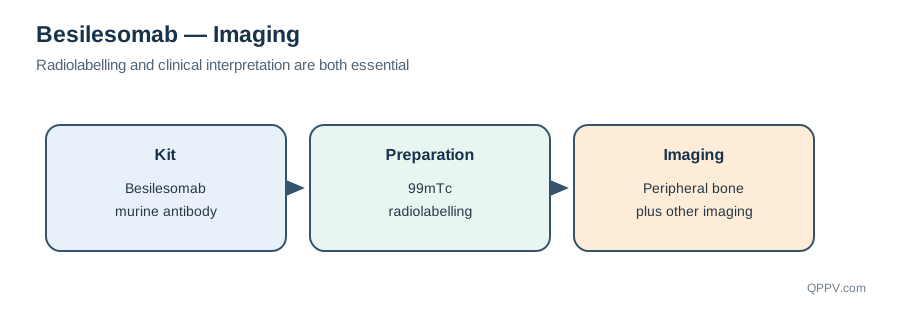
Figure 1. Besilesomab is radiolabelled before administration; image interpretation is integrated with clinical and other imaging evidence.
2.1 Diagnostic-purpose context
For an adverse-event report, preserve the suspected clinical condition that prompted imaging, the scan's purpose and result, and subsequent diagnostic conclusions. A positive or negative scan is not itself an adverse reaction. The diagnostic workflow is part of the exposure history, while suspected harm should be captured as a clinical event with appropriate evidence.
3. Safety profile and special immunogenicity considerations
3.1 Hypersensitivity and prior mouse-antibody exposure
Because besilesomab is murine, hypersensitivity and pre-existing or treatment-induced human anti-mouse antibodies (HAMA) are clinically relevant.[2] The current product information contains contraindications and precautions related to allergy to besilesomab or other mouse antibodies and to HAMA. Follow the current SmPC for screening, repeat exposure and any interval requirements; do not infer eligibility from an incomplete history.
A case review should capture previous exposure to mouse-derived antibodies or murine radiopharmaceuticals, known HAMA results, allergy history, symptom chronology and treatment. Repeated exposure can alter immunogenicity and may affect both safety and interpretation. The treating team should determine clinical suitability under the current label.
3.2 Radiation and radiopharmaceutical risks
A radiopharmaceutical combines the antibody product and radioactive isotope. Record the radiopharmacy preparation, 99mTc activity, batch details, administration time, route, quality controls and any deviation where available. Radiation exposure, handling incidents and preparation errors may require separate clinical, quality or radiation-protection processes according to applicable requirements. Do not conflate a preparation deviation with a patient adverse reaction, but preserve the linkage if an event occurred.
3.3 Interpreting suspected events
Possible symptoms after administration may reflect hypersensitivity, the underlying infection or inflammation, co-morbidity, concomitant treatment or an unrelated condition. Event onset relative to injection, vital signs, examination, treatment and outcome support clinical evaluation. Record imaging findings separately from symptoms and diagnosis, then retain the clinician's interpretation.
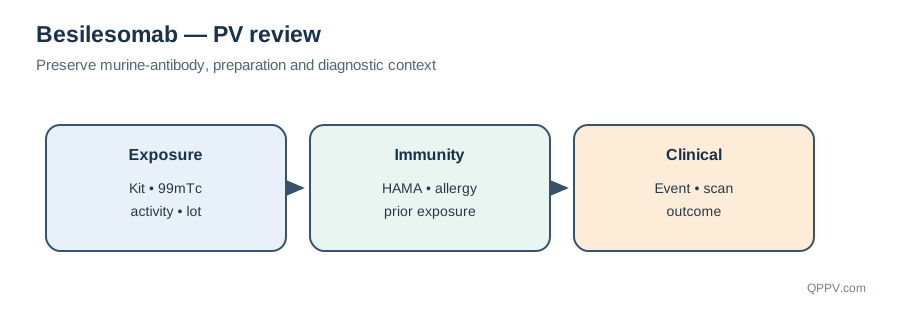
Figure 2. Besilesomab case review should connect murine-antibody history, radiolabelling and administration, the clinical event and diagnostic interpretation.
4. Product-specific follow-up and operational evidence
For a suspected reaction or technical incident, collect:
- Scintimun kit identity, batch/lot, preparation date/time and 99mTc activity.
- Route, administration date/time, radiopharmaceutical release and quality-control records.
- Allergy history, previous murine antibody exposure and HAMA status where available.
- Suspected osteomyelitis site, clinical presentation, other imaging and diagnostic conclusion.
- Event onset, signs, investigations, seriousness, treatment and outcome.
- Pregnancy or breastfeeding information when relevant under the current product information and radiopharmaceutical procedures.
- Any preparation, handling or administration deviation and related quality/radiation-protection documentation.
Do not turn this list into an unsupported legal checklist. It is an operational approach to preserve evidence needed for a clinically meaningful assessment. Apply applicable EU reporting requirements and local radiopharmacy and radiation-protection procedures.
5. Aggregate review and quality interfaces
Aggregate review should separate biological reactions such as hypersensitivity from imaging interpretation issues and radiopharmacy deviations. For suspected loss of diagnostic performance, assess whether the issue concerns patient selection, HAMA, image acquisition, labelling quality, timing or interpretation. Do not count a discordant image as a drug safety event without a relevant clinical safety concern.
Pharmacovigilance, nuclear medicine, radiopharmacy, diagnostic imaging, quality assurance and radiation-protection functions may hold complementary records. A controlled interface can help reconcile product identity, prepared activity, release checks, administration and clinical outcome. The MAH remains responsible for its PV system and applicable reporting obligations; local clinical services retain their treatment and operational responsibilities.
Inspection readiness depends on traceability from kit to radiolabelled preparation and patient administration, along with clear case processing and follow-up decisions. Common weaknesses include confusing besilesomab with a therapeutic antibody, omitting HAMA or prior murine exposure, treating the scan as a definitive standalone test, failing to distinguish an adverse event from an imaging discrepancy, and leaving preparation details outside the safety narrative.
6. Key takeaways
Besilesomab is a murine anti-NCA-95 antibody used as a 99mTc-labelled diagnostic radiopharmaceutical. Its current EU indication concerns suspected peripheral-bone osteomyelitis in adults and requires interpretation alongside other imaging modalities. Hypersensitivity, prior mouse-antibody exposure, HAMA, isotope preparation and diagnostic context all affect safe use and meaningful pharmacovigilance.
A useful case record connects the kit and prepared radiopharmaceutical to administration, clinical event, scan interpretation and outcome. Current Scintimun product information governs present use.
References
- European Medicines Agency. Scintimun: European Public Assessment Report. Current authorisation status, indication, active substance and public assessment. Accessed 23 September 2026.
- European Medicines Agency. Scintimun: product information. Current preparation, diagnostic indication, contraindications, warnings and adverse reactions. Accessed 23 September 2026.
- European Medicines Agency. Scintimun public summary. Public explanation of the medicine and assessment.
- European Medicines Agency. GVP: Product- or Population-Specific Considerations II—Biological medicinal products. Product identification and traceability considerations.
- European Medicines Agency. GVP Module VI: Collection, management and submission of reports of suspected adverse reactions. Current module and addenda.
- European Commission. Commission Implementing Regulation (EU) No 520/2012. EU pharmacovigilance requirements, as amended.
Regulatory Note
This educational article describes the current EU-authorised diagnostic use of Scintimun as checked on 23 September 2026. Product information, authorisation status and radiopharmaceutical procedures may change. Confirm the latest EMA SmPC and applicable clinical, radiopharmacy and radiation-protection requirements before use or regulatory assessment.