Bezlotoxumab: Mechanism, EU Use and Pharmacovigilance
Bezlotoxumab is an adjunctive antibody used to reduce the risk of recurrent C. difficile infection; it does not replace antibacterial treatment.
- Bezlotoxumab: Mechanism, EU Use and Pharmacovigilance
1. Bezlotoxumab's role in recurrent infection
Bezlotoxumab is a fully human IgG1 monoclonal antibody that binds Clostridioides difficile toxin B. It is used as an adjunct to antibacterial treatment of an active C. difficile infection (CDI) to reduce the risk of another episode in adults and children aged 1 year and older who are at high risk of recurrence. It is not an antibacterial drug and is not a substitute for appropriate CDI treatment.
This distinction shapes both clinical interpretation and pharmacovigilance. A recurrence after infusion is not, by itself, evidence that bezlotoxumab caused harm or that the antibody has failed in an individual patient. The underlying infection, host risk, antibiotic exposure, microbiome disruption and competing diagnoses all matter. The label indication is prevention of recurrence in a defined treatment context, not acute symptom relief or eradication of the organism.
Zinplava received an EU marketing authorisation on 18 January 2017. The latest EMA product record continues to provide current EU product information. For present clinical and regulatory assessments, use that current information and distinguish the antibody exposure from the antibiotic regimen and the CDI episode being treated.[1,2]
2. Toxin neutralisation and clinical sequence
C. difficile produces toxins that injure intestinal cells and drive inflammation and diarrhoea. Bezlotoxumab binds toxin B and prevents its interaction with host cells. The antibody therefore targets a toxin-mediated component of disease; it does not directly kill C. difficile, bind toxin A or restore the microbiome.
The treatment sequence is important: identify and treat active CDI with an appropriate antibacterial medicine, then administer bezlotoxumab as a single intravenous infusion during the antibacterial course according to the current label. It is intended for patients at increased risk of recurrence, a decision informed by clinical risk factors and the label rather than a universal requirement to treat every CDI episode.
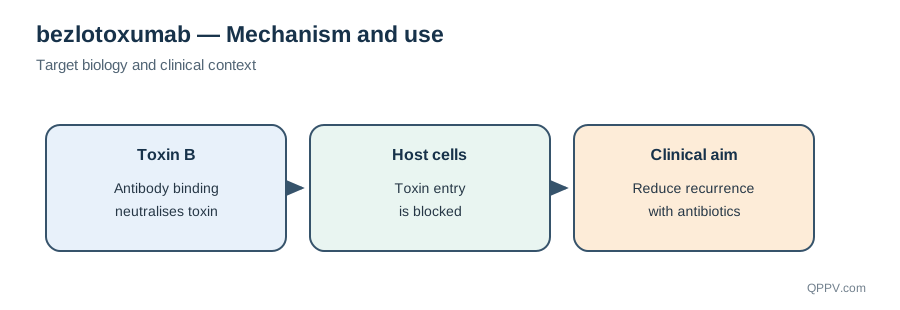
Figure 1. Bezlotoxumab binds toxin B as an adjunctive recurrence-prevention strategy; it is not antimicrobial treatment and does not neutralise toxin A.
2.1 Recurrence is a patient-and-treatment outcome
A later diarrhoeal episode may represent recurrent CDI, another cause of diarrhoea, persistent symptoms, a new infection or a different gastrointestinal condition. Case assessment should retain the clinician's diagnosis and supporting microbiological and clinical evidence. A positive test alone may require interpretation in context, because laboratory detection and symptomatic disease are not identical.
3. Safety profile and case-level assessment
3.1 Infusion reactions and hypersensitivity
The product information identifies infusion-related reactions and hypersensitivity as safety considerations. Record onset relative to infusion, symptoms, observations, infusion rate, any interruption, treatment and outcome. Symptoms such as nausea, headache, dizziness, fever or rash may have several explanations in a patient receiving antibiotics and recovering from acute infection. Preserve the clinician's assessment and avoid assigning a severe allergy diagnosis without supporting evidence.
3.2 Heart failure context
The EU product information warns about use in patients with a history of congestive heart failure (CHF). In clinical-trial data, heart-failure events and deaths were more frequent in the bezlotoxumab group than in the placebo group among patients with a history of CHF; in the overall population, the balance differed. This subgroup observation is a label-based caution, not proof that any individual cardiac event was caused by the antibody.[2]
A useful report includes prior CHF, baseline symptoms and functional status where known, cardiac medicines, fluid status, acute infection severity, renal function, timing of infusion, new symptoms, investigations, treatment and outcome. Infection, sepsis, age and comorbidity can all contribute to decompensation.
4. Exposure reconstruction and follow-up
A clinically useful case narrative connects recurrence-prevention treatment with the infection course and other medicines. Seek, where available:
- Bezlotoxumab product, batch/lot, dose, infusion date/time and infusion details.
- CDI episode number and dates, symptoms, diagnostic tests and clinical diagnosis.
- Antibacterial treatment, dose and dates, and any other CDI-directed therapy.
- Risk factors for recurrence, relevant gastrointestinal history and immune status.
- For infusion or hypersensitivity events: onset, vital signs, intervention and outcome.
- For heart-failure events: previous CHF, baseline status, cardiac findings and competing contributors.
- Recurrence or persistent diarrhoea: interval after initial episode, repeat testing, alternate diagnosis and outcome.
Use follow-up proportionate to the clinical importance and available sources. Missing strain or toxin data should be described as unavailable, not inferred. Seriousness, expectedness and individual causality remain separate assessments under applicable EU procedures.
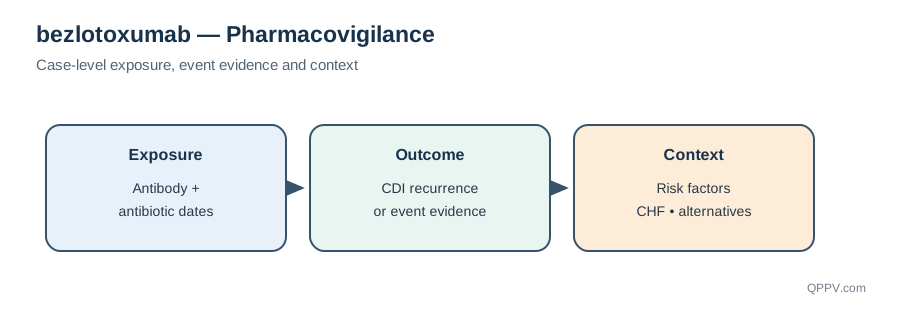
Figure 2. Assessment links the antibody infusion to the antibiotic course, CDI recurrence evidence and the patient's cardiac and clinical context.
5. Aggregate review, governance and learning
Aggregate review should distinguish initial CDI, recurrence, persistent symptoms and adverse reactions. Stratify or otherwise consider age, prior episodes, risk factors, antibiotic regimen, infusion timing and CHF history where data permit. Spontaneous-report counts cannot establish recurrence rates or efficacy because reports lack a reliable exposure denominator and are subject to reporting bias.
The marketing authorisation holder's PV system should retain traceable intake, medical review, coding, follow-up, submission and aggregate-evaluation records under applicable requirements. The QPPV oversees the system; clinical teams remain responsible for patient management. Inspection-ready evidence shows what product and antibiotics were received, how a recurrence or adverse event was defined, what data were missing and how conclusions were reached.
Common weaknesses include presenting bezlotoxumab as active CDI therapy, omitting the concurrent antibiotic, treating any later diarrhoea as confirmed recurrence, and overlooking CHF history when evaluating a cardiac event.
6. Key takeaways
Bezlotoxumab is an anti-toxin B antibody used with antibacterial treatment to reduce CDI recurrence in selected high-risk patients. It does not treat the infection alone. Case assessment should reconstruct the CDI timeline, testing, antibiotic exposure, infusion event and recurrence evidence, while giving particular attention to the labelled CHF caution.
References
- European Medicines Agency. Zinplava: European Public Assessment Report. EU authorisation date, current product record and medicine overview. Accessed 24 September 2026.
- European Medicines Agency. Zinplava: EU product information. Indication, posology, infusion precautions, CHF warning and adverse reactions. Accessed 24 September 2026.
- European Medicines Agency. Zinplava public assessment report. Antibody mechanism and original scientific assessment.
- European Medicines Agency. GVP Module VI: Collection, management and submission of reports of suspected adverse reactions. Apply the current module and addenda.
- European Commission. Commission Implementing Regulation (EU) No 520/2012. EU pharmacovigilance requirements, as amended.
Regulatory Note
This educational article does not replace the current EU Summary of Product Characteristics, applicable legislation, regulatory guidance or clinical judgement. Confirm current product information when making a clinical or regulatory decision. Bezlotoxumab is used as an adjunct to antibacterial treatment for recurrence prevention; it is not a treatment for active CDI by itself.