Crizanlizumab: Classification, History, Mechanism of Action, Safety and Pharmacovigilance
Crizanlizumab is a humanised monoclonal antibody against P-selectin used to reduce vaso-occlusive crises in sickle cell disease. Unlike treatments directed primarily at haemoglobin polymerisation, erythrocyte production or fetal-haemoglobin induction, crizanlizumab acts on the adhesive interactions between blood cells and the vascular endothelium that contribute to microvascular obstruction.
Its pharmacovigilance is important for a second reason. The molecule illustrates how the benefit-risk profile of a biological can change when confirmatory evidence does not reproduce the efficacy suggested by earlier studies. The European Union granted conditional authorisation in 2020 and revoked that authorisation in 2023 after the confirmatory STAND trial failed to confirm clinical benefit. In the United States, however, crizanlizumab remains licensed; FDA records and structured product labeling remained current in 2026. The medicine therefore provides a practical example of regional regulatory divergence arising from the same evolving evidence base.
- Crizanlizumab: Classification, History, Mechanism of Action, Safety and Pharmacovigilance
- Multidimensional classification
- Sickle cell vaso-occlusion and the role of adhesion
- Mechanism of action
- Development and early efficacy evidence
- Confirmatory evidence and regulatory divergence
- Safety framework
- Infusion-related reactions
- Laboratory interference: apparent thrombocytopenia
- Clinical-trial safety evidence
- Pregnancy and developmental risk
- Concomitant hydroxyurea and disease-modifying therapy
- Lack of efficacy as a pharmacovigilance problem
- Regional regulatory status as a safety-data variable
- Benefit-risk interpretation
- Pharmacovigilance case assessment
- Signal detection and aggregate review
- Periodic benefit-risk evaluation
- Risk management and operational controls
- Potential failure modes
- Inspection and governance perspective
- Practical checklist
- Key Takeaways
- References
- Regulatory Note
Multidimensional classification
| Classification axis | Crizanlizumab classification | Scientific or PV significance |
|---|---|---|
| Molecular format | Humanised IgG2 kappa monoclonal antibody | Full-length systemic biological with repeated intravenous exposure |
| Target | P-selectin | Interrupts adhesive interactions involving endothelium, platelets and circulating blood cells |
| Functional class | Selectin blocker / anti-adhesion therapy | Modifies vaso-occlusive biology without directly correcting the haemoglobin mutation |
| Disease setting | Sickle cell disease | Background pain crises, acute chest syndrome, haemolysis and vascular complications complicate causality assessment |
| Route | Intravenous infusion | Infusion chronology is central to assessment of acute pain and infusion-related reactions |
| Current U.S. status | Licensed for reduction of vaso-occlusive crises in patients aged 16 years and older | Current U.S. labeling remains relevant to product-specific PV |
| EU status | Marketing authorisation revoked in August 2023 | Lifecycle and lack-of-efficacy evidence must be reflected in regulatory-status statements |
| Distinctive PV issue | Interference with automated platelet counts | Apparent thrombocytopenia may be an analytical artefact rather than a true clinical event |
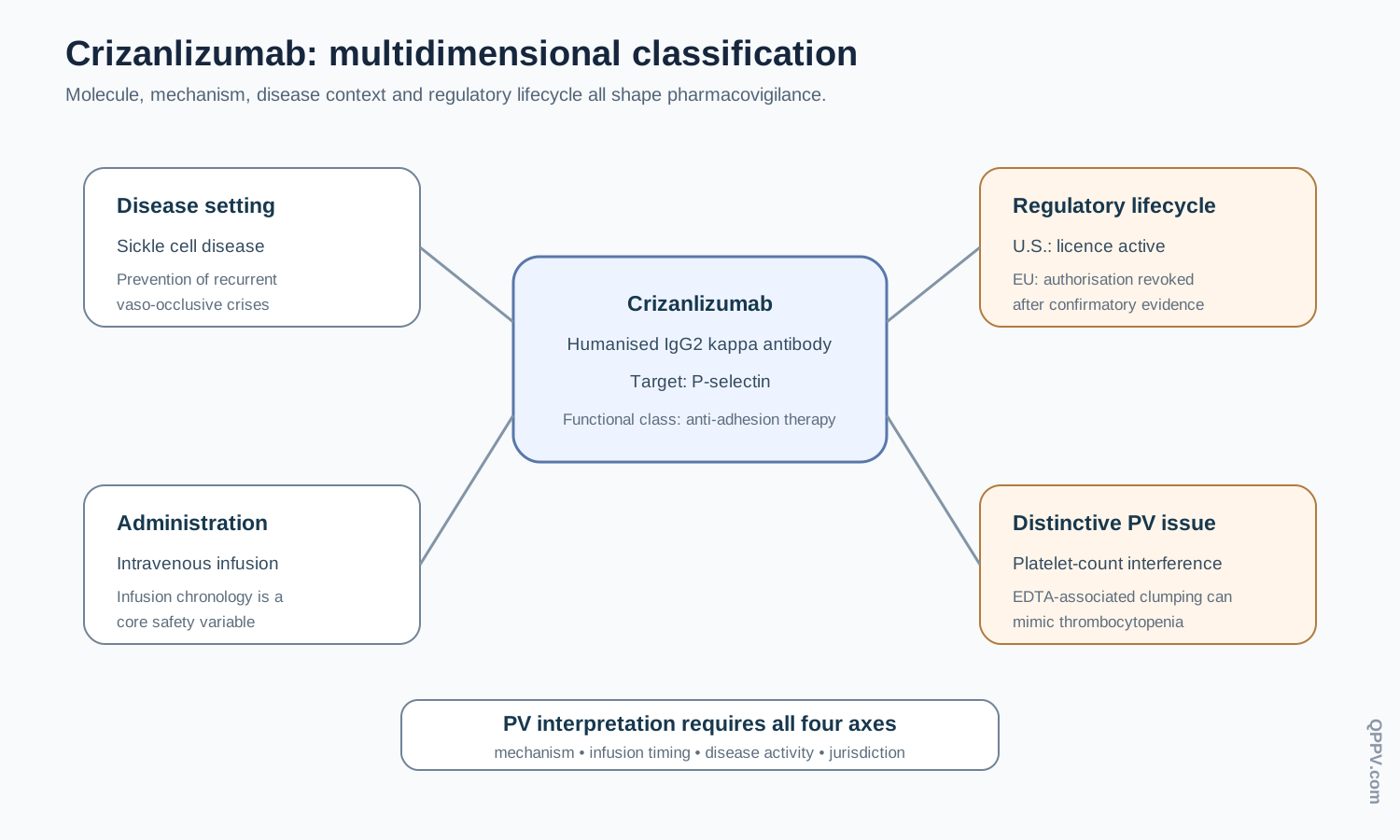
Figure 1. Crizanlizumab is best understood across several simultaneous axes: an anti-P-selectin antibody, a systemic anti-adhesion therapy for sickle cell disease, an intravenously administered biological and a medicine with divergent current regulatory status between major regions.
Sickle cell vaso-occlusion and the role of adhesion
Sickle cell disease begins with an abnormal haemoglobin molecule, but a vaso-occlusive crisis is not explained by red-cell shape alone. Deoxygenated sickle haemoglobin polymerises, making erythrocytes less deformable. Repeated sickling also damages cell membranes and contributes to haemolysis, endothelial activation, inflammation and abnormal interactions among erythrocytes, leukocytes, platelets and the vessel wall.
P-selectin is one of the adhesion molecules involved in this process. It is expressed on activated endothelial cells and platelets. Its ligands include P-selectin glycoprotein ligand 1 (PSGL-1) on leukocytes and related binding partners on other circulating cells. P-selectin therefore acts like a molecular docking interface that slows and captures cells along the vascular surface. In sickle cell disease, exaggerated adhesive interactions can contribute to the multicellular obstruction that precedes tissue ischaemia and pain.
This distinction matters pharmacologically. Crizanlizumab does not prevent formation of sickle haemoglobin, replace abnormal erythrocytes or directly increase fetal haemoglobin. It targets one component of the vascular adhesion phase of vaso-occlusion.
Mechanism of action
Crizanlizumab binds P-selectin and blocks interaction with its ligands, including PSGL-1. By doing so, it reduces P-selectin-mediated adhesion among activated endothelium, platelets and circulating blood cells.
The expected downstream effect is not immediate dissolution of an established thrombus. Instead, blockade reduces the probability that adhesive cell-cell and cell-endothelium interactions will progress toward microvascular obstruction. This is why the therapeutic endpoint has been the frequency of vaso-occlusive crises over time, rather than an acute reversal of a crisis already in progress.
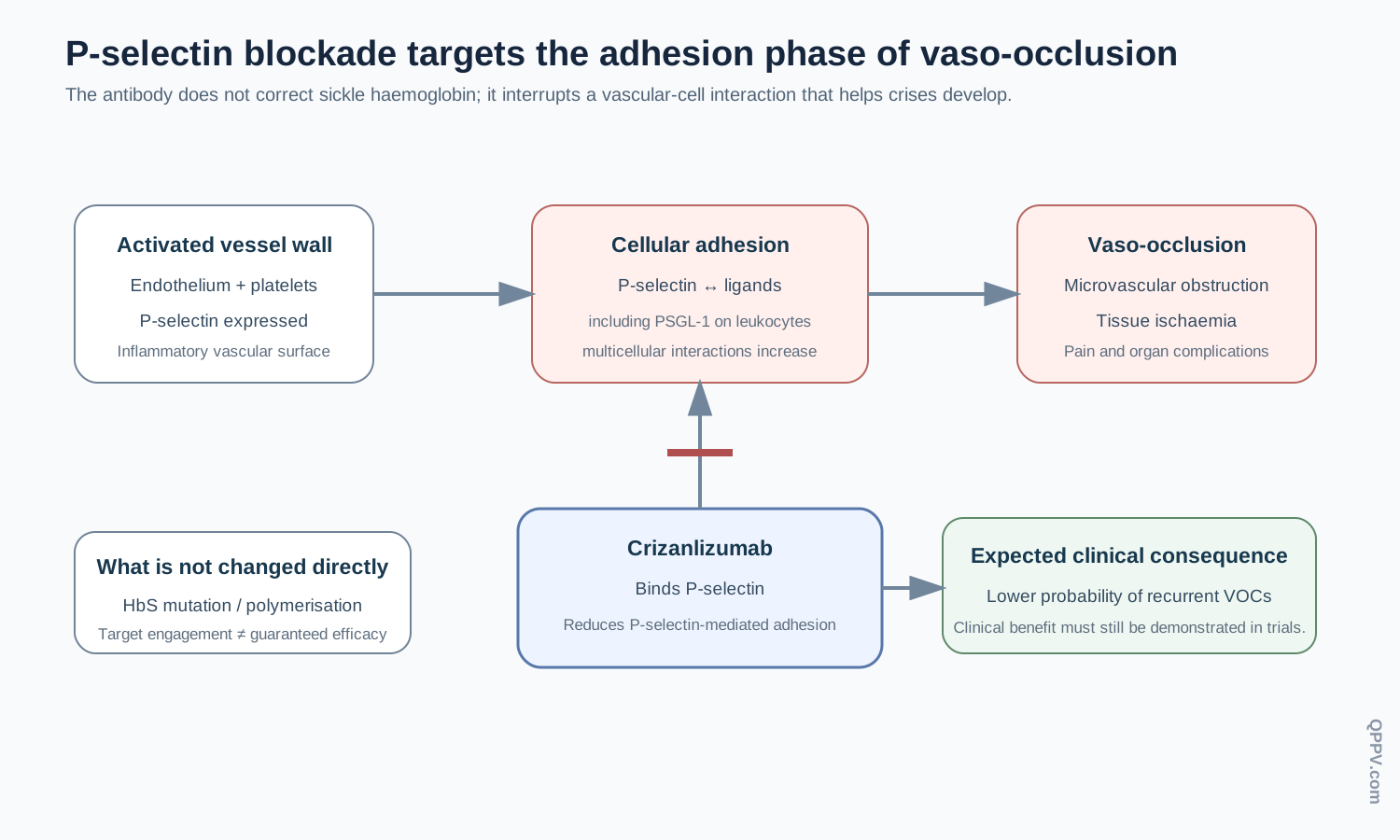
Figure 2. P-selectin promotes adhesion between activated vascular surfaces and circulating cells. Crizanlizumab blocks this interaction, reducing one mechanistic pathway that contributes to multicellular vaso-occlusion in sickle cell disease.
Development and early efficacy evidence
The pivotal phase II SUSTAIN study compared crizanlizumab with placebo in patients with sickle cell disease who had recurrent pain crises. The 5 mg/kg regimen produced a lower median annual rate of sickle-cell-related pain crises than placebo and prolonged the median time to first crisis. Those findings established clinical plausibility for chronic P-selectin blockade and supported subsequent regulatory development.
The United States approved crizanlizumab in November 2019 to reduce the frequency of vaso-occlusive crises in adults and paediatric patients aged 16 years and older with sickle cell disease. The European Union granted a conditional marketing authorisation in October 2020 for prevention of recurrent vaso-occlusive crises in patients aged 16 years and older.
The EU authorisation was conditional because the available evidence was considered sufficient for earlier access but incomplete. A confirmatory study was therefore central to the lifecycle evidence package. That distinction becomes critical when interpreting what happened next.
Confirmatory evidence and regulatory divergence
The phase III STAND trial compared crizanlizumab 5 mg/kg, crizanlizumab 7.5 mg/kg and placebo. The primary endpoint was the annualised rate of vaso-occlusive crises leading to a healthcare visit. The study did not show the expected reduction versus placebo at the authorised 5 mg/kg dose, and the higher dose also did not establish superiority on the primary analysis.
EMA reviewed the confirmatory findings together with other available evidence and concluded that the clinical benefit was no longer established. The European Commission consequently revoked the EU marketing authorisation on 3 August 2023.
The United States took a different regulatory path. FDA approved a supplemental application incorporating STAND efficacy and safety data into updated labeling, and current FDA sources in 2026 continue to list crizanlizumab as an active licensed biological. This is not a contradiction that pharmacovigilance should try to erase. It is a concrete example of how different regulators can reach different benefit-risk or regulatory conclusions from an evolving evidence base.
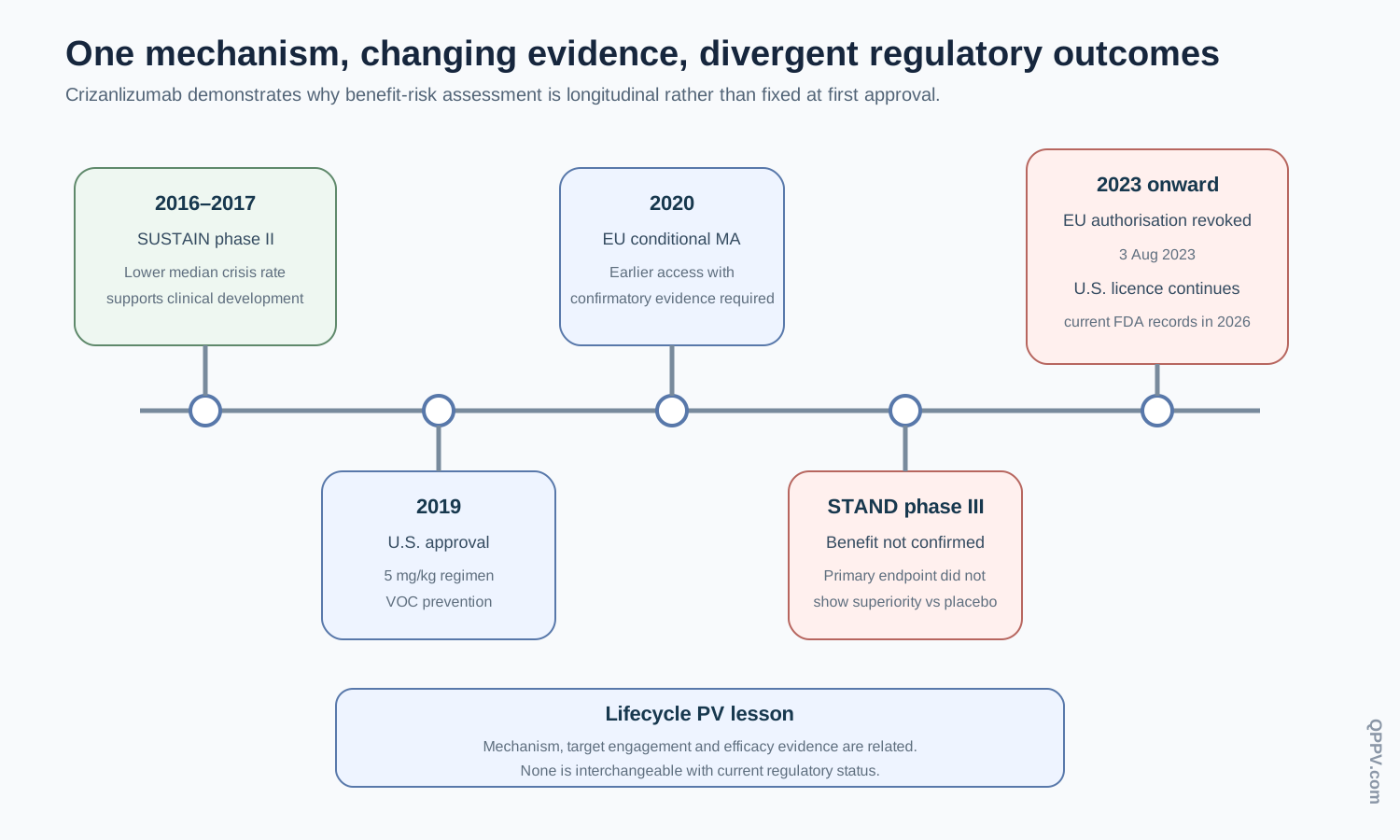
Figure 3. Early efficacy evidence supported approval, but the confirmatory STAND trial did not reproduce the expected benefit. The resulting lifecycle diverged: EU authorisation was revoked, while current U.S. licensing continued with updated labeling.
Safety framework
Crizanlizumab safety cannot be interpreted independently of sickle cell disease. Pain, fever, chest symptoms, anaemia, thrombocytopenia, acute chest syndrome, infection and hospitalisation may all occur as part of the underlying disease or its complications. The central pharmacovigilance task is therefore to preserve enough chronology and clinical detail to determine whether an event is more consistent with background disease, treatment administration, target pharmacology, laboratory interference or another medicine.
The current U.S. prescribing information places particular emphasis on infusion-related reactions and interference with automated platelet counts. These risks are operationally important because each can be confused with a clinically important manifestation of sickle cell disease.
Infusion-related reactions
Infusion-related reactions can occur during or within 24 hours of administration. Reported manifestations include pain in different body areas, nausea, vomiting, fatigue, dizziness, pruritus, diarrhoea, pyrexia and other systemic symptoms. Some reactions have required hospitalisation, and the current U.S. label notes that most occurred during the first or second infusion.
The difficult feature is that an infusion-related reaction may overlap clinically with a vaso-occlusive crisis. Pain occurring during an infusion, for example, could represent an infusion-related reaction, an evolving spontaneous crisis, or both. Current U.S. labeling explicitly recognises that the two may be indistinguishable and may occur concomitantly.
Why pain requires structured assessment
For a pain event temporally associated with infusion, high-value information includes:
- whether pain began before, during or after the infusion;
- the anatomical distribution and whether it resembled the patient’s usual vaso-occlusive crises;
- associated fever, rigors, nausea, pruritus, dyspnoea or hypotension;
- infusion rate and any interruption or slowing;
- treatment given for the reaction;
- whether symptoms resolved after interruption or recurred on re-exposure;
- objective evidence of a vaso-occlusive complication such as acute chest syndrome or organ ischaemia.
This structure prevents a coding choice from replacing medical assessment. A case may legitimately contain both an infusion-related reaction and a vaso-occlusive crisis if the clinical evidence supports both concepts.
Management information as a PV variable
Current U.S. product information recommends discontinuation of the infusion and appropriate medical management for severe infusion-related reactions; mild or moderate reactions may be managed by interrupting or slowing the infusion and providing symptomatic treatment. The label also advises caution with corticosteroids in sickle cell disease unless clinically indicated, because systemic corticosteroid use can increase the risk of complications including acute chest syndrome and fat embolism.
For pharmacovigilance, treatment given for an infusion reaction is therefore not merely an outcome detail. It can materially affect subsequent clinical events and should be captured when relevant.
Laboratory interference: apparent thrombocytopenia
Crizanlizumab can cause platelet clumping in blood samples, particularly when samples are collected in tubes containing EDTA. Automated analysers may consequently return an unevaluable or falsely decreased platelet count.
This is a laboratory interference effect, not evidence that every low platelet result represents biological thrombocytopenia. The distinction is clinically important because true thrombocytopenia in a patient with sickle cell disease may have other serious causes, including infection, splenic sequestration, consumptive processes, hepatic disease or concomitant treatment.
Current U.S. labeling recommends testing the sample promptly or collecting blood in citrate-containing tubes; a peripheral blood smear can also help estimate platelet count when needed. A good safety case should therefore ask whether a reported low platelet count was repeated using an appropriate method and whether platelet clumping was observed.
Pharmacovigilance consequence
A spontaneous report of “thrombocytopenia after crizanlizumab” should not be accepted at face value if the only evidence is an automated EDTA-based platelet count. The case should retain both possibilities until follow-up clarifies whether the result reflects true thrombocytopenia or analytical interference.
This is a broader biological-product lesson: a medicine can affect the measurement process as well as the patient. Signal detection systems that analyse laboratory terms without understanding assay interference may generate misleading safety patterns.
Clinical-trial safety evidence
In SUSTAIN, the commonly reported adverse events included symptoms such as arthralgia, diarrhoea, pruritus, vomiting and chest pain. Current U.S. labeling, which incorporates both SUSTAIN and STAND data, lists headache, arthralgia, nausea, back pain, fatigue, abdominal pain, pyrexia, diarrhoea, vomiting and oropharyngeal pain among common adverse reactions.
These frequencies should not be interpreted without context. Several symptoms are common in sickle cell disease itself, and trial-event rates from one study cannot be directly transferred to a different population or used as expected background incidence in spontaneous reporting.
The STAND trial is particularly important because it changed the efficacy assessment without identifying a single new safety finding that explained the lack of clinical benefit. This illustrates why benefit-risk can change because the benefit estimate changes, even when the safety profile is broadly familiar.
Pregnancy and developmental risk
The current U.S. label states that crizanlizumab may cause fetal harm. Pregnancy exposure therefore requires careful documentation of gestational timing, dose chronology, maternal sickle cell severity, concomitant treatment, pregnancy complications, fetal monitoring and outcome.
Causality assessment is especially difficult because sickle cell disease itself increases maternal and fetal risk. A pregnancy case should therefore avoid attributing prematurity, fetal growth problems, pregnancy loss or maternal complications solely on the basis of temporal exposure. Product exposure, disease severity and obstetric factors all need to be reconstructed.
Concomitant hydroxyurea and disease-modifying therapy
Crizanlizumab has been studied both with and without hydroxyurea. Concomitant treatment is therefore part of the exposure context rather than a minor medication-history detail. Hydroxyurea changes crisis frequency, haematological parameters and disease trajectory; other contemporary sickle cell therapies may also alter baseline risk.
For individual cases and aggregate analyses, important variables include hydroxyurea use, adherence, recent transfusion, other disease-modifying therapy, baseline crisis frequency and changes in supportive care. Without these data, apparent lack of efficacy or changes in crisis frequency are difficult to interpret.
Lack of efficacy as a pharmacovigilance problem
Crizanlizumab’s regulatory history demonstrates why lack of efficacy is not merely a commercial or clinical-development issue. In a medicine intended to prevent recurrent vaso-occlusive crises, failure to prevent expected events can directly affect benefit-risk assessment.
A single breakthrough crisis does not by itself establish treatment failure. Sickle cell disease remains variable, and no preventive treatment eliminates all crises. Useful lack-of-efficacy assessment therefore asks whether the event represents the patient’s expected residual disease burden or a meaningful pattern such as increased crisis frequency, repeated hospitalisation despite adherent dosing or failure after an initially stable period.
At aggregate level, the question becomes whether observed clinical outcomes remain consistent with the efficacy evidence supporting authorisation. The EU lifecycle shows that confirmatory data can answer that question differently from the initial evidence package.
Regional regulatory status as a safety-data variable
Crizanlizumab should not be described globally as either simply “approved” or simply “withdrawn.” As of September 2026, current FDA sources continue to identify an active U.S. biologics licence, while the EU marketing authorisation was revoked in 2023.
This distinction matters operationally. Regulatory status affects which product information applies, whether new prescribing is possible, which risk-minimisation measures are relevant and how aggregate reports describe exposure. Global safety systems should preserve region and exposure date so historical EU use is not confused with current authorised U.S. use.
Benefit-risk interpretation
The most instructive feature of crizanlizumab is the separation between mechanistic plausibility, early clinical efficacy and confirmatory clinical benefit. P-selectin remains biologically relevant to vaso-occlusion, and pharmacodynamic target engagement can occur even if a later clinical trial does not reproduce the expected patient-level benefit.
Mechanism therefore cannot substitute for clinical outcome evidence. Conversely, failure of a confirmatory efficacy trial does not mean the molecular mechanism was imaginary. Pharmacovigilance and regulatory assessment must integrate both levels of evidence without collapsing one into the other.
Pharmacovigilance case assessment
A useful crizanlizumab case reconstruction combines dose chronology, crisis phenotype, infusion context, laboratory method and regional regulatory status. These variables distinguish several clinically different situations that can otherwise be represented by similar adverse-event terms.
Event-specific follow-up priorities
| Event or issue | High-value follow-up information |
|---|---|
| Pain during or after infusion | Dose number, timing from infusion, anatomical pattern, resemblance to usual VOCs, associated systemic symptoms, infusion action and response |
| Suspected infusion-related reaction | Onset, severity, pain/fever/GI/allergic features, infusion rate, interruption, supportive treatment, hospitalisation and re-exposure |
| Vaso-occlusive crisis | Baseline crisis frequency, objective complications, precipitating factors, treatment adherence, hydroxyurea/other therapy and healthcare utilisation |
| Low platelet count | Anticoagulant used in collection tube, time to analysis, platelet clumping, repeat citrate count, smear findings and bleeding phenotype |
| Pregnancy exposure | Gestational timing, exposure dates, maternal disease severity, concomitant medicines, obstetric complications and fetal/neonatal outcome |
| Lack of efficacy | Treatment duration, complete dosing history, prior and on-treatment VOC rates, missed doses, concomitant therapy and healthcare encounters |
| Acute chest syndrome | Temporal relation to VOC/infusion, imaging, oxygenation, infection evaluation, corticosteroid exposure and outcome |
Signal detection and aggregate review
Signal analyses should avoid combining mechanistically different event groups merely because they share symptoms. Pain is the clearest example. A retrieval strategy may need to capture broad pain terms to ensure sensitivity, but medical review should then distinguish infusion-associated pain, vaso-occlusive crisis, musculoskeletal pain and other causes.
Infusion-related reactions should be analysed by dose number and latency. The concentration of reactions around early infusions is clinically meaningful and can be obscured if all administrations are treated as equivalent exposure periods.
Laboratory-event analyses require an explicit strategy for platelet-count interference. Cases with automated EDTA-associated platelet clumping should be distinguishable from clinically confirmed thrombocytopenia. Otherwise, a product-related analytical effect can masquerade as a haematological safety signal.
Lack-of-efficacy analyses should be longitudinal. A single VOC is expected to have limited interpretive value; repeated crises, increasing healthcare use or failure despite verified exposure provide a stronger clinical pattern. Regional exposure should also be stratified because EU post-revocation data and current U.S. authorised use represent different regulatory contexts.
Periodic benefit-risk evaluation
Periodic benefit-risk assessment should integrate crisis prevention, serious sickle-cell complications, infusion-related reactions, laboratory interference, pregnancy data, immunogenicity where available, treatment persistence and emerging efficacy information.
Crizanlizumab illustrates why the benefit side of the equation requires the same evidentiary discipline as the risk side. A stable adverse-reaction profile does not guarantee a stable benefit-risk balance if confirmatory evidence materially changes confidence in efficacy.
When regulators reach different conclusions, global aggregate reports should describe the divergence accurately rather than imply a single worldwide status. The factual sequence—initial evidence, confirmatory evidence, regulatory review and current regional status—should be traceable.
Risk management and operational controls
Current regional product information governs administration, management of infusion-related reactions, laboratory-testing precautions and use in special populations. Operational practices should support those requirements without being presented as legal obligations in jurisdictions where they are not mandated.
Useful pharmacovigilance controls include structured capture of infusion timing, explicit differentiation of infusion reactions from VOCs, targeted follow-up for suspected platelet interference, region-specific regulatory status in aggregate reporting, and product/batch traceability for biological exposure.
Where a serious case involves platelet reduction, an operational medical-review prompt asking about EDTA sampling and repeat citrate testing can prevent analytical interference from being misclassified. Where pain occurs during infusion, follow-up should reconstruct both the infusion reaction and VOC possibilities rather than forcing an early binary classification.
Potential failure modes
The following are illustrative scenarios, not published inspection findings:
- Pain beginning during the first infusion is coded only as a vaso-occlusive crisis without documenting infusion-related symptoms or infusion management.
- A low automated platelet count is entered as severe thrombocytopenia without checking the collection tube, platelet clumping or repeat testing.
- A breakthrough VOC is labelled treatment failure without baseline crisis frequency, adherence or concomitant disease-modifying therapy.
- An aggregate report describes crizanlizumab as globally withdrawn because the EU authorisation was revoked.
- A global document describes the medicine as simply approved without acknowledging the EU revocation.
- The negative confirmatory efficacy result is treated as evidence that P-selectin is biologically irrelevant to vaso-occlusion.
- Infusion-related pain and spontaneous VOCs are pooled into one case series, obscuring temporal patterns around administration.
Inspection and governance perspective
An inspector or quality reviewer assessing a crizanlizumab pharmacovigilance process could examine whether pain and infusion events are followed up with sufficient chronology, whether apparent thrombocytopenia is medically evaluated for laboratory interference, whether lack-of-efficacy cases retain treatment and baseline-disease information, and whether aggregate reports represent regional regulatory status accurately.
The governance question is broader than case completeness. The system should be able to demonstrate that evolving efficacy evidence is incorporated into benefit-risk assessment, that regional decisions are reflected in controlled documents, and that safety-data interpretation changes when clinically relevant new evidence becomes available.
Practical checklist
For a crizanlizumab case or aggregate analysis, confirm:
- sickle cell genotype where known and baseline disease severity;
- baseline and on-treatment VOC frequency;
- exact infusion date, dose number and infusion rate;
- timing of symptoms relative to infusion;
- whether pain resembled the patient’s usual VOC phenotype;
- hydroxyurea and other disease-modifying therapy;
- serious sickle-cell complications and objective investigations;
- for low platelet counts, collection tube, analysis timing, clumping and repeat testing;
- pregnancy timing and maternal disease context where relevant;
- treatment adherence and exposure duration for lack-of-efficacy reports;
- country/region and applicable regulatory status;
- exact biological product and batch where available.
Key Takeaways
Crizanlizumab is a humanised IgG2 kappa monoclonal antibody that blocks P-selectin-mediated cellular adhesion, targeting one component of the multicellular vaso-occlusive process in sickle cell disease.
Its pharmacovigilance requires unusually careful distinction between infusion-related pain and vaso-occlusive crisis, and between true thrombocytopenia and automated platelet-count interference. These distinctions depend on chronology and objective follow-up rather than adverse-event terminology alone.
The medicine is also an important lifecycle case study. Early efficacy evidence supported U.S. approval and EU conditional authorisation, but the confirmatory STAND study did not verify the expected clinical benefit. The EU authorisation was subsequently revoked, while the U.S. biologics licence remains active. Mechanistic plausibility, pharmacodynamic activity, clinical efficacy and regulatory status are therefore related but not interchangeable forms of evidence.
References
- U.S. Food and Drug Administration. Purple Book: crizanlizumab-tmca, BLA 761128. Original U.S. approval 15 November 2019; current licensed biological record. https://purplebooksearch.fda.gov/index.cfm?blaNo=761128&event=productdetails
- U.S. Food and Drug Administration / DailyMed. Crizanlizumab current U.S. prescribing information. Includes infusion-related reactions, automated platelet-count interference and current indication. https://dailymed.nlm.nih.gov/dailymed/drugInfo.cfm?setid=b2b7f8b4-fe9a-4a86-8129-9e43f99a20c6
- European Medicines Agency. Crizanlizumab: EPAR. Conditional EU marketing authorisation issued 28 October 2020; marketing authorisation revoked 3 August 2023. https://www.ema.europa.eu/en/medicines/human/EPAR/adakveo
- European Medicines Agency. Crizanlizumab referral: recommendation to revoke the marketing authorisation after STAND failed to confirm clinical benefit. 2023. https://www.ema.europa.eu/en/medicines/human/referrals/adakveo
- Ataga KI, Kutlar A, Kanter J, et al. Crizanlizumab for the prevention of pain crises in sickle cell disease. N Engl J Med. 2017;376:429-439. doi:10.1056/NEJMoa1611770.
- Abboud MR, Cançado RD, de Montalembert M, et al. Crizanlizumab with or without hydroxyurea in patients with sickle cell disease (STAND): primary analyses from a placebo-controlled, randomised, double-blind, phase 3 trial. Lancet Haematol. 2025;12:e248-e257. doi:10.1016/S2352-3026(24)00384-3.
- Kanter J, Mennito S, Nair SM, et al. Pharmacokinetics, pharmacodynamics, safety, and efficacy of crizanlizumab in patients with sickle cell disease: final results from the phase II SOLACE-adults study. Ther Adv Hematol. 2024;15:20406207241292508. doi:10.1177/20406207241292508.
Regulatory Note
Crizanlizumab has different current regulatory status across regions. The European Commission revoked the EU marketing authorisation on 3 August 2023 after confirmatory evidence did not establish the expected clinical benefit. As of September 2026, current FDA Purple Book and structured-label records continue to identify an active U.S. biologics licence and prescription labeling. This article explains the scientific and pharmacovigilance framework and does not replace current regional product information or specialist sickle-cell guidance. Regulatory status was checked against FDA and EMA sources current in September 2026.