Darbepoetin alfa is an erythropoiesis-stimulating agent (ESA) used to increase red-cell production in selected patients with symptomatic anaemia. Its pharmacology is built on the same receptor system as endogenous erythropoietin, but its molecular design deliberately changes glycosylation so that the molecule remains in the circulation longer. That apparently simple modification has important consequences for dosing, efficacy, safety assessment and product pharmacovigilance.
The product is also a useful teaching model because the history of ESAs demonstrates a central principle of benefit-risk assessment: correcting a laboratory abnormality more completely does not necessarily improve clinical outcomes. In chronic kidney disease, haemoglobin can be increased with an ESA, yet trials of more intensive correction showed cardiovascular harm without the hoped-for outcome benefit. In oncology, the class history similarly showed that reducing transfusion requirements must be balanced against thromboembolic risk and concerns about survival or tumour outcomes in settings outside carefully defined indications.
In the European Union, Aranesp is authorised for treatment of symptomatic anaemia associated with chronic renal failure in adults and paediatric patients, and for treatment of symptomatic anaemia in adults with non-myeloid malignancies receiving chemotherapy. The medicine was authorised in the EU on 8 June 2001. The current EU product information was updated in January 2026.
Table of Contents
- Product identity and classification
- Molecular classification
- Therapeutic classification
- Why darbepoetin is not simply "long-acting epoetin"
- Development history
- From recombinant erythropoietin to glycoengineering
- Regulatory development
- Erythropoietin physiology and anaemia
- Kidney oxygen sensing and endogenous EPO
- Why anaemia develops in chronic kidney disease
- Why chemotherapy-associated anaemia is different
- Molecular design and mechanism of action
- Hyperglycosylation and prolonged persistence
- EPO receptor signalling
- What the mechanism does not mean
- Clinical use and benefit-risk boundaries
- Chronic renal failure
- Cancer patients receiving chemotherapy
- Why haemoglobin targets matter
- Safety profile and major risk domains
- Hypertension, thrombosis and stroke
- Cancer-related mortality and tumour-progression concerns
- Pure red cell aplasia
- Severe cutaneous adverse reactions
- Hypersensitivity and seizures
- Product pharmacovigilance
- Case assessment
- Lack of response and differential diagnosis
- Traceability, medication error and device issues
- Signal and aggregate assessment
- Practical assessment framework
- Key Takeaways
- References
- Regulatory Note
Product identity and classification
Darbepoetin alfa is marketed as Aranesp. It is a recombinant glycoprotein produced using recombinant DNA technology in Chinese hamster ovary cells. It belongs to the ESA class but is structurally distinct from endogenous erythropoietin and recombinant human erythropoietin products.
Molecular classification
Several classifications are simultaneously relevant:
| Dimension | Darbepoetin alfa | Why it matters |
|---|---|---|
| Modality | Recombinant therapeutic glycoprotein | Establishes biological-product traceability and immunogenicity considerations |
| Functional family | Erythropoiesis-stimulating agent | Places the product within the ESA safety and efficacy evidence base |
| Receptor target | Erythropoietin receptor (EPOR) | Explains its direct mechanism in erythroid progenitor cells |
| Molecular engineering | Hyperglycosylated EPO analogue | Explains its longer persistence relative to recombinant human EPO |
| Therapeutic purpose | Correction/control of selected symptomatic anaemia | Defines the clinical objective and limits of treatment |
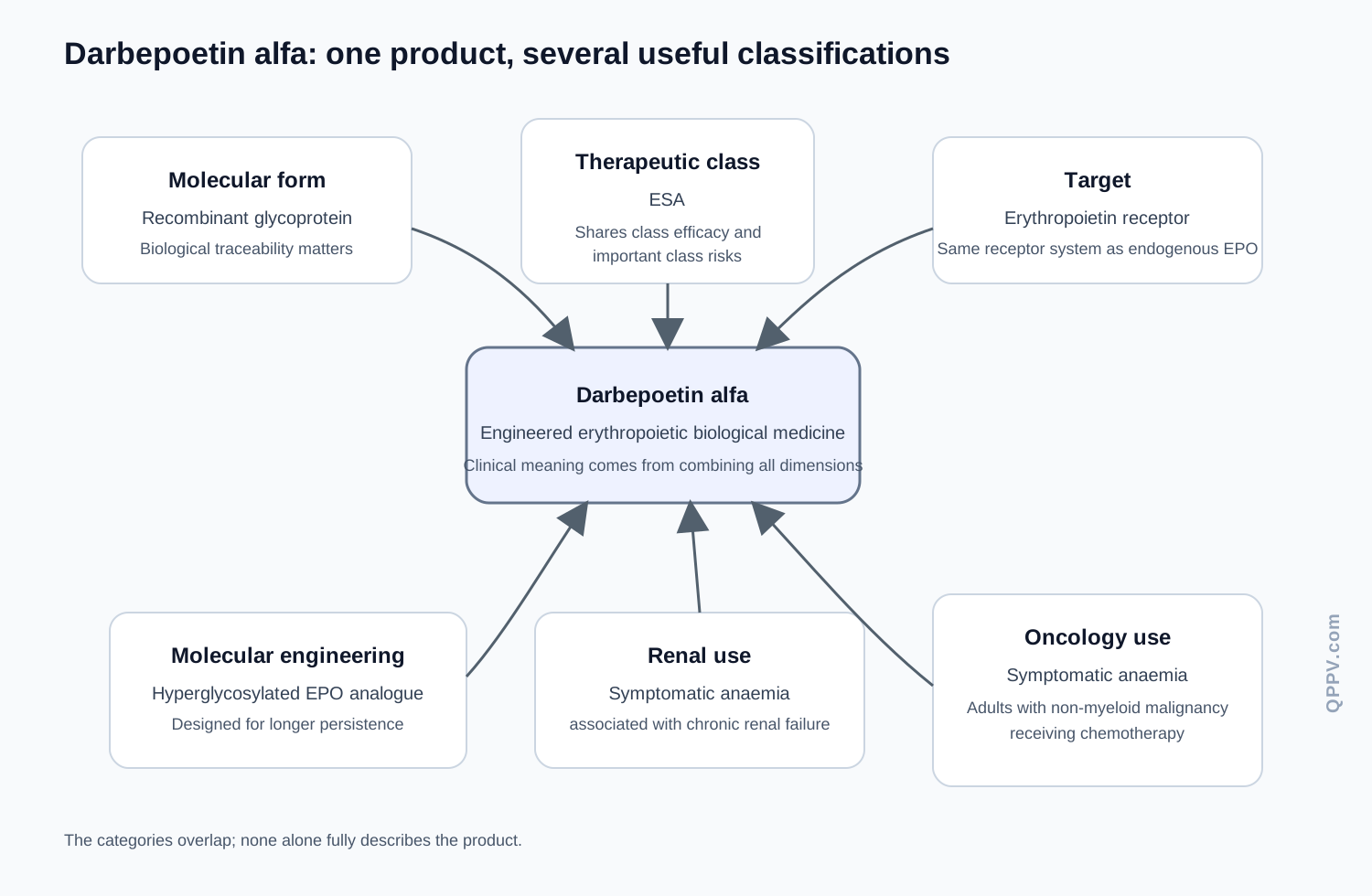
Figure 1. Darbepoetin alfa can be classified by molecular form, receptor biology, therapeutic class and clinical use. These are overlapping dimensions rather than a single hierarchy.
Therapeutic classification
Darbepoetin is an antianaemic medicine, but that term is too broad to guide clinical or pharmacovigilance reasoning. It does not replace iron, vitamin B12 or folate, does not directly transfuse red cells, and does not treat every cause of anaemia. It stimulates erythropoiesis only when the marrow and required substrates can respond.
This distinction becomes operationally important in reports of inadequate effect. Failure of haemoglobin to rise may reflect iron deficiency, inflammation, blood loss, infection, haemolysis, marrow disease, aluminium toxicity, hyperparathyroidism, inadequate dialysis, poor adherence, neutralising antibodies or other causes rather than intrinsic failure of darbepoetin pharmacology.
Why darbepoetin is not simply "long-acting epoetin"
The phrase is convenient but incomplete. Darbepoetin alfa was engineered by changing amino-acid residues to create additional consensus sites for N-linked glycosylation. The resulting molecule carries five N-linked carbohydrate chains, two more than recombinant human erythropoietin. Increased sialic-acid-containing carbohydrate prolongs serum persistence and increases in-vivo activity despite lower receptor-binding affinity in vitro.
That relationship is scientifically instructive. Stronger receptor binding is not always equivalent to greater clinical activity. For darbepoetin, prolonged exposure compensates for lower instantaneous receptor affinity and allows less frequent administration while maintaining erythropoietic stimulation.
Development history
From recombinant erythropoietin to glycoengineering
Recombinant human erythropoietin transformed the treatment of renal anaemia by replacing a hormone that diseased kidneys could no longer produce adequately. Once recombinant EPO became established, the next development question was whether its pharmacokinetic profile could be improved.
Work on EPO glycosylation showed that greater sialic-acid-containing carbohydrate content was associated with longer serum half-life and greater in-vivo biological activity, although receptor-binding affinity decreased. Darbepoetin alfa emerged from this glycoengineering strategy. Early development papers described it as novel erythropoiesis-stimulating protein (NESP).
The product therefore represents a deliberate pharmacological design principle: alter clearance and persistence rather than creating a new receptor mechanism.
Regulatory development
Aranesp received a marketing authorisation valid throughout the European Union on 8 June 2001 and was licensed in the United States in September 2001. The regulatory history subsequently evolved substantially as the wider ESA evidence base matured. Safety information and treatment recommendations were revised in response to trials addressing cardiovascular outcomes, haemoglobin targets, thromboembolic risk and use in oncology.
This history is important for pharmacovigilance because today's product information cannot be understood only from the original efficacy programme. Post-authorisation trials and class-level safety reviews materially shaped the present benefit-risk boundaries.
Erythropoietin physiology and anaemia
Kidney oxygen sensing and endogenous EPO
Erythropoietin is a glycoprotein hormone produced predominantly by specialised interstitial cells in the kidney. Its production increases when renal tissue senses reduced oxygen availability. Circulating EPO then acts on erythroid progenitor cells in the bone marrow, promoting survival, proliferation and differentiation toward mature red blood cells.
The system is best understood as a feedback loop. Falling oxygen delivery increases EPO signalling; increased erythropoiesis raises red-cell mass and oxygen-carrying capacity; improved oxygen delivery then reduces the stimulus for further EPO production.
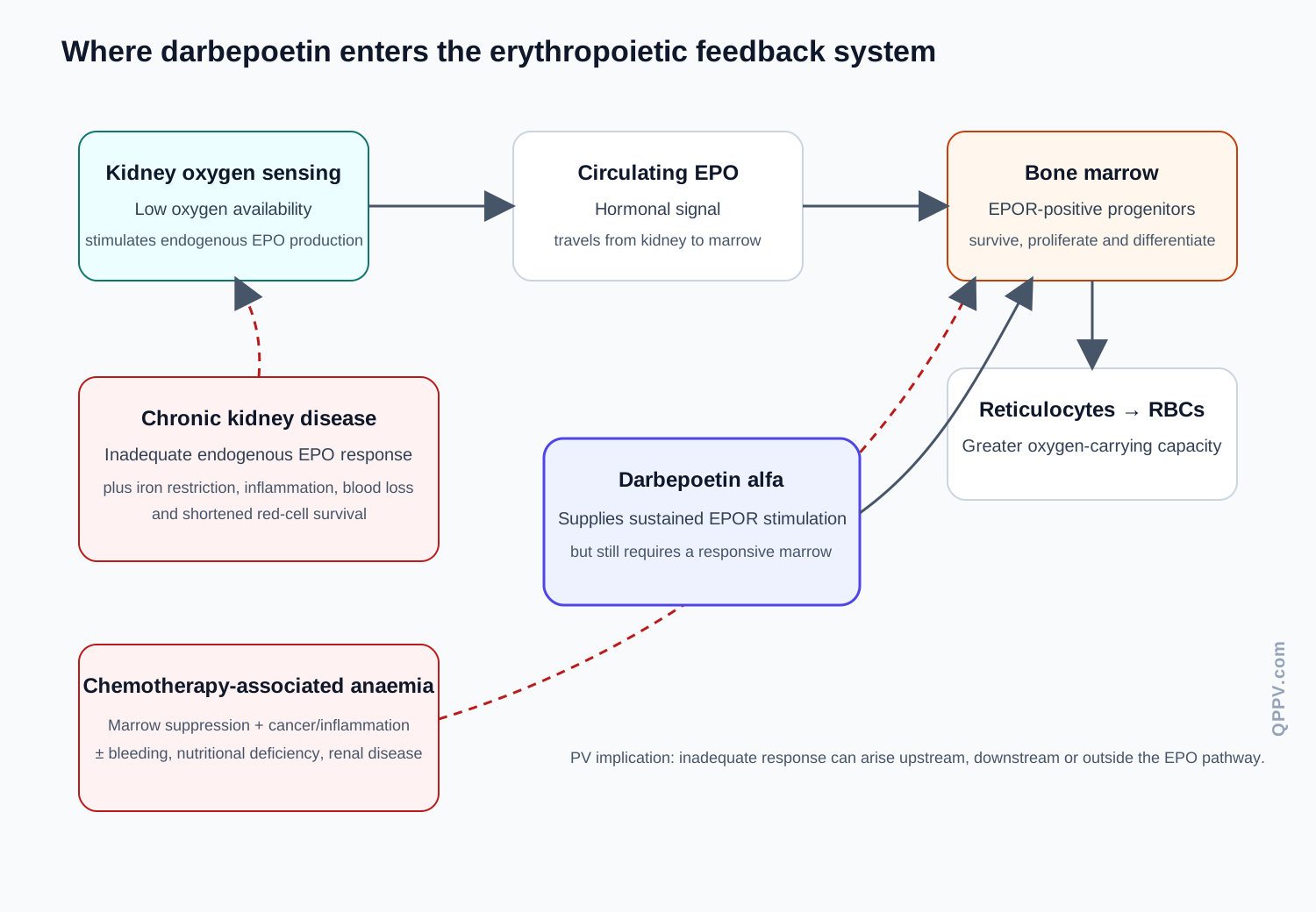
Figure 2. Endogenous EPO links renal oxygen sensing to erythroid production in bone marrow. Chronic kidney disease can reduce appropriate EPO production, whereas chemotherapy-associated anaemia arises through a broader combination of marrow suppression, inflammation, blood loss, nutritional factors and disease effects. Darbepoetin acts at the EPO-receptor stage in both settings.
Why anaemia develops in chronic kidney disease
Reduced endogenous EPO production is central to anaemia of chronic kidney disease, but it is not the only mechanism. Iron restriction, chronic inflammation, shortened red-cell survival, blood loss, dialysis-related factors and nutritional deficiencies can all contribute. The more advanced the kidney disease, the more likely multiple mechanisms coexist.
This explains why an ESA should not be treated as a complete model of renal anaemia. Darbepoetin can supply erythropoietic stimulus, but the marrow still needs iron and other substrates, and competing pathological processes can blunt the response.
Why chemotherapy-associated anaemia is different
Chemotherapy can reduce red-cell production through direct marrow toxicity. Cancer itself can contribute through inflammation, bleeding, nutritional deficiency, renal dysfunction and marrow involvement. The resulting anaemia is therefore mechanistically heterogeneous.
Darbepoetin may reduce the need for red-cell transfusion in appropriately selected patients receiving chemotherapy for non-myeloid malignancies, but this use has a particularly narrow benefit-risk context. It is not a general treatment for cancer-associated fatigue or anaemia independent of chemotherapy, and the history of ESA use outside appropriate settings is central to understanding current warnings and restrictions.
Molecular design and mechanism of action
Hyperglycosylation and prolonged persistence
Darbepoetin alfa and recombinant human erythropoietin act through the same receptor, but their pharmacokinetics differ because their carbohydrate structures differ. Darbepoetin contains five N-linked carbohydrate chains rather than the three characteristic of recombinant human EPO. The additional carbohydrate increases sialylation, molecular mass and negative charge and slows clearance from the circulation.
The resulting serum half-life is approximately threefold longer than that of recombinant human EPO in the development literature. This is why extended dosing intervals are possible. The key concept is persistence: erythroid progenitor cells are exposed to biologically active stimulation for longer even though darbepoetin's receptor-binding affinity is lower than that of recombinant human EPO.
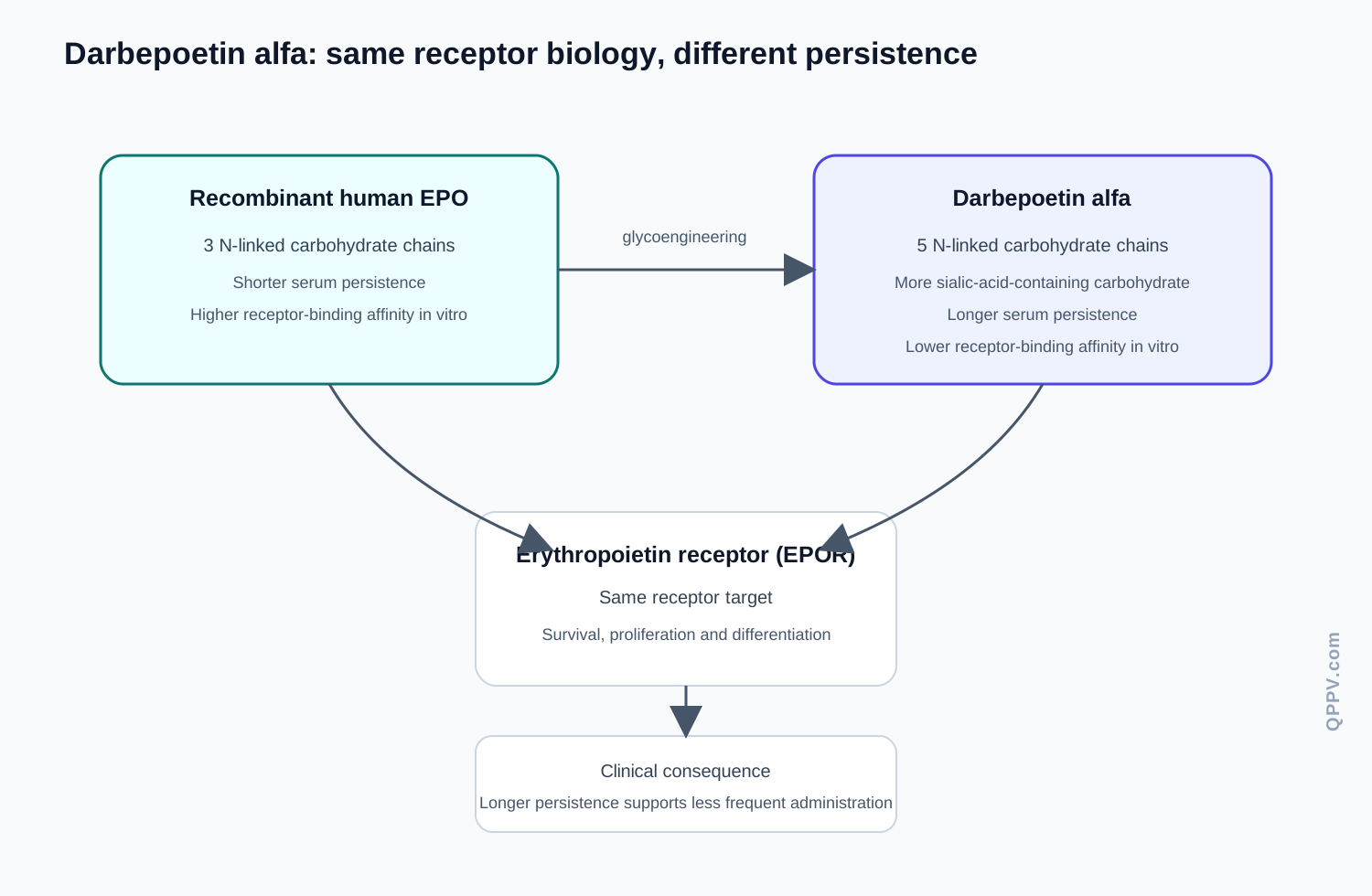
Figure 3. Darbepoetin retains EPO-receptor biology but contains two additional N-linked carbohydrate chains compared with recombinant human EPO. Greater glycosylation prolongs circulation time and supports less frequent dosing; it does not create a new receptor pathway.
EPO receptor signalling
Darbepoetin binds the erythropoietin receptor on erythroid progenitor cells. Receptor activation initiates intracellular signalling pathways that promote cell survival, proliferation and differentiation. The biological result is increased production of reticulocytes and, after maturation, circulating red blood cells.
The response is delayed because the medicine does not instantly create mature erythrocytes. A rise in reticulocytes precedes the full haemoglobin response. For PV case assessment, this time course matters: an event reported immediately after one dose as "no increase in haemoglobin" is not interpreted in the same way as persistent non-response after an adequate treatment interval with appropriate iron availability and dose adjustment.
What the mechanism does not mean
Stimulating EPOR does not correct every cause of anaemia. It also does not mean that raising haemoglobin toward a normal value is necessarily beneficial. The physiological feedback system evolved to respond dynamically to hypoxia; pharmacological stimulation can create higher red-cell mass and viscosity and interact with pre-existing vascular disease, hypertension and thrombosis risk.
This difference between biological efficacy and clinical benefit became one of the most important lessons from the ESA programme.
Clinical use and benefit-risk boundaries
Chronic renal failure
In the EU, darbepoetin is authorised for symptomatic anaemia associated with chronic renal failure in adults and paediatric patients. It may be administered intravenously or subcutaneously in this setting. Treatment is individualised according to haemoglobin response, clinical symptoms and the current product information.
The therapeutic objective is not to normalise haemoglobin regardless of risk. The EMA overview describes dose adjustment to maintain haemoglobin within the recommended range and emphasises use of the lowest dose that adequately controls symptoms. This reflects the accumulated evidence that aggressive correction can increase cardiovascular and cerebrovascular risk.
The TREAT trial is particularly important. It randomised 4,038 patients with type 2 diabetes, chronic kidney disease and anaemia who were not on dialysis to darbepoetin targeting a haemoglobin of approximately 13 g/dL or placebo with rescue darbepoetin. Darbepoetin did not reduce either primary composite cardiovascular or renal outcome. Fatal or non-fatal stroke occurred more often with darbepoetin, while red-cell transfusions were reduced. The trial therefore demonstrated the trade-off directly: fewer transfusions did not translate into improved major cardiovascular or renal outcomes, and stroke risk increased.
Cancer patients receiving chemotherapy
In the EU oncology indication, darbepoetin is used for symptomatic anaemia in adults with non-myeloid malignancies receiving chemotherapy. Administration is subcutaneous.
The clinical rationale is mainly to reduce transfusion requirements and improve anaemia control during chemotherapy. That benefit must be weighed against thromboembolic risk and the historical evidence concerning survival and tumour outcomes associated with ESA use in some cancer settings.
This is why the indication should be read literally. A patient with cancer and anaemia is not automatically within the approved treatment population. The type of malignancy, whether chemotherapy is being given, treatment intent and the current jurisdiction-specific product information all matter.
Why haemoglobin targets matter
Haemoglobin is both a therapeutic marker and a risk-management variable. If the response is too small, symptoms and transfusion requirements may persist. If haemoglobin rises too far or too quickly, thrombotic and cardiovascular risk can increase.
The correct conceptual model is therefore not "higher is better" but minimum sufficient erythropoietic exposure for the intended clinical objective. This principle explains dose reduction, treatment interruption and monitoring instructions in product information.
Safety profile and major risk domains
Hypertension, thrombosis and stroke
Hypertension is a well-established ESA safety concern and poorly controlled hypertension is a contraindication in the EU product information. Blood pressure can worsen as red-cell mass increases and vascular physiology changes. Patients with chronic kidney disease already have high baseline cardiovascular risk, so attribution requires attention to pre-existing disease, fluid status, dialysis and concomitant treatment.
Thromboembolic events may be arterial or venous and can include vascular-access thrombosis in haemodialysis patients. Stroke deserves separate attention because TREAT demonstrated a statistically significant increase in fatal or non-fatal stroke with darbepoetin in its study population.
A PV report of stroke should therefore capture baseline cerebrovascular risk, hypertension, diabetes, prior stroke or transient ischaemic attack, haemoglobin trajectory, recent dose changes, dialysis status, anticoagulant or antiplatelet therapy and competing acute causes. The purpose is not to "explain away" the event but to characterise whether the known risk is behaving as expected or differently in real-world use.
Cancer-related mortality and tumour-progression concerns
The ESA oncology safety story is more complex than a simple direct drug-to-tumour mechanism. Clinical trials and meta-analyses historically raised concerns about increased mortality and/or tumour progression or recurrence in certain cancer settings, particularly when ESAs were used outside carefully restricted indications or to pursue higher haemoglobin targets.
The current EU risk-management plan continues to identify mortality and/or tumour progression or recurrence in patients with cancer or a history of cancer as an important safety concern requiring ongoing pharmacovigilance. A post-authorisation study in European clinical practice is included to characterise ESA use in patients with non-myeloid malignancies receiving myelosuppressive chemotherapy.
For individual cases, "cancer progression" is highly confounded by baseline tumour biology and treatment course. Useful data include tumour type and stage, prognosis, chemotherapy regimen, treatment intent, timing of darbepoetin exposure, haemoglobin target, disease assessments and other anticancer therapies. Aggregate evaluation is often more informative than isolated causality judgments.
Pure red cell aplasia
Antibody-mediated pure red cell aplasia (PRCA) is rare but mechanistically distinctive. Neutralising antibodies against erythropoietin can suppress endogenous EPO as well as therapeutic erythropoietic proteins, causing severe anaemia with very low reticulocyte counts.
The current EU product information notes PRCA associated with neutralising anti-erythropoietin antibodies, predominantly in chronic renal failure patients treated subcutaneously. If PRCA is suspected, investigation may include reticulocyte count, bone-marrow assessment and testing for neutralising antibodies. Patients with suspected or confirmed neutralising antibodies should not simply be switched to another erythropoietic protein because the antibodies can cross-react.
For PV, the discriminating pattern is a patient who initially responds and then develops severe, persistent anaemia with reticulocytopenia despite continued ESA exposure. Such a case warrants urgent, detailed follow-up rather than coding as generic "drug ineffective".
Severe cutaneous adverse reactions
Severe cutaneous adverse reactions (SCARs), including Stevens-Johnson syndrome and toxic epidermal necrolysis, have been reported with epoetin treatment. The EU warning states that these reactions can be life-threatening or fatal and notes that more severe cases have been observed with long-acting epoetins. If signs or symptoms suggest SCAR, Aranesp should be withdrawn immediately; a patient who has developed SJS or TEN due to Aranesp should not be restarted.
This safety information entered the product information following a PRAC signal review and illustrates how post-marketing surveillance can change established biologic labelling years after authorisation.
Hypersensitivity and seizures
Serious hypersensitivity reactions, including anaphylactic reactions, angioedema, allergic bronchospasm, rash and urticaria, have been reported. Case assessment should reconstruct the clinical syndrome and timing rather than infer allergy from chronology alone.
Convulsions have also been reported. In a seizure case, haemoglobin rise, hypertension, electrolyte disturbance, uraemia, dialysis, previous seizure disorder, brain metastases, concomitant medicines and other neurological causes may all matter.
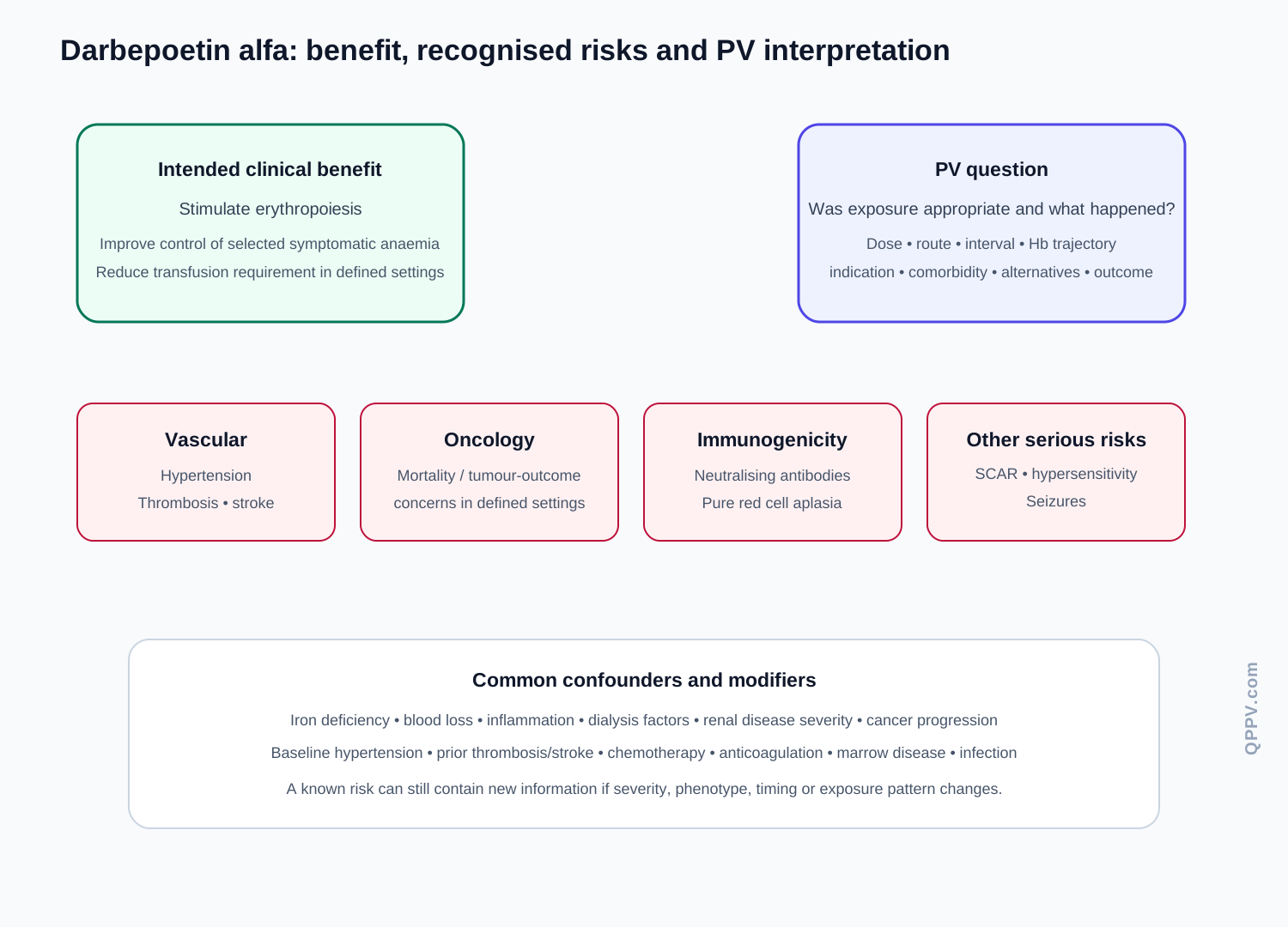
Figure 4. Darbepoetin's clinical benefit is reduction of symptomatic anaemia and transfusion need in defined populations. Major PV domains arise from erythropoietic intensity, vascular risk, immunogenicity and post-marketing class signals. The figure separates recognised risks from confounding factors that must be assessed in individual cases.
Product pharmacovigilance
Product pharmacovigilance for darbepoetin alfa sits at the intersection of four domains: the underlying cause of anaemia, the intensity and time course of erythropoietic response, the patient's vascular and oncological risk, and the characteristics of a recombinant biological medicine. A high-quality assessment therefore needs more than the adverse-event term and the date of the last injection.
Case assessment
The first task is to identify why the patient was receiving darbepoetin. Chronic renal failure and chemotherapy-associated anaemia have different background risks, routes of administration, concomitant therapies and clinically meaningful outcomes.
| Domain | Information that materially improves assessment |
|---|---|
| Exposure | Product name, dose, route, dosing interval, injection dates, batch/lot when available, recent dose adjustments |
| Indication | Chronic renal failure or chemotherapy-associated anaemia; dialysis status; malignancy type and chemotherapy status |
| Baseline haematology | Haemoglobin, reticulocytes, iron indices and transfusion history |
| Response | Serial haemoglobin values, rate of rise, dose changes, transfusions and symptoms |
| Cardiovascular context | Blood pressure, previous stroke, thrombosis, vascular-access history, diabetes and other vascular risk factors |
| Oncology context | Tumour type/stage, treatment intent, chemotherapy regimen, progression status and competing prognosis |
| Alternatives | Iron deficiency, bleeding, haemolysis, inflammation, infection, nutritional deficiency, marrow disease, inadequate dialysis |
| Outcome | Treatment interruption, dechallenge/rechallenge, investigations, transfusion, anticoagulation or other management |
The highest-value follow-up questions depend on the event. In a thrombotic event, haemoglobin trajectory and vascular risk are central. In loss of response, reticulocytes and iron status are more informative. In suspected SCAR, morphology, mucosal involvement, timing and dermatological diagnosis become priorities.
Lack of response and differential diagnosis
"Drug ineffective" is a starting term, not a final assessment. Darbepoetin resistance or hyporesponsiveness has a broad differential diagnosis. Iron deficiency is particularly common, but inflammatory disease, infection, occult blood loss, haemolysis, severe hyperparathyroidism, marrow disorders and other factors may prevent an adequate erythropoietic response.
The most important rare differential is antibody-mediated PRCA. A profound fall in haemoglobin accompanied by marked reticulocytopenia despite ongoing therapy should trigger a different follow-up pathway from a modestly suboptimal haemoglobin response in an iron-deficient patient.
The temporal pattern is therefore part of the diagnosis. A patient who never responds, a patient whose response becomes progressively weaker, and a patient who abruptly loses a previously stable response represent different clinical problems.
Traceability, medication error and device issues
Darbepoetin is a biological medicinal product supplied in multiple strengths and presentations. Product name and batch/lot should be recorded where available, especially for suspected immunogenicity, product-quality issues, clusters or device problems.
Medication error can arise from dose-selection errors, confusion between micrograms and other units used for erythropoietic products, incorrect interval, wrong route, or failure to account for a recent haemoglobin response. Because darbepoetin is longer acting than conventional epoetin, an interval error can alter cumulative exposure for longer than a single missed or extra short-acting dose.
Reports involving a pre-filled syringe or pen should distinguish a pharmacological adverse reaction from incomplete administration, device malfunction, user technique, storage deviation or a product-quality defect. Apparent lack of efficacy after a failed injection may primarily reflect inadequate exposure.
Signal and aggregate assessment
Known ESA risks remain relevant even after decades of use because the treated populations, devices, dosing practices and background therapies evolve. Aggregate surveillance should therefore evaluate not only whether a known event is reported, but whether its frequency, severity, phenotype or clinical context appears to change.
Examples include:
- a cluster of PRCA cases associated with a particular presentation or route;
- a change in thrombotic-event patterns after shifts in dosing practice;
- severe cutaneous reactions with consistent latency or phenotype;
- medication errors concentrated in a strength or device presentation;
- oncology use outside the authorised or recommended benefit-risk boundaries;
- persistent cases of rapid haemoglobin rise despite labelled dose-adjustment strategies.
Mechanism informs these hypotheses, but evidence determines whether they constitute a signal requiring further evaluation.
Practical assessment framework
A reproducible darbepoetin case assessment can follow this sequence:
- Confirm indication and treatment setting. Distinguish renal anaemia from chemotherapy-associated anaemia and establish dialysis or oncology context.
- Reconstruct exact exposure. Capture dose, route, interval, dates, recent changes, product presentation and batch where available.
- Plot the haemoglobin trajectory. A single laboratory value rarely explains ESA response or risk.
- Characterise the event clinically. Define thrombosis, stroke, hypertension, rash, seizure, hypersensitivity or anaemia rather than relying on a broad verbatim term.
- Check competing causes. Iron deficiency, bleeding, inflammation, cancer progression, renal disease and other comorbidities are frequent confounders.
- Look for mechanism-specific patterns. Rapid haemoglobin rise may support exposure-related vascular risk; severe anaemia with reticulocytopenia raises PRCA; mucosal blistering raises SCAR.
- Assess treatment objective and intensity. Determine whether use appears consistent with the approved indication and current product information.
- Seek discriminating follow-up. Ask questions that can alter the causal or clinical interpretation.
- Preserve traceability. Product name, presentation and batch can become important at aggregate level.
- Consider signal relevance. Determine whether the case adds new information to a known risk or contributes to an emerging pattern.
Illustrative scenario: stroke after a rapid haemoglobin rise
A patient with chronic kidney disease begins darbepoetin after symptomatic anaemia. Several weeks later, the haemoglobin has risen substantially and blood pressure has become difficult to control. The patient then develops an ischaemic stroke.
The known association between intensive ESA treatment and stroke makes the case pharmacologically important, but causality should not be reduced to a single label. The assessor should reconstruct dose changes, serial haemoglobin values, rate of haemoglobin rise, blood-pressure readings, prior cerebrovascular disease, diabetes, atrial fibrillation, dialysis status and other vascular risk factors. The report may represent an event within a known risk domain while still containing clinically important information about exposure intensity or risk-minimisation effectiveness.
Illustrative scenario: apparent loss of efficacy
A dialysis patient previously stable on darbepoetin develops progressive severe anaemia. Dose escalation produces little response. The reticulocyte count is extremely low while iron studies are adequate and there is no obvious bleeding.
This pattern is qualitatively different from ordinary ESA hyporesponsiveness. Antibody-mediated PRCA should enter the differential diagnosis, and appropriate specialist investigation and anti-erythropoietin antibody testing become important. Simply increasing the dose or switching to another erythropoietic protein could be inappropriate if neutralising antibodies are present.
Key Takeaways
- Darbepoetin alfa is a hyperglycosylated recombinant erythropoietic protein that acts through the erythropoietin receptor.
- It contains five N-linked carbohydrate chains, two more than recombinant human EPO, producing longer serum persistence and enabling less frequent administration.
- In the EU it is authorised for symptomatic anaemia associated with chronic renal failure in adults and paediatric patients and for symptomatic anaemia in adults with non-myeloid malignancies receiving chemotherapy.
- ESA benefit-risk is not governed by haemoglobin correction alone. TREAT showed fewer transfusions but increased stroke risk without improvement in major cardiovascular or renal outcomes in its studied CKD population.
- Major product-PV domains include hypertension, arterial and venous thrombotic events, stroke, oncology mortality/tumour-outcome concerns, antibody-mediated PRCA, SCAR, hypersensitivity and seizures.
- Loss of haemoglobin response requires differential diagnosis. Reticulocytopenia with severe persistent anaemia should raise concern for PRCA rather than being treated as generic lack of effect.
- Product name, presentation and batch/lot are valuable for biological traceability, especially in immunogenicity and product-quality investigations.
References
- European Medicines Agency. Aranesp (darbepoetin alfa): EPAR. Current product page and authorisation information. Product information updated 13 January 2026. https://www.ema.europa.eu/en/medicines/human/EPAR/aranesp
- European Medicines Agency. Aranesp: EPAR Product Information. Summary of Product Characteristics, labelling and package leaflet. Updated January 2026. https://www.ema.europa.eu/en/documents/product-information/aranesp-epar-product-information_en.pdf
- European Medicines Agency. Aranesp EU Risk Management Plan, Version 10.0. 19 March 2025; published/updated on the EMA EPAR in January 2026. https://www.ema.europa.eu/en/documents/rmp/aranesp-epar-risk-management-plan_en.pdf
- Amgen. Aranesp (darbepoetin alfa) US Prescribing Information. Current prescribing-information resource accessed September 2026; PI version listed by Amgen April 2025. https://www.pi.amgen.com/united_states/aranesp/ckd/aranesp_pi_hcp_english.pdf
- Egrie JC, Browne JK. Development and characterization of novel erythropoiesis stimulating protein (NESP). Br J Cancer. 2001;84 Suppl 1:3-10. doi:10.1054/bjoc.2001.1746.
- Elliott S, Egrie J, Browne J, et al. Control of rHuEPO biological activity: the role of carbohydrate. Exp Hematol. 2004;32(12):1146-1155. doi:10.1016/j.exphem.2004.08.004.
- Pfeffer MA, Burdmann EA, Chen CY, et al.; TREAT Investigators. A Trial of Darbepoetin Alfa in Type 2 Diabetes and Chronic Kidney Disease. N Engl J Med. 2009;361:2019-2032. doi:10.1056/NEJMoa0907845.
- European Medicines Agency. Public statement: epoetins and the risk of tumour growth progression and thromboembolic events in cancer patients and cardiovascular risks in patients with chronic kidney disease. 2007. Available from EMA.
- European Medicines Agency. Aranesp procedural steps after authorisation. Includes the 2017 PRAC-driven update adding the class warning for severe cutaneous adverse reactions.
- US Food and Drug Administration. Purple Book: Aranesp (darbepoetin alfa). Biological product licensing information. Accessed September 2026.
Regulatory Note
This article is an educational pharmacovigilance reference and does not replace the current Summary of Product Characteristics, package leaflet, risk-management documentation, US Prescribing Information, renal or oncology treatment guidelines, national requirements or individual medical judgement. ESA indications, routes, dosing intervals, haemoglobin thresholds, dose-adjustment rules and oncology restrictions differ by jurisdiction and can change. Darbepoetin alfa, epoetin alfa, epoetin beta, epoetin zeta and other erythropoiesis-stimulating agents must not be treated as interchangeable products for prescribing, dose conversion or pharmacovigilance traceability unless the applicable product information specifically supports the intended use.