Dinutuximab Beta: Mechanism, Clinical Safety and Pharmacovigilance
Dinutuximab beta is an intravenous antibody directed against the disialoganglioside GD2, a surface target on neuroblastoma cells. GD2 is also present at lower levels on peripheral nerve cells. This distribution connects the intended antitumour effect with a distinctive safety profile: pain, often severe, is common, and treatment may also cause infusion-related reactions, cytokine release, hypersensitivity, capillary leak, hypotension and neurologic toxicity.
Pharmacovigilance must preserve the treatment phase and infusion pattern. The same symptom may mean something different during the first hours of a prolonged infusion than days later, between courses or after a treatment interruption. Pain location and intensity, opioid requirements, vital signs, cardiopulmonary findings and concurrent interleukin-2 are clinically meaningful exposure-context details.
- Dinutuximab Beta: Mechanism, Clinical Safety and Pharmacovigilance
- Clinical Role and EU Authorisation
- Classification and Molecular Design
- Treatment Course and Exposure Reconstruction
- Neuropathic Pain
- Infusion-Related Reactions and Cytokine Release
- Neurologic, Ocular and Cardiopulmonary Monitoring
- Case Evaluation Framework
- Seriousness, Expectedness and Follow-up
- Practical Synthesis
- References
- Regulatory Note
Clinical Role and EU Authorisation
Dinutuximab beta is authorised for treatment of high-risk neuroblastoma in patients aged 12 months or older whose disease has responded at least partially to induction chemotherapy, followed by myeloablative therapy and stem-cell transplantation, as well as for patients with relapsed or refractory disease. The label specifies that progressing disease should be stabilised by other measures before starting treatment. In relapsed or refractory disease, treatment may be given with or without interleukin-2 according to the defined clinical setting.[1,2]
The standard treatment plan consists of five consecutive courses, each lasting 35 days. The total dose per course is 100 mg/m², delivered either as continuous infusion over the first 10 days or as five daily 8-hour infusions over the first 5 days. These schedules are distinct; the actual schedule and administration record should be confirmed for every case.[2]
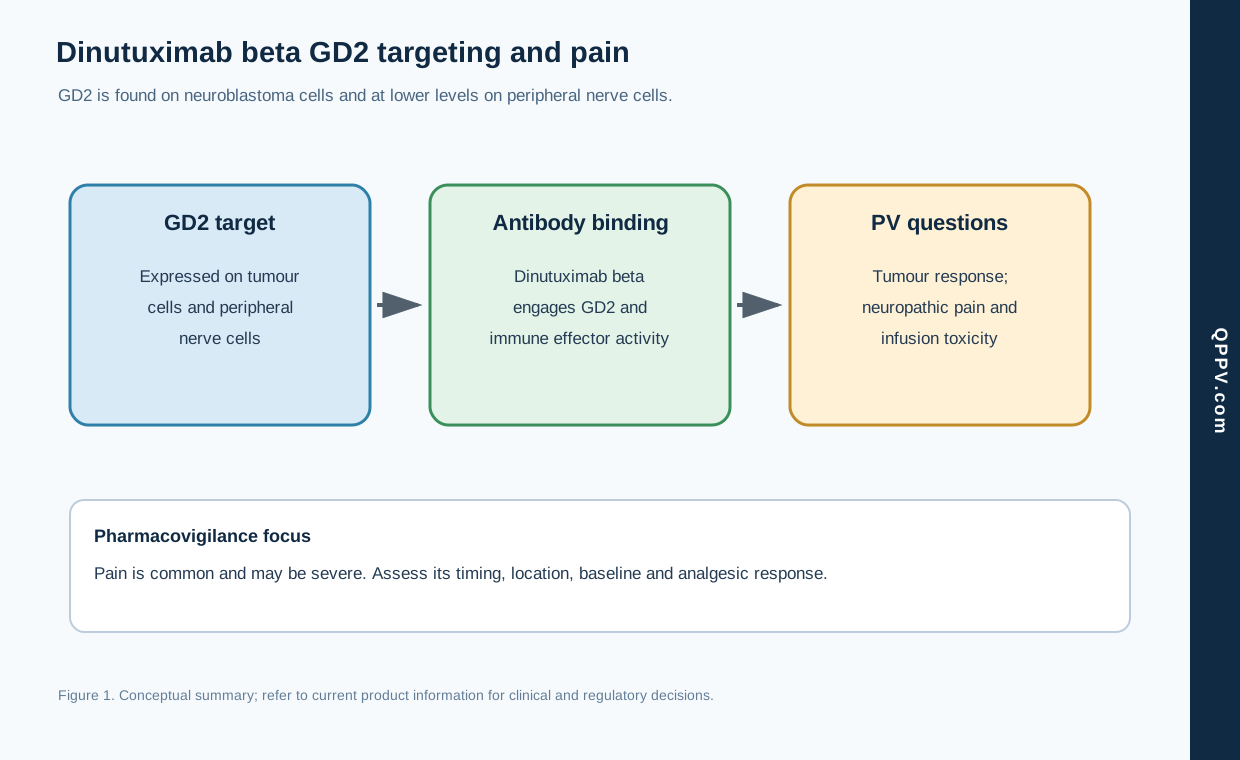
Figure 1. Dinutuximab beta binds GD2 on neuroblastoma cells and can recruit immune effector mechanisms. GD2 on peripheral nerve cells helps explain the prominent neuropathic pain signal.
Classification and Molecular Design
Dinutuximab beta is a chimeric mouse-human IgG1 monoclonal antibody directed against GD2. GD2 is expressed on neuroblastoma cells and is also present on peripheral nerve cells. Antibody binding can recruit immune effector activity, including antibody-dependent cellular cytotoxicity and complement-dependent cytotoxicity, against target-expressing cells.[2]
Target distribution matters for clinical interpretation. Pain during treatment may be related to peripheral nerve involvement by the target, but the presence of pain does not rule out tumour-related, procedural, infectious or other causes. Neurologic findings should be described precisely and evaluated in the context of baseline status, disease sites and other medicines.
The mechanism does not make every acute event a cytokine-release syndrome or infusion reaction. Terms should follow the documented clinical diagnosis and observed features. Fever, hypotension, rash or respiratory symptoms require assessment for competing causes and for overlap among severe infusion-related reactions, hypersensitivity, infection and cytokine release.
Treatment Course and Exposure Reconstruction
For each course, document the planned schedule and the actual administrations: continuous infusion or daily intermittent infusions; start and stop dates; interruptions; dose changes; infusion line or device issues; premedication; analgesia; and concomitant interleukin-2 when used. Record the course number, day of course and interval from the start or change in infusion to symptom onset.
Dinutuximab beta is administered under specialist supervision. Pain treatment, including opioid-based analgesia, is an integral part of the labelled administration approach. A case report should state the analgesic plan, route, rescue doses, response, sedation and any respiratory monitoring or support. Increased opioid requirement can help describe the event’s severity and trajectory; it should not replace an assessment of pain itself.
In a child with neuroblastoma, baseline disease, prior surgery, bone involvement, chemotherapy-related neuropathy, infection and supportive treatments can influence symptoms. Record age, disease status and relevant lesion sites, prior transplant or intensive therapy, current medications and baseline neurologic and cardiopulmonary findings.
Neuropathic Pain
Pain is very common and is generally observed early during treatment. It can involve different regions and may require strong opioid analgesia. The label recommends premedication and opioid-based management, with additional supportive analgesics as clinically appropriate.[2]
For pharmacovigilance, record onset in relation to infusion, location, quality, intensity using the scale available in the clinical record, duration, functional effect, and response to scheduled and rescue analgesia. Distinguish new pain from baseline tumour pain or postoperative pain, while retaining uncertainty when they overlap. Note whether pain recurred on subsequent infusion days or courses and whether dose interruption or modification occurred.
Neuropathic descriptors such as burning, shooting, tingling or allodynia can be useful when actually reported. A clinician-assessed neurologic adverse reaction should be recorded separately from pain when the evidence supports both. Preserve the reporter’s language and avoid coding a specific nerve disorder from a nonspecific pain report alone.
Infusion-Related Reactions and Cytokine Release
Infusion-related reactions may be severe or life-threatening and can include fever, chills, rash, urticaria, dyspnoea, hypotension, capillary leak and symptoms consistent with cytokine release. Severe hypersensitivity, including anaphylaxis, is also an important labelled concern.[2] Events may arise early in a course and can occur alongside pain or with interleukin-2, which adds another relevant exposure.
For an acute reaction, document infusion type, rate and exact timeline; symptoms and vital signs; oxygen or fluid support; laboratory and organ findings; medicines administered; interruption or discontinuation; and resolution. Record whether a specific diagnosis such as cytokine-release syndrome, anaphylaxis or capillary leak was assigned and the criteria or clinical features supporting it.
Hypotension should be reported with the lowest blood pressure, duration, symptoms, fluid or vasoactive support and associated capillary-leak or cardiac findings. Respiratory events should include oxygen saturation, oxygen support, imaging or other investigations and alternative causes such as infection or disease. This level of detail allows serious acute syndromes to be assessed without conflating them.
Neurologic, Ocular and Cardiopulmonary Monitoring
The product information warns of neurologic adverse reactions, which can include peripheral and central nervous system effects. Record the exact finding: sensory or motor change, weakness, altered consciousness, seizure, autonomic symptoms, visual disturbance or another clinician-diagnosed syndrome. Include onset, duration, examination, imaging or electrophysiology, baseline function, competing causes and outcome.
Eye symptoms warrant their own description because visual change, ocular effects and neurologic findings may overlap. Capture laterality, acuity or field findings if available, examination results and specialist assessment. Do not infer a named syndrome from a nonspecific report of blurred vision.
Cardiopulmonary events can occur with severe infusion reactions, capillary leak or hypotension. Record heart rate and rhythm, blood pressure, oxygenation, respiratory findings, fluid balance, cardiac tests, supportive care and recovery. Interleukin-2 and other concomitant treatment should be separately identified.
Case Evaluation Framework
A clinically useful dinutuximab beta report should answer:
- What was the disease state? Record age, high-risk or relapsed/refractory setting, response or stability before treatment, disease sites and recent anticancer therapy.
- Which course and administration schedule applied? Include course number, day, continuous versus intermittent infusion, actual dose and dates, interruptions and interleukin-2 exposure.
- What event occurred? Preserve reporter terms and describe onset, duration, objective findings, severity, treatment and outcome.
- What else could explain or modify the event? Include baseline pain and neurologic status, tumour location, infection, recent procedures, analgesics, sedatives and other therapies.
- What action followed? Record infusion changes, analgesia or emergency treatment, dose modifications, recovery, sequelae and any recurrence with later exposure.
For serious events, obtain the infusion chart, nursing observations, pain scores, emergency or intensive-care notes, specialist assessments, diagnostic results and follow-up. Record missing details explicitly, especially the actual infusion schedule and co-treatment.
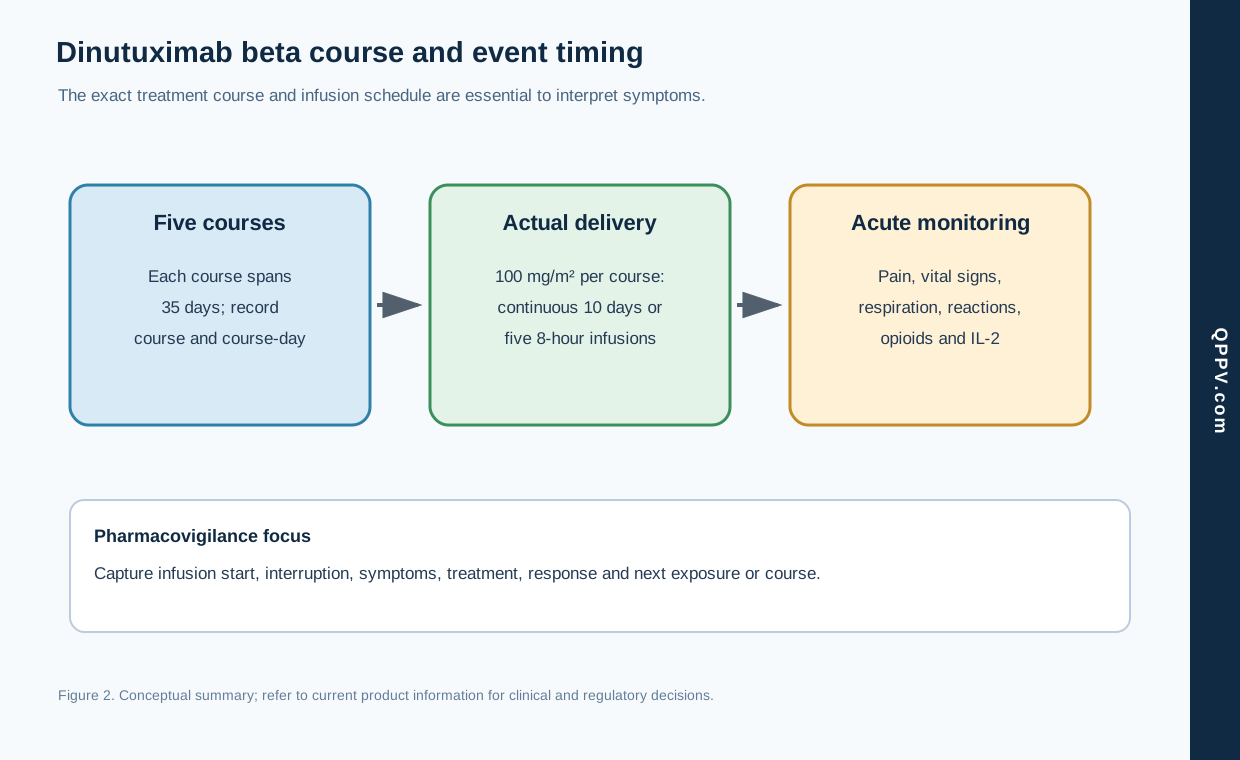
Figure 2. Reconstruct course number, actual infusion schedule and acute observations before interpreting pain or systemic reactions.
Seriousness, Expectedness and Follow-up
Seriousness is assessed using regulatory criteria such as death, life-threatening outcome, hospitalisation or its prolongation, significant disability, congenital anomaly or another medically important condition. Severe pain may be medically important even without admission; the case narrative should describe its effect, treatment and clinical judgement rather than relying on an intensity adjective.
Expectedness is assessed against the applicable current reference safety information. Common or anticipated pain does not make a life-threatening infusion reaction, anaphylaxis or neurologic syndrome expected at every severity or presentation. Check the actual label wording and record the specific event and seriousness criteria.
Follow-up should clarify diagnosis, infusion timing and schedule, pain assessment and treatment response, vital-sign trends, infection work-up, cardiopulmonary and neurologic findings, concomitant interleukin-2, interruption or discontinuation, and outcome after the course. If treatment resumes, document the next exposure and whether symptoms recur.
Practical Synthesis
Dinutuximab beta safety assessment depends on relating symptoms to its GD2 target, the treatment schedule and the disease context. Pain is a prominent, anticipated clinical issue; serious infusion reactions and neurologic or cardiopulmonary events require careful characterization. Recording exact timing, course, infusion type, analgesia, vital signs, co-treatment and outcomes gives each case a stronger basis for clinical and regulatory interpretation.
References
- European Medicines Agency. Qarziba: European Public Assessment Report. EU authorisation, indication and public overview.
- European Medicines Agency. Qarziba: product information. Current Summary of Product Characteristics and package leaflet; product information page last updated 26 November 2025.
- European Medicines Agency. Good pharmacovigilance practices, including Module VI on collection, management and submission of suspected adverse reaction reports.
- International Council for Harmonisation. E2C(R2): Periodic Benefit-Risk Evaluation Report. Principles for structured benefit-risk evaluation and safety information.
Regulatory Note
This article is an educational pharmacovigilance resource, not a substitute for the current product information, clinical judgement or applicable reporting requirements. Indications, warnings and risk-minimisation measures may change. Consult the current European Medicines Agency product information and relevant national requirements before making a clinical or regulatory decision.