Durvalumab: Classification, History, Mechanism of Action, Safety and Pharmacovigilance
Durvalumab is an immune-checkpoint monoclonal antibody directed against programmed death-ligand 1 (PD-L1). It does not attack tumour cells by carrying a toxin or by directly blocking a growth-factor receptor. Instead, it removes one of the inhibitory signals that tumours can use to suppress T-cell activity. The clinical consequence is potentially durable antitumour immunity, but the pharmacovigilance consequence is equally fundamental: releasing an immune brake can produce inflammatory injury in otherwise healthy organs.
Durvalumab is now used across several cancer settings and in markedly different treatment phases, including definitive chemoradiotherapy followed by consolidation, metastatic combination therapy, perioperative treatment and maintenance strategies. Safety therefore cannot be interpreted from the molecule alone. Disease, treatment phase, partner medicines, radiotherapy, surgery and timing must be reconstructed together.
- Durvalumab: Classification, History, Mechanism of Action, Safety and Pharmacovigilance
- Multidimensional classification
- PD-L1 as an immune checkpoint
- Mechanism of action
- Development and regulatory evolution
- Why indication expansion changes pharmacovigilance
- Clinical safety framework
- Combination-regimen safety
- Infusion-related reactions and hypersensitivity
- Special populations and clinical context
- Product traceability
- Pharmacovigilance case assessment
- Signal detection and aggregate review
- Benefit-risk evaluation across indications
- Risk management and operational controls
- Potential failure modes
- Inspection and governance perspective
- Practical checklist
- Key Takeaways
- References
- Regulatory Note
Multidimensional classification
| Classification axis | Durvalumab classification | Scientific or PV significance |
|---|---|---|
| Molecular format | Human IgG1 kappa monoclonal antibody with Fc engineering | Designed for checkpoint blockade rather than tumour-cell depletion through Fc effector activity |
| Target | PD-L1 | Prevents PD-L1-mediated inhibitory signalling to activated T cells |
| Functional class | Immune-checkpoint inhibitor | Toxicity can result from immune activation in normal tissues |
| Therapeutic domains | Multiple solid tumours | Background disease and partner regimens vary substantially |
| Route | Intravenous infusion | Infusion chronology remains relevant, although delayed immune toxicity is often more important |
| Treatment setting | Monotherapy and combinations; metastatic, consolidation, perioperative and maintenance use | Causality and expected-event profiles differ by regimen and treatment phase |
| Major PV domain | Immune-mediated adverse reactions | Organ-specific events may appear during treatment or after discontinuation |
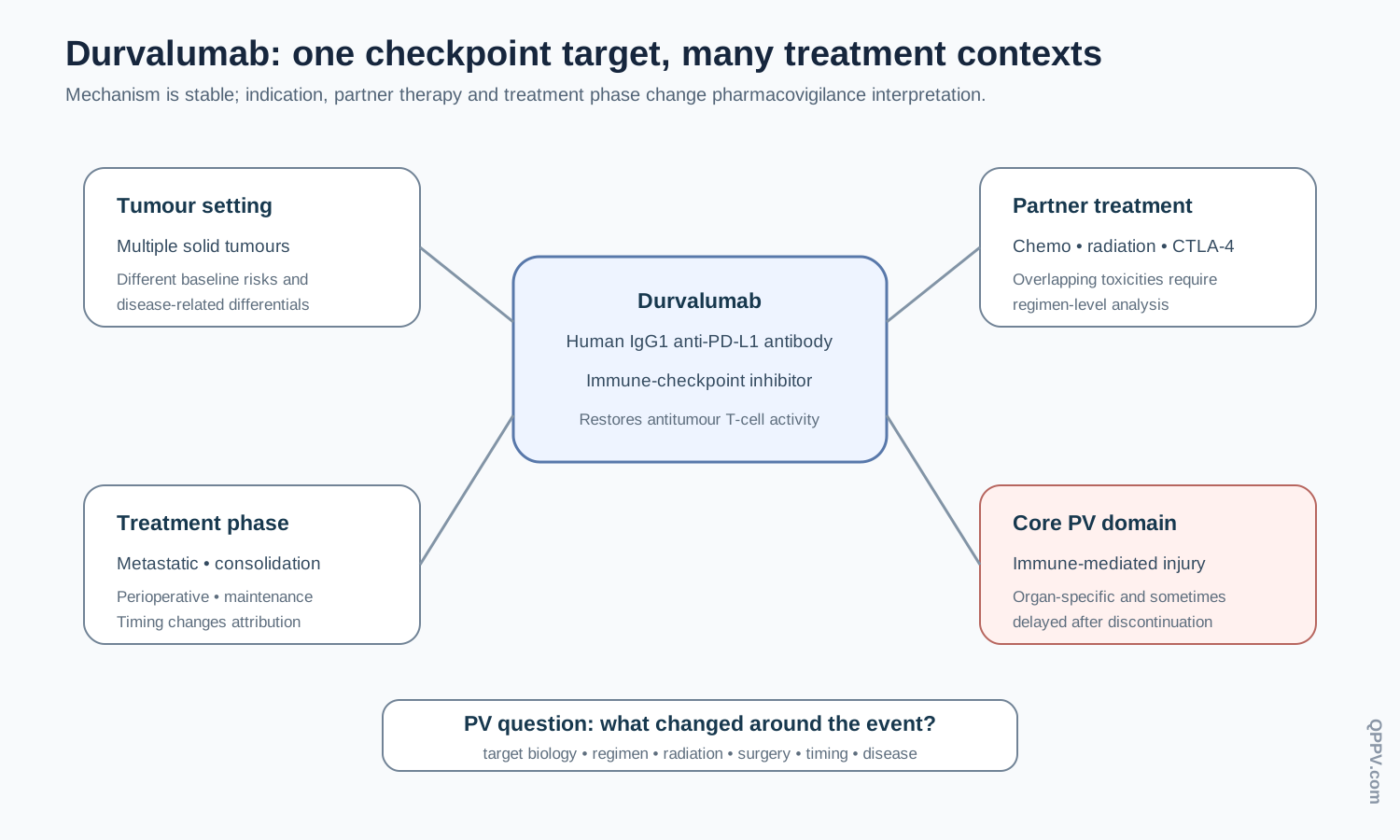
Figure 1. Durvalumab must be classified simultaneously by checkpoint target, tumour setting, treatment phase and partner regimen. These axes determine how safety events should be interpreted.
PD-L1 as an immune checkpoint
T cells are capable of recognising and killing abnormal cells, but immune activation is normally constrained by inhibitory pathways that limit excessive tissue damage. One of these pathways involves programmed death-1 (PD-1), an inhibitory receptor expressed on activated T cells. Binding of PD-1 to its ligand PD-L1 reduces T-cell activation, proliferation and effector function.
Many tumours exploit this physiological control system by expressing PD-L1 within the tumour microenvironment. The result is not absolute immune invisibility. Rather, tumour-reactive T cells may remain present but functionally restrained.
PD-L1 also interacts with CD80. Durvalumab binds PD-L1 and blocks its interaction with both PD-1 and CD80, thereby reducing inhibitory signalling and permitting stronger antitumour immune activity. It does not block the PD-1–PD-L2 interaction. That distinction matters when comparing checkpoint inhibitors directed at PD-1 with those directed at PD-L1.
Mechanism of action
The pharmacological sequence can be understood in four steps:
- tumour or immune cells in the tumour microenvironment express PD-L1;
- PD-L1 engages inhibitory receptors and attenuates activated T-cell function;
- durvalumab binds PD-L1 and prevents inhibitory ligand-receptor interactions;
- antitumour T-cell activity is restored or strengthened in susceptible tumours.
This mechanism explains both efficacy and characteristic toxicity. Once inhibitory signalling is reduced, activated immune cells can damage normal tissues. The resulting adverse reactions are described as immune-mediated because the proximate mechanism is inappropriate immune inflammation rather than direct chemical toxicity to the affected organ.
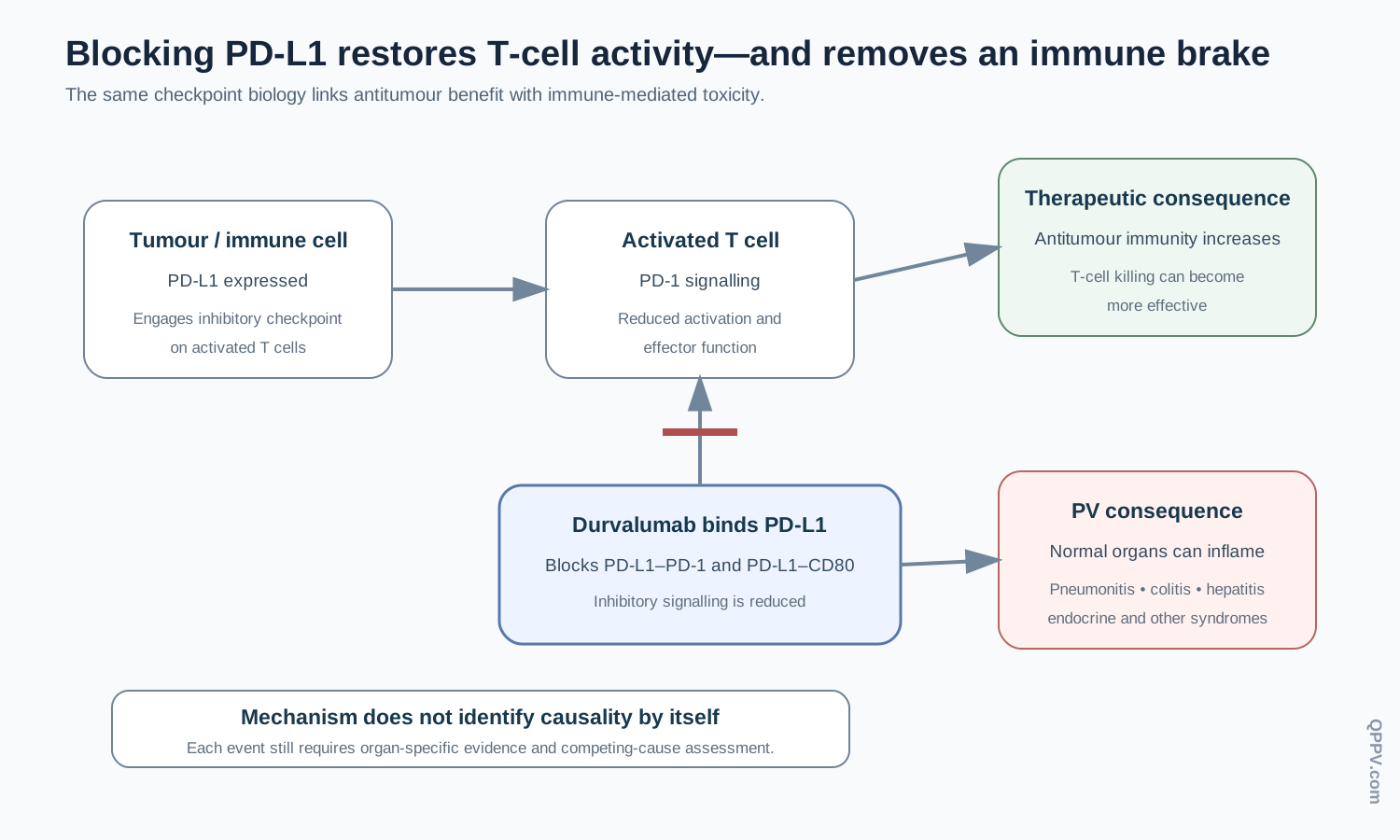
Figure 2. PD-L1 suppresses activated T-cell function through checkpoint signalling. Durvalumab blocks PD-L1, restoring antitumour immunity while also creating the biological basis for immune-mediated injury in normal organs.
Development and regulatory evolution
The European Union authorised durvalumab in September 2018. Its initial role centred on unresectable stage III non-small-cell lung cancer after platinum-based chemoradiotherapy. The PACIFIC programme established checkpoint blockade after definitive chemoradiation as a clinically important treatment strategy.
The authorised scope subsequently broadened substantially. Current EU use includes multiple lung-cancer settings and combinations, biliary tract cancer, hepatocellular carcinoma, endometrial cancer, muscle-invasive bladder cancer and perioperative gastric or gastro-oesophageal junction adenocarcinoma, with regimen and biomarker requirements differing by indication. Current product information therefore needs to be consulted for the exact treatment sequence rather than treating “durvalumab exposure” as one homogeneous regimen.
A 2026 application to extend use to high-risk non-muscle-invasive bladder cancer was withdrawn after regulatory feedback that the observed benefit did not outweigh the additional toxicity over BCG alone. EMA explicitly stated that this withdrawal had no consequence for authorised uses. This distinction is important in lifecycle pharmacovigilance: failure of one proposed indication does not invalidate the benefit-risk balance in established indications.
Why indication expansion changes pharmacovigilance
The same checkpoint mechanism is used in very different clinical contexts. A patient receiving durvalumab after thoracic radiotherapy has a different differential diagnosis for new dyspnoea than a patient receiving durvalumab with chemotherapy for metastatic biliary tract cancer. A patient in a perioperative regimen can develop postoperative complications that overlap clinically with immune-mediated events. A patient receiving durvalumab with tremelimumab has dual-checkpoint exposure and a different immune-toxicity context from durvalumab monotherapy.
For this reason, aggregate safety analysis should not merely stratify by tumour type. Where clinically meaningful, it should also distinguish monotherapy versus combination therapy, treatment phase, prior radiotherapy, perioperative exposure and major partner medicines.
Clinical safety framework
Durvalumab safety is best organised by mechanism rather than by a long undifferentiated adverse-event list. Three broad domains are especially useful: immune-mediated toxicity, regimen-related toxicity and disease/procedure-related complications.
Immune-mediated adverse reactions
Checkpoint blockade can produce inflammatory injury in almost any organ system. Important recognised patterns include pneumonitis, colitis, hepatitis, endocrinopathies, nephritis, dermatological reactions and less common neurological, cardiac, haematological and other immune-mediated disorders. These events vary greatly in frequency and severity, and a rare event may still be clinically critical because delayed recognition can lead to permanent injury or death.
The temporal pattern is also variable. Some reactions arise early, but others emerge after multiple cycles or after treatment has ended. A pharmacovigilance case should therefore not exclude durvalumab solely because the event started after the last infusion.
Pneumonitis and the radiotherapy problem
Pneumonitis is particularly important in lung-cancer programmes because checkpoint-related pneumonitis overlaps with radiation pneumonitis, infection, tumour progression, pulmonary embolism, chronic lung disease and chemotherapy-related lung injury.
The distinction cannot be made from the term “pneumonitis” alone. High-value evidence includes:
- prior thoracic-radiotherapy fields and dates;
- symptom onset relative to radiotherapy and checkpoint therapy;
- CT distribution and imaging evolution;
- microbiological investigation;
- oxygen requirement;
- corticosteroid treatment and response;
- rechallenge outcome where applicable.
A case may remain multifactorial even after detailed assessment. Pharmacovigilance should preserve that uncertainty rather than force a single explanation.
Hepatitis and liver-test abnormalities
Abnormal transaminases in a patient receiving durvalumab can result from immune-mediated hepatitis, liver metastases, biliary obstruction, infection, ischaemia or concomitant hepatotoxic medicines. In hepatobiliary cancers the differential becomes even more complex because the underlying disease directly affects the organ used to detect toxicity.
Case assessment should therefore reconstruct baseline liver disease, tumour burden, imaging, bilirubin, alkaline phosphatase, transaminases, viral-hepatitis testing where relevant, concomitant medicines and response to treatment interruption or immunosuppression.
Colitis and diarrhoea
Diarrhoea can represent immune-mediated colitis, infection, chemotherapy toxicity, bowel surgery, pancreatic or biliary disease, enteral treatment effects or other causes. The medically meaningful endpoint is the inflammatory syndrome, not simply stool frequency.
Follow-up should capture severity, duration, blood or mucus, fever, abdominal pain, stool studies, imaging/endoscopy where performed, corticosteroid or other immunosuppressive treatment and recurrence on rechallenge.
Endocrine toxicity
Checkpoint-associated endocrine events include thyroid dysfunction, adrenal insufficiency, hypophysitis and diabetes mellitus. They are distinctive because inflammatory symptoms may resolve while hormone deficiency persists. A case outcome of “recovered” is therefore potentially misleading if long-term hormone replacement remains necessary.
For endocrine events, pharmacovigilance should distinguish resolution of acute inflammation from recovery of gland function.
Combination-regimen safety
Durvalumab is frequently administered with other therapies whose toxicities overlap checkpoint toxicity. Platinum chemotherapy can cause cytopenias, renal injury, nausea and neuropathy. Gemcitabine can contribute to marrow suppression and hepatic laboratory abnormalities. Olaparib introduces its own haematological and gastrointestinal profile. Tremelimumab adds CTLA-4 blockade and can increase the intensity or spectrum of immune-mediated toxicity.
Therefore, a global safety database should preserve the actual regimen. Coding exposure simply as “durvalumab” without partner medicines can erase clinically important context.
Perioperative regimens
Perioperative treatment creates additional interfaces. Events after surgery may include infection, thromboembolism, wound complications, organ dysfunction and postoperative inflammatory syndromes. Some can resemble immune-mediated events.
Assessment should place each event on a timeline containing neoadjuvant therapy, surgery, postoperative recovery, adjuvant treatment and any intervening complications. The pharmacovigilance question is not whether surgery or immunotherapy is “the cause” in the abstract, but what evidence supports each competing explanation.
Infusion-related reactions and hypersensitivity
Durvalumab is administered intravenously and can produce infusion-related reactions. These are mechanistically and temporally different from delayed immune-mediated organ toxicity. Useful follow-up includes onset during or after infusion, fever/chills, rash, dyspnoea, blood pressure changes, infusion interruption, medications given and outcome.
Acute infusion reactions should therefore be analysed separately from delayed immune-mediated syndromes even when both are described with nonspecific terms such as dyspnoea or rash.
Special populations and clinical context
Pre-existing autoimmune disease
Patients with autoimmune disease may have been excluded or underrepresented in pivotal studies depending on protocol. In practice, a post-authorisation case may involve both baseline autoimmune activity and checkpoint-triggered inflammation. Follow-up should document the underlying autoimmune diagnosis, baseline activity, immunosuppressive therapy, flare phenotype and whether the event differs from the patient’s usual disease pattern.
Transplantation and immune tolerance
Checkpoint blockade can be especially complex in recipients of solid-organ or haematopoietic transplants because antitumour immune activation may interact with graft tolerance or graft-versus-host biology. Such cases warrant detailed transplant history, immunosuppression, graft function and specialist assessment.
Pregnancy exposure
Because durvalumab modifies an immune checkpoint relevant to maternal-fetal immune tolerance and is an IgG antibody capable of placental transfer, pregnancy exposure requires structured follow-up. Exposure timing, maternal disease, other anticancer therapy and pregnancy/neonatal outcomes should be captured rather than reducing the report to a binary exposure flag.
Product traceability
As with other biological medicinal products, suspected adverse reactions should retain the exact product and batch where available. This becomes particularly important when analysing hypersensitivity, infusion events, quality complaints or clusters that could otherwise be obscured by molecule-only coding.
Pharmacovigilance case assessment
A useful durvalumab case reconstruction links organ phenotype, treatment phase, partner regimen, timing and competing causes. This is more informative than simply asking whether the event is listed in product information.
Event-specific follow-up priorities
| Event or issue | High-value follow-up information |
|---|---|
| Pneumonitis | Thoracic radiotherapy, CT pattern, infection work-up, oxygenation, steroid response, tumour status |
| Hepatitis | Baseline liver disease, metastases, bilirubin/ALP/transaminases, viral testing, imaging, concomitant medicines |
| Colitis | Stool frequency, blood/mucus, infectious studies, imaging/endoscopy, immunosuppression and recurrence |
| Thyroid/adrenal/pituitary event | Baseline endocrine status, hormone values, imaging where relevant, replacement therapy and long-term gland function |
| Myocarditis or neurological syndrome | Objective testing, troponin/ECG/imaging or neurological studies, concomitant myositis, severity and immunosuppression |
| Infusion reaction | Dose number, onset, symptoms, infusion action, rescue treatment and rechallenge |
| Postoperative complication | Neoadjuvant/adjuvant timing, operation date, infection/thrombotic evaluation, wound status and immune-toxic differential |
| Lack of efficacy/progression | Indication, biomarker status where applicable, regimen, imaging criteria, exposure duration and treatment interruptions |
Signal detection and aggregate review
Checkpoint-inhibitor signal detection benefits from clinically coherent grouping rather than indiscriminate pooling of all inflammatory terms. Pneumonitis, hepatitis, colitis, endocrinopathies, myocarditis and neurological immune syndromes should each retain organ-specific medical review.
Analyses should also stratify by regimen. A cytopenia signal in durvalumab plus platinum chemotherapy has a different prior probability from the same event during durvalumab monotherapy. Similarly, pneumonitis after chemoradiotherapy should be evaluated differently from pneumonitis in a non-thoracic cancer without recent radiation exposure.
Time-to-onset analyses should permit delayed events after treatment cessation. Restricting retrieval to events occurring only while drug is actively administered can systematically miss immune-mediated toxicity.
Benefit-risk evaluation across indications
Durvalumab demonstrates why benefit-risk is indication specific. The evidence supporting consolidation after chemoradiotherapy, metastatic combinations, perioperative treatment and maintenance strategies comes from different populations with different comparator treatments and baseline risks.
The 2026 withdrawal of the proposed high-risk non-muscle-invasive bladder-cancer extension illustrates this principle directly. A negative or unfavourable conclusion in one proposed use should be recorded accurately without being extrapolated to authorised settings for which separate efficacy and safety evidence supports a positive balance.
Risk management and operational controls
Current regional product information governs monitoring, treatment interruption, permanent discontinuation and use of corticosteroids or other immunosuppressive therapy for immune-mediated reactions. Operational pharmacovigilance controls can support this framework through structured organ-specific follow-up forms, regimen capture, radiotherapy fields, surgery dates and delayed-event surveillance.
These operational controls are recommended system design, not separate legal requirements unless incorporated into an applicable regulatory commitment.
Potential failure modes
The following are illustrative scenarios, not published inspection findings:
- Pneumonitis after thoracic chemoradiotherapy is attributed to durvalumab without documenting radiation timing or imaging distribution.
- Elevated liver enzymes in biliary tract cancer are coded as immune hepatitis without evaluating obstruction or tumour progression.
- A chemotherapy-related cytopenia is pooled with immune-mediated haematological events because the partner regimen was not retained.
- Endocrine toxicity is recorded as recovered when the patient remains permanently dependent on hormone replacement.
- An event beginning after the final infusion is excluded from immune-mediated signal review.
- A withdrawn application for a new indication is incorrectly described as withdrawal of the medicine itself.
Inspection and governance perspective
An inspector or quality reviewer could examine whether the pharmacovigilance system preserves regimen, indication and treatment-phase information; whether immune-mediated cases receive organ-specific follow-up; whether delayed events remain detectable after discontinuation; and whether changes in authorised indications or unsuccessful extensions are represented correctly in controlled product documents.
The effectiveness question is whether the system can distinguish checkpoint biology from treatment-context noise. A database containing complete adverse-event terms but missing radiotherapy, partner drugs or surgery dates may still be clinically inadequate.
Practical checklist
For a durvalumab case or aggregate review, confirm:
- cancer type, stage and treatment intent;
- exact durvalumab regimen and partner medicines;
- prior and concurrent radiotherapy;
- surgery dates and perioperative phase where relevant;
- dose number and last exposure date;
- organ-specific objective findings;
- infectious and disease-progression differentials;
- corticosteroid or other immunosuppressive treatment;
- outcome including permanent organ dysfunction;
- rechallenge where performed;
- exact product and batch where available.
Key Takeaways
Durvalumab blocks PD-L1 and restores antitumour T-cell activity. The same removal of inhibitory signalling creates the biological basis for immune-mediated toxicity across multiple organs.
Its pharmacovigilance cannot be separated from treatment context. Radiotherapy, chemotherapy, surgery, tremelimumab and other partner treatments create overlapping adverse-event patterns, while expanding indications create different baseline risks and benefit expectations.
The most reliable safety assessment therefore reconstructs the complete regimen and clinical timeline rather than treating all durvalumab exposure as one homogeneous category.
References
- European Medicines Agency. Durvalumab: EPAR and current product information. EU marketing authorisation issued 21 September 2018; current indications include multiple lung-cancer, hepatobiliary, endometrial, bladder and perioperative gastrointestinal settings. https://www.ema.europa.eu/en/medicines/human/EPAR/imfinzi
- European Medicines Agency. Withdrawal of application for use of durvalumab in high-risk non-muscle-invasive bladder cancer. 24 July 2026. https://www.ema.europa.eu/en/medicines/human/variation/imfinzi
- Antonia SJ, Villegas A, Daniel D, et al. Durvalumab after chemoradiotherapy in stage III non-small-cell lung cancer. N Engl J Med. 2017;377:1919-1929. doi:10.1056/NEJMoa1709937.
- Paz-Ares L, Dvorkin M, Chen Y, et al. Durvalumab plus platinum-etoposide versus platinum-etoposide in first-line treatment of extensive-stage small-cell lung cancer (CASPIAN). Lancet. 2019;394:1929-1939. doi:10.1016/S0140-6736(19)32222-6.
- Abou-Alfa GK, Lau G, Kudo M, et al. Tremelimumab plus durvalumab in unresectable hepatocellular carcinoma. NEJM Evidence. 2022;1(8). doi:10.1056/EVIDoa2100070.
Regulatory Note
Authorised indications, biomarkers, partner regimens, dosing schedules and immune-toxicity management recommendations differ by jurisdiction and change over time. This article explains the scientific and pharmacovigilance framework and does not replace current regional product information, oncology guidance or specialist clinical judgment. Regulatory information was checked against EMA material current in September 2026.