Etanercept: TNF-Receptor Biology, Fusion-Protein Mechanism, Indication Mapping, Safety and Product Pharmacovigilance
- Etanercept: TNF-Receptor Biology, Fusion-Protein Mechanism, Indication Mapping, Safety and Product Pharmacovigilance
- Cytokines and receptors from first principles
- Structure: a receptor–Fc fusion protein
- Multidimensional classification
- What TNF blockade changes—and what it does not
- Class map: why TNF inhibitors are not interchangeable
- Indication-specific disease–product interplay
- Development history and present therapeutic role
- Safety from normal TNF physiology
- Safety evolution across the lifecycle
- Official-source safety framework
- Product Pharmacovigilance
- Official regulatory reference material
- Key takeaways
- References
- Regulatory Note
Etanercept is often described as an anti-tumour-necrosis-factor medicine. That is correct but incomplete. It is not a monoclonal antibody directed against tumour necrosis factor (TNF). It is a manufactured soluble receptor: the portion of a human TNF receptor that normally sits outside a cell has been joined to part of a human immunoglobulin molecule. This design allows the medicine to circulate, capture inflammatory ligands and prevent them from reaching signalling receptors on cells.
Understanding etanercept therefore begins with a basic question: how do cells communicate during inflammation?
Cytokines and receptors from first principles
A cytokine is a small signalling protein released or displayed by cells. It carries an instruction rather than performing the final tissue action itself. TNF is one such instruction. During infection or tissue injury, TNF helps activate vascular endothelium, recruit immune cells, organise inflammatory responses and contain certain intracellular pathogens. These functions are protective when controlled. Persistent or misdirected TNF signalling can sustain synovial inflammation, skin inflammation and structural tissue damage.
TNF exists in a membrane-bound form and a soluble form generated by enzymatic cleavage. Biologically active TNF commonly signals as a trimer—a three-subunit complex. It interacts with two receptors: TNFR1, expressed widely and capable of driving inflammation, cell survival or cell death depending on context; and TNFR2, expressed more selectively and important in immune regulation, activation and tissue responses. Ligand binding clusters receptors and recruits intracellular adaptor proteins. These activate networks including NF-κB and mitogen-activated protein kinases, altering gene transcription, cytokine production, cell adhesion and survival.
The analogy is an emergency broadcast system. TNF is the broadcast, cell-surface TNF receptors are receivers, and intracellular signalling is the response programme. Etanercept adds free-floating receivers that capture part of the broadcast before it reaches cells. This is antagonism because receptor activation is prevented. It is not receptor agonism, immune-cell depletion or general chemical neutralisation of inflammation.
Structure: a receptor–Fc fusion protein
Etanercept contains two copies of the extracellular ligand-binding domain of human p75 TNF receptor, also called TNFR2, linked to the Fc portion of human IgG1. Two fusion chains associate to form a dimer. Dimerisation increases functional ligand binding; the Fc portion improves molecular stability and extends persistence in circulation.
An ordinary IgG antibody has two antigen-binding Fab arms whose variable regions were selected to recognise a target. Etanercept has no conventional anti-TNF Fab arms. Its TNF-binding structures are natural receptor domains. The IgG1 Fc acts principally as a scaffold and pharmacokinetic support. This distinction matters because molecular architecture influences binding geometry, complex stability, interaction with membrane TNF, reverse signalling and Fc-receptor biology.
Etanercept binds TNF and lymphotoxin-alpha. Lymphotoxin-alpha is a related member of the TNF ligand family; in its soluble homotrimeric form it can bind TNF receptors. Monoclonal anti-TNF antibodies generally target TNF rather than lymphotoxin-alpha. This broader ligand recognition is one reason etanercept should not be described as merely an antibody-shaped version of every other TNF inhibitor.
Multidimensional classification
| Axis | Etanercept classification | Why it matters |
|---|---|---|
| Molecular format | Dimeric TNFR2 extracellular-domain–human IgG1 Fc fusion protein | It is a receptor construct, not a conventional monoclonal antibody |
| Production | Recombinant protein produced in a mammalian-cell expression system | Glycosylation, product quality, cold chain and batch traceability matter |
| Direct ligands | TNF and soluble lymphotoxin-alpha | Ligand recognition differs from monoclonal anti-TNF antibodies |
| Pharmacological behaviour | Soluble decoy-receptor antagonist | Sequesters ligand before cell-surface receptor activation |
| Functional class | TNF-pathway inhibitor | Suppresses inflammatory signalling without eliminating the whole immune system |
| Therapeutic class | Biological disease-modifying antirheumatic and immunomodulatory medicine | Used across selected inflammatory joint, axial and skin diseases |
| Administration | Subcutaneous injection | Device, technique, injection-site events and adherence are relevant |
| Product status | Reference biological with authorised biosimilars | Brand and batch must be captured for traceability |
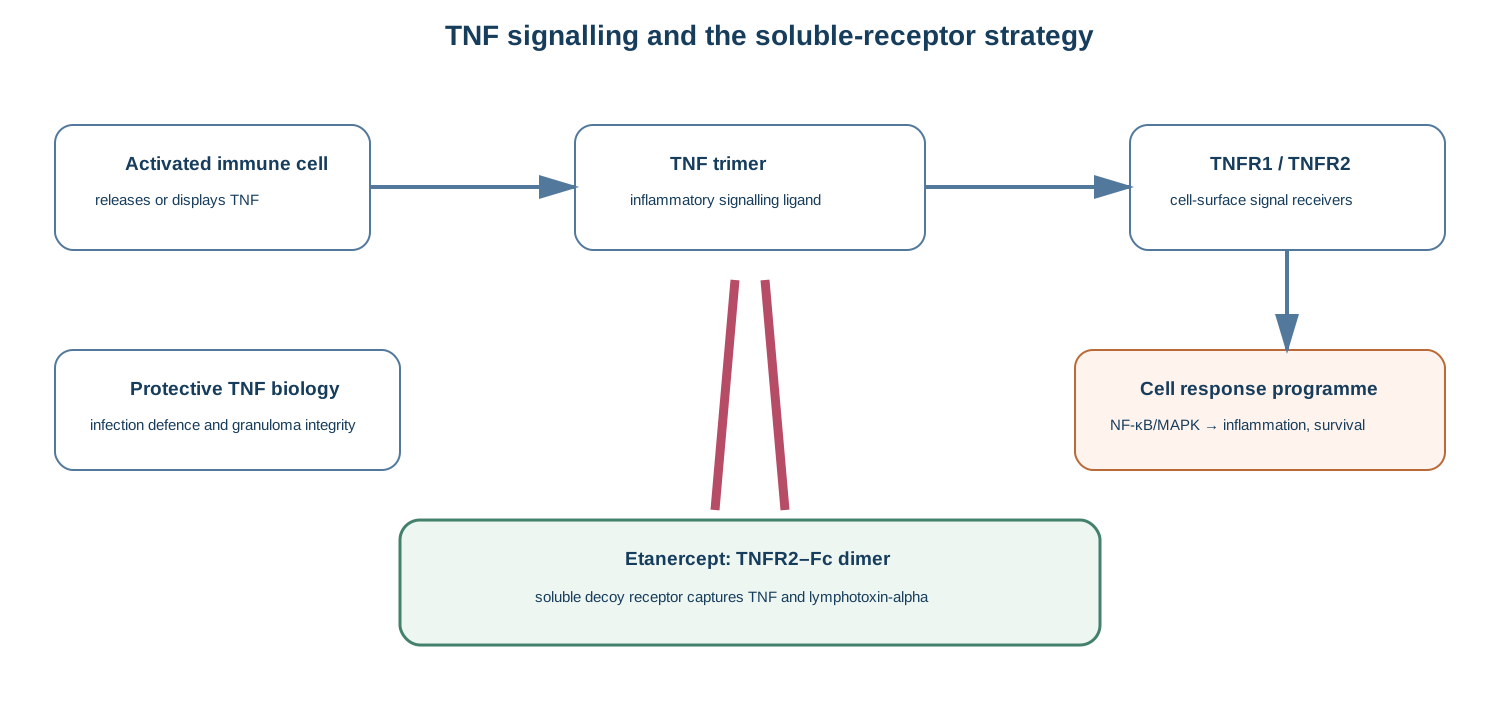
Figure 1. TNF can activate TNFR1 or TNFR2 on cells. Etanercept places soluble TNFR2 binding domains in circulation, capturing TNF before receptor engagement. The map also shows why infection defence and inflammatory disease are affected by the same intervention.
What TNF blockade changes—and what it does not
Neutralising TNF reduces downstream inflammatory cytokines, endothelial activation, leukocyte recruitment and tissue-destructive signalling. It does not remove the initiating antigen, correct every genetic susceptibility or block all inflammatory pathways. Interleukin-6, interleukin-17, interleukin-23, interferons, B cells, T-cell co-stimulation and intracellular kinase pathways may remain active. A patient can therefore have mechanistically plausible primary non-response or lose response without the medicine being defective.
TNF inhibition also weakens protective biology. Granulomas are organised immune structures that help contain pathogens such as Mycobacterium tuberculosis. TNF contributes to their formation and maintenance. Serious and opportunistic infection risk is therefore a predictable extension of mechanism, not an unrelated warning added to an otherwise purely joint-directed medicine.
Class map: why TNF inhibitors are not interchangeable
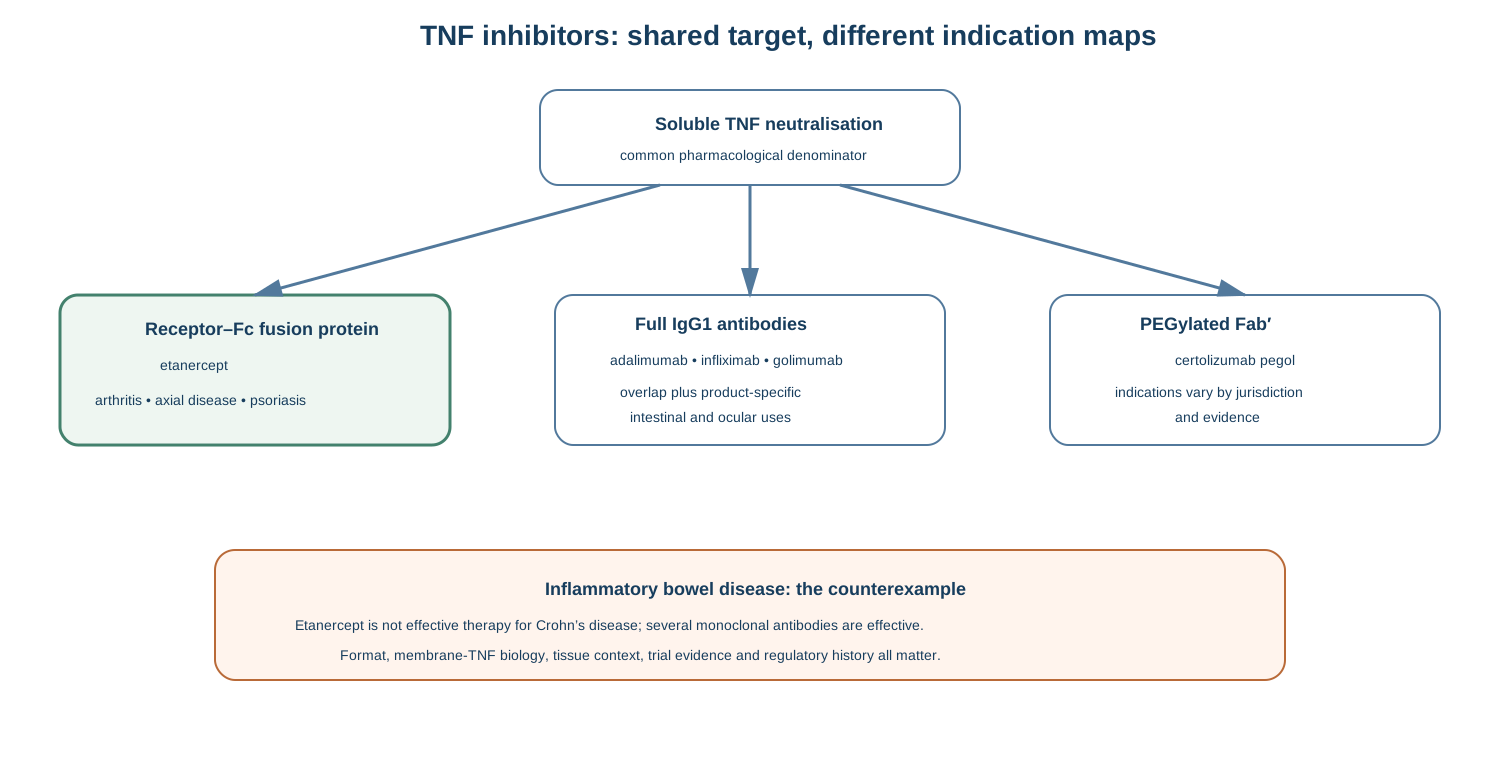
Figure 2. TNF inhibitors overlap in inflammatory arthritis and psoriasis but diverge across intestinal and ocular disease. Molecular format, membrane-TNF behaviour, tissue context, trial evidence and regulatory history all influence the authorised indication map.
The principal TNF-targeted biological formats include full IgG1 monoclonal antibodies such as adalimumab, infliximab and golimumab; a PEGylated Fab′ fragment, certolizumab pegol; and the receptor–Fc fusion protein etanercept. All neutralise soluble TNF, but they do not create identical complexes or identical effects on cells displaying membrane TNF.
Etanercept can bind membrane-associated TNF, but its binding behaviour, complex stability and capacity to trigger reverse signalling or Fc-dependent cellular effects differ from full IgG1 antibodies. “Reverse signalling” means that binding to membrane TNF may transmit a signal back into the TNF-expressing cell. Full antibodies may also support apoptosis or Fc-receptor-dependent effects in particular experimental and tissue contexts. These differences are plausible contributors to indication divergence, but no single molecular explanation should be presented as conclusively accounting for every clinical difference.
The most educational counterexample is inflammatory bowel disease. Several monoclonal anti-TNF antibodies are effective in Crohn’s disease and ulcerative colitis, while etanercept did not show clinical efficacy in Crohn’s disease and is not an inflammatory-bowel-disease treatment. Intestinal mucosal disease appears to require more than simple neutralisation of soluble TNF in many patients. This demonstrates a general rule: a shared cytokine target does not guarantee a shared indication.
Indication-specific disease–product interplay
Rheumatoid arthritis
Rheumatoid arthritis is a systemic autoimmune disease in which persistent synovial inflammation can erode cartilage and bone. The synovium is the membrane lining a joint. Activated macrophages, fibroblast-like synoviocytes, T cells, B cells and inflammatory mediators form a self-sustaining network; TNF amplifies endothelial activation, cytokine release and tissue-destructive enzymes.
Etanercept reduces this amplification. It does not remove autoreactive immune memory or permanently cure the disease. Methotrexate remains an important conventional disease-modifying antirheumatic drug and can be combined with etanercept. Other therapeutic positions include interleukin-6-receptor blockade, B-cell depletion, T-cell co-stimulation modulation and Janus-kinase inhibition. These alternatives interrupt different network nodes and carry different safety profiles.
Early pivotal studies established improvement in active rheumatoid arthritis after inadequate response to conventional therapy. Subsequent studies tested earlier disease and combination with methotrexate. The historical advance was not simply faster symptom relief: biological TNF inhibition demonstrated that targeted cytokine interruption could reduce inflammatory activity and inhibit structural damage when conventional therapy was insufficient.
Juvenile idiopathic arthritis
Juvenile idiopathic arthritis is not childhood rheumatoid arthritis as a single entity; it is a group of persistent inflammatory arthritides beginning in childhood. TNF blockade can reduce joint inflammation in selected polyarticular and juvenile psoriatic phenotypes. Paediatric assessment must add growth, development, vaccination history, infection exposure and malignancy surveillance to the adult framework. Approved ages and subtypes differ between jurisdictions and must be checked in current product information.
Psoriatic arthritis
Psoriatic arthritis can involve peripheral joints, entheses, digits, axial structures, skin and nails. An enthesis is where a tendon or ligament attaches to bone. TNF participates across several domains, but interleukin-17 and interleukin-23 pathways are also central. Etanercept may improve joint and skin disease, yet treatment choice depends on the dominant domain, severity, inflammatory bowel disease, uveitis, comorbidities and prior response.
Axial spondyloarthritis
Axial spondyloarthritis primarily affects the sacroiliac joints and spine and may be radiographic or non-radiographic. Mechanical stress, innate immunity and cytokine networks including TNF and interleukin-17 contribute to inflammation at entheses and adjacent bone. Etanercept reduces inflammatory symptoms and activity in authorised axial disease. It does not reverse established ankylosis, and response should be distinguished from prevention of all future structural progression.
The class map matters here: monoclonal TNF antibodies may be preferred when active inflammatory bowel disease or recurrent uveitis also influences treatment selection, because extra-articular efficacy is not uniform across TNF inhibitors.
Plaque psoriasis
Plaque psoriasis is an immune-mediated disorder in which dendritic cells and T-cell cytokines accelerate keratinocyte proliferation and sustain visible plaques. Keratinocytes are the predominant cells of the epidermis. TNF interacts with the interleukin-23/interleukin-17 axis, so TNF blockade can improve skin disease. Modern alternatives targeting interleukin-17, interleukin-23 or their receptors occupy more specific nodes in this network. Treatment choice depends on severity, joint disease, comorbidity, prior therapy, long-term evidence and patient priorities.
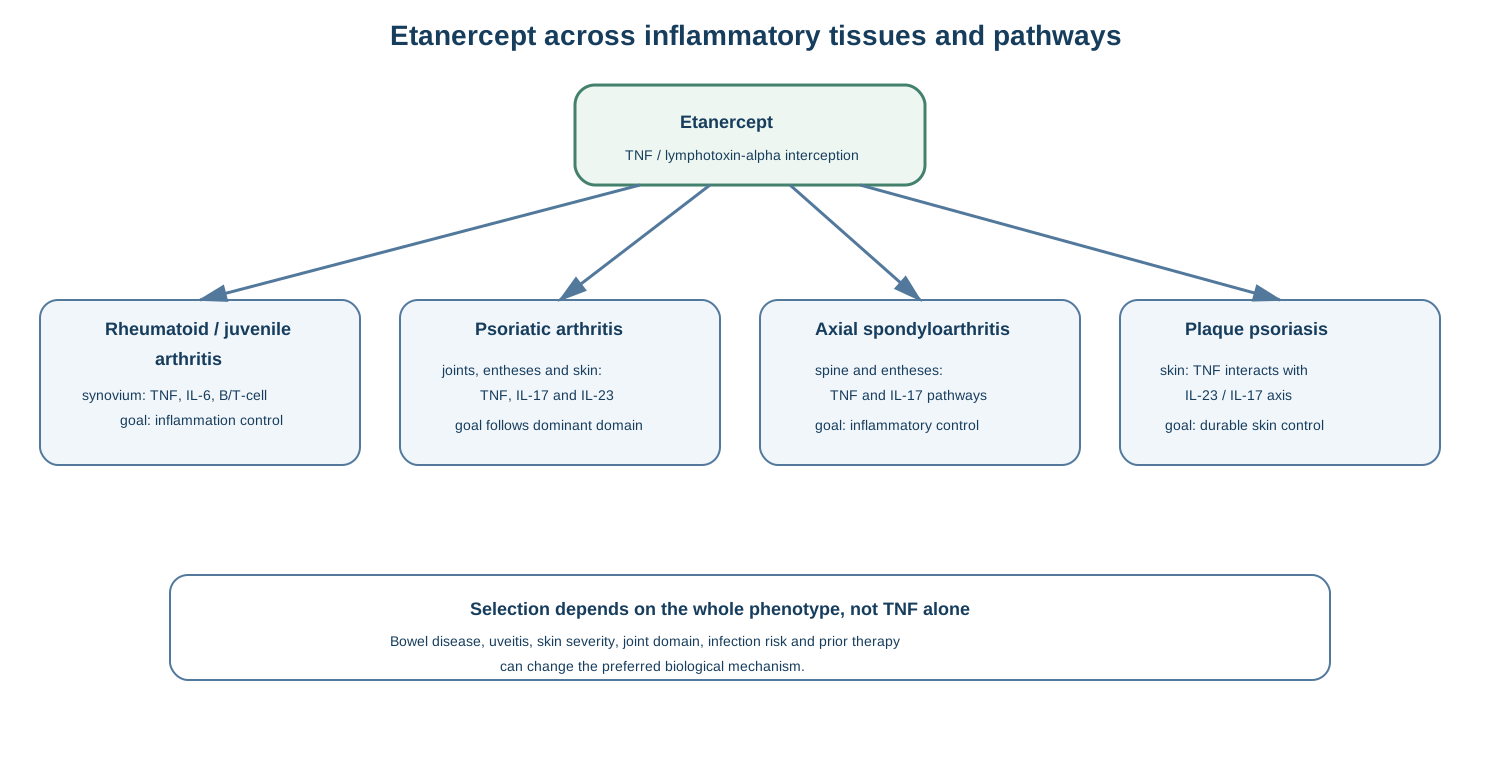
Figure 3. Etanercept occupies a shared TNF node across synovium, enthesis and skin. Each indication nevertheless has different competing pathways, clinical outcomes and reasons for selecting another mechanism.
Development history and present therapeutic role
The soluble-receptor strategy emerged from identification of TNF receptors and the observation that circulating receptor fragments could bind TNF. Recombinant fusion to an IgG1 Fc converted a short-lived natural regulatory idea into a durable therapeutic protein. US approval began in 1998 and EU authorisation followed in 2000, initially in rheumatoid arthritis; paediatric arthritis, psoriatic arthritis, axial spondyloarthritis and psoriasis indications followed through separate evidence programmes.
Etanercept entered practice when conventional disease-modifying medicines, phototherapy and systemic immunosuppression often left substantial uncontrolled disease. Its success helped establish biological disease modification as a practical treatment category. Today it has extensive long-term experience and biosimilar availability, while newer target-specific medicines have expanded choices. Its present role is therefore indication- and phenotype-dependent rather than defined merely by being an early TNF inhibitor.
Safety from normal TNF physiology
The safest way to learn the adverse-event profile is to follow the physiological function being interrupted.
Serious and opportunistic infections
TNF activates immune cells, supports recruitment into infected tissue and helps maintain granulomas. Blocking it can permit new infection, worsen an existing infection or allow latent infection to reactivate. Tuberculosis, invasive fungal infection, bacterial sepsis and other opportunistic infections are therefore prominent regulatory concerns. Screening reduces risk but does not create permanent immunity from infection; clinical vigilance continues during treatment.
An infection report should identify site, organism, diagnostic evidence, seriousness, hospitalisation, antimicrobial therapy, outcome, temporary interruption or discontinuation, concomitant corticosteroids or other immunosuppressants, travel/residence exposures and baseline screening. “Infection on etanercept” is an observation; causality depends on chronology, host susceptibility, disease and co-treatment.
Malignancy
TNF participates in inflammation, immune surveillance and cell-death biology, while chronic inflammatory diseases themselves can increase lymphoma risk. Regulatory labelling highlights lymphoma and other malignancies, including reports in children and adolescents treated with TNF blockers. Individual-case and aggregate interpretation must therefore avoid both extremes: a temporally associated tumour is not automatically caused by treatment, and confounding does not make the signal irrelevant. Age, disease duration and activity, cumulative immunosuppression, tumour type and latency are essential.
Neurological, cardiac, haematological and autoimmune events
Rare new or worsening demyelinating disorders have been reported with TNF inhibitors. TNF signalling has complex and sometimes protective roles within the central nervous system; systemic inflammatory benefit does not imply benefit in demyelinating disease.
Etanercept is not a heart-failure treatment. Clinical programmes evaluating TNF antagonism in heart failure did not establish benefit, and worsening heart failure has been reported. Cytopenias and rare pancytopenia or aplastic anaemia require attention to fever, bruising, bleeding and pallor. Autoantibodies may develop, and lupus-like syndromes or autoimmune hepatitis can occur. These events illustrate that immune modulation can reorganise immune balance rather than simply turn inflammation “down.”
Injection-site reactions, hypersensitivity and immunogenicity
Local erythema, pain, itching or swelling may reflect injection trauma, local innate immune activation, formulation sensitivity or hypersensitivity. Record the device, formulation, site rotation, technique, onset, recurrence and systemic features. Anti-drug antibodies can be detected, but assay result, neutralising capacity, exposure and clinical response must be interpreted together. An antibody result alone is not proof of treatment failure or hypersensitivity.
Paradoxical inflammation
Psoriasis can newly appear or worsen during TNF blockade even though TNF inhibitors treat psoriasis. Inflammatory bowel disease and uveitis events also require product-specific and class-aware assessment. “Paradoxical” means that an intervention used to suppress one inflammatory pattern is associated with emergence of a clinically similar or related inflammatory phenotype; it does not mean the event is imaginary or mechanistically simple.
Safety evolution across the lifecycle
The pre-authorisation trials established frequent injection-site reactions and an infection signal within selected trial populations. Wider and longer exposure revealed tuberculosis and opportunistic infections, demyelination, heart-failure concerns, haematological events, hepatitis B reactivation, autoimmune phenomena and malignancy questions that required label evolution and targeted risk communication.
Paediatric exposure sharpened attention to serious infection, malignancy, vaccination and long-latency uncertainty. Biosimilar entry added a separate operational requirement: traceability to the exact product and batch. The active substance may be shared, but pharmacovigilance must still identify which authorised biological was administered.
Official-source safety framework
| Safety topic | Official-source status | Mechanistic/clinical interpretation |
|---|---|---|
| Serious infections, tuberculosis and opportunistic infection | Prominent EU warning; FDA boxed warning includes serious infections | Directly coherent with loss of protective TNF signalling and granuloma maintenance |
| Malignancy, including paediatric reports | EU warning and FDA boxed-warning component | Requires disease- and co-immunosuppression-adjusted cumulative assessment |
| Hepatitis B reactivation | Labelled warning | Screen and manage according to current product information and clinical guidance |
| Demyelinating disorders | Labelled warning/precaution | Rare; biological plausibility is complex and individual causality needs neurological detail |
| Heart failure | Labelled warning/precaution | Not an authorised therapeutic role; record baseline cardiac status and temporal change |
| Blood dyscrasias | Labelled warning/precaution | Capture laboratory course, marrow evaluation, infection and concomitant medicines |
| Autoimmune reactions and paradoxical psoriasis | Labelled safety information | Demonstrates pathway redistribution rather than uniform immunosuppression |
| Live vaccines | Avoid according to current product information | TNF blockade may impair safe control of replicating vaccine organisms |
Product Pharmacovigilance
Every report should begin with active substance and then identify the exact reference or biosimilar product, presentation, strength, device, batch, dose and administration date. Record the authorised indication and disease activity because baseline risk differs across rheumatoid arthritis, juvenile disease, axial disease and psoriasis.
For infection, malignancy or immune-mediated events, document prior and concomitant immunosuppression, screening, vaccination, relevant medical history, exposure geography, onset relative to dosing, treatment interruption, dechallenge, re-exposure and outcome. For apparent lack of effect, distinguish primary non-response, secondary loss of response, poor adherence, injection difficulty, immunogenicity, incorrect diagnosis and inflammation driven by a different pathway.
Expectedness must be assessed against the applicable current reference safety information, not against class memory. Signal evaluation should then integrate spontaneous reports, clinical studies, registries, literature, exposure, observed-to-expected reasoning and product-specific regulatory history. A class warning is relevant context but does not prove identical frequency or mechanism for every TNF inhibitor.
Official regulatory reference material
| Document | Primary use |
|---|---|
| Current EMA product information and EPAR for etanercept | EU indications, contraindications, warnings, adverse reactions, presentation and assessment history |
| EMA post-authorisation procedural history and PSUSA conclusions | Evolution of EU safety wording and benefit–risk conclusions |
| Current FDA US Prescribing Information | US indications, boxed warning, precautions, adverse reactions and administration |
| FDA approval and clinical-review documents | Historical regulatory reasoning, paediatric evidence and postmarketing requirements |
| FDA REMS database | Verify current REMS status; etanercept’s earlier REMS was released in 2011, but current status must still be checked |
| Current biosimilar EPARs/FDA product information | Product-specific traceability, authorised presentations and biosimilar regulatory context |
Key takeaways
Etanercept is a TNFR2–Fc decoy receptor, not an anti-TNF monoclonal antibody. It neutralises TNF and lymphotoxin-alpha and reduces inflammatory signalling across selected joint, axial and skin diseases. Structural and functional differences within the TNF-inhibitor class help explain why indications are not identical, particularly in inflammatory bowel disease. The same TNF biology that produces benefit also explains infection and immune-safety concerns. Product pharmacovigilance must preserve indication, co-immunosuppression, exact product and batch, and the distinction between class knowledge and product-specific evidence.
References
- European Medicines Agency. Enbrel: EPAR, product information and post-authorisation assessment history. Current product information checked September 2026.
- U.S. Food and Drug Administration. Enbrel (etanercept) Prescribing Information. 2024.
- U.S. Food and Drug Administration. Clinical Review: etanercept biosimilar BLA 761042. 2016.
- Moreland LW, et al. Treatment of rheumatoid arthritis with a recombinant human tumor necrosis factor receptor (p75)-Fc fusion protein. N Engl J Med. 1997;337:141–147.
- Bathon JM, et al. A comparison of etanercept and methotrexate in patients with early rheumatoid arthritis. N Engl J Med. 2000;343:1586–1593.
- Lovell DJ, et al. Etanercept in children with polyarticular juvenile rheumatoid arthritis. N Engl J Med. 2000;342:763–769.
- Leonardi CL, et al. Etanercept as monotherapy in patients with psoriasis. N Engl J Med. 2003;349:2014–2022.
- Mitoma H, et al. Molecular mechanisms of action of anti-TNF-alpha agents: comparison among therapeutic TNF-alpha antagonists. Cytokine. 2018;101:56–63.
- Horiuchi T, et al. Transmembrane TNF-alpha: structure, function and interaction with anti-TNF agents. Rheumatology. 2010;49:1215–1228.
- Billmeier U, et al. Molecular mechanism of action of anti-tumor necrosis factor antibodies in inflammatory bowel diseases. World J Gastroenterol. 2016;22:9300–9313.
- European Medicines Agency. Guideline on good pharmacovigilance practices, Product- or Population-Specific Considerations II: Biological medicinal products.
Regulatory Note
This educational article does not replace current authorised product information or specialist clinical judgement. Indications, age ranges, screening, vaccination advice, dosing and risk-minimisation materials differ by jurisdiction and authorised product and must be checked in current EMA and FDA sources.