Glofitamab: Classification, History, Mechanism of Action, Safety and Pharmacovigilance
- Glofitamab: Classification, History, Mechanism of Action, Safety and Pharmacovigilance
- Multidimensional classification
- Why CD20×CD3 redirection works
- Pretreatment and step-up dosing as pharmacological controls
- Development and regulatory history
- Major safety domains
- Pharmacokinetics and treatment duration
- Pharmacovigilance case assessment
- Signal detection and aggregate review
- Periodic benefit-risk evaluation
- Risk management and operational controls
- Potential failure modes
- Inspection and governance perspective
- Practical checklist
- Key Takeaways
- References
- Regulatory Note
Glofitamab is a bispecific antibody that binds CD20 on B cells and CD3 on T cells. Its therapeutic purpose is to create an immunological bridge: a T cell that would not otherwise recognise the lymphoma cell is brought into close contact with a CD20-positive target, producing T-cell activation, cytotoxicity and tumour-cell killing.
Glofitamab is not simply another anti-CD20 antibody. Its defining feature is T-cell redirection. That creates a safety profile dominated by immune activation, especially cytokine release syndrome (CRS), rather than by B-cell depletion alone. It also means that tumour burden, pretreatment, step-up dosing, concomitant corticosteroids and the timing of each dose are central PV variables.
Multidimensional classification
| Classification axis | Glofitamab classification | Scientific or PV significance |
|---|---|---|
| Molecular class | Bispecific monoclonal antibody | Simultaneous recognition of a tumour antigen and T-cell receptor complex |
| Targets | CD20 and CD3 | Links B cells to T cells |
| Geometry | 2:1 format with bivalent CD20 and monovalent CD3 binding | Distinguishes target avidity and synapse geometry from other CD20×CD3 molecules |
| Functional class | T-cell engager | Benefit and acute toxicity arise from induced immune-cell interaction |
| Treatment architecture | Step-up dosing after B-cell-depleting pretreatment | Designed to moderate early immune activation and CRS risk |
| Disease context | Relapsed/refractory DLBCL; EU combination use also includes gemcitabine/oxaliplatin in defined transplant-ineligible patients | Regimen affects cytopenia, infection and attribution |
| PV-critical risks | CRS, neurologic toxicity, infection, tumour flare, TLS, cytopenias | Require chronology relative to step-up doses and tumour burden |
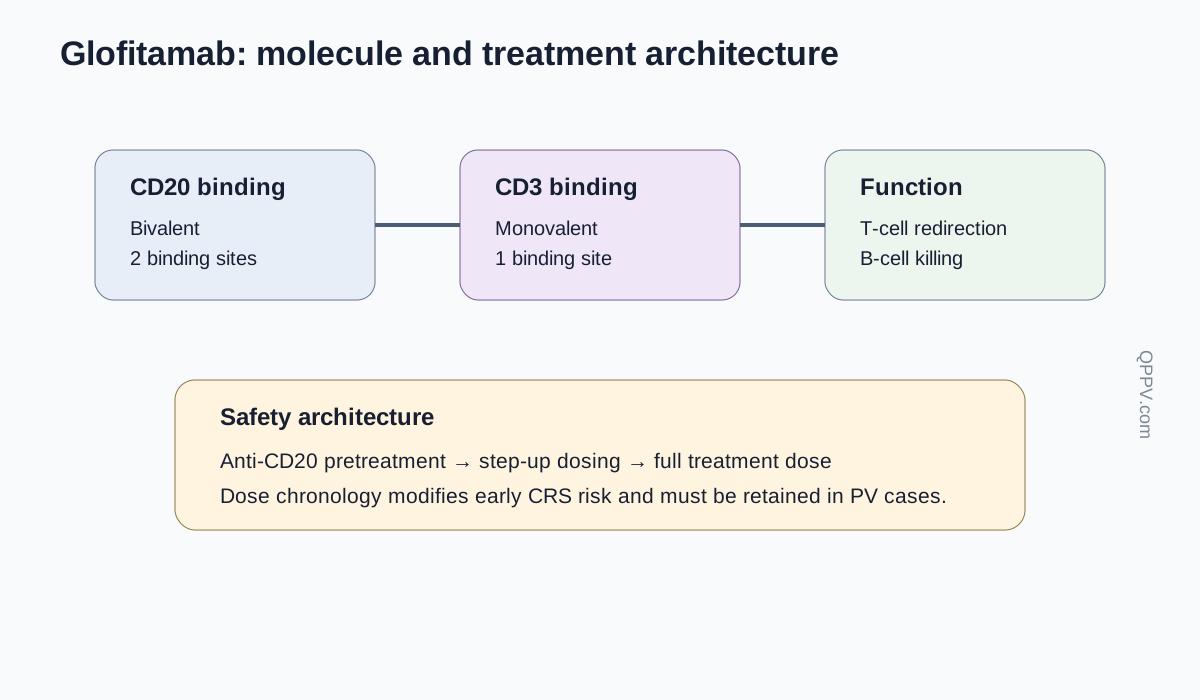
Figure 1. Glofitamab is best classified by its operation: a 2:1 CD20×CD3 bispecific antibody that creates a T-cell–B-cell synapse. The treatment architecture around that mechanism is part of the safety system.
Why CD20×CD3 redirection works
CD20 is expressed on many mature B cells and B-cell lymphomas. CD3 is part of the T-cell receptor signalling complex. When a bispecific antibody binds both targets, it can bring a T cell into close contact with a malignant B cell and trigger cytotoxic effector function without requiring conventional antigen presentation through a tumour-specific T-cell receptor.
The resulting immune synapse promotes release of perforin and granzymes, T-cell proliferation and cytokine production. The same cytokine response that contributes to rapid antitumour activity can become systemic, producing CRS.
Why 2:1 geometry matters
Glofitamab has two CD20-binding sites and one CD3-binding site. Bivalent CD20 recognition increases avidity for CD20-positive cells, while monovalent CD3 engagement limits the molecule to a single T-cell-binding arm. Geometry does not by itself predict clinical toxicity, but it is a meaningful molecular distinction from 1:1 bispecific formats and should be preserved when comparing products.
Pretreatment and step-up dosing as pharmacological controls
Before the first glofitamab dose, patients receive an anti-CD20 pretreatment according to current product information. This reduces circulating and tissue B-cell target burden and is intended to attenuate the magnitude of first-dose immune activation. Glofitamab is then introduced through step-up dosing rather than at the full treatment dose immediately.
These are not administrative details. They change the biological starting conditions for the first exposures. A CRS case therefore requires the exact pretreatment date, first and second step-up doses, full dose, premedication and tumour burden.
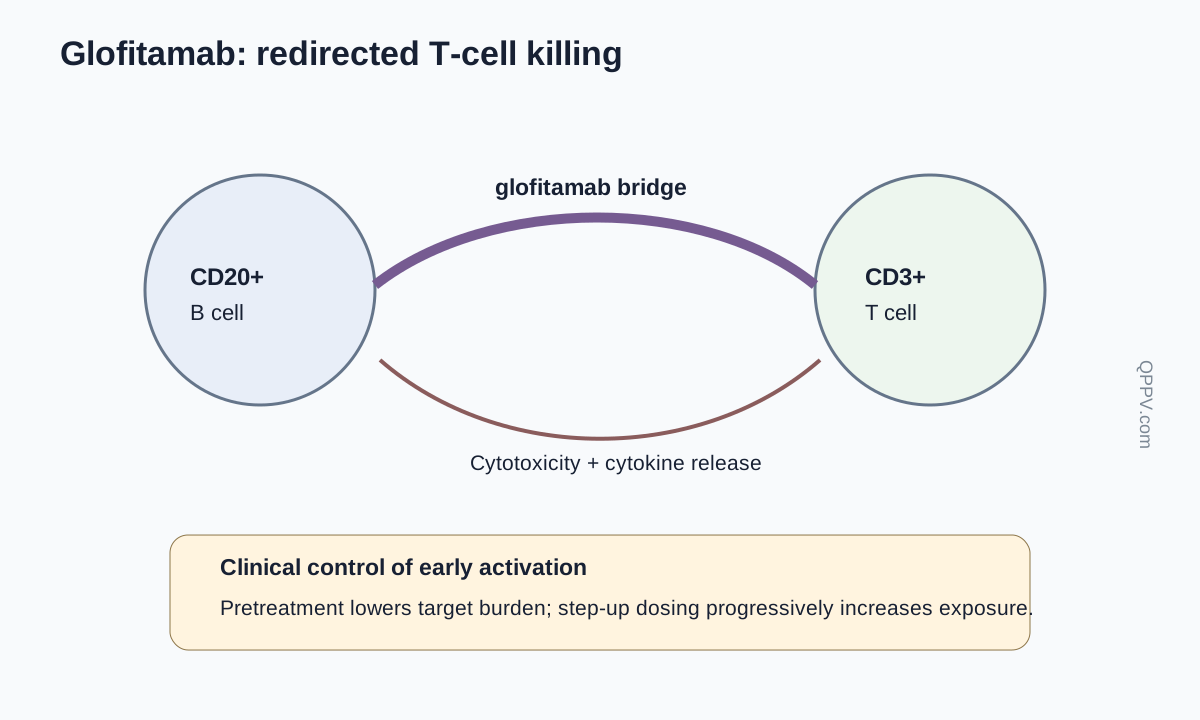
Figure 2. Glofitamab bridges CD20-positive B cells and CD3-positive T cells. Pretreatment reduces target burden and step-up dosing progressively increases exposure, modifying the early immune-activation environment rather than changing the fundamental mechanism.
Development and regulatory history
CD20×CD3 bispecific development built on decades of experience with anti-CD20 therapy while adding direct T-cell redirection. Clinical programmes showed that this approach could produce responses in heavily pretreated aggressive B-cell lymphoma, including patients whose disease had progressed after multiple systemic therapies.
The European Union authorised glofitamab in 2023 for relapsed or refractory diffuse large B-cell lymphoma after two or more lines of systemic therapy. The EU indication later expanded to include glofitamab with gemcitabine and oxaliplatin for defined adults with relapsed or refractory DLBCL who are ineligible for autologous stem-cell transplantation. This expansion changes the safety background because cytotoxic chemotherapy contributes independently to cytopenias, infection and gastrointestinal toxicity.
Major safety domains
Cytokine release syndrome
CRS is the signature acute toxicity of CD20×CD3 T-cell engagement. It reflects rapid immune activation and cytokine release rather than direct organ toxicity from the antibody itself. Fever is common, but clinically important CRS may include hypotension, hypoxia and organ dysfunction.
For PV assessment, timing relative to each step-up dose is crucial. Early-cycle clustering is biologically expected, whereas a similar syndrome later in treatment raises a broader differential diagnosis that includes infection, tumour progression and other inflammatory causes. Severity grading should be based on the applicable clinical criteria documented in the source, not inferred from one symptom.
Neurologic toxicity and ICANS
Neurologic adverse events can include confusion, aphasia, tremor, somnolence, seizure or encephalopathy. Immune effector cell-associated neurotoxicity syndrome (ICANS) is a specific clinical syndrome and should not be coded merely because any neurologic symptom occurred. When ICANS is suspected, the case should preserve mental-status findings, ICE or equivalent assessment where available, seizures, imaging/EEG, corticosteroid treatment and competing metabolic or infectious explanations.
Tumour flare
Rapid immune recruitment around lymphoma deposits can produce pain, swelling or transient enlargement that may mimic progression. Tumour flare is particularly important when disease involves anatomically constrained sites. Imaging chronology, local symptoms and subsequent tumour response help distinguish flare from true progression.
Tumour lysis syndrome
Rapid tumour killing can release intracellular contents and produce hyperuricaemia, hyperkalaemia, hyperphosphataemia, hypocalcaemia and acute kidney injury. Tumour burden, baseline renal function, prophylaxis, hydration and laboratory trajectory are essential follow-up variables.
Infection and B-cell depletion
Treatment affects both malignant and normal B-cell compartments, while heavily pretreated lymphoma patients may already have impaired humoral immunity, neutropenia and prior immunosuppressive exposure. Infection cases therefore require baseline immune status, neutrophil counts, immunoglobulins where available, antimicrobial prophylaxis and concomitant chemotherapy.
Cytopenias
Neutropenia, anaemia and thrombocytopenia may arise from prior marrow damage, active lymphoma, concomitant chemotherapy or treatment. In the combination setting, attribution should not be forced to glofitamab when gemcitabine or oxaliplatin provides an equally plausible explanation.
Pharmacokinetics and treatment duration
Glofitamab is given intravenously according to a defined treatment schedule. Fixed-duration treatment is an important contextual feature: cumulative exposure, timing of late events and persistence of immune effects should be interpreted against the planned course rather than assuming indefinite dosing.
Pharmacovigilance case assessment
A useful glofitamab case begins with the treatment sequence: pretreatment, first step-up dose, second step-up dose, full dose, premedication and concomitant anticancer therapy. The next layer is tumour burden and disease location. Only then can the adverse-event chronology be interpreted.
Event-specific follow-up priorities
| Event | High-value follow-up information |
|---|---|
| CRS | Dose number, onset, fever, hypotension, hypoxia, grade, infection work-up, tocilizumab/corticosteroids, ICU care, outcome |
| Neurologic event / ICANS | Mental-status findings, ICE score where available, seizure, imaging/EEG, metabolic/infectious causes, corticosteroids |
| Tumour flare | Disease sites, local symptoms, imaging, timing, airway/organ compromise, subsequent response |
| TLS | Tumour burden, uric acid, potassium, phosphate, calcium, creatinine, prophylaxis, dialysis, outcome |
| Infection | Site/pathogen, neutrophils, immunoglobulins, prophylaxis, concomitant chemotherapy, hospital course |
| Cytopenia | Baseline/serial counts, marrow involvement, chemotherapy timing, infection/bleeding consequence, recovery |
Signal detection and aggregate review
CRS should be analysed by dose number and treatment cycle rather than as a single undifferentiated case pool. Neurologic events should be medically reviewed to distinguish ICANS from other causes. Combination-regimen data require separate stratification because chemotherapy changes both denominator exposure and adverse-event background.
For infection and cytopenias, baseline disease and previous lines of therapy are major confounders. Signal evaluation is stronger when these variables are preserved instead of comparing crude spontaneous-report counts across unrelated lymphoma populations.
Periodic benefit-risk evaluation
Periodic evaluation should connect response and durability with acute immune toxicity, serious infection, neurologic events, tumour lysis, tumour flare and cytopenias. The combination indication requires regimen-aware assessment because gemcitabine and oxaliplatin change the expected safety profile and may modify exposure to supportive treatments.
Changes in line of therapy or transplant eligibility can also change the population's baseline risk. A safety pattern observed in multiply pretreated monotherapy patients should not automatically be extrapolated to an earlier combination-treatment setting without considering those differences.
Risk management and operational controls
Current product information specifies pretreatment, step-up dosing, monitoring and management of CRS and other serious risks. Operational PV practice should preserve dose sequence, pretreatment completion and symptom timing; otherwise the mechanism-specific risk controls cannot be evaluated.
Useful controls include structured CRS and neurologic follow-up, mandatory dose-number fields, tumour-burden capture for TLS/CRS, combination-regimen fields, and escalation rules for anatomically dangerous tumour flare.
Potential failure modes
The following are illustrative scenarios, not published inspection findings:
- CRS is recorded without dose number or step-up chronology.
- Fever after a later cycle is coded as CRS without an infection work-up.
- Any confusion is labelled ICANS despite metabolic or infectious explanations.
- A painful enlarging node is coded as progression without considering tumour flare.
- Neutropenia in the combination regimen is attributed only to glofitamab without chemotherapy timing.
- Pretreatment is absent from the case, making early immune-activation risk impossible to reconstruct.
Inspection and governance perspective
An inspector assessing glofitamab pharmacovigilance could examine whether the system retains the treatment architecture that makes the product safe to administer: pretreatment, step-up doses, premedication and monitoring. Evidence may include targeted CRS/ICANS forms, case-processing conventions, dose-sequence reconciliation, patient-card implementation, signal stratification by monotherapy versus combination therapy, and documentation of escalation decisions.
The core governance question is whether the safety database represents glofitamab as a timed immune-activation programme rather than a series of isolated infusions.
Practical checklist
For a glofitamab case or aggregate analysis, confirm:
- lymphoma subtype, disease burden and relevant anatomic sites;
- pretreatment and its timing;
- exact step-up/full-dose sequence;
- concomitant chemotherapy and supportive treatment;
- CRS phenotype and severity variables;
- neurologic examination and competing causes;
- tumour-lysis laboratory trajectory;
- infection, neutrophils and immune status;
- product/batch information where relevant.
Key Takeaways
Glofitamab is a 2:1 CD20×CD3 bispecific T-cell engager. Its therapeutic effect and major acute toxicities arise from the same operation: forced interaction between T cells and CD20-positive B cells. Pretreatment and step-up dosing therefore belong to the mechanism, not merely to administration logistics.
Pharmacovigilance should preserve dose chronology, tumour burden and regimen context. CRS, neurologic toxicity, tumour flare, TLS, infection and cytopenias are only interpretable when the treatment sequence is reconstructed.
References
- European Medicines Agency. Glofitamab (Columvi): EPAR and current product information. https://www.ema.europa.eu/en/medicines/human/EPAR/columvi
- Dickinson MJ, Carlo-Stella C, Morschhauser F, et al. Glofitamab for relapsed or refractory diffuse large B-cell lymphoma. N Engl J Med. 2022;387:2220-2231. doi:10.1056/NEJMoa2206913.
- Hutchings M, Morschhauser F, Iacoboni G, et al. Glofitamab, a novel, bivalent CD20-targeting T-cell-engaging bispecific antibody, induces durable complete remissions in relapsed or refractory B-cell lymphoma. J Clin Oncol. 2021;39:1959-1970. doi:10.1200/JCO.20.03175.
Regulatory Note
Authorised indications, pretreatment, step-up schedules, monitoring periods and management instructions may change. Current regional product information is the authoritative source for use. Regulatory information in this article was checked against EMA material available in September 2026; operational recommendations are presented as pharmacovigilance practice unless explicitly identified as regulatory requirements.