Interferon gamma-1b is a recombinant form of human interferon-gamma (IFN-γ), a cytokine that coordinates cell-mediated immunity. It is marketed in the United States as Actimmune and is used for two rare inherited disorders: chronic granulomatous disease (CGD) and severe malignant osteopetrosis (SMO).
These indications initially appear unrelated. CGD is an immune-deficiency disorder in which phagocytes cannot generate a normal oxidative burst. Malignant osteopetrosis is a bone-remodelling disorder in which osteoclast function is severely impaired. The connection is not that the diseases share one mutation; rather, IFN-γ influences macrophage-lineage cells and broader immune pathways that are biologically relevant to both conditions.
An important scientific qualification is necessary from the outset: the receptor signalling of IFN-γ is well characterised, but the complete mechanism by which interferon gamma-1b produces clinical benefit in CGD and severe malignant osteopetrosis is not fully explained by a single pathway. A textbook account should distinguish established cytokine biology from therapeutic mechanistic inference.
Table of Contents
- Product identity and classification
- Development and regulatory history
- Interferon-gamma biology
- Physiological sources and functions
- IFN-γ receptor signalling
- Chronic granulomatous disease
- The NADPH oxidase defect
- Why granulomas form
- Severe malignant osteopetrosis
- Mechanism of therapeutic action
- Clinical positioning and administration
- Safety profile and mechanism-informed interpretation
- Flu-like systemic reactions
- Cardiac effects
- Neurological effects
- Bone-marrow suppression
- Hepatic effects
- Hypersensitivity
- Product pharmacovigilance
- Practical assessment framework
- Key Takeaways
- References
- Regulatory Note
Product identity and classification
| Dimension | Classification |
|---|---|
| Modality | Recombinant cytokine biological |
| Molecule | Interferon gamma-1b |
| Receptor | IFN-γ receptor complex |
| Signalling | JAK1/JAK2–STAT1-dominant cytokine signalling |
| Route | Subcutaneous injection |
| US indications | CGD and severe malignant osteopetrosis |
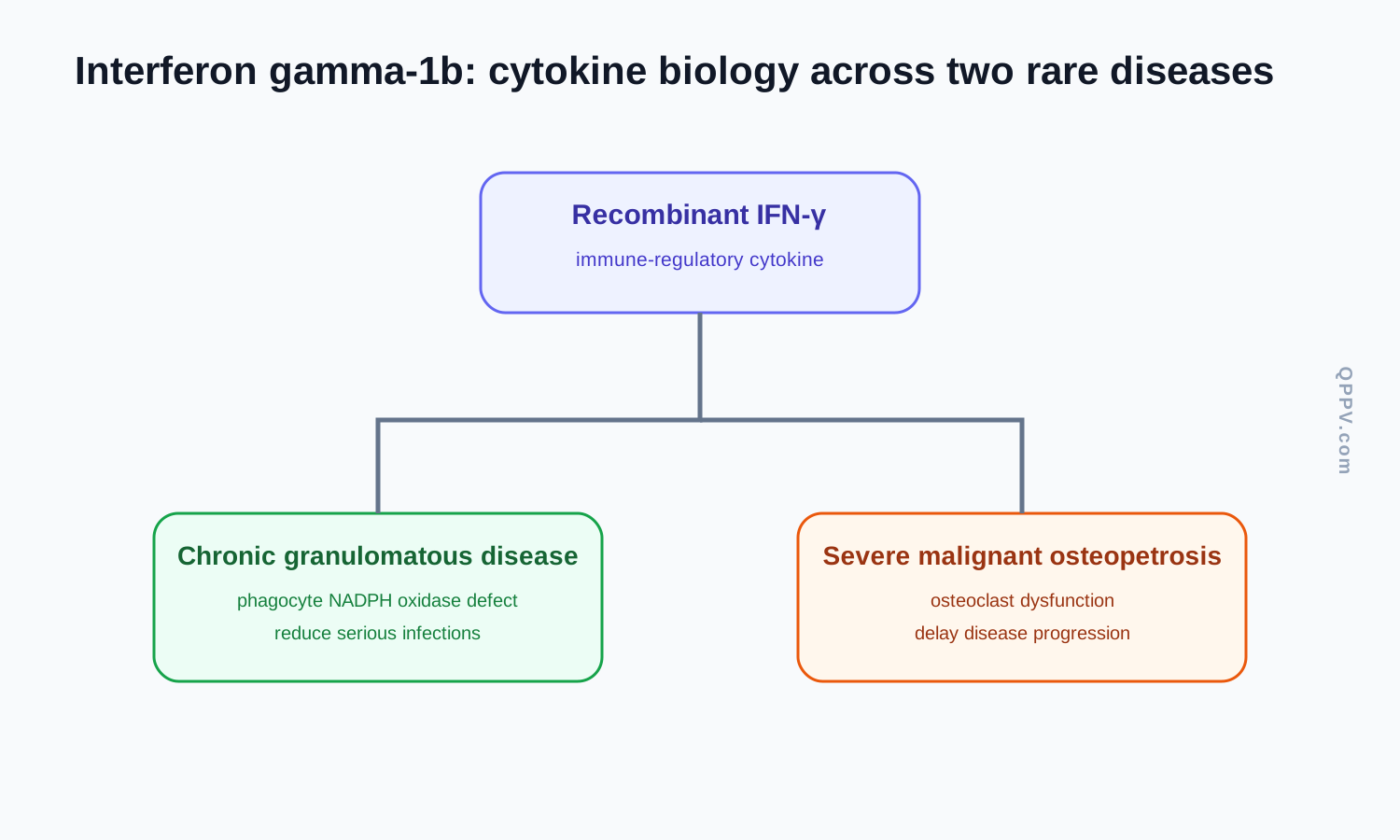
Figure 1. Interferon gamma-1b is a recombinant immunoregulatory cytokine rather than an antibody or growth factor. Its two US indications involve different diseases but both intersect macrophage-lineage and immune biology.
Development and regulatory history
Interferon-gamma was identified as an immune interferon distinct from type I interferons such as interferon-alpha and interferon-beta. Recombinant biotechnology made clinical production possible and allowed the cytokine to be tested in disorders where macrophage activation and antimicrobial defence were impaired.
Actimmune received US approval in 1990 for CGD after clinical evidence showed reduced frequency and severity of serious infections when added to the broader management regimen. In 2000, the indication expanded to delaying disease progression in severe malignant osteopetrosis.
The product remains a US-authorised rare-disease therapy. Interferon-gamma has had research and orphan-designation activity in Europe for other diseases, but such designations are not equivalent to marketing authorisation. The former EU orphan designation for Friedreich's ataxia, for example, was withdrawn from the Union Register in 2025 and never represented an approved Actimmune indication.
Interferon-gamma biology
Physiological sources and functions
IFN-γ is produced predominantly by activated T lymphocytes and natural killer cells. It enhances antigen presentation, activates macrophages, shapes T-helper-cell differentiation and coordinates antimicrobial cell-mediated immunity. It also influences expression of major histocompatibility complex molecules and numerous genes involved in host defence.
Because IFN-γ is an endogenous signalling molecule with effects across several tissues, recombinant administration behaves differently from a narrowly targeted monoclonal antibody. Systemic symptoms such as fever, chills and malaise are understandable extensions of cytokine biology.
IFN-γ receptor signalling
The IFN-γ receptor consists of IFNGR1 and IFNGR2 chains associated with JAK1 and JAK2. Ligand binding activates these kinases, leading predominantly to phosphorylation and dimerisation of STAT1. STAT1 enters the nucleus and changes transcription of interferon-responsive genes.
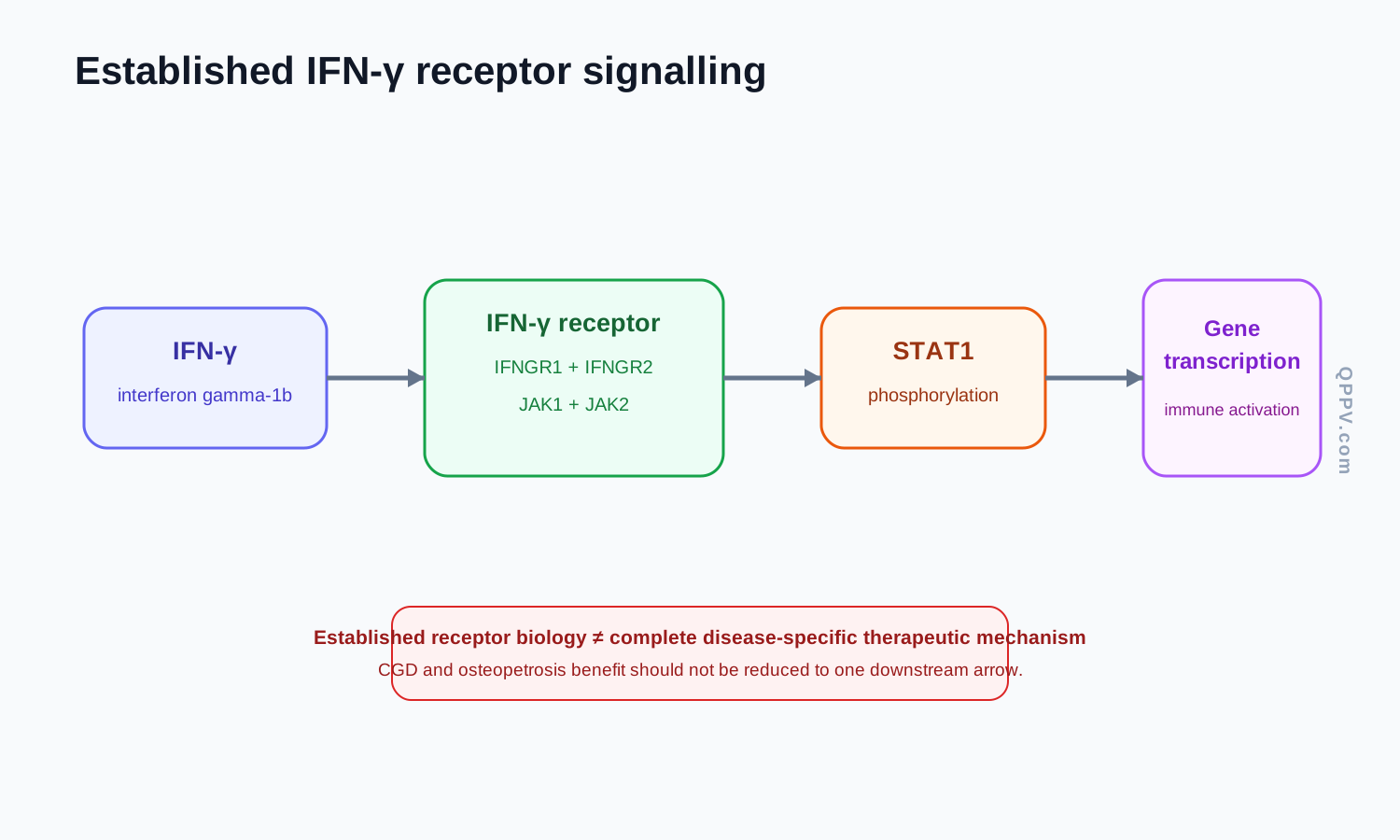
Figure 2. Interferon gamma-1b binds the IFN-γ receptor, activates JAK1/JAK2 and STAT1, and alters transcription of genes involved in immune activation and host defence. This established signalling pathway should be distinguished from the less completely defined mechanism of clinical benefit in CGD and osteopetrosis.
Chronic granulomatous disease
The NADPH oxidase defect
CGD results from inherited defects in components of the phagocyte NADPH oxidase complex. Neutrophils and other phagocytes can ingest microbes but cannot generate a normal respiratory burst and reactive oxygen species needed for optimal killing of certain bacteria and fungi.
The result is recurrent, sometimes life-threatening infection, particularly with catalase-positive organisms, together with dysregulated inflammatory responses.
Why granulomas form
Persistent organisms and poorly resolved inflammation can lead to organised collections of macrophages and other immune cells called granulomas. Granulomas can obstruct hollow organs and create inflammatory complications even when active infection is not obvious.
CGD management therefore typically combines antimicrobial prophylaxis, antifungal prophylaxis, interferon gamma-1b in appropriate settings and rapid treatment of breakthrough infections. Haematopoietic stem-cell transplantation can be curative for selected patients.
Severe malignant osteopetrosis
Osteopetrosis is characterised by abnormally dense bone because bone resorption is defective. In severe infantile forms, dysfunctional osteoclasts fail to remodel the skeleton. Despite increased radiographic density, the bone can be brittle and the narrowed marrow cavity can impair haematopoiesis. Cranial-nerve compression, visual loss, anaemia, thrombocytopenia and infection may occur.
Interferon gamma-1b can delay disease progression, but it does not replace definitive evaluation for haematopoietic stem-cell transplantation in appropriate genetic forms. The therapeutic mechanism in osteopetrosis is complex and may involve effects on osteoclast-lineage function and immune cells rather than a simple direct correction of the underlying mutation.
Mechanism of therapeutic action
The best-established pharmacology of interferon gamma-1b is activation of IFN-γ receptor signalling and interferon-responsive gene expression. In CGD, clinical benefit has been associated with improved host defence, but it should not be described simply as “restoring the oxidative burst” in every patient. CGD mutations affect different components of NADPH oxidase, and the precise contribution of IFN-γ can include enhanced antimicrobial and immune functions beyond any measurable change in superoxide production.
In severe malignant osteopetrosis, interferon-gamma can influence monocyte/macrophage and osteoclast-lineage biology and has been associated with improved bone resorption and haematological parameters in some patients. Again, the mechanism is not equivalent to correcting the causal genetic defect.
This distinction is important for PV. A breakthrough infection during Actimmune treatment does not necessarily mean that the drug failed pharmacologically; the underlying immune defect persists. Similarly, progression of osteopetrosis can occur despite therapy because the medicine delays progression rather than universally normalising bone remodelling.
Clinical positioning and administration
The current US label indicates Actimmune for reducing the frequency and severity of serious infections associated with CGD and for delaying time to disease progression in severe malignant osteopetrosis. It is administered subcutaneously three times weekly using body-size-based dosing.
CGD therapy is multimodal. Antibiotic and antifungal prophylaxis, vaccination planning, infection surveillance and specialist care remain necessary. In severe osteopetrosis, transplantation assessment and management of haematological, neurological and skeletal complications continue alongside cytokine therapy.
Because many recipients are children, practical dosing and administration details are particularly important. Weight or body-surface-area changes, caregiver technique, vial handling and injection-site rotation can affect exposure and tolerability.
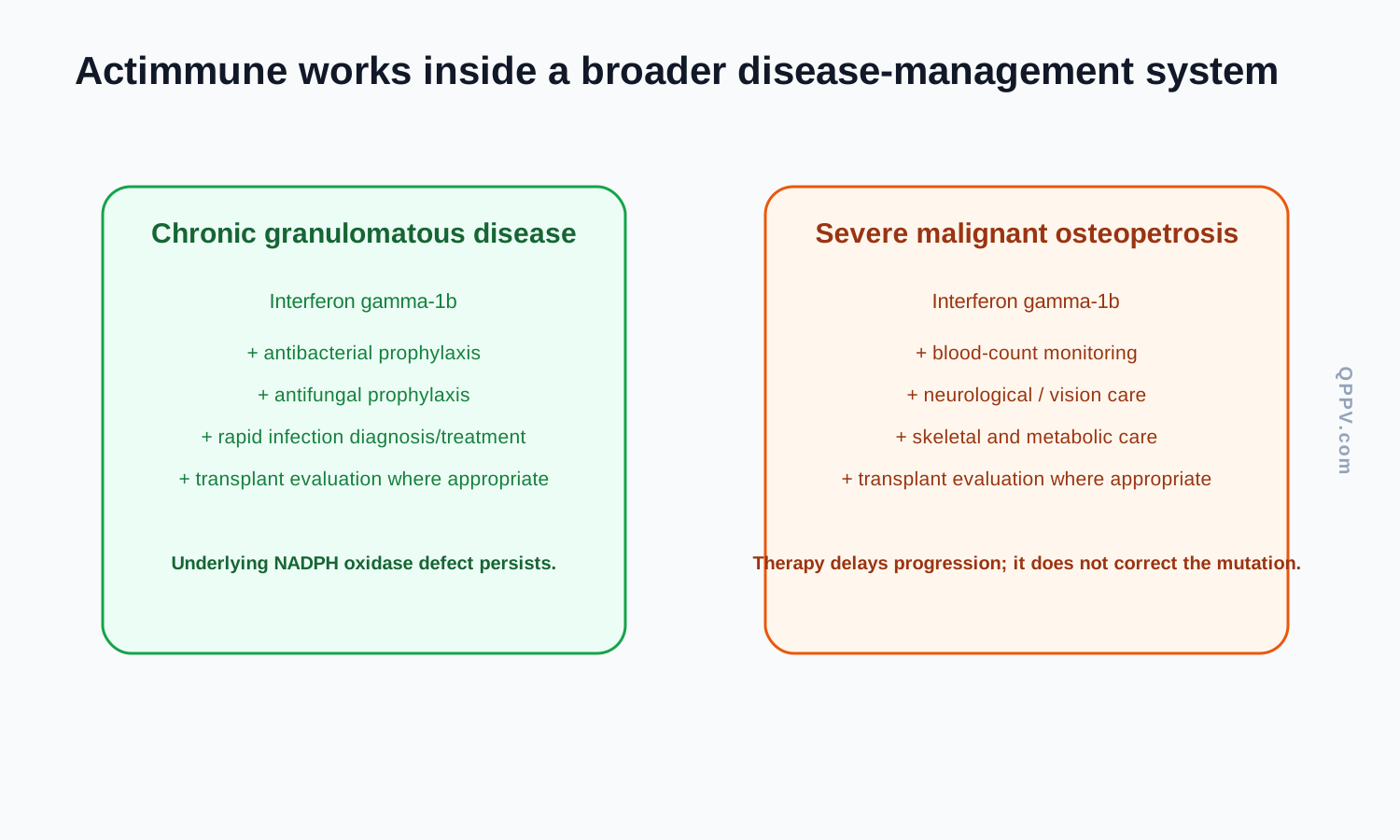
Figure 3. Actimmune is one component of disease management. CGD requires antimicrobial prevention and rapid infection treatment; severe osteopetrosis requires multidisciplinary skeletal, haematological and transplant assessment.
Safety profile and mechanism-informed interpretation
Flu-like systemic reactions
Fever, headache, chills, myalgia and fatigue are common interferon-associated effects. They reflect the biological activity of an inflammatory cytokine rather than an allergic reaction in most cases. Symptoms may be temporally related to injections and can diminish with continued treatment or supportive management.
PV assessment should nevertheless avoid dismissing all fever as an expected drug effect, especially in CGD where fever may be the first sign of a serious infection. The clinical context—timing after injection, associated rigors, localising symptoms, cultures, inflammatory markers and response to antimicrobials—is essential.
Cardiac effects
High doses of interferon gamma-1b can exacerbate pre-existing cardiac disease through systemic flu-like stress and cytokine effects. Patients with arrhythmia, heart failure or ischaemic disease may be more vulnerable.
A cardiac case should capture baseline disease, dose, fever/dehydration, electrocardiographic findings, cardiac biomarkers where obtained and concomitant infection. A child with CGD and sepsis-related tachycardia presents a different causal problem from an adult with established heart failure who develops decompensation after recurrent cytokine-associated fever.
Neurological effects
High-dose interferon gamma has been associated with reversible neurological effects including confusion, altered mental status, gait disturbance and dizziness. Seizure history and other neurological disorders are relevant risk context.
Neurological symptoms in severe osteopetrosis may also result from cranial-nerve compression or intracranial consequences of the underlying skeletal disease. In CGD, central nervous system infection is another important alternative cause. Product attribution therefore requires syndrome-level assessment rather than a broad term such as “neurological disorder”.
Bone-marrow suppression
Neutropenia and thrombocytopenia can occur, particularly at higher exposure. This is clinically important because CGD patients depend on effective phagocyte function, while severe osteopetrosis itself can compromise marrow space and baseline blood counts.
Serial counts and baseline values are therefore essential. A new cytopenia may reflect interferon exposure, infection, marrow crowding from osteopetrosis, another medicine or combinations of these.
Hepatic effects
Reversible elevations of hepatic transaminases have been reported, with young infants requiring particular monitoring under current product guidance. Cases should capture baseline liver tests, serial values, infection/sepsis, other hepatotoxic medicines and response to dose interruption or reduction.
Hypersensitivity
Severe hypersensitivity and rash are uncommon but possible. Immediate systemic reactions should be separated from expected fever/chills. The formulation is produced using recombinant technology in E. coli, and hypersensitivity to interferon-gamma, E. coli-derived products or excipients is relevant to the contraindication framework.
Product pharmacovigilance
Actimmune PV is unusually dependent on disease context because the two approved populations already have high risks of infection, cytopenia, neurological complications and paediatric hospitalisation. A report cannot be assessed well without knowing whether the patient has CGD or severe malignant osteopetrosis.
High-value information includes genotype when available, age/body size, dose calculation, injection schedule, prophylactic antimicrobials, baseline blood counts and liver tests, infection microbiology, transplantation history and caregiver administration details.
Breakthrough infection versus expected systemic reaction
CGD creates a particularly important attribution problem. Fever, chills and malaise after an injection may be an expected cytokine reaction, but the same symptoms can indicate invasive bacterial or fungal infection in a patient whose underlying phagocyte defect remains present.
A useful assessment asks whether symptoms recur predictably after injections and resolve, or whether they persist, localise or progress. Blood cultures, imaging, organism identification and antimicrobial treatment can transform the interpretation. A pharmacovigilance system should never allow the known flu-like safety profile to become a reason for under-investigating infection.
Medication errors and caregiver administration
Three-times-weekly subcutaneous dosing can create schedule errors, dose-calculation errors and missed doses. Paediatric dosing changes with body size, so an outdated prescribed dose may become inappropriate as a child grows. Home administration also creates potential storage, vial, syringe and injection-technique issues.
Medication-error reports should capture the prescribed dose, actual administered amount, body weight or surface area used in the calculation, frequency, duration of the error and any clinical consequence.
Aggregate interpretation
Useful stratifications include indication, age, genotype where available, dose intensity, infection organism, baseline cytopenias and concomitant antimicrobial therapy. Serious infections in CGD should not be interpreted solely as adverse reactions because they are also central manifestations of the disease; observed-versus-expected reasoning requires knowledge of disease severity and preventive regimen.
In osteopetrosis, cytopenias and neurological events should be stratified by baseline marrow compromise and skeletal complications. Longitudinal assessment is more informative than simple event counts.
Practical assessment framework
- Confirm CGD or severe malignant osteopetrosis. The same event has different background probability in the two diseases.
- Verify dose calculation and schedule. Paediatric body size and three-times-weekly dosing create error opportunities.
- Define fever carefully. Distinguish predictable post-dose flu-like symptoms from infection.
- Capture microbiology in CGD. Organism and site are high-value causal data.
- Compare blood counts with baseline. Cytopenia may be disease-related, infectious or treatment-related.
- Review liver-test trends. Young infants deserve particular attention.
- Assess neurological symptoms against disease complications. CNS infection and osteopetrotic nerve compression are major alternatives.
- Preserve concomitant preventive therapy. Antibacterial and antifungal prophylaxis are part of the clinical system.
- Use mechanism with appropriate uncertainty. IFN-γ signalling is established; the complete disease-specific therapeutic mechanism is not.
Illustrative scenario: fever after injection in CGD
A child develops fever and chills the evening after an Actimmune injection. The family reports that mild fever has occurred after prior doses, but this episode persists into the next day and is accompanied by cough and lethargy. Imaging later shows pneumonia and culture identifies a pathogen.
A weak assessment might classify the fever as an expected interferon reaction and stop there. A stronger assessment recognises the changed duration and associated symptoms, preserving the serious infection as a distinct event while still documenting the temporal post-dose reaction.
Illustrative scenario: neutropenia in severe osteopetrosis
An infant with severe osteopetrosis and pre-existing marrow compromise develops worsening neutropenia after several weeks of treatment. The case requires baseline counts, marrow findings, intercurrent infection, other medicines and serial counts after dose modification. The underlying disease creates a strong alternative cause, but the known potential for interferon-related marrow suppression remains relevant.
Key Takeaways
- Interferon gamma-1b is recombinant IFN-γ used in the United States for CGD and severe malignant osteopetrosis.
- IFN-γ signals through IFNGR1/IFNGR2, JAK1/JAK2 and predominantly STAT1-mediated transcription.
- The complete mechanism of clinical benefit in CGD and osteopetrosis is more complex than the established receptor pathway and should not be overstated.
- CGD remains an inherited phagocyte defect during treatment; breakthrough infections remain possible and clinically important.
- Flu-like interferon reactions can mimic early infection, creating a critical PV attribution problem.
- Cardiac, neurological, bone-marrow, hepatic and hypersensitivity risks require baseline disease context and longitudinal monitoring.
- Paediatric home administration creates dose-calculation, schedule and technique errors that should be actively reconstructed.
- EU orphan-designation history for investigational interferon-gamma uses is not equivalent to an EU marketing authorisation for Actimmune.
References
- U.S. Food and Drug Administration. ACTIMMUNE (interferon gamma-1b) Prescribing Information. Current labelling available through FDA/Actimmune product resources. https://www.accessdata.fda.gov/drugsatfda_docs/label/2015/103836s5182lbl.pdf
- U.S. Food and Drug Administration. Orphan Drug Designations and Approvals: interferon gamma-1b for chronic granulomatous disease. Marketing approval 20 December 1990. https://www.accessdata.fda.gov/scripts/opdlisting/
- U.S. Food and Drug Administration. Orphan Drug Designations and Approvals: interferon gamma-1b for severe malignant osteopetrosis. Marketing approval 10 February 2000. https://www.accessdata.fda.gov/scripts/opdlisting/
- European Medicines Agency. Orphan designation EU/3/11/935: interferon gamma for Friedreich's ataxia. Withdrawn from the Union Register July 2025; designation was not a marketing authorisation. https://www.ema.europa.eu/en/medicines/human/orphan-designations/eu-3-11-935
- International Chronic Granulomatous Disease Cooperative Study Group. A controlled trial of interferon gamma to prevent infection in chronic granulomatous disease. N Engl J Med. 1991;324:509-516.
- Key LL Jr, Ries WL, Rodriguiz RM, Hatcher HC. Recombinant human interferon gamma therapy for osteopetrosis. J Pediatr. 1992;121:119-124.
Regulatory Note
This article is an educational pharmacovigilance reference and does not replace current US Prescribing Information or specialist guidance for CGD and osteopetrosis. The cited FDA label archive should be cross-checked against the current manufacturer/FDA labelling before prescribing or regulatory decisions. Investigational studies or EU orphan designations for interferon-gamma in other diseases are not approved Actimmune indications.