Lirafugratinib (Lyrfigtu): FGFR2-Targeted Cholangiocarcinoma Development and Pharmacovigilance
Lirafugratinib, marketed in the United States as Lyrfigtu, is an oral covalent inhibitor designed to selectively target fibroblast growth factor receptor 2 (FGFR2). The U.S. Food and Drug Administration approved it on 23 September 2026 for adults with previously treated, unresectable, locally advanced or metastatic cholangiocarcinoma harbouring an FGFR2 fusion or other rearrangement. The approval followed development of RLY-4008 by Relay Therapeutics and a December 2024 worldwide licensing agreement under which Elevar Therapeutics assumed responsibility for further development and commercialization.[1–4]
The product is particularly instructive for pharmacovigilance because its development hypothesis was itself safety-oriented. Earlier FGFR inhibitors demonstrated that FGFR2 could be therapeutically targeted, but inhibition of other FGFR family members contributed to dose-limiting toxicities, including hyperphosphataemia through FGFR1-related physiology and diarrhoea associated with FGFR4 inhibition. Lirafugratinib was designed to achieve much greater selectivity for FGFR2 while retaining activity against oncogenic FGFR2 alterations and acquired resistance mutations.[5,6]
The resulting safety profile is therefore not simply a question of whether selective FGFR2 inhibition is “safer.” The current FDA label shows a more nuanced result. Lirafugratinib avoids some of the liabilities that motivated its design, but clinically important toxicity remains, particularly retinal pigment epithelial detachment (RPED), other ocular toxicity, hyperphosphataemia and soft-tissue mineralisation. In the REFOCUS safety population, dose interruption and dose reduction were common, making treatment management itself an important part of safe use.[3]
This article follows the product from FGFR biology and structure-based discovery through preclinical development, the first-in-human ReFocus programme, regulatory development, licensing and current U.S. pharmacovigilance. It distinguishes the scientific rationale from clinical evidence and distinguishes FDA requirements from recommended pharmacovigilance practice.
- Lirafugratinib (Lyrfigtu): FGFR2-Targeted Cholangiocarcinoma Development and Pharmacovigilance
- FGFR2 Biology and the Cholangiocarcinoma Setting
- Why Selectivity Became a Development Objective
- Discovery and Preclinical Development
- From RLY-4008 to ReFocus
- Figure: From Molecular Design to Pharmacovigilance
- Clinical Development and the REFOCUS Evidence
- Regulatory Development
- Licensing and Business History
- Pharmacology and Administration
- Ocular Toxicity
- Hyperphosphataemia and Soft-Tissue Mineralisation
- Embryo-Fetal Toxicity
- Other Adverse Reactions and Treatment Burden
- Post-Approval Pharmacovigilance
- Signal Detection in a Molecularly Selected Population
- Treatment Monitoring as a Safety-Control System
- Dose Modification and Causality Assessment
- Special Populations and Evidence Gaps
- Drug Interactions
- Relationship to Other FGFR Inhibitors
- Risk Management in Practice
- EU and Global Regulatory Outlook
- QPPV and Pharmacovigilance-System Governance
- Inspection Perspective
- Common Failure Modes
- Practical Pharmacovigilance Checklist
- Key Takeaways
- References
- Regulatory Note
FGFR2 Biology and the Cholangiocarcinoma Setting
FGFR2 is one of four closely related fibroblast growth factor receptors. As receptor tyrosine kinases, FGFRs transmit signals involved in cellular proliferation, differentiation, survival and tissue homeostasis. In cancer, activating mutations, amplifications and gene fusions or rearrangements can produce abnormal signalling that supports tumour growth.
FGFR2 fusions and rearrangements are particularly relevant in intrahepatic cholangiocarcinoma (iCCA), a malignancy arising from the intrahepatic bile ducts. Published work has estimated FGFR2 alterations in approximately 10–16% of iCCA, making molecular selection clinically meaningful even though the overall patient population is relatively small.[5]
The therapeutic sequence is therefore different from treatment of an unselected cancer population. The relevant question is not simply whether lirafugratinib is active against cholangiocarcinoma. It is whether a tumour is dependent on a qualifying FGFR2 alteration and whether adequate inhibition can be maintained while keeping toxicity manageable.
This creates a direct pharmacovigilance relationship between diagnostic classification and treatment exposure. A patient cannot be considered interchangeable with the broader cholangiocarcinoma population when evaluating benefit-risk. The treated population is molecularly selected, and safety surveillance needs to retain the molecular context that determined eligibility.
Why Selectivity Became a Development Objective
The first generation of FGFR-directed therapies established proof of concept but also exposed a pharmacological problem. FGFR1 contributes to phosphate homeostasis through the FGF23 pathway, while FGFR4 has physiological roles that become relevant when it is inhibited. Broad FGFR inhibition can therefore produce pharmacodynamic effects outside the oncogenic target.
The scientific rationale behind lirafugratinib was to separate the therapeutic effect of FGFR2 inhibition from these off-isoform effects. Relay Therapeutics reported that its discovery programme used differences in FGFR conformational dynamics to identify binding opportunities that could produce high selectivity for FGFR2. The resulting molecule was described as an irreversible, covalent FGFR2 inhibitor with approximately 250-fold selectivity over FGFR1 and approximately 5,000-fold selectivity over FGFR4 in vitro.[5]
The distinction between target selectivity and clinical toxicity is essential. A selective molecule can still cause adverse reactions through on-target pharmacology, downstream biology, tissue distribution, metabolites, exposure, or mechanisms unrelated to the intended molecular target. The development history of lirafugratinib provides a useful example: the molecule was engineered to reduce certain pan-FGFR toxicities, but ocular toxicity became a major labelled risk.
Discovery and Preclinical Development
The discovery programme culminated in RLY-4008, later named lirafugratinib. Relay Therapeutics' published preclinical work described the molecule as the first highly selective, irreversible small-molecule FGFR2 inhibitor specifically designed to address both primary FGFR2 alterations and clinically observed resistance mutations.[5]
The resistance problem was already evident with earlier FGFR inhibitors. Acquired mutations in the FGFR2 kinase domain can alter drug binding and permit continued signalling despite treatment. Frequently discussed resistance substitutions include changes at N549 and V564. Preclinical RLY-4008 studies showed activity against several such mutations, creating a rationale for testing the drug not only in FGFR inhibitor-naïve disease but also in patients previously exposed to FGFR-directed treatment.[5]
This led to an important development strategy. Instead of viewing the molecular target as a single static biomarker, the programme treated FGFR2 biology as dynamic: the initial tumour-driving alteration and subsequent resistance state could both influence sensitivity.
For pharmacovigilance, this means that molecular information can be clinically relevant to the interpretation of treatment failure as well as treatment eligibility. A patient progressing after an FGFR inhibitor may have a different biological reason for progression from a patient whose tumour never responded, and the treatment history and molecular findings may therefore be important in understanding the safety-benefit context.
From RLY-4008 to ReFocus
The first-in-human programme, ReFocus (NCT04526106), began in 2020. It was designed as an open-label phase 1/2 study in adults with unresectable or metastatic cholangiocarcinoma and other advanced solid tumours carrying FGFR2 alterations. Dose escalation assessed safety, tolerability, pharmacokinetics, pharmacodynamics and preliminary antitumour activity before expansion into molecularly defined cohorts.[7,8]
The development programme included FGFR2 fusion/rearrangement-positive cholangiocarcinoma that had not previously received an FGFR inhibitor, as well as patients with prior FGFR inhibitor exposure. Other cohorts explored FGFR2 mutations and amplifications and solid tumours beyond cholangiocarcinoma.
Early clinical results supported the underlying development hypothesis. At the recommended phase 2 dose of 70 mg once daily, responses were observed in FGFR inhibitor-naïve FGFR2 fusion/rearrangement-positive cholangiocarcinoma, while activity was also observed in patients with prior FGFR inhibitor exposure.[8]
The programme subsequently concentrated its pivotal evidence on a clinically relevant population: previously treated cholangiocarcinoma with an FGFR2 fusion or rearrangement and no prior FGFR inhibitor therapy. This narrowing is important when interpreting the 2026 approval. Evidence from other molecular groups and previously FGFR-inhibitor-treated patients helped establish the broader development rationale but should not be silently transferred to the approved population.
Figure: From Molecular Design to Pharmacovigilance
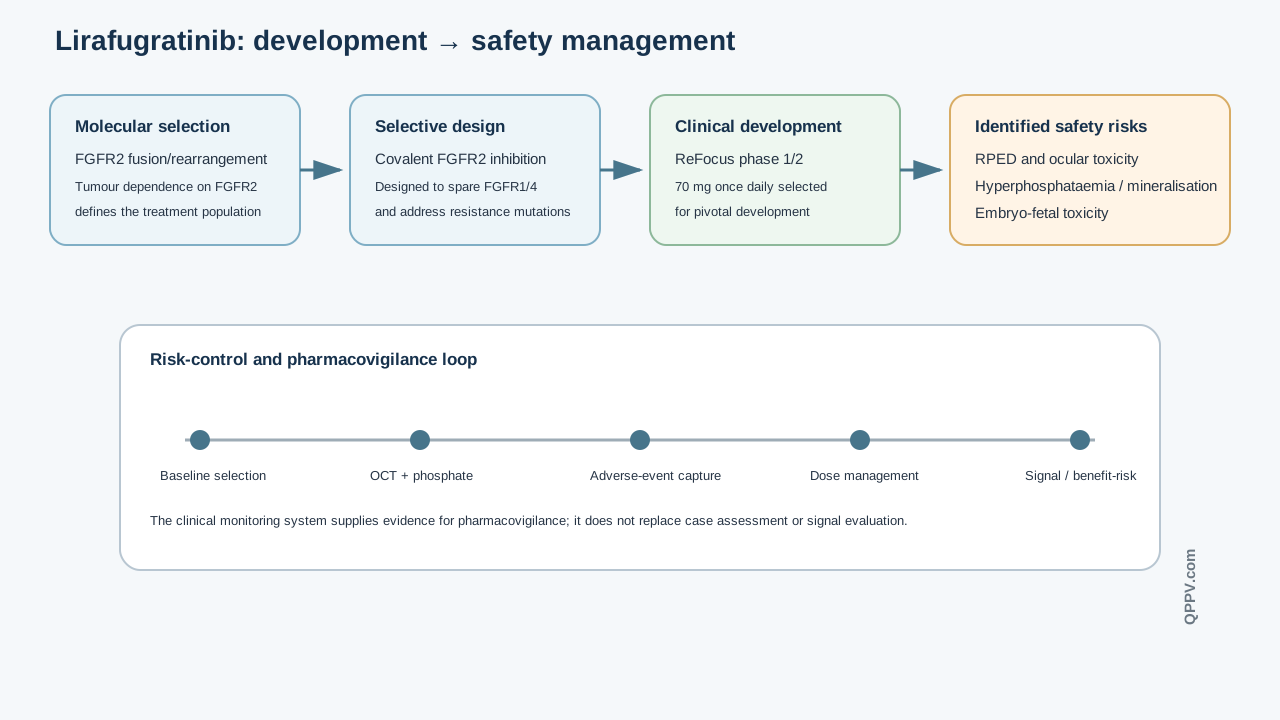
Figure 1. The lifecycle logic of lirafugratinib: selective FGFR2 design was intended to improve the therapeutic window, while clinical development established efficacy and identified residual ocular, phosphate-related and other safety-management requirements.
Clinical Development and the REFOCUS Evidence
The FDA's approval evidence came from REFOCUS, a multicentre, open-label, single-arm trial of 116 patients with unresectable or metastatic cholangiocarcinoma who were naïve to FGFR inhibitor treatment and had previously received chemotherapy or chemoimmunotherapy.[3]
FGFR2 fusions or other rearrangements were identified in 112 of the 116 enrolled patients using next-generation sequencing. Ninety percent of the treated population had an in-frame FGFR2 fusion, and BICC1 was the most frequently identified fusion partner, accounting for 30 patients. Ninety-six percent had intrahepatic cholangiocarcinoma. All patients had received at least one previous platinum-based systemic therapy.[3]
The approved dose was 70 mg orally once daily until disease progression or unacceptable toxicity. The major efficacy outcomes were objective response rate (ORR) and duration of response (DOR), assessed by an independent review committee using RECIST v1.1.[3]
The FDA reported an ORR of 46% (95% CI 36–55%). Three patients had complete responses and 50 had partial responses. Median duration of response was 11.8 months (95% CI 7.5–13.0), with 62% of responders maintaining response for at least six months and 21% for at least 12 months.[3]
These results are clinically meaningful but must be interpreted in the context of study design. REFOCUS was single-arm, so there was no concurrent randomized comparator in the approval population. Response and response duration establish antitumour activity, but they do not by themselves quantify comparative survival benefit against another treatment option. The selected molecular population and previous-treatment requirement also limit direct extrapolation to patients outside the label.
The trial therefore provides a clear example of how precision-oncology efficacy evidence should be carried into pharmacovigilance. The denominator is not “all cholangiocarcinoma patients.” It is a molecularly defined and previously treated population, and postmarketing safety assessment should preserve those characteristics.
Regulatory Development
Lirafugratinib received FDA orphan-drug designation for cholangiocarcinoma in January 2022. The FDA approval record shows designation on 27 January 2022 and marketing approval on 23 September 2026.[2]
The application was granted Breakthrough Therapy and Priority Review designations. FDA also used its Real-Time Oncology Review pilot and Assessment Aid in reviewing the application.[1] These programmes accelerated and structured regulatory review but do not themselves establish efficacy or safety.
The September 2026 approval was for adults with previously treated, unresectable, locally advanced or metastatic cholangiocarcinoma harbouring an FGFR2 fusion or other rearrangement. The label requires confirmation of the qualifying FGFR2 alteration before treatment. At the time of approval, FDA stated that an FDA-authorised test for selecting patients for Lyrfigtu was not available.[3]
That diagnostic point is important for pharmacovigilance. A molecularly targeted medicine can only be interpreted correctly if the test used to establish eligibility is understood. Different sequencing methods can identify different classes of alterations, and the clinical meaning of a molecular finding depends on whether it satisfies the criteria used in the clinical evidence supporting the label.
The product was approved with no contraindications. The labelled warnings and precautions concern ocular toxicity, hyperphosphataemia and soft-tissue mineralisation, and embryo-fetal toxicity.[3]
Licensing and Business History
Lirafugratinib originated within Relay Therapeutics' structure-based discovery programme. Relay's subsequent global licensing agreement with Elevar Therapeutics was announced on 3 December 2024. Under the agreement, Elevar received worldwide rights to develop and commercialise lirafugratinib and assumed responsibility for subsequent development, regulatory submissions and global commercialisation.[9]
The transaction is relevant to the safety system because responsibility for the product changed before regulatory approval. Relay reported that the agreement provided potential payments of up to approximately $500 million, including upfront and regulatory milestones and commercial milestones, together with tiered royalties. Relay's 2026 SEC filing reported that Elevar was responsible for all further development activities and global commercialisation.[10]
The business transaction should not be confused with a transfer of pharmacovigilance obligations by itself. The operational responsibilities for safety reporting, signal management, regulatory communication, safety-data exchange and oversight depend on the applicable regulatory framework and contractual arrangements. Nevertheless, the transfer of development responsibility is an important lifecycle event because the safety system must preserve continuity as the asset moves between organisations.
Pharmacology and Administration
Lirafugratinib covalently binds FGFR2 and inhibits FGFR2 phosphorylation and downstream signalling. FDA's label describes activity in cell lines with FGFR2 fusions/rearrangements, amplifications and mutations and antitumour activity in xenograft models with FGFR2 alterations.[3]
The recommended dose is 70 mg once daily. Capsules should be swallowed whole and may be taken with or without food. The label provides dose reductions to 50, 40, 30 and 20 mg once daily for adverse-reaction management; treatment should be permanently discontinued if 20 mg once daily cannot be tolerated.[3]
This dose ladder is pharmacovigilance-relevant because a safety case can include not only the adverse event but also the management decision. The dose at event onset, dose interruption, recovery, dose reduction, rechallenge and subsequent outcome may help determine whether toxicity is exposure-related and whether the adverse event can be controlled without losing treatment benefit.
Lirafugratinib is primarily metabolised by CYP3A4 and CYP2J2. Strong and moderate CYP3A inhibitors should be avoided; if unavoidable, dose reduction is specified. Strong and moderate CYP3A inducers should also be avoided because they can reduce exposure and potentially reduce effectiveness.[3]
The product also inhibits several transporters in vitro, including P-gp, BCRP, OATP1B1 and OATP1B3. The label advises monitoring for increased adverse reactions when lirafugratinib is used with substrates for which small concentration changes can be clinically important.[3]
Ocular Toxicity
Ocular toxicity is the most distinctive monitoring requirement in the current label. Among 385 patients who received lirafugratinib and underwent ophthalmological monitoring, RPED occurred in 31%; 12% had Grade 2 events and 1.8% Grade 3 events. Median time to onset was 57 days, with a range of 4 to 221 days.[3]
RPED led to dose interruption in 15% and dose reduction in 10% of patients. Blurred vision occurred in 18% and dry eye in 38%; corneal toxicity or keratitis occurred in 11%.[3]
The mechanism is clinically important because an event may be detectable before severe visual symptoms develop. The FDA therefore requires a comprehensive ophthalmological examination including macular optical coherence tomography (OCT) before treatment, every two months for the first 13 months, every four months thereafter, and urgently when visual symptoms occur.[3]
The dose-management rules are graded. Asymptomatic Grade 1 RPED can be managed with continued treatment and periodic ophthalmic evaluation. Grade 2 or Grade 3 RPED requires treatment interruption followed by dose reduction according to the label after resolution.[3]
From a pharmacovigilance perspective, this creates an important interface between routine clinical monitoring and safety case management. An abnormal OCT may be clinically meaningful even when the patient has not spontaneously reported a symptom. The safety system should therefore be capable of incorporating clinically detected findings, their grade, visual consequences, management and subsequent resolution.
Hyperphosphataemia and Soft-Tissue Mineralisation
Hyperphosphataemia remains a clinically important risk despite the molecule's strong FGFR2 selectivity. In 385 treated patients, hyperphosphataemia was reported in 21%, with a median onset of 15 days (range 6–194 days). Phosphate binders were required in 1.8% of patients.[3]
The concern is not merely an abnormal laboratory result. The label specifically links hyperphosphataemia with soft-tissue mineralisation, including calcinosis, nonuremic calciphylaxis and vascular calcification.[3]
This distinction matters in case processing. A report of increased serum phosphate without symptoms may represent a laboratory abnormality, whereas a report involving tissue calcification or calciphylaxis represents a clinically consequential phenotype. The chronology between treatment, phosphate changes and clinical manifestations should be retained.
The label instructs clinicians to monitor for hyperphosphataemia throughout treatment. Patients are also advised to report symptoms such as muscle cramps, numbness or perioral tingling that may accompany acute phosphate changes.[3]
Embryo-Fetal Toxicity
Embryo-fetal toxicity is a labelled risk based on the mechanism and animal studies. In pregnant rats, lirafugratinib produced embryo-fetal mortality, structural abnormalities and altered fetal growth at maternal exposures below the human exposure associated with the recommended 70 mg daily dose.[3]
There are no adequate human pregnancy data in the initial U.S. label. Females of reproductive potential are advised to use effective contraception during treatment and for six months after the last dose; males with female partners of reproductive potential are advised to use effective contraception during treatment and for three months after the last dose.[3]
For pharmacovigilance, pregnancy exposure requires more than routine adverse-event coding. Pregnancy reports may need prospective follow-up for pregnancy outcome and fetal or neonatal findings, while exposure timing and paternal or maternal exposure should be distinguished. The appropriate follow-up and reporting requirements depend on the applicable regulatory framework and the circumstances of the report.
Other Adverse Reactions and Treatment Burden
The safety population at 70 mg once daily included 385 patients with advanced solid tumours, of whom 232 had cholangiocarcinoma and 153 had other advanced solid tumours. Forty-eight percent had at least six months of exposure and 19% more than 12 months.[3]
In the 116-patient REFOCUS cholangiocarcinoma population, serious adverse reactions occurred in 32%. A fatal haemorrhage occurred in one patient. Permanent discontinuation because of an adverse reaction occurred in 5%, while dose interruption occurred in 88% and dose reduction in 81%.[3]
The high frequency of dose modification is itself clinically important. It demonstrates that treatment tolerability is managed dynamically rather than being represented adequately by a single adverse-event incidence figure.
Common adverse reactions included nail toxicity, palmar-plantar erythrodysaesthesia syndrome, stomatitis, alopecia, dry eye, dry mouth, fatigue, dysgeusia, RPED, constipation, dry skin, infection, rash, abdominal pain, haemorrhage, blurred vision, diarrhoea, musculoskeletal pain, nausea and decreased appetite.[3]
A pharmacovigilance assessment should distinguish events that are common and generally manageable from less frequent events that may be medically serious. Both contribute to benefit-risk, but they influence decisions differently.
Post-Approval Pharmacovigilance
The September 2026 approval establishes the initial U.S. benefit-risk profile, but the evidence base remains limited by the size and design of the pivotal population and by the molecularly selected nature of the disease. Postmarketing surveillance will therefore need to determine whether the observed safety profile remains stable as lirafugratinib is used in routine oncology practice.
The first priority is continued surveillance of ocular events. The clinical programme already provides substantial evidence of RPED and other ocular toxicity, but real-world use can introduce patients with different baseline eye disease, different access to OCT monitoring, different concomitant medicines and different adherence to scheduled examinations.
The second priority is the clinical significance of phosphate disturbances. Routine laboratory abnormalities should be assessed alongside clinically consequential outcomes such as soft-tissue mineralisation, calcinosis, vascular calcification and nonuremic calciphylaxis. A signal-detection system that counts phosphate laboratory terms without linking them to clinical outcomes could obscure the phenotype that matters most.
A third priority is the interaction between efficacy, treatment duration and cumulative toxicity. A patient may remain on therapy because tumour control is meaningful even when repeated dose reductions are required. Conversely, an adverse event that is individually manageable may become consequential when it causes repeated interruptions or treatment discontinuation.
A fourth priority is the effect of molecular and treatment history on the safety population. The approved population is FGFR2 fusion/rearrangement-positive and FGFR inhibitor-naïve in the pivotal evidence. Postmarketing use may include patients whose molecular findings are more heterogeneous or who have received other FGFR-directed therapies. Safety assessments should preserve this history so that adverse-event patterns can be interpreted by treatment sequence.
Signal Detection in a Molecularly Selected Population
Signal detection for lirafugratinib should not be separated from exposure and molecular context. A spontaneous report containing “visual disturbance” is more informative when the system can identify whether the patient was receiving lirafugratinib, the treatment duration, baseline ocular findings, recent OCT results, dose interruptions and the outcome.
For ocular events, the preferred case structure should preserve:
| Information | Pharmacovigilance value |
|---|---|
| Treatment start and dose | Establishes temporal relationship |
| Baseline ophthalmological assessment | Distinguishes pre-existing findings from treatment-emergent changes |
| OCT findings | Provides objective evidence of RPED or other retinal changes |
| Visual symptoms and acuity | Establishes clinical severity |
| Dose interruption/reduction | Captures management and possible exposure relationship |
| Follow-up OCT | Documents resolution, persistence or progression |
| Rechallenge, if performed | Adds information on recurrence |
| Concomitant ophthalmic conditions/medicines | Helps assess competing explanations |
The same principle applies to phosphate-related cases. A complete case should preserve baseline and follow-up phosphate measurements when available, symptoms, renal function, phosphate-lowering treatment, evidence of tissue mineralisation and outcome.
Quantitative disproportionality methods can help identify patterns, but they cannot establish incidence or causality by themselves. For an uncommon molecularly defined cancer population, clinical review and denominator-aware assessment are particularly important.
Treatment Monitoring as a Safety-Control System
The monitoring requirements for lirafugratinib illustrate an important pharmacovigilance principle: risk minimisation can be embedded in ordinary clinical care.
The ocular pathway is explicit:
baseline ophthalmology/OCT → scheduled surveillance → urgent evaluation for symptoms → grade assessment → dose continuation/interruption/reduction → follow-up
The phosphate pathway is different:
ongoing phosphate monitoring → identify hyperphosphataemia → assess clinical consequences → manage phosphate → consider dose modification → monitor outcome
These are not interchangeable controls. One relies heavily on imaging and specialist assessment; the other begins with laboratory surveillance and clinical interpretation.
The safety system should therefore preserve evidence that the controls operated. A documented procedure stating that OCT is required is weaker evidence than a record showing that the appropriate examinations occurred, abnormal findings were recognised, management was initiated and the outcome was followed.
Dose Modification and Causality Assessment
Lirafugratinib provides a useful example of why dose modification should be included in safety assessment. If a patient develops Grade 2 RPED, the label directs interruption followed by resumption at a lower dose after resolution. If the event recurs or becomes more severe, further modification may be required.[3]
For an individual case, the sequence may therefore be:
70 mg exposure → RPED → treatment withheld → resolution → 50 mg rechallenge → recurrence or no recurrence
A recurrence after rechallenge may strengthen the evidence for a relationship, although rechallenge should not be interpreted mechanically and may be inappropriate for serious events.
Conversely, resolution during treatment interruption can support, but does not prove, a relationship. The underlying disease, concomitant treatment and natural variability must still be considered.
The case narrative should therefore document what happened rather than merely stating a causality conclusion.
Special Populations and Evidence Gaps
The initial label states that lirafugratinib has not been studied in children and that severe hepatic impairment has not been studied. No clinically significant pharmacokinetic differences were observed across the studied age range of 20–87 years, sex, race categories represented in the dataset, body weight, creatinine clearance of 30–89 mL/min, or mild to moderate hepatic impairment.[3]
Severe renal impairment and severe hepatic impairment remain areas of pharmacokinetic uncertainty.[3]
Pregnancy is another evidence gap because there are no adequate human pregnancy data. The animal findings provide the basis for the labelled embryo-fetal warning and contraception recommendations.[3]
For postmarketing surveillance, these gaps should be treated as characteristics of the evidence base rather than as evidence that the drug is unsafe or safe in the unstudied populations. Exposure data should preserve the characteristics needed to identify emerging subgroup-specific patterns.
Drug Interactions
Lirafugratinib is a CYP3A substrate. Strong and moderate CYP3A inhibitors can increase exposure, while strong and moderate CYP3A inducers can reduce exposure. The FDA label therefore recommends avoiding these combinations and provides dose modifications when an inhibitor cannot be avoided.[3]
This creates two pharmacovigilance pathways. Increased exposure may increase adverse-event risk, while reduced exposure may compromise effectiveness. A drug-interaction case should therefore be evaluated for both safety and treatment failure.
The transporter effects add further complexity. Lirafugratinib inhibits P-gp, BCRP, OATP1B1 and OATP1B3 in vitro, and the label advises monitoring for increased adverse reactions with susceptible substrates.[3]
In practice, the medication history should therefore be captured with enough detail to identify relevant concomitant medicines and the timing of interaction exposure. This is particularly important in oncology, where patients commonly receive multiple supportive and anticancer medicines.
Relationship to Other FGFR Inhibitors
Lirafugratinib should not be evaluated in isolation from the FGFR inhibitor class. Earlier agents such as pemigatinib, infigratinib and futibatinib established clinical benefit in FGFR2-altered cholangiocarcinoma, while also demonstrating different toxicity profiles and resistance challenges.[11–13]
Infigratinib is an instructive regulatory comparator. FDA granted accelerated approval in 2021 for previously treated FGFR2 fusion/rearrangement-positive cholangiocarcinoma, but the indication was withdrawn in 2024 after the sponsor voluntarily requested withdrawal, citing difficulties recruiting the required confirmatory study and commercial considerations.[14]
This history demonstrates why pharmacovigilance should not treat a molecularly similar product as a simple substitute. The regulatory status, evidence maturity, patient population, dose, monitoring requirements and postmarketing obligations can differ substantially even when the therapeutic target is related.
For lirafugratinib, the most important class-level questions are whether greater FGFR2 selectivity changes the balance of target-specific and off-target toxicity, whether resistance mutations remain clinically important, and whether long-term exposure reveals safety patterns not visible in the initial development population.
Risk Management in Practice
The current U.S. label provides concrete clinical controls for the principal identified risks. For PV professionals, the operational challenge is to ensure that safety information generated through those controls reaches the safety system with enough context for meaningful assessment.
For ocular toxicity, this includes specialist findings and OCT information where available. For phosphate toxicity, it includes relevant laboratory trends and clinical manifestations. For embryo-fetal exposure, it includes exposure timing and pregnancy outcome. For drug interactions, it includes the interacting medicine, timing, dose and clinical consequence.
These are recommended operational controls for effective safety surveillance, not additional statutory requirements created by this article.
A useful internal safety model is:
risk identified → monitoring/control defined → event detected → case captured → clinical context retained → outcome followed → signal evaluated → benefit-risk reassessed
The value of this model is that it connects individual cases to the broader risk-management system rather than treating case processing as an isolated administrative task.
EU and Global Regulatory Outlook
The September 2026 FDA approval does not itself establish an EU marketing authorisation. Elevar submitted a marketing authorisation application to the European Medicines Agency in September 2026 for advanced or metastatic cholangiocarcinoma with FGFR2 fusions or rearrangements.[15]
For EU pharmacovigilance professionals, this distinction is essential. Until an EU authorisation is granted, the U.S. prescribing information is not an EU product information document and U.S. reporting requirements cannot simply be transferred into an EU procedure.
If an EU authorisation is granted, the European product information, risk-management plan, pharmacovigilance system and applicable EU legislation and GVP guidance will determine the European operating framework. The international safety system will nevertheless need to integrate information emerging from U.S. use and any other jurisdiction.
The molecularly selected nature of the product makes global consistency particularly important. Laboratories may use different assays, nomenclature and reporting conventions for FGFR2 fusions and rearrangements. Safety systems should retain the original molecular evidence and the interpretation used to establish treatment eligibility rather than relying only on a simplified “FGFR2 positive” field.
QPPV and Pharmacovigilance-System Governance
Where lirafugratinib becomes authorised in a jurisdiction covered by a formal pharmacovigilance system, governance should reflect the product's specific safety architecture.
The first requirement is continuity of product identification. The investigational code RLY-4008, active substance lirafugratinib and commercial name Lyrfigtu should remain traceably connected in safety systems. Historical clinical-trial cases must remain retrievable after the transition to commercial exposure.
Second, the safety system should preserve the distinction between clinical monitoring data and spontaneous safety reports. A routine OCT abnormality detected through scheduled surveillance is not automatically equivalent to a spontaneous adverse-event report. The organisation must assess the information under the applicable reporting framework and preserve the source and context.
Third, the system should maintain visibility of dose modifications. For this product, interruption and reduction are common components of toxicity management, so they can contain useful information about severity, recurrence and exposure-response relationships.
Fourth, the organisation should monitor the interface between oncology treatment and molecular diagnostics. Changes in laboratory methods or interpretation of FGFR2 alterations can affect who receives treatment and therefore alter the exposed population.
Finally, partner and vendor governance must preserve the complete safety-data chain. The transfer from Relay to Elevar illustrates why development history and organisational ownership need to remain visible even when operational responsibilities change.
Inspection Perspective
No specific inspection findings should be inferred from the current product history. The following are illustrative inspection questions derived from the known safety-management architecture.
Case processing - Can the organisation demonstrate how an RPED report from routine OCT monitoring enters the safety process? - Are objective ophthalmological findings retained rather than reduced to a symptom term? - Can the organisation reconstruct dose interruption, dose reduction and outcome?
Signal management - How are ocular events distinguished from pre-existing eye disease? - How are phosphate abnormalities linked to clinically significant mineralisation events? - Are exposure duration and molecular eligibility available during signal assessment?
Data quality - Can the organisation trace the original FGFR2 diagnostic information? - Are investigational and commercial product identifiers reconciled? - Are safety data transferred completely between partners and vendors?
Risk management - Can the organisation demonstrate that important monitoring requirements are understood by relevant clinical and safety functions? - Are emerging evidence gaps documented and tracked? - Are signals assessed using both individual cases and the broader clinical-trial evidence?
The central inspection principle is evidence of effectiveness. A procedure stating that OCT findings should be followed up does not demonstrate that the system actually identifies, assesses and follows those findings.
Common Failure Modes
One potential failure is to treat lirafugratinib as “highly selective, therefore low risk.” Selectivity is a mechanistic property, not a guarantee of clinical tolerability. The current label demonstrates substantial ocular toxicity and frequent treatment modification.[3]
Another is to treat hyperphosphataemia as merely a laboratory abnormality. The clinically important question is whether phosphate disturbance progresses to tissue mineralisation or other serious manifestations.
A third failure is to lose objective ophthalmological evidence during case processing. A case described only as “blurred vision” may omit the OCT findings needed to assess RPED.
A fourth is to ignore treatment sequence. Prior FGFR inhibitor exposure can change tumour biology and the expected efficacy context, and it may also affect the interpretation of subsequent adverse events and treatment decisions.
A fifth is to treat a dose reduction as a separate administrative event rather than part of the clinical safety story. The temporal relationship between toxicity and dose modification can be important evidence.
Finally, a safety system may focus heavily on common adverse reactions while missing the clinically meaningful distinction between frequent manageable toxicity and less frequent but serious events such as severe ocular injury, clinically consequential mineralisation or fatal haemorrhage.
Practical Pharmacovigilance Checklist
For a lirafugratinib safety system, an experienced PV professional should be able to answer:
- Is the product identified consistently as RLY-4008/lirafugratinib/Lyrfigtu where historical traceability requires it?
- Is the indication and treatment setting documented?
- Is the qualifying FGFR2 fusion or rearrangement retained where available?
- Is prior FGFR inhibitor exposure documented?
- Is the treatment start date, dose and dose-modification history available?
- For ocular events, are OCT findings, visual acuity, symptoms, grade and follow-up captured?
- Is the timing of RPED relative to treatment initiation clear?
- For hyperphosphataemia, are phosphate values and clinically consequential outcomes distinguishable?
- Are soft-tissue mineralisation, calcinosis, vascular calcification and nonuremic calciphylaxis assessed separately where relevant?
- Are CYP3A inhibitors or inducers and other clinically important interacting medicines captured?
- Are pregnancy exposures followed according to the applicable safety framework?
- Are serious outcomes and treatment discontinuations followed to resolution or final outcome?
- Are dose interruptions and reductions incorporated into the clinical narrative?
- Are clinical-monitoring findings and spontaneous reports reconciled appropriately?
- Are partner and vendor data transfers complete and traceable?
- Are safety signals assessed in the context of the molecularly selected exposure population?
- Can the QPPV or responsible safety governance function demonstrate oversight of the major identified risks and evidence gaps?
Key Takeaways
Lirafugratinib is a useful example of precision oncology in which the molecular design objective and the pharmacovigilance profile are closely connected.
The drug originated from Relay Therapeutics' effort to exploit structural differences within the FGFR family to achieve highly selective FGFR2 inhibition. The scientific rationale was to maintain activity against oncogenic FGFR2 alterations and resistance mutations while reducing toxicity caused by inhibition of other FGFR isoforms.[5]
The ReFocus programme translated that rationale into clinical evidence. The FDA approval population comprised 116 previously treated, FGFR inhibitor-naïve patients with unresectable or metastatic cholangiocarcinoma. ORR was 46% and median duration of response was 11.8 months in the single-arm study.[3]
The safety profile nevertheless demonstrates why target selectivity should not be equated with low toxicity. RPED occurred in 31% of monitored patients, hyperphosphataemia in 21%, and dose interruption or reduction was common.[3] The product therefore requires structured ophthalmological and phosphate monitoring, with explicit dose-modification pathways.
For pharmacovigilance, the most useful unit of evidence is not the isolated adverse-event term. It is the longitudinal clinical sequence: molecular eligibility, treatment exposure, monitoring result, adverse event, dose modification, outcome and subsequent exposure. Preserving that sequence allows individual cases to contribute to signal detection and benefit-risk assessment.
The product also demonstrates the importance of organisational continuity. Relay's transfer of global development and commercialization responsibility to Elevar occurred before approval. The safety system must therefore preserve historical identifiers, clinical evidence and case continuity across organisational boundaries.
References
- U.S. Food and Drug Administration. FDA approves lirafugratinib for previously treated, unresectable, locally advanced or metastatic cholangiocarcinoma. 23 September 2026. https://www.fda.gov/drugs/resources-information-approved-drugs/fda-approves-lirafugratinib-previously-treated-unresectable-locally-advanced-or-metastatic
- U.S. Food and Drug Administration. Orphan Drug Designations and Approvals: Lirafugratinib. Designation 27 January 2022; approval 23 September 2026. https://www.accessdata.fda.gov/scripts/opdlisting/oopd/detailedIndex.cfm?cfgridkey=859021
- U.S. Food and Drug Administration. Lyrfigtu (lirafugratinib) Prescribing Information. Initial U.S. approval September 2026; NDA 220425. https://www.accessdata.fda.gov/drugsatfda_docs/label/2026/220425Orig1s000lbl.pdf
- U.S. Food and Drug Administration. Lyrfigtu approval letter, NDA 220425. 23 September 2026. https://www.accessdata.fda.gov/drugsatfda_docs/appletter/2026/220425Orig1s000ltr.pdf
- Wang Y, et al. RLY-4008, the First Highly Selective FGFR2 Inhibitor with Activity across FGFR2 Alterations and Resistance Mutations. Cancer Discovery. 2023;13:2012-2029. https://pubmed.ncbi.nlm.nih.gov/37267102/
- U.S. Food and Drug Administration. Ongoing Cancer Accelerated Approvals and FGFR inhibitor regulatory records. https://www.fda.gov/drugs/resources-information-approved-drugs/ongoing-cancer-accelerated-approvals
- ClinicalTrials.gov. NCT04526106: A Study of RLY-4008 in Patients With Intrahepatic Cholangiocarcinoma and Other Advanced Solid Tumors. https://clinicaltrials.gov/study/NCT04526106
- Borad MJ, et al. Updated dose escalation results for ReFocus, a first-in-human study of highly selective FGFR2 inhibitor RLY-4008 in cholangiocarcinoma and other solid tumors. J Clin Oncol. 2023;41(16_suppl):4009. doi:10.1200/JCO.2023.41.16_suppl.4009. https://ascopubs.org/doi/10.1200/JCO.2023.41.16_suppl.4009
- Relay Therapeutics and Elevar Therapeutics. Exclusive Global Licensing Agreement for Lirafugratinib in FGFR2-Driven Cholangiocarcinoma and Other Solid Tumors. 3 December 2024. https://ir.relaytx.com/news-releases/news-release-details/relay-therapeutics-and-elevar-therapeutics-announce-exclusive
- Relay Therapeutics. Form 10-Q, six months ended June 30, 2026. License agreement with Elevar for RLY-4008. U.S. SEC filing. https://www.sec.gov/Archives/edgar/data/1812364/000119312526338056/rlay-20260630.htm
- U.S. Food and Drug Administration. FDA grants accelerated approval to infigratinib for metastatic cholangiocarcinoma; withdrawal update 16 May 2024. https://www.fda.gov/drugs/resources-information-approved-drugs/withdrawn-fda-grants-accelerated-approval-infigratinib-metastatic-cholangiocarcinoma
- U.S. Food and Drug Administration. Pemigatinib (Pemazyre) regulatory record and accelerated approval information. https://www.fda.gov/drugs/resources-information-approved-drugs/ongoing-cancer-accelerated-approvals
- U.S. Food and Drug Administration. Futibatinib (Lytgobi) regulatory record and accelerated approval information. https://www.fda.gov/drugs/resources-information-approved-drugs/ongoing-cancer-accelerated-approvals
- U.S. Food and Drug Administration. Infigratinib withdrawal and regulatory history. Updated 16 May 2024. https://www.fda.gov/drugs/resources-information-approved-drugs/withdrawn-fda-grants-accelerated-approval-infigratinib-metastatic-cholangiocarcinoma
- Elevar Therapeutics. Marketing Authorization Application submitted to EMA for Lirafugratinib. 15 September 2026. https://elevartx.com/2026/09/15/elevar-ema-authorization-application-1/
Regulatory Note
This article describes the U.S. regulatory position following the September 2026 FDA approval and the international development position known at the time of writing. FDA requirements and U.S. prescribing information are not EU legal or pharmacovigilance requirements. The article notes the September 2026 EMA application but does not treat submission as an EU marketing authorisation.
Operational recommendations concerning case context, monitoring evidence, reconciliation and governance are presented as recommended pharmacovigilance practice. They should be implemented according to the applicable legislation, GVP or other regulatory guidance, product information, safety-management agreements and organisational procedures.