Muromonab-CD3: Classification, History, Mechanism of Action, Safety and Pharmacovigilance
Muromonab-CD3 occupies a foundational place in therapeutic-antibody history. It was a murine monoclonal antibody against the CD3 complex on T lymphocytes and was used to reverse acute solid-organ transplant rejection. FDA historical materials identify its 1986 approval as the first approval of a monoclonal antibody for therapeutic use.
Its importance is not only historical. Muromonab-CD3 illustrates several principles that remain central to modern antibody pharmacovigilance: target biology can create both therapeutic effect and acute toxicity; the first exposure may have a safety profile different from later doses; foreign-protein immunogenicity can alter subsequent treatment; and profound immune modulation changes the interpretation of infection, malignancy and neurological events.
- Muromonab-CD3: Classification, History, Mechanism of Action, Safety and Pharmacovigilance
- Multidimensional classification
- Why CD3 was such a powerful target
- Molecular origin and hybridoma technology
- Mechanism of action
- Development and historical regulatory significance
- Clinical safety through the mechanism
- Cytokine-release syndrome and the first-dose phenomenon
- Neurological events
- Infection and cumulative immunosuppression
- Lymphoproliferative disease and malignancy context
- Immunogenicity and human anti-mouse antibodies
- Haematological and thrombotic observations
- Why the transplant setting changes causality assessment
- Historical risk minimisation
- Pharmacovigilance case assessment
- Signal detection lessons from an early therapeutic antibody
- Benefit-risk interpretation in historical context
- Potential failure modes
- Governance and inspection perspective
- Relationship to later monoclonal antibodies
- Practical historical-review checklist
- Key Takeaways
- References
- Regulatory Note
Multidimensional classification
| Classification axis | Muromonab-CD3 classification | Scientific or PV significance |
|---|---|---|
| Molecular format | Murine monoclonal antibody | Entirely murine origin created substantial immunogenicity potential in humans |
| Immunoglobulin class | Mouse IgG2a | Fc-containing bivalent antibody capable of engaging CD3-associated T-cell biology |
| Target | CD3 complex on mature T lymphocytes | Directly engages a central component of the T-cell receptor signalling complex |
| Functional class | T-cell-directed immunosuppressive antibody | Produces rapid alteration and depletion/modulation of circulating T cells |
| Historical use | Treatment of acute allograft rejection; steroid-resistant rejection in selected transplanted organs | Safety interpretation depended heavily on the transplant and concomitant immunosuppression context |
| Route | Intravenous | Rapid systemic exposure contributed to the importance of early infusion/first-dose reactions |
| Current status | Discontinued | The article is historical and must not be read as current prescribing guidance |
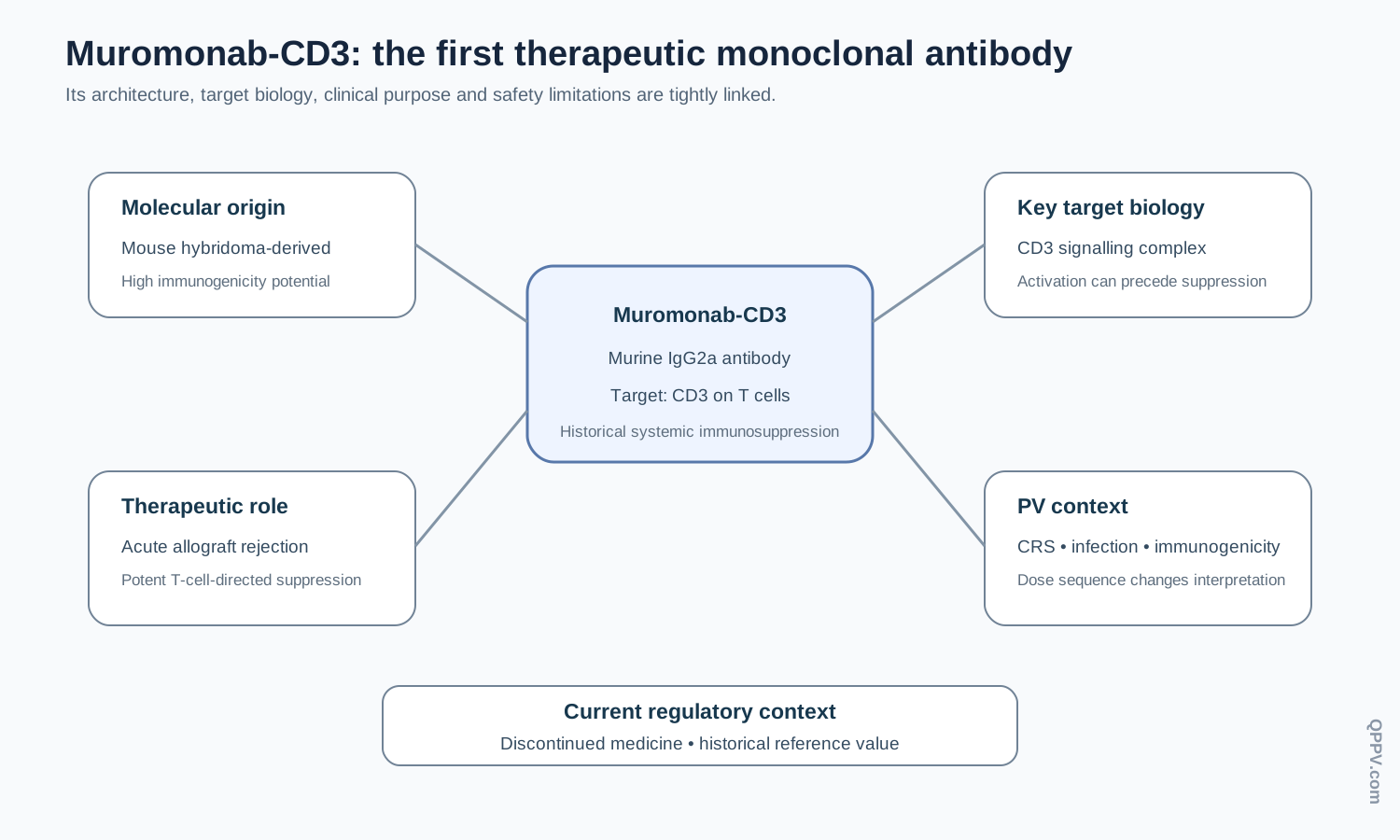
Figure 1. Muromonab-CD3 was a murine anti-CD3 antibody whose therapeutic classification, immune mechanism, immunogenicity and historical transplant use were tightly connected.
Why CD3 was such a powerful target
CD3 is not simply a marker placed on the outside of a T cell. It forms part of the signalling machinery associated with the T-cell receptor. When antigen recognition occurs physiologically, the T-cell receptor and CD3 complex transmit signals that activate the cell. An antibody that binds CD3 therefore interacts with one of the central control points of adaptive cellular immunity.
This explains why muromonab-CD3 could rapidly suppress an acute cellular rejection response. In transplant rejection, activated T lymphocytes recognise the graft as immunologically foreign and participate in tissue injury. Interfering with the CD3-associated T-cell population could interrupt that attack much more directly than many older nonspecific immunosuppressive approaches.
The same biology also explains the major safety problem. Antibody binding to CD3 can initially activate T cells and induce cytokine release before sustained immunosuppressive effects dominate. The therapeutic target was therefore also the pathway through which the characteristic first-dose syndrome emerged.
Molecular origin and hybridoma technology
Muromonab-CD3 belonged to the first generation of therapeutic monoclonal antibodies produced using hybridoma technology. FDA substance records describe it as a murine IgG2a immunoglobulin produced through fusion of mouse myeloma cells with lymphocytes from immunised animals, creating a clone that secreted antibody specific for the human T3/CD3 antigen.
That origin is scientifically important. Later generations of therapeutic antibodies progressively reduced the amount of non-human protein through chimeric, humanised and fully human architectures. Muromonab-CD3 predates that evolution. Its murine composition made anti-drug antibody formation—historically described as human anti-mouse antibody responses—a central practical limitation rather than a peripheral theoretical concern.
Mechanism of action
Muromonab-CD3 bound the CD3 complex associated with the T-cell receptor. The pharmacological sequence was not a simple one-step receptor blockade.
Early phase: CD3 engagement and cytokine release
Initial CD3 ligation could trigger T-cell activation and release of inflammatory cytokines, including tumour necrosis factor, interferon-gamma, interleukins and other mediators. This acute cytokine response was especially prominent with the first doses and underlay fever, chills and the more severe manifestations of cytokine-release syndrome.
Subsequent phase: loss of effective circulating T-cell function
After the early activation phase, circulating T cells were rapidly reduced or functionally altered. CD3/T-cell receptor complexes were modulated from the cell surface, and the ability of T cells to mediate graft-directed cytotoxic responses fell. The clinically useful immunosuppressive effect therefore followed an initial period in which the target pathway could be transiently stimulated.
This biphasic pharmacology is one of the enduring lessons from muromonab-CD3. A targeted biological can produce an early pharmacodynamic toxicity that appears opposite to its longer-term therapeutic purpose.
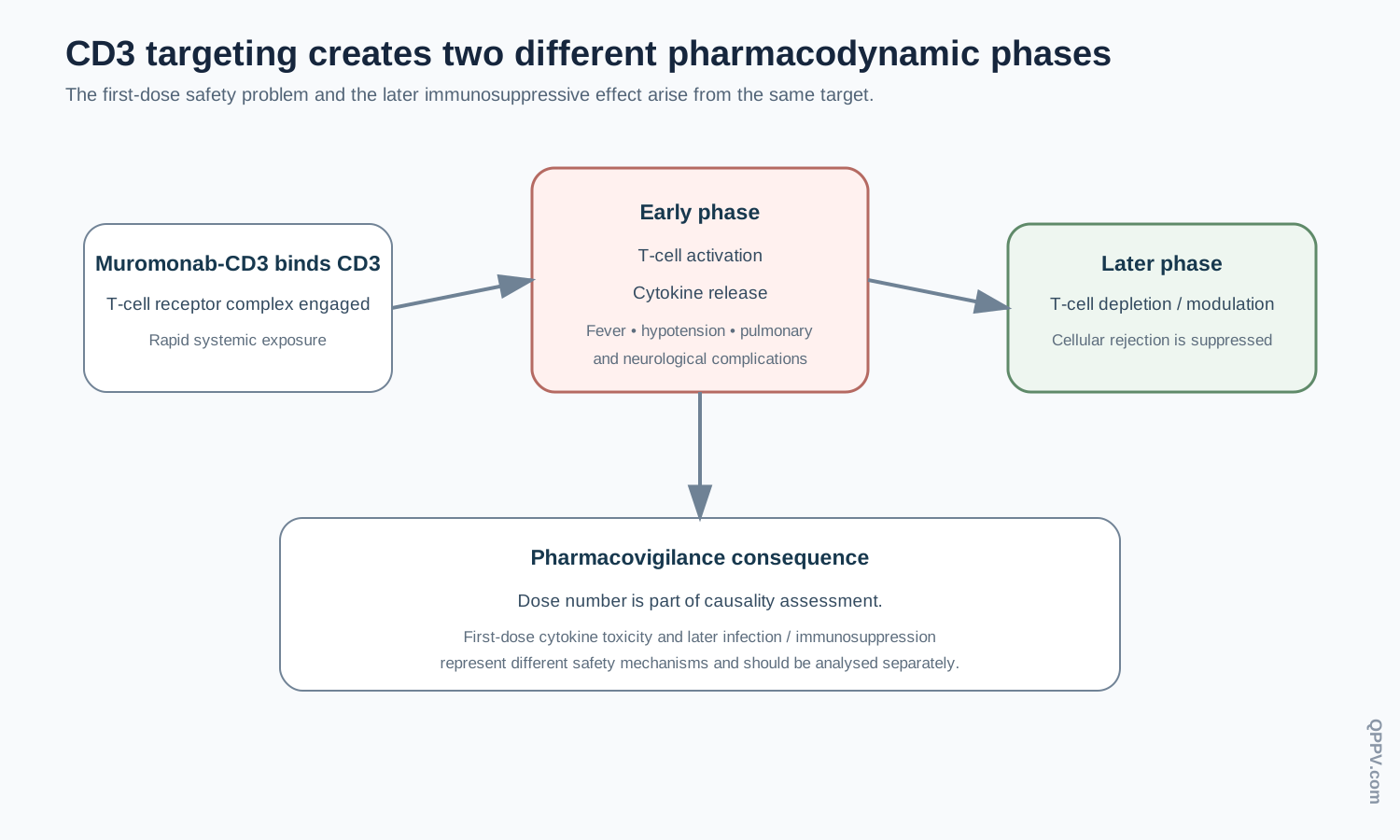
Figure 2. CD3 engagement initially activates T-cell signalling and cytokine release, followed by loss of effective circulating T-cell function and suppression of cellular allograft rejection. The early and later phases therefore have different pharmacovigilance implications.
Development and historical regulatory significance
Muromonab-CD3 emerged from early monoclonal-antibody technology at a time when therapeutic antibodies were still experimental tools rather than an established pharmaceutical class. Its success in reversing acute renal-allograft rejection demonstrated that a monoclonal antibody could be used as a potent systemic therapeutic intervention in humans.
FDA historical material identifies 1986 as the year of approval and describes muromonab-CD3 as the first FDA-approved monoclonal antibody. The current FDA Purple Book entry for BLA 103463 separately lists an original approval date of 14 September 1992. These two FDA records should be reported as they stand rather than silently collapsed into a single date.
The historical indication included treatment of acute renal-allograft rejection and, in later labeling described in FDA review documents, steroid-resistant acute rejection in cardiac and hepatic transplant recipients. It was used within broader immunosuppressive regimens rather than as an isolated treatment.
Over time, its role contracted as transplant immunosuppression evolved. FDA review material describes withdrawal from the market in 2010 in the setting of adverse effects, reduced use and availability of better alternatives. Current FDA records list the product as discontinued.
Clinical safety through the mechanism
The safety profile of muromonab-CD3 is best understood by separating acute CD3-mediated immune activation from the consequences of subsequent immunosuppression and immunogenicity. Pooling these mechanisms into one undifferentiated adverse-event list obscures why events occurred at different times in treatment.
Cytokine-release syndrome and the first-dose phenomenon
The most characteristic acute toxicity was cytokine-release syndrome. Early doses could be followed by fever, chills, headache, nausea, dyspnoea, wheezing, tachycardia and blood-pressure changes. More severe historical reports included pulmonary oedema, seizures, aseptic meningitis and other serious systemic or neurological manifestations.
The timing mattered. These events were particularly associated with the initial doses because the first substantial CD3 engagement encountered a large responsive T-cell population. Once circulating T cells had been depleted or their receptor complexes modulated, later doses did not reproduce exactly the same pharmacodynamic state.
This is an important general PV principle: dose number can be a causal variable. A case series that records only “day after treatment” but not whether an event followed dose 1, dose 2 or a later dose can erase the mechanism that makes the pattern interpretable.
Pulmonary complications and fluid status
Pulmonary oedema was among the serious complications described with early treatment. In a transplant recipient, pulmonary symptoms could also arise from fluid overload, cardiac dysfunction, infection, graft-related illness or concomitant treatment. Historical management therefore paid particular attention to volume status before dosing as well as to the inflammatory response itself.
For retrospective case assessment, pulmonary events should not be coded simply as “infusion reaction” if objective findings permit a more specific diagnosis. Timing, oxygenation, chest imaging, haemodynamics, renal function and fluid balance materially change interpretation.
Neurological events
Severe first-dose reactions were reported with neurological manifestations including seizures and aseptic meningitis. In a transplant population, however, neurological events could also reflect calcineurin-inhibitor toxicity, infection, metabolic disturbance, hypertension or cerebrovascular disease.
A meaningful case reconstruction therefore requires the neurological phenotype, dose sequence, timing after infusion, cerebrospinal-fluid findings where available, concomitant immunosuppressants, renal function, blood pressure and infection assessment. The historical lesson is again one of competing explanations rather than automatic attribution.
Infection and cumulative immunosuppression
Muromonab-CD3 was administered to patients already receiving substantial immunosuppression. T-cell-directed therapy added further impairment of cellular immune defence. Cytomegalovirus and other infections were important clinical concerns, but their interpretation depended on the complete immunosuppressive regimen and the patient’s transplant status.
This distinction remains relevant to modern pharmacovigilance. Infection after a potent immune therapy may be biologically plausible while still being impossible to understand from the suspect drug alone. Aggregate review should account for concomitant corticosteroids, calcineurin inhibitors, antimetabolites, prior rejection treatment and the timing of transplantation.
Lymphoproliferative disease and malignancy context
Post-transplant lymphoproliferative disorders were a concern in heavily immunosuppressed transplant recipients. Historical reviews emphasised that risk was related to the overall intensity of immunosuppression rather than being reducible to a simple one-drug mechanism.
For pharmacovigilance, that means exposure reconstruction matters more than a binary suspect/concomitant distinction. Cumulative immunosuppressive burden, Epstein-Barr virus context where known, transplant type and temporal relationship to different therapies are needed to interpret a lymphoproliferative event.
Immunogenicity and human anti-mouse antibodies
Because muromonab-CD3 was murine, the human immune system could recognise it as foreign. Anti-mouse antibodies could alter exposure and reduce the effectiveness of subsequent treatment courses. They could also complicate interpretation of hypersensitivity-type reactions.
This is one of the clearest historical demonstrations that immunogenicity is not merely a laboratory endpoint. Anti-drug antibodies can change pharmacokinetics, pharmacodynamics, efficacy, retreatment feasibility and adverse-event patterns. Modern humanised and fully human antibodies were partly developed to reduce this problem, although immunogenicity has not disappeared from biological therapy.
Haematological and thrombotic observations
Historical use also involved changes in blood counts and reports of thrombocytopenia or other haematological abnormalities. Severe early reactions described in the literature included intragraft thrombosis. These events occurred in clinically complex transplant recipients, so interpretation required distinction between immune activation, the underlying graft process, surgery, infection, concomitant treatment and haemodynamic disturbance.
The appropriate historical PV approach is therefore not to present each event as a uniquely drug-specific toxicity, but to identify the plausible mechanistic pathway and then test it against the clinical context.
Why the transplant setting changes causality assessment
Acute rejection itself can produce organ dysfunction, systemic inflammation and intensive therapeutic intervention. Transplant recipients may simultaneously receive corticosteroids, calcineurin inhibitors, antimetabolites, antiviral prophylaxis and other medicines. Renal, hepatic or cardiac dysfunction can further modify drug handling and event presentation.
For this reason, the minimum useful exposure record for a muromonab-CD3 case would include:
- transplanted organ and time since transplantation;
- indication for treatment and evidence supporting rejection;
- dose number and exact timing of the event;
- baseline fluid status and organ function;
- concomitant immunosuppressive regimen;
- infection status and microbiology where relevant;
- prior exposure to murine antibodies or previous muromonab-CD3 courses;
- anti-mouse antibody information if tested;
- treatment of the adverse event and outcome.
Historical risk minimisation
Historical clinical practice used measures intended to reduce the severity of the first-dose reaction, including corticosteroid, antihistamine and antipyretic premedication and attention to fluid status. These measures should be understood in their historical prescribing context; they are not recommendations for current use of a discontinued medicine.
The broader regulatory lesson is durable. When a biological has a predictable mechanism-based acute toxicity, risk minimisation should be linked to the time of maximum pharmacodynamic hazard, not applied as an undifferentiated precaution throughout therapy.
Pharmacovigilance case assessment
A muromonab-CD3 case is most interpretable when reconstructed along three linked timelines: transplant/rejection chronology, dose sequence and immune status. The same symptom can have very different meaning depending on where it sits on those timelines.
Event-specific follow-up priorities
| Event or issue | High-value historical follow-up information |
|---|---|
| Cytokine-release syndrome | Dose number, onset after injection, fever/hypotension/hypoxia phenotype, premedication, fluid status, treatment and resolution |
| Pulmonary oedema | Oxygenation, imaging, haemodynamics, renal/cardiac function, fluid balance, dose sequence and competing causes |
| Seizure or aseptic meningitis | Neurological phenotype, CSF/imaging where available, blood pressure, renal function, concomitant neurotoxic medicines, infection assessment |
| Serious infection | Organism, site, transplant timing, cumulative immunosuppression, prophylaxis and outcome |
| Lymphoproliferative disorder | Transplant type, cumulative immunosuppression, EBV information where available, latency and pathology |
| Suspected immunogenicity | Prior exposure, treatment course number, anti-mouse antibody testing, pharmacodynamic response and hypersensitivity phenotype |
| Treatment failure | Rejection diagnosis, dose course, T-cell response, anti-drug antibodies if available and competing causes of graft dysfunction |
Signal detection lessons from an early therapeutic antibody
Muromonab-CD3 predates many modern pharmacovigilance methods, yet its safety profile illustrates principles that remain current.
First, time-to-onset must be biologically structured. Combining first-dose cytokine reactions with late infections into one undifferentiated adverse-event dataset would obscure two separate mechanisms.
Second, classifying an event is not the same as explaining it. Fever after the first dose could form part of cytokine-release syndrome; fever later in a profoundly immunosuppressed patient could be infection. The preferred analysis depends on dose sequence, accompanying signs and objective investigation.
Third, immunogenicity can change the product over time from the patient’s perspective. The molecule administered may be unchanged, but anti-drug antibodies can alter effective exposure and biological response. Longitudinal treatment history is therefore part of product exposure.
Benefit-risk interpretation in historical context
The benefit-risk balance of muromonab-CD3 cannot be judged by modern transplant practice alone. At the time of its introduction, acute cellular rejection remained a major threat to graft survival and therapeutic alternatives were more limited. A rapidly acting T-cell-directed monoclonal antibody therefore offered an important new means of reversing rejection.
As transplant pharmacology evolved, the relative value of that approach changed. Other immunosuppressive strategies offered different combinations of efficacy, tolerability and operational complexity. FDA review material records that muromonab-CD3 was withdrawn from the market in 2010 in the setting of adverse effects, better alternatives and reduced use.
This illustrates a central principle of lifecycle pharmacovigilance: benefit-risk is not a fixed molecular property. It depends partly on the disease, available alternatives, clinical practice and the feasibility of managing known risks.
Potential failure modes
The following are illustrative retrospective scenarios, not published inspection findings:
- A first-dose febrile reaction is analysed together with late opportunistic infections without separating the underlying mechanisms.
- Pulmonary oedema is attributed to cytokine release without reconstructing fluid balance, renal function or cardiac status.
- A second treatment course is judged ineffective without considering anti-mouse antibodies.
- A lymphoproliferative disorder is attributed to one antibody exposure without reconstructing cumulative transplant immunosuppression.
- Historical approval dates are simplified to one number despite inconsistent dates in current and historical FDA records.
- A discontinued medicine is described using language that implies current routine use.
Governance and inspection perspective
If a mature pharmacovigilance system were reviewing historical muromonab-CD3 data, an inspector or quality reviewer could reasonably ask whether serious cases retain dose sequence, transplant context and concomitant immunosuppression; whether cytokine-release events are distinguished from infection; whether immunogenicity information can be linked to retreatment outcomes; and whether regulatory-status statements are traceable to authoritative historical records.
The effectiveness question would be whether the system preserves enough clinical structure to explain why a safety pattern occurred, rather than merely reproducing a list of adverse-event terms.
Relationship to later monoclonal antibodies
Muromonab-CD3 provides a useful starting point for understanding the evolution of therapeutic antibodies.
Its murine origin illustrates why later antibody engineering sought to reduce non-human protein content. Its CD3-mediated cytokine release demonstrates that highly targeted therapy can cause powerful systemic toxicity when the target sits at a central immune signalling node. Its rapid T-cell effect established the therapeutic potential of monoclonal antibodies, while its disadvantages helped define problems that later antibody platforms attempted to solve.
Modern antibodies differ enormously in structure, target, Fc design and therapeutic purpose, so muromonab-CD3 should not be treated as a template safety profile for the class. Its value is conceptual: it shows how molecular architecture, target biology, administration sequence and patient immune context combine to determine pharmacovigilance.
Practical historical-review checklist
When reviewing a muromonab-CD3 case or dataset, confirm:
- transplant type and indication for treatment;
- first course versus repeat course;
- exact dose number associated with the event;
- timing from dose to onset;
- clinical phenotype of any cytokine-release reaction;
- fluid status and organ function for pulmonary events;
- concomitant and cumulative immunosuppression;
- microbiology and infection chronology;
- anti-mouse antibody testing or other evidence of immunogenicity where available;
- graft outcome and treatment response;
- whether the analysis clearly identifies the product as discontinued.
Key Takeaways
Muromonab-CD3 was the first therapeutic monoclonal antibody and a pivotal proof that a highly specific antibody could alter human disease. It targeted CD3 on T lymphocytes and could rapidly suppress acute cellular allograft rejection.
Its pharmacovigilance history is equally important. Early CD3 engagement could trigger substantial cytokine release before immunosuppressive effects dominated; repeated exposure could generate anti-mouse antibodies; and later infection or lymphoproliferative events occurred within an already heavily immunosuppressed transplant population. Dose sequence, immunogenicity and cumulative immune suppression therefore mattered as much as the event term itself.
The medicine is discontinued. Its current value is educational and historical: it connects the origin of therapeutic monoclonal antibodies with principles that remain central to modern biological pharmacovigilance.
References
- U.S. Food and Drug Administration. Endpoints and Trial Designs to Advance Drug Development in Kidney Transplantation. FDA workshop material identifying muromonab-CD3 approval in 1986 as the first FDA-approved monoclonal antibody and noting that the product is currently discontinued. https://www.fda.gov/media/174123/download
- U.S. Food and Drug Administration. Purple Book: Orthoclone OKT3 (muromonab-CD3), BLA 103463. Current product record lists discontinued marketing status and an original approval date of 14 September 1992. https://purplebooksearch.fda.gov/index.cfm?blaNo=103463&event=productdetails
- U.S. Food and Drug Administration. Integrated regulatory review for mycophenolate mofetil transplantation indications. Historical treatment table identifies muromonab-CD3 as approved in 1986 and withdrawn from the market in 2010. https://www.fda.gov/media/162571/download
- U.S. Food and Drug Administration. Global Substance Registration System: Muromonab-CD3. Substance identity record describing the murine IgG2a hybridoma-derived anti-CD3 antibody. https://precision.fda.gov/uniisearch/srs/unii/JGA39ICE2V
- Todd PA, Brogden RN. Muromonab CD3. A review of its pharmacology and therapeutic potential. Drugs. 1989;37(6):871-899. doi:10.2165/00003495-198937060-00004.
- Chatenoud L, et al. T lymphocyte activation induced by monoclonal anti-CD3 antibodies: physiopathology of cytokine release. Transplant Proc. 1991. PMID: 1806186.
- Muromonab CD3: a reappraisal of its pharmacology and use as prophylaxis of solid organ transplant rejection. Drugs. 1996. PMID: 8861551.
Regulatory Note
Muromonab-CD3 is a discontinued historical biological and this article is not prescribing guidance. Historical indications, dosing and risk-management practices are described to explain the evolution of therapeutic monoclonal antibodies and pharmacovigilance. FDA historical material identifies 1986 as the first therapeutic monoclonal-antibody approval, while the current Purple Book entry for BLA 103463 lists 14 September 1992 as its original approval date; both records are retained here without inferring the administrative reason for the difference. Regulatory status was checked against FDA sources current in September 2026.