Obinutuzumab: Classification, History, Mechanism of Action, Safety and Pharmacovigilance
- Obinutuzumab: Classification, History, Mechanism of Action, Safety and Pharmacovigilance
- Multidimensional classification
- Fc glycoengineering and why it matters
- Development and regulatory evolution
- Clinical use and treatment-context map
- Safety profile through mechanism and context
- Pharmacokinetic and pharmacodynamic considerations
- Biological traceability
- Pharmacovigilance case assessment
- Signal detection and aggregate review
- Periodic benefit-risk evaluation
- Risk management and operational controls
- Potential failure modes
- Inspection and governance perspective
- Practical checklist
- Key Takeaways
- References
- Regulatory Note
Obinutuzumab is a humanised monoclonal antibody directed against CD20, a surface protein expressed across much of mature B-cell development and by many B-cell malignancies. It belongs to the same broad target class as rituximab, but it was deliberately engineered to alter both the geometry of CD20 engagement and the interaction of its Fc region with immune effector cells. Those differences are scientifically important because they change how the antibody recruits natural killer cells and phagocytes, how strongly it activates complement, and how much direct cell death is produced after target binding.
For pharmacovigilance, the useful question is therefore not simply whether an event is an “anti-CD20 class effect.” A severe first-infusion reaction in a patient with a high circulating B-cell burden, delayed neutropenia after combination chemotherapy, hepatitis B reactivation, progressive multifocal leukoencephalopathy, or infection during prolonged B-cell depletion each arises from a different combination of target biology, antibody engineering, treatment context and host susceptibility. High-quality assessment requires the reviewer to preserve those dimensions rather than collapsing them into a generic immunosuppression narrative.
Multidimensional classification
| Classification axis | Obinutuzumab classification | Scientific or PV significance |
|---|---|---|
| Molecular class | Humanised IgG1 monoclonal antibody | Biological product with Fc-mediated effector activity and product-specific quality attributes |
| Target | CD20 on B cells | Produces profound depletion of normal and malignant B-cell populations |
| Anti-CD20 functional class | Type II anti-CD20 antibody | Differs from type I antibodies in CD20 organisation, complement behaviour and direct cell-death phenotype |
| Fc engineering | Glycoengineered, reduced-fucose Fc glycan profile | Increases affinity for Fc gamma RIII receptors and enhances antibody-dependent cellular cytotoxicity in vitro |
| Effector mechanisms | ADCC, antibody-dependent cellular phagocytosis, direct cell-death signalling; complement can also contribute | Relative contribution varies by target cell, tissue, tumour burden and host immune context |
| Therapeutic class | B-cell-depleting antineoplastic and immunomodulatory therapy | Explains use across B-cell malignancy and, in current EU product information, active lupus nephritis |
| Product category | Biological medicinal product | Batch and product identity remain relevant for quality, immunogenicity and traceability investigations |
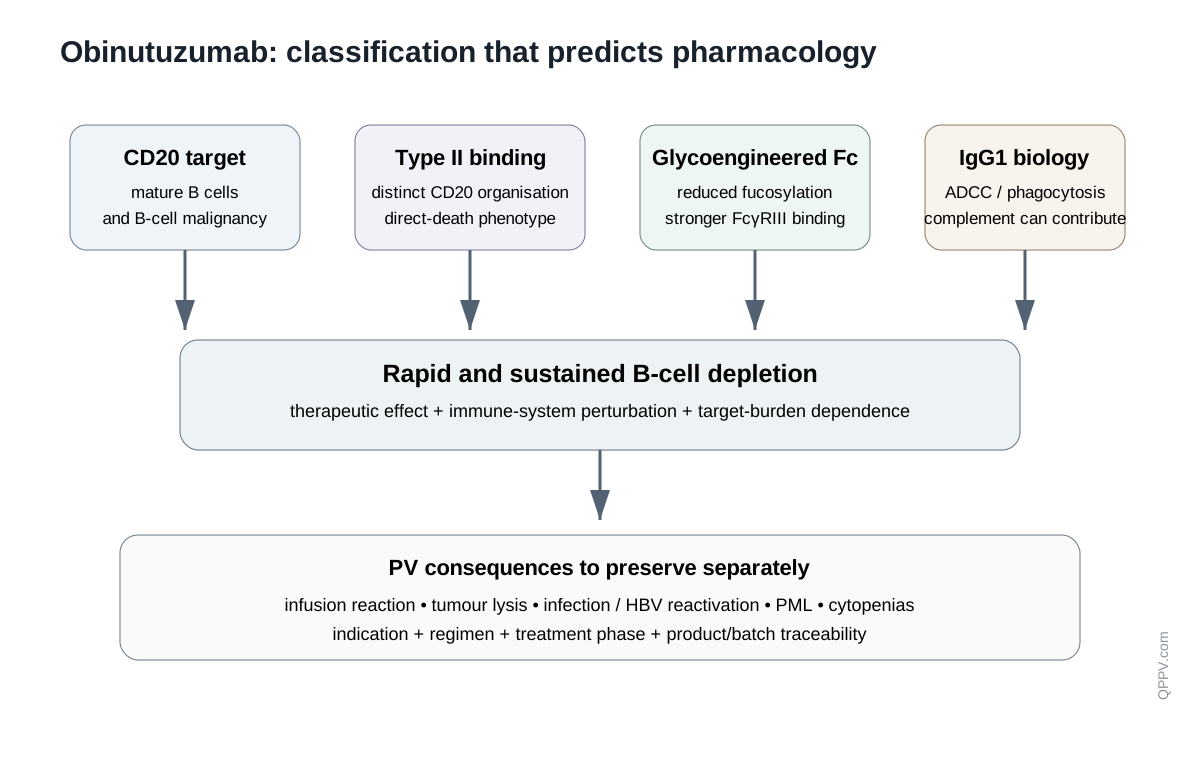
Figure 1. Obinutuzumab is defined simultaneously by its CD20 target, type II binding behaviour, glycoengineered Fc region and B-cell-depleting therapeutic effect. These dimensions overlap rather than forming a single hierarchy.
CD20 as a depletion target
CD20 is encoded by MS4A1 and is expressed from late pre-B-cell stages through mature B cells. It is usually absent from haematopoietic stem cells and terminally differentiated plasma cells. This creates the basic therapeutic window for CD20 depletion: pathological or malignant B-cell populations can be reduced while early precursors retain the capacity to rebuild the compartment over time.
The same biology explains important delayed risks. The immediate pharmacodynamic effect is B-cell depletion, but the clinical consequences can outlast measurable plasma antibody concentrations. Reconstitution differs between patients and can be further delayed by prior anti-CD20 therapy, cytotoxic chemotherapy, corticosteroids, age, baseline immune dysfunction and repeated courses. Existing plasma cells may initially preserve serum immunoglobulin concentrations, yet repeated depletion can impair replenishment of antibody-producing cells and weaken humoral responses.
Type I versus type II anti-CD20 behaviour
The distinction between type I and type II anti-CD20 antibodies is based on experimental behaviour after CD20 binding. Type I antibodies such as rituximab characteristically promote redistribution of CD20 into membrane microdomains and can activate complement efficiently. Obinutuzumab is classified as type II. Its binding geometry produces less classical lipid-raft redistribution and is associated with comparatively less complement dependence and more direct cell-death activity in experimental systems.
This classification is useful but should not be overinterpreted as a single in-vivo mechanism. Obinutuzumab can still activate complement, and the relative contribution of direct cell death, natural-killer-cell cytotoxicity, macrophage phagocytosis and complement differs across experimental conditions and clinical states. For PV interpretation, the practical consequence is that “type II” describes a mechanistic tendency, not an exclusive pathway.
Fc glycoengineering and why it matters
The Fc region of an IgG1 antibody engages Fc gamma receptors on immune effector cells. The carbohydrate structure attached to the Fc influences that interaction. Obinutuzumab is produced with reduced core fucosylation of its Fc glycans. Lower fucose content increases affinity for Fc gamma RIII receptors, especially Fc gamma RIIIa on natural killer cells, thereby increasing antibody-dependent cellular cytotoxicity in vitro relative to a conventional fucosylated IgG1 comparator.
The design can be understood as improving the efficiency of the communication interface between an antibody-coated B cell and the immune effector cell that is being asked to remove it. The variable region still determines which cell is recognised; the engineered Fc changes how effectively that recognised cell recruits an effector response.
This enhanced cellular effector function contributes to therapeutic activity, but it also helps explain why early administration can produce intense inflammatory reactions when large numbers of target cells are present. The first exposure therefore has a different pharmacovigilance context from later doses after circulating B cells have already been depleted.
Development and regulatory evolution
Obinutuzumab was developed as a next-generation anti-CD20 antibody intended to modify both target-binding behaviour and Fc-mediated effector function. The European Union authorised it in 2014 for chronic lymphocytic leukaemia. Its haematological use subsequently expanded to follicular lymphoma in defined treatment settings.
Current EMA product information also includes an indication in active class III or IV lupus nephritis, with or without concomitant class V disease, in combination with mycophenolate mofetil. This is an important change in treatment context. In lymphoma, depletion is directed at malignant or clonally expanded B-cell populations within an antineoplastic regimen. In lupus nephritis, the same molecular intervention is used to disrupt pathogenic B-cell contributions to autoimmunity. Baseline infection risk, co-medications, expected treatment duration and benefit-risk interpretation therefore differ substantially between the two settings.
The active substance is the same, but the safety denominator is not. A PV system must preserve indication and regimen whenever evaluating infections, cytopenias, infusion reactions or apparent lack of efficacy.
Clinical use and treatment-context map
Obinutuzumab is used in combination regimens rather than as a pharmacologically isolated intervention. In chronic lymphocytic leukaemia and follicular lymphoma, the treatment background can include cytotoxic chemotherapy, other targeted agents, corticosteroid premedication and prior anti-CD20 exposure. In lupus nephritis, the background instead includes immunosuppressive therapy directed at autoimmune disease. These differences change both expected adverse-event patterns and the set of competing causal explanations.
Chronic lymphocytic leukaemia
CLL creates a particularly important first-dose context because some patients have a large burden of circulating CD20-positive cells. Rapid engagement and destruction of those cells can release inflammatory mediators and intracellular contents. The former contributes to infusion-related reactions; the latter contributes to tumour lysis syndrome. Tumour burden, renal function, baseline uric acid and treatment history therefore materially affect case interpretation.
Follicular lymphoma
In follicular lymphoma, obinutuzumab may be given with chemotherapy and followed by maintenance in defined settings. The safety profile therefore evolves over time. Early treatment may be dominated by infusion reactions, cytopenias and chemotherapy-related toxicity, whereas later maintenance places greater emphasis on infection, persistent cytopenia, hypogammaglobulinaemia and delayed immune effects.
Lupus nephritis
The lupus-nephritis indication changes the causal landscape again. Active systemic autoimmune disease can itself cause infection susceptibility, cytopenias, renal dysfunction and constitutional symptoms, while concomitant mycophenolate and corticosteroids contribute additional immunosuppression. A serious infection in this setting should therefore be reconstructed as an interaction between disease activity, renal function, cumulative immunosuppression and B-cell depletion rather than attributed mechanically to one medicine.
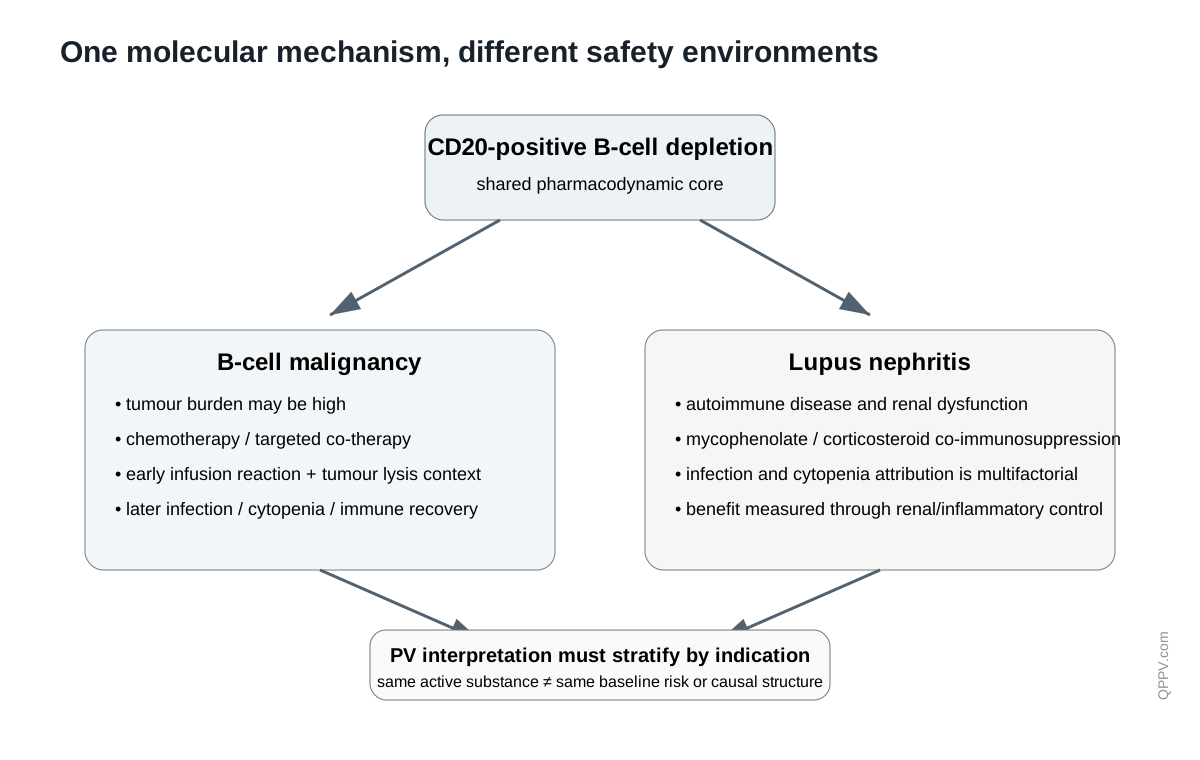
Figure 2. The same CD20-depleting mechanism operates across malignancy and autoimmune disease, but baseline risk, concomitant therapy and the meaning of adverse events differ by treatment context.
Safety profile through mechanism and context
Infusion-related reactions
Infusion-related reactions are among the most characteristic early adverse events. They can include fever, chills, hypotension, tachycardia, dyspnoea, nausea and other systemic manifestations. The temporal relationship to infusion, especially early in treatment, and the burden of target cells are central to assessment.
A report should preserve the exact infusion number, dose fraction, rate, premedication, onset from infusion start, interruption or rate reduction, treatment given, objective vital signs and outcome. The differential diagnosis includes hypersensitivity, infection, tumour-related symptoms and cardiopulmonary disease. A severe reaction occurring while several intravenous medicines are administered on the same day cannot be causally assigned without the administration sequence.
Tumour lysis syndrome
Tumour lysis syndrome results from rapid destruction of tumour cells with release of potassium, phosphate and nucleic-acid breakdown products, potentially causing hyperkalaemia, hyperphosphataemia, hypocalcaemia, hyperuricaemia, acute kidney injury, arrhythmia or seizures. In obinutuzumab-treated haematological malignancy, high tumour burden and renal impairment are particularly relevant contextual variables.
PV follow-up should collect pretreatment tumour burden, renal function, baseline and serial electrolytes, uric acid, prophylaxis, hydration, timing from treatment, dialysis if required and outcome. “Renal failure after infusion” is not a sufficiently specific account when tumour lysis is a plausible mechanistic explanation.
Infection and hepatitis B reactivation
B-cell depletion can impair humoral immune defence and vaccine responses. Infection risk is further shaped by neutropenia, corticosteroids, chemotherapy, prior therapies, age and underlying disease. Serious bacterial, viral and fungal infections therefore require complete immune and treatment context.
Hepatitis B virus reactivation is a particularly important anti-CD20 risk. The relevant history includes hepatitis B surface antigen, anti-HBc status, HBV DNA where available, antiviral prophylaxis or treatment, liver tests and timing relative to B-cell-depleting therapy. Reactivation may occur after apparent clinical resolution of prior infection because persistent viral templates can resume replication when immune control is weakened.
Progressive multifocal leukoencephalopathy
Progressive multifocal leukoencephalopathy (PML) is a rare opportunistic JC-virus infection of the central nervous system associated with profound or cumulative immune impairment. New neurological symptoms should therefore be characterised precisely rather than coded simply as confusion, weakness or “disease progression.” MRI findings, cerebrospinal-fluid JC-virus testing, prior immunosuppressants and neurological evolution are important follow-up variables.
The existence of an anti-CD20 association does not mean every neurological event represents PML. The PV task is to recognise the syndrome early enough to investigate it while preserving competing explanations such as stroke, infection, metabolic disturbance or malignancy-related CNS disease.
Neutropenia and thrombocytopenia
Cytopenias can arise during combination treatment and can also occur after exposure. Their interpretation requires a longitudinal blood-count trajectory rather than a single laboratory value. Chemotherapy, marrow involvement, infection, concomitant medicines and prior treatment all influence causality.
For serious neutropenia, capture baseline and nadir absolute neutrophil counts, fever or infection, growth-factor use, concomitant marrow-suppressive treatment, dose modifications and recovery. Thrombocytopenia should similarly be interpreted in relation to baseline counts, bleeding phenotype, marrow disease and regimen.
Pharmacokinetic and pharmacodynamic considerations
Obinutuzumab displays target-mediated pharmacokinetics early in treatment: when a large CD20-positive cell mass is present, binding and clearance through target cells contribute materially to disposition. As the target compartment is depleted, pharmacokinetics become more linear. This is one reason the biological context of early doses differs from later maintenance exposure.
Peripheral B-cell counts are useful pharmacodynamic markers but do not directly measure depletion in lymph nodes, marrow, spleen or inflamed tissue. Nor does recovery of circulating B cells necessarily mean full restoration of immune competence. Immunoglobulin concentrations, infection history and vaccine responses may provide complementary information when clinically relevant.
Biological traceability
Obinutuzumab is a biological medicinal product. Safety reports involving suspected product-quality defects, unexpected loss of efficacy, unusual immunogenicity or clusters of administration reactions should preserve exact product name, batch or lot where available, presentation, storage and preparation details. Active-substance-only coding can be sufficient for some aggregate analyses but is not sufficient for every traceability question.
Pharmacovigilance case assessment
Obinutuzumab case assessment should reconstruct four linked domains: the disease being treated, the complete regimen, the patient's immune reserve and the timing of the event relative to each dose. This prevents a common analytical error in biological therapy: treating the active substance as if it operated independently of tumour burden, chemotherapy, corticosteroids, renal function and prior immune-modifying treatment.
Event-specific follow-up priorities
| Event | High-value follow-up information |
|---|---|
| Infusion-related reaction | Infusion number, rate, premedication, onset, vital signs, sequence of co-infusions, interruption, treatment, rechallenge |
| Tumour lysis syndrome | Disease burden, renal function, potassium/phosphate/calcium, uric acid, prophylaxis, hydration, dialysis, outcome |
| Serious infection | Site/pathogen, cultures/PCR, neutrophils, immunoglobulins if available, corticosteroids/chemotherapy, hospital course |
| HBV reactivation | HBsAg, anti-HBc, HBV DNA, liver tests, prophylaxis, antiviral treatment, timing from anti-CD20 exposure |
| Neurological event/PML concern | Symptom evolution, MRI, CSF JC-virus testing, prior immunosuppression, alternative diagnoses |
| Cytopenia | Baseline and serial counts, marrow disease, chemotherapy, infection, growth factor/transfusion, recovery |
| Product-quality complaint | Exact product, batch, storage, preparation, infusion system and administration circumstances |
Signal detection and aggregate review
Signal detection should stratify by indication and treatment phase. CLL induction, follicular-lymphoma induction, maintenance and lupus-nephritis treatment have different background risks and co-medications. A pooled infection rate across all settings can therefore conceal clinically important differences.
Known risks also remain signal-relevant. A labelled event can generate a new safety question if its severity, latency, treatment association or risk factors appear to change. Examples include unexpectedly delayed severe neutropenia, an unusual pattern of infection during maintenance, or infusion-reaction clustering associated with a particular presentation or preparation process. These are hypotheses requiring evaluation, not immediate causal conclusions.
Periodic benefit-risk evaluation
Periodic evaluation should connect cumulative exposure to indication, regimen and treatment phase. Important safety domains include infusion-related reactions, tumour lysis syndrome, serious and opportunistic infection, hepatitis B reactivation, PML, neutropenia, thrombocytopenia, immunoglobulin changes, medication or administration errors, pregnancy exposure where applicable and product-quality complaints.
The benefit side must be similarly indication-specific. Tumour control in B-cell malignancy and renal/inflammatory control in lupus nephritis are not interchangeable outcomes. Expansion into autoimmune disease therefore changes the benefit-risk framework even though the molecular target is unchanged.
Risk management and operational controls
Current regional product information governs pretreatment assessment, administration, prophylaxis, dose modification and risk minimisation. PV systems should support those requirements without converting local clinical conventions into universal mandates.
Recommended operational controls include targeted follow-up for tumour lysis, serious infection, hepatitis B reactivation and PML; explicit capture of treatment phase and regimen; longitudinal blood-count fields; and product/batch traceability for biological or quality-related events. For first-dose reactions, the administration sequence should be treated as core causality information.
Potential failure modes
The following are illustrative scenarios, not published inspection findings:
- A severe first-infusion event is coded as anaphylaxis without documenting tumour burden, cytokine-like symptoms or infusion rate.
- Acute kidney injury is assessed without collecting potassium, phosphate, calcium or uric acid, so tumour lysis cannot be evaluated.
- An infection signal combines maintenance monotherapy with intensive chemoimmunotherapy without stratification.
- A hepatitis case omits anti-HBc and HBV DNA history despite prior resolved infection being clinically relevant.
- New neurological symptoms are closed as lymphoma progression without documenting whether PML was considered.
- A neutropenia case lacks the chemotherapy schedule and baseline marrow status.
- A product-quality cluster cannot be traced because batch information was not requested.
Inspection and governance perspective
An inspector evaluating obinutuzumab pharmacovigilance would be interested in whether the system can demonstrate effective recognition of target-related and regimen-related risks. Evidence may include case-processing conventions, targeted follow-up forms, signal-stratification methodology, product dictionaries, periodic reports, reconciliation processes, medical-review criteria and documented escalation decisions.
Effectiveness is visible in the data. A procedure that requires hepatitis history is not effective if serious hepatic cases routinely lack HBV markers. A signal procedure that states “consider concomitant therapy” is weak if the database cannot distinguish induction chemotherapy from maintenance exposure.
Practical checklist
For an obinutuzumab case or aggregate analysis, confirm:
- indication, disease burden and treatment phase;
- complete concomitant and recent antineoplastic or immunosuppressive therapy;
- exact infusion chronology for acute reactions;
- renal function and biochemical evidence for tumour lysis where relevant;
- baseline and serial blood counts;
- hepatitis B history and virological data for hepatic/reactivation events;
- immune status and microbiology for serious infections;
- neurological imaging and JC-virus evaluation when PML is a concern;
- exact product and batch for traceability or quality issues;
- whether a known risk shows an altered phenotype, severity or timing.
Key Takeaways
Obinutuzumab is a glycoengineered, humanised type II anti-CD20 IgG1 antibody. Reduced Fc fucosylation enhances Fc gamma RIII engagement, while type II target binding shifts its experimental effector profile relative to classical type I anti-CD20 antibodies. These properties should be understood as interacting mechanisms rather than as proof of one exclusive in-vivo pathway.
Its pharmacovigilance profile is shaped by rapid B-cell destruction, prolonged immune effects and combination-treatment context. Infusion reactions, tumour lysis syndrome, serious infection, hepatitis B reactivation, PML and cytopenias require different follow-up strategies. The current expansion from B-cell malignancy into lupus nephritis also makes indication stratification increasingly important.
References
- European Medicines Agency. Obinutuzumab: EPAR and current product information. Product information last updated 17 March 2026. https://www.ema.europa.eu/en/medicines/human/EPAR/gazyvaro
- U.S. Food and Drug Administration. Obinutuzumab prescribing information. Current label, 2025. https://www.accessdata.fda.gov/drugsatfda_docs/label/2025/125486s040lbl.pdf
- Mössner E, Brünker P, Moser S, et al. Increasing the efficacy of CD20 antibody therapy through the engineering of a new type II anti-CD20 antibody with enhanced direct and immune effector cell-mediated B-cell cytotoxicity. Blood. 2010;115:4393-4402. doi:10.1182/blood-2009-06-225979.
- Goede V, Fischer K, Busch R, et al. Obinutuzumab plus chlorambucil in patients with CLL and coexisting conditions. N Engl J Med. 2014;370:1101-1110. doi:10.1056/NEJMoa1313984.
- Marcus R, Davies A, Ando K, et al. Obinutuzumab for the first-line treatment of follicular lymphoma. N Engl J Med. 2017;377:1331-1344. doi:10.1056/NEJMoa1614598.
Regulatory Note
Authorised indications, premedication, prophylaxis, infusion procedures, contraindications, warnings and dose-modification instructions vary by jurisdiction and may change. This article explains the scientific and pharmacovigilance framework and does not replace current regional product information. Regulatory statements were checked against current EMA and FDA sources available in September 2026. Operational recommendations are presented as pharmacovigilance practice unless explicitly identified as regulatory requirements.