Palivizumab: Classification, History, Mechanism of Action, Safety and Pharmacovigilance
Palivizumab is a humanised monoclonal antibody for prevention of severe respiratory syncytial virus (RSV) disease in selected high-risk infants and young children. It is administered intramuscularly during periods of community RSV circulation and supplies ready-made neutralising antibody rather than stimulating the child to generate an immune response.
That distinction makes palivizumab passive immunisation, not a vaccine. Protection depends on maintaining sufficient circulating antibody concentration across the RSV season. Because serum exposure declines over time, the traditional regimen uses repeated monthly injections. A missed or delayed dose can therefore create a pharmacological gap even when earlier doses were administered correctly.
Palivizumab also occupies an important place in biological-medicine history. Its 1999 EU authorisation established monoclonal-antibody prophylaxis against an infectious disease long before newer extended-half-life RSV antibodies became available. Modern pharmacovigilance should therefore interpret it within its own label and dosing model rather than retrofitting the dosing or target characteristics of newer products.
- Palivizumab: Classification, History, Mechanism of Action, Safety and Pharmacovigilance
- Multidimensional classification
- RSV biology and the fusion protein
- Mechanism of action
- Development and regulatory history
- Safety architecture
- Breakthrough RSV disease
- Viral resistance and antigenic-site variants
- Monthly dosing and exposure continuity
- Cardiac bypass surgery
- Second RSV seasons and repeated exposure
- Relationship with newer RSV monoclonal antibodies
- Pharmacovigilance case assessment
- Signal detection and aggregate review
- Periodic benefit-risk evaluation
- Risk management and operational controls
- Potential failure modes
- Inspection and governance perspective
- Practical checklist
- Key Takeaways
- References
- Regulatory Note
Multidimensional classification
| Classification axis | Palivizumab classification | Scientific or PV significance |
|---|---|---|
| Molecular format | Humanised monoclonal antibody | Biological product requiring traceability |
| Viral target | RSV fusion (F) protein, antigenic site II | Neutralises a conserved fusion mechanism |
| Therapeutic purpose | Pre-exposure prophylaxis / passive immunisation | Prevents severe RSV disease; does not treat an established RSV infection |
| Current EU population | Selected infants and children at high risk because of prematurity, bronchopulmonary dysplasia or haemodynamically significant congenital heart disease | Eligibility and age/clinical criteria are essential use context |
| Route | Intramuscular injection | Injection-site and bleeding risks are administration-related |
| Exposure model | Weight-based monthly dosing during RSV risk periods | Missed doses and changing body weight can affect protection |
| Major serious product-specific risk | Severe hypersensitivity including very rare anaphylaxis/anaphylactic shock | Requires immediate recognition and treatment capability |
| Distinctive effectiveness issue | Breakthrough RSV disease and viral F-protein substitutions | Requires confirmation of exposure, virus and genotype where available |
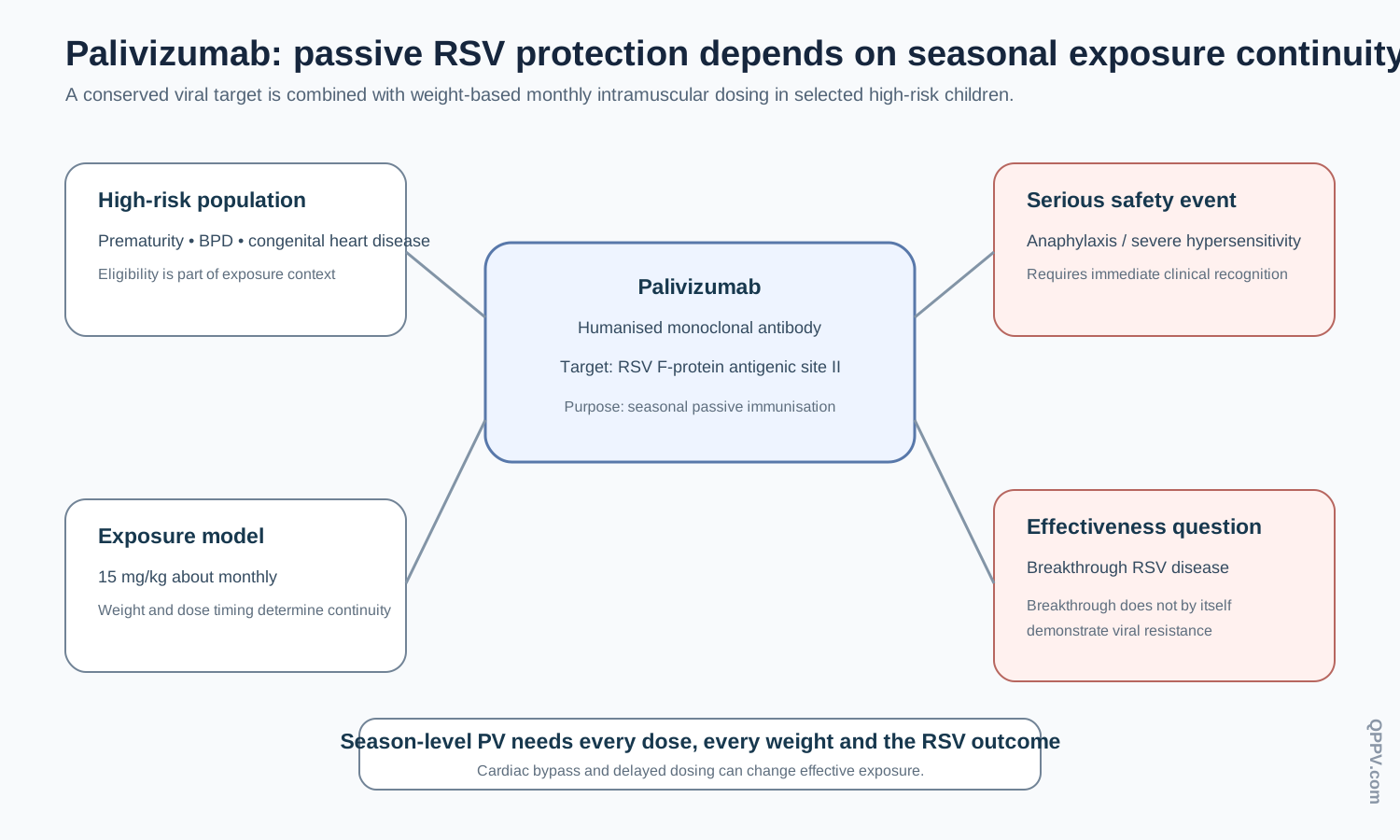
Figure 1. Palivizumab combines a conserved RSV-F target with monthly seasonal passive immunisation in selected high-risk children. Exposure continuity and patient eligibility are central pharmacovigilance variables.
RSV biology and the fusion protein
RSV is an enveloped respiratory virus. To infect a respiratory epithelial cell, the viral envelope must fuse with the host-cell membrane. The RSV fusion protein (F protein) drives this membrane-fusion step and is therefore an attractive neutralising-antibody target.
Palivizumab binds a conserved region of the mature F protein known as antigenic site II. By occupying this region, the antibody prevents efficient fusion and viral entry. The medicine does not need to enter the host cell or recruit cytotoxic immune cells to kill an infected cell; its primary role is extracellular neutralisation before productive infection becomes established.
This mechanism also explains why the medicine is prophylactic rather than therapeutic. Once a child has clinically established RSV lower-respiratory-tract disease, preventing additional viral entry is not equivalent to reversing airway inflammation, mucus production or established tissue injury.
Mechanism of action
The sequence is conceptually straightforward:
- palivizumab circulates after intramuscular administration;
- when RSV is encountered, antibody binds antigenic site II on the F protein;
- bound F protein cannot efficiently mediate membrane fusion;
- viral entry and propagation are reduced;
- sufficient circulating antibody across the exposure period lowers the risk of severe RSV lower-respiratory-tract disease requiring hospitalisation.
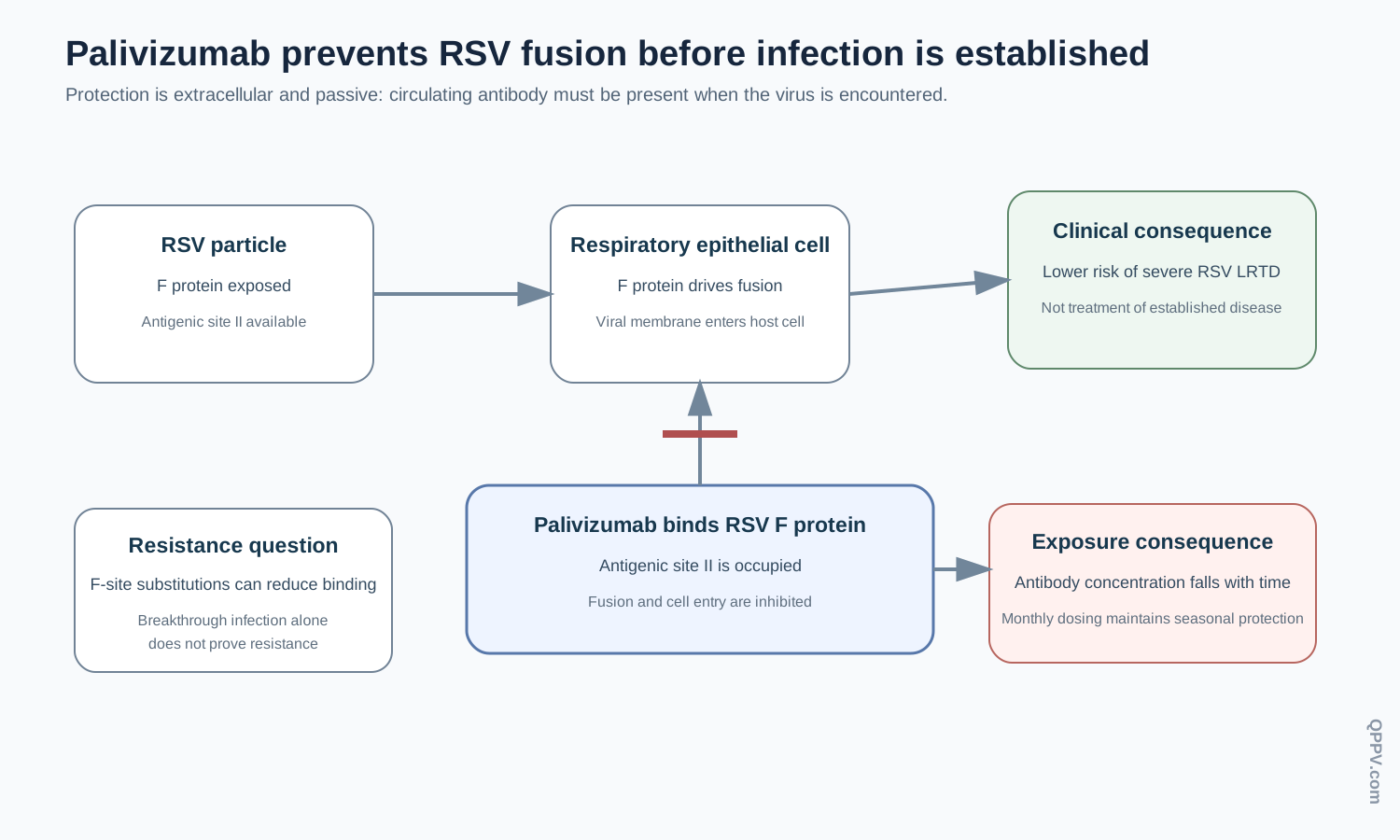
Figure 2. Palivizumab neutralises RSV extracellularly by binding the F protein before membrane fusion. Monthly dosing reflects the need to maintain passive antibody concentrations through the RSV-risk period.
Development and regulatory history
The pivotal development programme studied infants at high risk of severe RSV disease because of prematurity or chronic lung disease, followed by studies in children with congenital heart disease. The European Union authorised palivizumab in August 1999.
Current EU product information retains three principal high-risk groups: children born at 35 weeks of gestation or less and younger than six months at the onset of the RSV season; children younger than two years who required treatment for bronchopulmonary dysplasia within the preceding six months; and children younger than two years with haemodynamically significant congenital heart disease.
The authorised regimen is 15 mg/kg intramuscularly at approximately monthly intervals during anticipated periods of RSV risk. Most pivotal experience was accumulated over about five injections in a season. This older exposure model is clinically important when comparing palivizumab with newer RSV-prevention antibodies that can provide protection from a single seasonal dose.
Safety architecture
Palivizumab is generally administered to infants and young children whose baseline cardiopulmonary vulnerability is substantial. Pharmacovigilance therefore has to separate product reactions, administration complications and the natural history of RSV-prone disease.
Hypersensitivity and anaphylaxis
Allergic reactions, including very rare anaphylaxis and anaphylactic shock, have been reported after administration, and fatalities have been described in product information. Serious hypersensitivity requires immediate access to appropriate treatment after injection.
A useful case record includes dose number, onset after injection, skin/mucosal findings, respiratory compromise, blood pressure or circulatory signs, emergency treatment, hospitalisation, recovery and any subsequent exposure. A respiratory event in a premature infant should not be labelled anaphylaxis solely because it occurred after injection; objective allergic features and the treating diagnosis matter.
Intramuscular administration and bleeding risk
Palivizumab is usually injected intramuscularly into the thigh. Product information advises caution in patients with thrombocytopenia or coagulation disorders. This is an administration-route risk, not an effect of RSV-F neutralisation.
For injection-site haematoma or unusual bruising, follow-up should capture platelet count, underlying bleeding disorder, anticoagulant or antiplatelet exposure, injection site, technique and clinical consequences. Separating route-related bleeding from systemic haematological disease prevents misleading class attribution.
Fever, rash and injection-site reactions
Fever, rash and local pain/swelling are well recognised. In this age group, fever also has a broad infectious differential diagnosis. Serious or persistent fever should therefore be followed for RSV, bacterial infection and other viral illnesses rather than assumed to be an uncomplicated post-injection reaction.
Breakthrough RSV disease
Palivizumab lowers the probability of severe RSV disease but does not create sterilising immunity. Breakthrough infection can occur despite correct prophylaxis. A meaningful lack-of-efficacy case should reconstruct:
- gestational age and qualifying risk condition;
- age and weight at each dose;
- dates and calculated doses;
- local RSV-season timing;
- interval from last dose to symptom onset;
- virological confirmation and subtype where available;
- hospitalisation, oxygen, ICU or ventilation requirements;
- other respiratory pathogens and bacterial infection;
- prior cardiac surgery or other major intervention.
A report that states only “RSV despite palivizumab” cannot distinguish expected incomplete protection from underexposure, dosing error or a viral-resistance question.
Viral resistance and antigenic-site variants
Palivizumab binds antigenic site II of the RSV F protein. Clinical isolates with amino-acid substitutions in this region can show reduced susceptibility. Product information describes resistance-associated substitutions including changes around residues 262, 272 and 275.
Resistance is therefore biologically plausible but should not be inferred from every breakthrough infection. Where sequencing data are available, the exact F-protein substitution should be captured. When they are not available, the case should remain a clinical breakthrough rather than being upgraded to confirmed resistance.
Aggregate analysis can compare the frequency and severity of breakthrough disease with known resistance-associated variants, but interpretation must account for exposure gaps and changing community RSV epidemiology.
Monthly dosing and exposure continuity
Passive antibody concentrations decline after each administration, which is why the authorised regimen repeats dosing at approximately monthly intervals while RSV risk persists. Exposure reconstruction should therefore include all seasonal doses, not merely the most recent one.
Children grow rapidly. Weight-based dosing means that an unchanged absolute dose can become relatively lower as body weight increases. A suspected dosing error should compare the administered dose with contemporaneous weight rather than weight recorded months earlier.
A delayed dose is clinically relevant because it can produce a period of lower antibody concentration before the next administration. Medication-error systems should therefore link missed or delayed dosing to subsequent RSV outcomes where possible.
Cardiac bypass surgery
Cardiopulmonary bypass can substantially lower circulating palivizumab concentrations. Current product information allows an additional dose after cardiac bypass surgery, after which the original prophylaxis schedule can resume.
This is a distinctive example of a procedure changing biological exposure without changing the prescribed maintenance interval. If a child with congenital heart disease develops breakthrough RSV after surgery, pharmacovigilance should capture bypass date, perioperative palivizumab dosing and the interval to infection.
Second RSV seasons and repeated exposure
Some children remain clinically eligible during a subsequent RSV season. Repeated exposure requires the same product-specific assessment of hypersensitivity, dosing and breakthrough disease. Historical concerns about enhanced RSV disease after prior prophylaxis were investigated, but current case assessment should rely on observed clinical evidence rather than assuming enhancement from prior antibody exposure.
Relationship with newer RSV monoclonal antibodies
Newer extended-half-life antibodies can provide seasonal protection using a different exposure model. That does not make palivizumab obsolete as a pharmacovigilance concept or biologically interchangeable. Products differ in target epitope, half-life engineering, authorised population, dosing and resistance profile.
A safety database should therefore retain the exact active substance. “RSV monoclonal antibody” is not sufficiently specific for product-level signal detection or effectiveness analysis.
Pharmacovigilance case assessment
Palivizumab cases are most interpretable when organised around eligibility, seasonal exposure continuity, event phenotype and infant comorbidity. These variables determine whether a report concerns a product reaction, an administration problem or failure of prophylaxis.
Event-specific follow-up priorities
| Event or issue | High-value follow-up information |
|---|---|
| Anaphylaxis/hypersensitivity | Dose number, latency, skin/mucosal signs, respiratory/circulatory features, emergency treatment, hospitalisation and outcome |
| Breakthrough RSV disease | RSV test, onset, admission/oxygen/ICU/ventilation, all seasonal dose dates, weights and doses, risk condition, surgery and co-pathogens |
| Injection-site bleeding | Platelet count, coagulation disorder, concomitant medicines, site, technique, haematoma severity and outcome |
| Fever after injection | Timing, duration, infectious evaluation, RSV status, other pathogens, treatment and outcome |
| Missed/delayed dose | Intended and actual dates, reason, weight, interval to RSV exposure/disease and subsequent dosing |
| Post-bypass breakthrough | Cardiac-bypass date, pre/post-bypass palivizumab dosing, weight and interval to RSV disease |
| Suspected viral resistance | RSV confirmation, sequence/genotype, F-protein substitution, prior dose timing and disease severity |
Signal detection and aggregate review
Serious hypersensitivity should remain a dedicated case series because the event is rare but potentially rapidly fatal. Breakthrough RSV should be analysed separately from adverse drug reactions and stratified by eligibility group, seasonal dose completeness and major cardiac procedures.
Resistance analysis requires virological discipline. A breakthrough case without sequencing is evidence of incomplete clinical protection, not confirmed resistance. Where F-protein sequence data exist, they can be reviewed against known antigenic-site-II substitutions.
Medication-error review should include weight-based underdosing, delayed doses and omitted post-bypass supplementation where relevant. Linking these errors to clinical outcomes provides more useful learning than counting administration deviations in isolation.
Periodic benefit-risk evaluation
Periodic review should integrate severe RSV hospitalisation outcomes with hypersensitivity, injection-site events, bleeding complications, medication errors, breakthrough infections, resistance information and immunogenicity. Exposure should be understood by RSV season rather than calendar year alone where possible.
Because newer RSV-prevention products have changed clinical practice, changing utilisation patterns also matter. A decline in palivizumab use or concentration in specific high-risk subgroups can change spontaneous-reporting denominators and should be considered before inferring a change in intrinsic safety.
Risk management and operational controls
Current product information governs eligibility, weight-based dosing, monthly administration, management around cardiac bypass and readiness to treat severe hypersensitivity. Recommended operational controls include contemporaneous weight capture, seasonal dose tracking, exact product/batch documentation and targeted follow-up for serious RSV breakthrough.
These controls support correct implementation; they should not be described as additional statutory requirements unless explicitly required by the relevant jurisdiction.
Potential failure modes
The following are illustrative scenarios, not published inspection findings:
- An infant is reported as a prophylaxis failure without the dates of earlier monthly injections.
- Dose adequacy is assessed using birth weight rather than weight at the time of administration.
- Severe RSV after cardiac surgery is analysed without documenting cardiopulmonary bypass and post-bypass dosing.
- Every RSV breakthrough is labelled “resistance” despite absence of viral sequencing.
- A post-injection respiratory event is coded as anaphylaxis without documenting allergic or circulatory features.
- Palivizumab and an extended-half-life RSV antibody are grouped as though their dosing and resistance profiles were interchangeable.
Inspection and governance perspective
An inspector could examine whether serious hypersensitivity is followed rapidly, whether breakthrough RSV cases contain enough dosing information to assess protection failure, and whether weight-based medication errors are linked to outcomes. In a paediatric prophylaxis programme, traceability of dose, weight and season is central evidence of process effectiveness.
The key governance question is whether the organisation can reconstruct the entire seasonal exposure history rather than treating each injection as an isolated event.
Practical checklist
For a palivizumab case or aggregate analysis, confirm:
- qualifying high-risk condition and age;
- gestational age where relevant;
- weight at every relevant administration;
- calculated and administered dose;
- all seasonal dose dates and delays;
- RSV season/community circulation context;
- virological confirmation and severity of breakthrough disease;
- cardiac-bypass procedures and post-bypass dosing;
- platelet/coagulation status for bleeding events;
- objective allergic features for hypersensitivity cases;
- exact product and batch.
Key Takeaways
Palivizumab is a humanised RSV-F monoclonal antibody that provides passive seasonal protection to selected high-risk infants and young children. Its monthly dosing model means that exposure continuity is itself a pharmacovigilance variable.
Serious hypersensitivity is rare but clinically important. Breakthrough RSV requires complete dose and weight chronology, while confirmed viral resistance requires virological evidence rather than inference from treatment failure alone.
References
- European Medicines Agency. Synagis (palivizumab): EPAR. EU marketing authorisation issued 13 August 1999; current EPAR and RMP available. https://www.ema.europa.eu/en/medicines/human/EPAR/synagis
- European Medicines Agency. Synagis product information. Current EU indications, monthly 15 mg/kg dosing, hypersensitivity warning, bleeding precautions and cardiac-bypass guidance. https://www.ema.europa.eu/en/documents/product-information/synagis-epar-product-information_en.pdf
- The IMpact-RSV Study Group. Palivizumab, a humanized respiratory syncytial virus monoclonal antibody, reduces hospitalization from respiratory syncytial virus infection in high-risk infants. Pediatrics. 1998;102:531-537. doi:10.1542/peds.102.3.531.
- Feltes TF, Cabalka AK, Meissner HC, et al. Palivizumab prophylaxis reduces hospitalization due to respiratory syncytial virus in young children with hemodynamically significant congenital heart disease. J Pediatr. 2003;143:532-540. doi:10.1067/S0022-3476(03)00454-2.
Regulatory Note
Palivizumab eligibility, seasonal timing and prophylaxis recommendations can differ between jurisdictions and evolve as newer RSV-prevention options become available. This article explains the scientific and pharmacovigilance framework and does not replace current regional product information or paediatric infectious-disease guidance. Regulatory information was checked against EMA sources current in September 2026.