Panitumumab is a fully human monoclonal antibody directed against the epidermal growth factor receptor (EGFR). It is used in metastatic colorectal cancer (mCRC), but its usefulness cannot be understood from the target alone. EGFR sits at the cell surface, while key downstream proteins such as RAS transmit growth signals inside the cell. If a downstream RAS protein is constitutively activated by mutation, blocking EGFR upstream may no longer switch the pathway off. This relationship made panitumumab one of the medicines that helped establish molecular tumour selection as a routine part of oncology.
The modern story is more nuanced than the older statement that “panitumumab works only in RAS-wild-type colorectal cancer.” That remains the central rule for panitumumab monotherapy and conventional chemotherapy combinations. However, in the United States, panitumumab is also authorised with the KRAS G12C inhibitor sotorasib for previously treated KRAS G12C-mutated mCRC. In that setting, EGFR blockade is used deliberately to suppress pathway feedback that can limit KRAS G12C inhibition. The apparent exception therefore reinforces, rather than contradicts, pathway biology.
This article develops panitumumab from receptor biology through molecular selection, therapeutic positioning and adverse-reaction mechanisms to practical product pharmacovigilance.
Table of Contents
- Product identity and classification
- Molecular classification
- Therapeutic classification
- Development history
- Colorectal cancer and the EGFR–RAS pathway
- EGFR as a signalling receptor
- Why RAS mutations change treatment logic
- The KRAS G12C exception
- Mechanism of action
- Receptor blockade
- What a fully human antibody does and does not imply
- Clinical positioning
- RAS-wild-type mCRC
- KRAS G12C-mutated mCRC with sotorasib
- Jurisdictional differences
- Safety profile and mechanism-informed interpretation
- Dermatologic and soft-tissue toxicity
- Electrolyte depletion
- Infusion reactions
- Pulmonary toxicity
- Ocular toxicity and photosensitivity
- Diarrhoea, dehydration and renal injury
- Product pharmacovigilance
- Case assessment
- Molecular-test traceability
- Combination-regimen attribution
- Biological traceability and product quality
- Aggregate and signal interpretation
- Practical assessment framework
- Key Takeaways
- References
- Regulatory Note
Product identity and classification
Panitumumab is marketed as Vectibix. It is a recombinant, fully human IgG2 monoclonal antibody that binds EGFR and is administered by intravenous infusion.
Molecular classification
| Dimension | Classification | Why it matters |
|---|---|---|
| Modality | Fully human monoclonal antibody | Defines biological traceability and immunogenicity context |
| Isotype | IgG2 | Distinguishes molecular format from other anti-EGFR antibodies |
| Target | EGFR | Connects efficacy and toxicity to epithelial growth signalling |
| Functional class | Receptor antagonist | Prevents ligand-driven EGFR activation |
| Therapeutic area | Metastatic colorectal cancer | Defines tumour biology, background morbidity and combination regimens |
| Treatment logic | Biomarker-selected targeted therapy | RAS/KRAS status can determine whether EGFR blockade is rational |
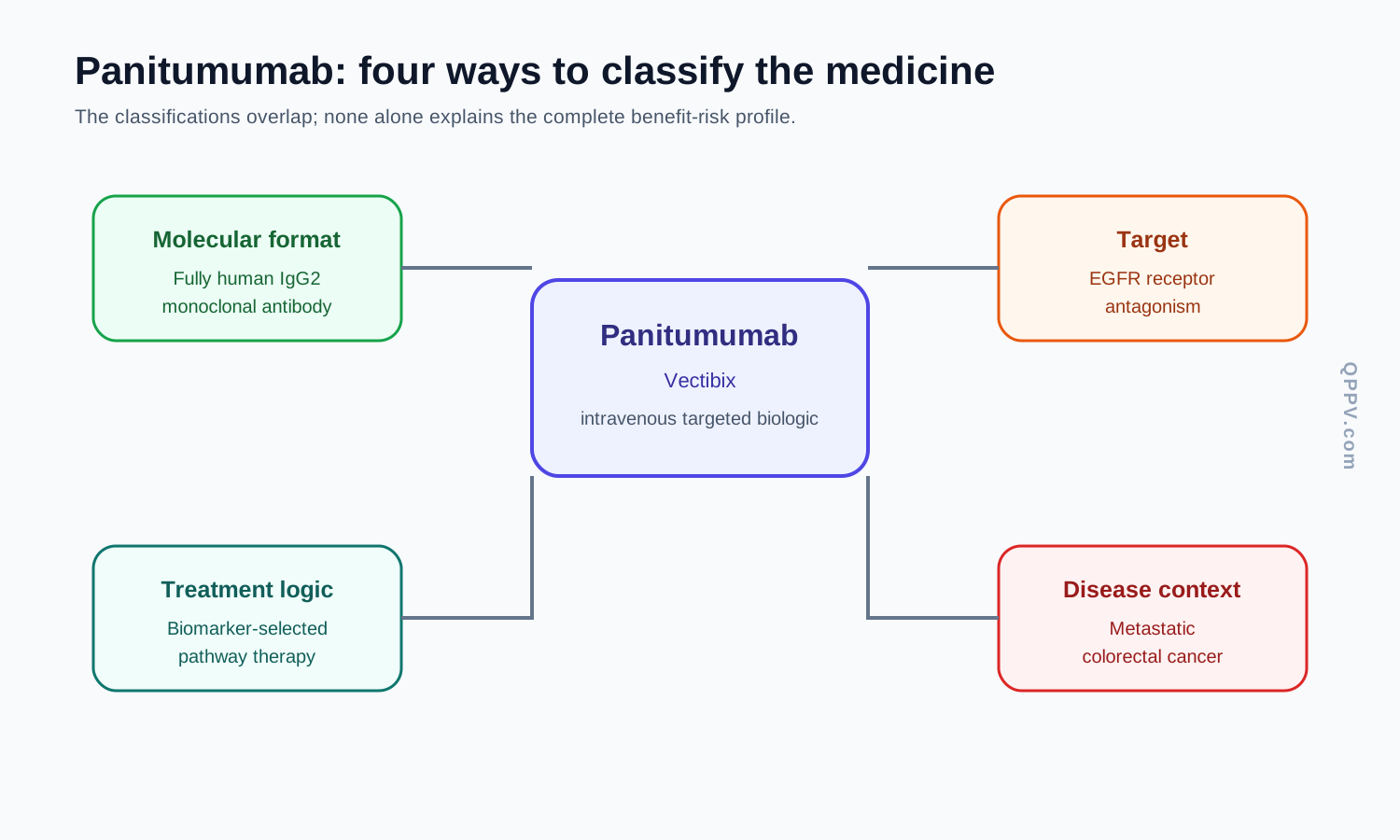
Figure 1. Panitumumab is a fully human IgG2 anti-EGFR monoclonal antibody used as a biomarker-selected targeted treatment in metastatic colorectal cancer. Molecular format, receptor target, pathway context and treatment role are separate but interacting classifications.
Therapeutic classification
Panitumumab belongs to the anti-EGFR class of antineoplastic agents. Unlike a cytotoxic medicine that broadly damages dividing cells, it targets a signalling receptor used by tumour cells and normal epithelial tissues. That selectivity creates two linked consequences: efficacy depends on whether the tumour still depends on upstream EGFR signalling, and adverse reactions often appear in normal EGFR-dependent tissues such as skin and ocular surface.
Development history
EGFR was recognised as a therapeutically attractive receptor because of its role in cell growth, survival and differentiation and its frequent activation in epithelial cancers. Early anti-EGFR development also revealed that receptor expression alone was not a sufficient biomarker. Tumours could express EGFR yet remain resistant because downstream signalling was activated independently of the receptor.
Panitumumab was developed as a fully human antibody to EGFR and first received US approval in 2006 for metastatic colorectal cancer. The European marketing authorisation followed in 2007. Its development became closely intertwined with the evolution of predictive biomarkers. Initial selection based largely on EGFR expression gave way to KRAS exon 2 testing, and then to broader RAS testing after analyses showed that additional KRAS and NRAS mutations also predicted lack of benefit from upstream EGFR blockade.
The 2013 analysis of panitumumab plus FOLFOX4 was especially important because it demonstrated that extended RAS testing sharpened selection: patients with RAS-wild-type tumours derived benefit, whereas patients with RAS-mutant tumours did not and could be harmed by inappropriate exposure. Molecular testing therefore became part of the treatment's benefit-risk architecture, not merely a research companion.
A further development came from KRAS G12C-directed therapy. In colorectal cancer, KRAS G12C inhibition can trigger adaptive EGFR-mediated pathway reactivation. The CodeBreaK 300 programme tested simultaneous KRAS G12C and EGFR blockade, leading to the current US indication for panitumumab with sotorasib in previously treated KRAS G12C-mutated mCRC. This is a precision-combination strategy rather than a reversal of the RAS-selection principle.
Colorectal cancer and the EGFR–RAS pathway
EGFR as a signalling receptor
EGFR is a transmembrane receptor tyrosine kinase. Binding of ligands such as epidermal growth factor promotes receptor dimerisation and phosphorylation of intracellular signalling sites. These signals feed into pathways including RAS–RAF–MEK–ERK and PI3K–AKT, which influence proliferation, survival and other cellular functions.
A useful analogy is a wall-mounted switch connected to an internal electrical circuit. Panitumumab blocks the switch at the cell surface. If the downstream circuit still depends on that switch, signalling falls. If a downstream component has become locked in the “on” position by an activating mutation, blocking the switch may accomplish little.
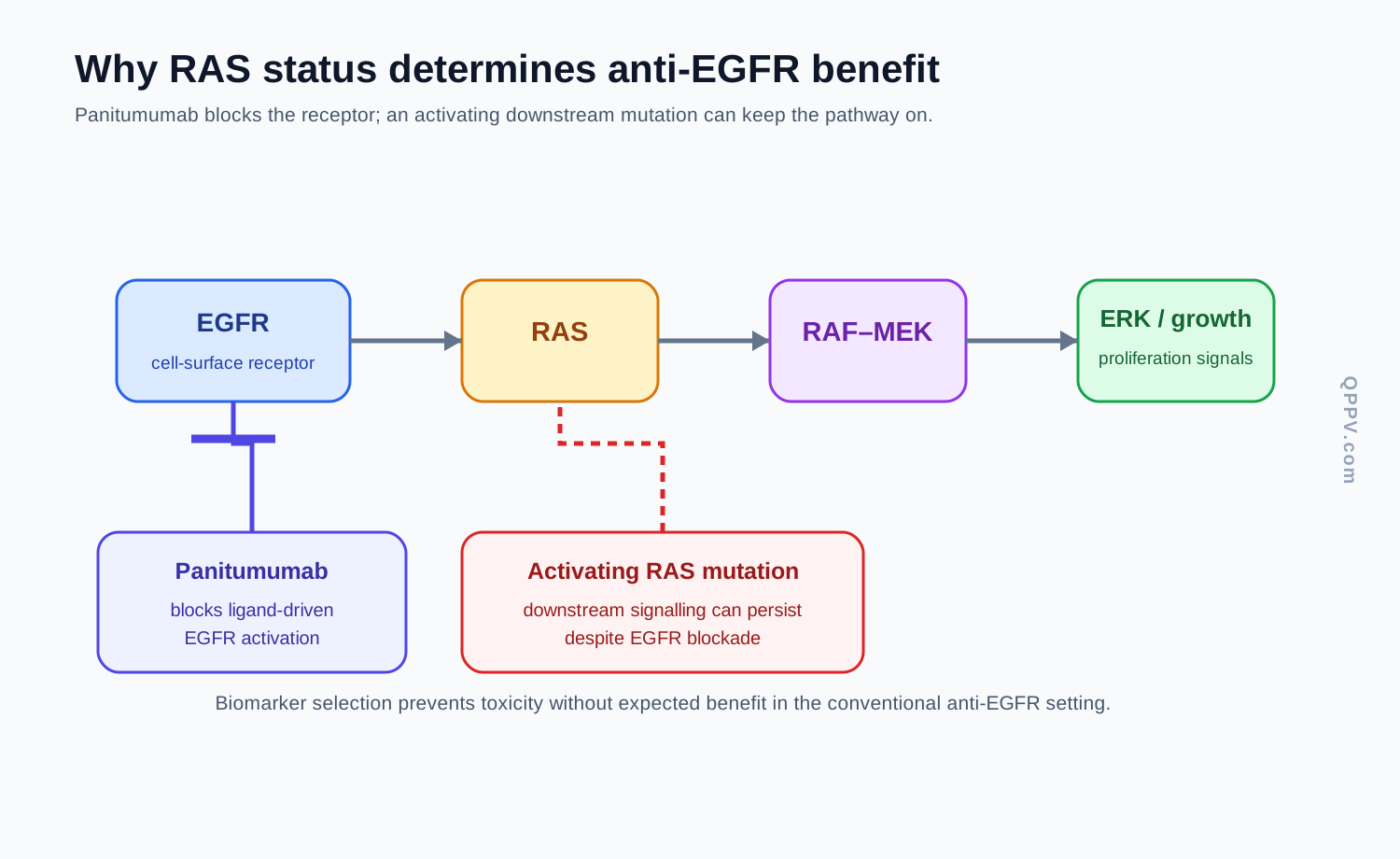
Figure 2. EGFR activates downstream RAS–RAF–MEK–ERK signalling. In conventional anti-EGFR treatment, activating RAS mutations can make downstream signalling independent of EGFR, explaining why RAS testing is required before panitumumab use in the RAS-wild-type treatment setting.
Why RAS mutations change treatment logic
RAS proteins are small GTPases that cycle between inactive and active states. Activating mutations can stabilise signalling in an active state. In colorectal cancer, clinically relevant mutations occur in KRAS and NRAS. When such mutations drive the pathway, tumour growth signalling can continue despite EGFR blockade.
This creates an unusually direct pharmacovigilance lesson: incorrect biomarker selection is a safety problem as well as an efficacy problem. A patient with a non-responsive molecular tumour type can still experience rash, electrolyte loss, infusion reactions and other toxicities while receiving little or no anticancer benefit. The molecular test therefore contributes to benefit-risk minimisation.
The KRAS G12C exception
KRAS G12C is a specific mutant form that can be pharmacologically inhibited. In colorectal cancer, however, blocking KRAS G12C alone can relieve negative feedback and permit EGFR signalling to reactivate the pathway. Combining sotorasib with panitumumab attacks both the mutant KRAS node and the upstream feedback source.
The correct conceptual rule is therefore not “RAS mutation always means panitumumab is useless.” It is: panitumumab monotherapy or conventional chemotherapy combinations require RAS-wild-type disease, except where a specifically authorised molecular combination deliberately targets both the mutant driver and compensatory EGFR signalling.
Mechanism of action
Receptor blockade
Panitumumab binds the extracellular domain of EGFR and inhibits ligand binding and receptor activation. The downstream consequence is reduced signalling through pathways that support proliferation and survival in susceptible tumour cells. EGFR blockade can also alter cell-cycle progression and other tumour-cell behaviours.
The mechanism is pharmacologically straightforward but biologically conditional. The antibody can bind EGFR whether or not the tumour is clinically sensitive. Sensitivity depends on the state of the downstream network. This is why target engagement and clinical benefit are not interchangeable concepts.
What a fully human antibody does and does not imply
Panitumumab was engineered as a fully human antibody, reducing the presence of non-human protein sequences compared with older chimeric antibodies. That design can reduce some forms of immunogenicity, but “fully human” does not mean non-immunogenic and does not eliminate infusion reactions or hypersensitivity.
Its IgG2 format also means that the principal therapeutic model is receptor blockade rather than strong Fc-mediated cellular cytotoxicity. For the PV assessor, the practical implication is that mechanism-based toxicities are most usefully connected to EGFR inhibition in normal tissues and to the treatment context rather than to assumptions about immune-cell depletion.
Clinical positioning
RAS-wild-type mCRC
In the European Union, Vectibix is authorised for adults with wild-type RAS mCRC in several treatment settings, including first-line combinations with FOLFOX or FOLFIRI, second-line FOLFIRI after fluoropyrimidine-based therapy without prior irinotecan, and monotherapy after failure of fluoropyrimidine-, oxaliplatin- and irinotecan-containing regimens. The exact authorised wording should always be checked in the current SmPC.
In the United States, the current label includes panitumumab with FOLFOX as first-line treatment for RAS-wild-type mCRC and panitumumab monotherapy after progression following fluoropyrimidine-, oxaliplatin- and irinotecan-containing chemotherapy. Tumour RAS status must be established using an appropriate validated or authorised test according to jurisdiction.
The treatment pathway therefore begins before the first infusion. A correct tumour result, a traceable specimen, a validated assay and correct interpretation are prerequisites to rational exposure.
KRAS G12C-mutated mCRC with sotorasib
The current US label additionally authorises panitumumab with sotorasib for adults with KRAS G12C-mutated mCRC who have received prior fluoropyrimidine-, oxaliplatin- and irinotecan-based chemotherapy. The combination reflects feedback biology: inhibition of mutant KRAS can be undermined by upstream EGFR reactivation, while simultaneous EGFR blockade suppresses that escape pathway.
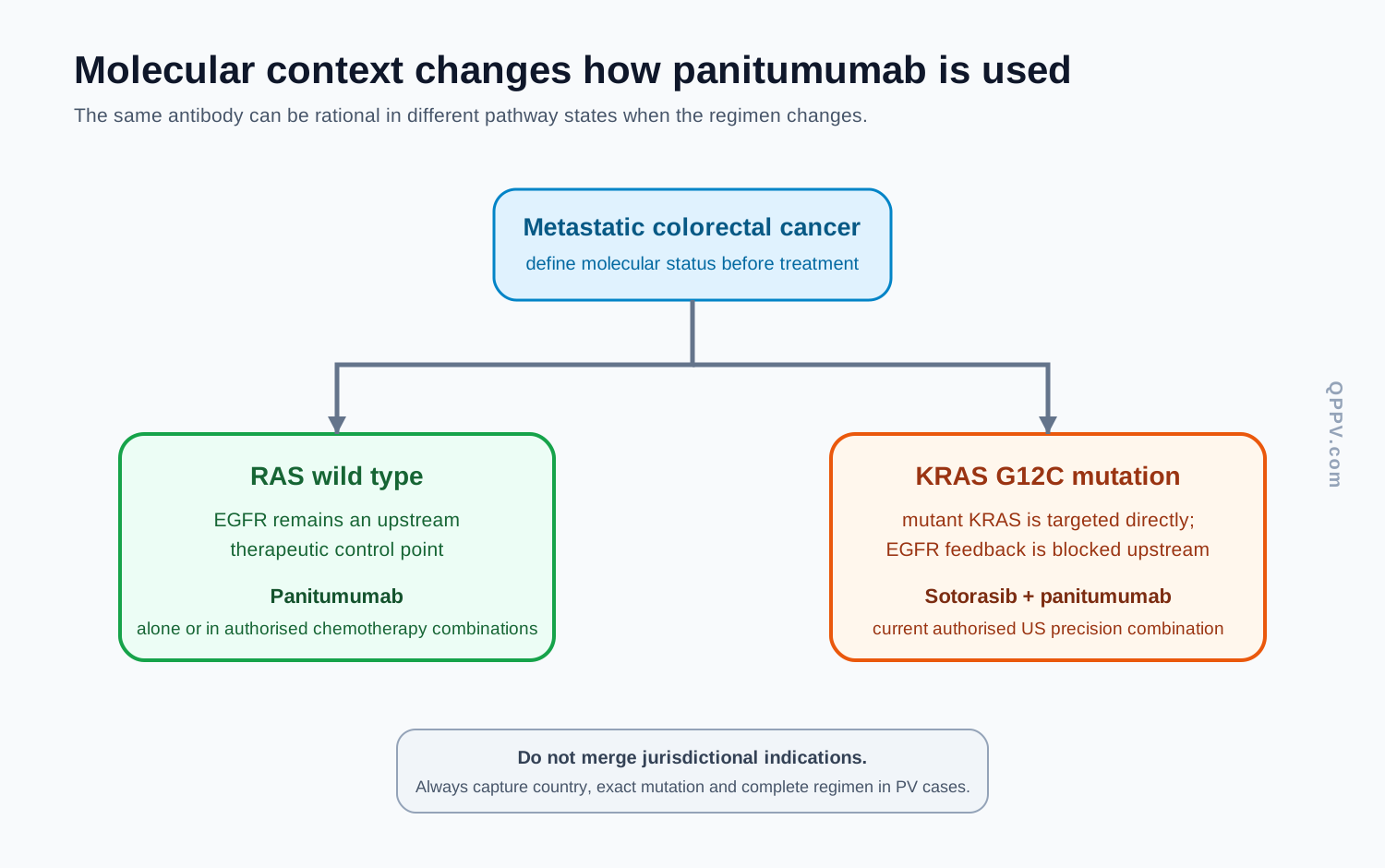
Figure 3. Panitumumab treatment selection depends on molecular context. Conventional anti-EGFR use requires RAS-wild-type disease, while the authorised US KRAS G12C combination uses panitumumab with sotorasib to suppress compensatory EGFR feedback. The diagram is a conceptual treatment map, not a substitute for jurisdiction-specific prescribing information.
This combination also changes safety attribution. Toxicities such as rash and hypomagnesaemia fit panitumumab well, whereas hepatotoxicity or other events may implicate sotorasib, concomitant therapy, disease or multiple causes. The case should preserve both exposures.
Jurisdictional differences
The EU and US labels are not identical. As of September 2026, the EMA Vectibix indication remains framed around wild-type RAS mCRC, while the US label includes the KRAS G12C–sotorasib combination. This is a useful reminder that a product article can explain global science but must not silently merge indications across jurisdictions.
For pharmacovigilance, indication, country and regimen should therefore be captured together. An apparently “off-label” RAS-mutant exposure in one jurisdiction may be an authorised precision combination in another.
Safety profile and mechanism-informed interpretation
EGFR is expressed in normal epithelial tissues, so many characteristic adverse reactions follow directly from on-target inhibition. The product label remains the regulatory baseline; mechanism helps explain why the events occur and what information makes them interpretable.
Dermatologic and soft-tissue toxicity
Dermatologic toxicity is the signature toxicity of panitumumab and carries a boxed warning in the current US label. Acneiform dermatitis, rash, erythema, pruritus, dry skin, fissures and paronychia are common manifestations. The distribution often involves seborrhoeic areas because EGFR contributes to keratinocyte growth, follicular biology and skin-barrier maintenance.
The rash is not simply an allergic eruption. Inhibition of EGFR in epidermal and follicular tissues disrupts epithelial homeostasis and promotes inflammation. This distinction matters because management, recurrence patterns and causal interpretation differ from immediate hypersensitivity.
Severe skin-barrier disruption can lead to secondary infection. Reports of cellulitis, abscess, sepsis or necrotising soft-tissue infection should therefore capture preceding skin toxicity, wound location, microbiology, neutrophil status, chemotherapy exposure and treatment delay. The infectious event may be downstream of an on-target epithelial toxicity rather than an unrelated infection.
Electrolyte depletion
EGFR signalling contributes to renal magnesium handling, particularly through regulation of TRPM6-related magnesium transport in the distal nephron. EGFR blockade can therefore produce progressive hypomagnesaemia. Hypocalcaemia and hypokalaemia can accompany or follow magnesium depletion.
The current US label recommends monitoring magnesium and calcium before and during treatment and for up to eight weeks after completion, with repletion as appropriate. Delayed recovery is pharmacologically plausible because electrolyte regulation may remain disturbed after the last infusion.
A serious arrhythmia, seizure, weakness or tetany report should therefore prompt retrieval of magnesium, calcium and potassium values rather than treating the clinical event as isolated.
Infusion reactions
Infusion reactions can occur despite the fully human antibody design. Reports should document timing from infusion start, first versus later exposure, symptoms, vital signs, rate changes, treatment, outcome and subsequent rechallenge. Severe reactions require a different causal and management framework from common delayed skin toxicity.
Pulmonary toxicity
Interstitial lung disease and pulmonary fibrosis are uncommon but serious labelled risks. In oncology patients, dyspnoea has many alternatives: infection, pulmonary embolism, tumour progression, pleural effusion, heart failure, anaemia and chemotherapy toxicity. A high-quality case therefore needs imaging pattern, oxygen requirement, infectious work-up, concomitant drugs and baseline pulmonary disease.
When ILD is diagnosed, the current US label directs permanent discontinuation. The distinction between a suspected case under evaluation and a confirmed interstitial process should be preserved in PV coding and narrative.
Ocular toxicity and photosensitivity
EGFR contributes to corneal and ocular-surface epithelial maintenance. Keratitis, ulcerative keratitis and corneal perforation have been reported. Eye pain, photophobia, redness, visual change or corneal findings require prompt characterisation; severe ocular toxicity should not be reduced to a generic “eye disorder”.
Sunlight may exacerbate EGFR-inhibitor dermatologic toxicity, which explains label advice concerning sun protection. Photosensitivity reports should distinguish true phototoxic or photoallergic patterns from ordinary worsening of acneiform dermatitis after sun exposure.
Diarrhoea, dehydration and renal injury
Diarrhoea may reflect chemotherapy, panitumumab, infection or combination effects. In severe cases, dehydration can compound electrolyte depletion and precipitate acute kidney injury. The clinically meaningful chain may therefore be diarrhoea → volume loss → renal dysfunction + worsened electrolyte abnormalities, rather than several unrelated adverse events.
For combination regimens, the temporal relationship to each treatment component and cumulative gastrointestinal toxicity should be reconstructed before assigning causality.
Product pharmacovigilance
Panitumumab pharmacovigilance has an unusual dual structure. The product must be surveilled as a biological anticancer medicine with a characteristic toxicity profile, but the molecular selection process itself is also part of benefit-risk control. A patient can be harmed either by a direct adverse reaction or by receiving toxic therapy in a tumour context where benefit is not expected.
Case assessment
A useful case assessment preserves tumour biology, regimen and toxicity phenotype together.
| Domain | High-value information |
|---|---|
| Exposure | Dose, dates, infusion number, batch/lot where available |
| Indication | mCRC line of therapy, sites of metastatic disease, disease status |
| Molecular selection | KRAS/NRAS result, exons/codons assessed, KRAS G12C status where relevant, test method and date |
| Regimen | Monotherapy, FOLFOX/FOLFIRI, sotorasib or other concomitant antineoplastic therapy |
| Skin event | Morphology, grade, distribution, infection, treatment, dose interruption |
| Electrolytes | Magnesium, calcium, potassium before and during event; replacement |
| Serious organ events | Imaging, microbiology, renal function, pulmonary/ocular investigations |
| Alternatives | Chemotherapy toxicity, infection, disease progression, other medicines |
| Outcome | Dechallenge, rechallenge, dose modification, permanent discontinuation |
The value of each field is event-specific. A rash report requires morphology and secondary infection data; a seizure requires electrolytes and CNS disease assessment; an ILD report requires imaging and competing pulmonary diagnoses.
Molecular-test traceability
For a targeted therapy, a molecular-test error can become a medication-selection error. Examples include an incomplete RAS panel, specimen mix-up, transcription of a mutant result as wild type, or use of a result that does not answer the question required by the current label.
The KRAS G12C combination adds another layer. A RAS mutation that would ordinarily exclude conventional panitumumab use can be the very biomarker that supports panitumumab when paired with an authorised KRAS G12C inhibitor. PV narratives should therefore state the exact mutation and regimen, not merely “RAS positive” or “RAS negative”.
Combination-regimen attribution
Panitumumab is frequently used with cytotoxic or targeted medicines. Attribution should be mechanistic rather than reflexive. Acneiform rash, paronychia and progressive hypomagnesaemia are strongly characteristic of EGFR inhibition. Neutropenia may be more readily explained by chemotherapy. Hepatic injury in the sotorasib combination may require assessment of sotorasib as well as panitumumab. Diarrhoea, fatigue, infection and renal dysfunction can have several contributors.
A single case can legitimately have more than one suspect medicine. The purpose is not to force exclusivity but to preserve enough information for product-specific and regimen-level analyses.
Biological traceability and product quality
Product name and batch/lot should be recorded where available. This is particularly relevant for hypersensitivity clusters, suspected product-quality defects, storage excursions, particulate complaints or preparation errors.
Panitumumab is supplied as a concentrated intravenous solution that must be prepared and administered according to the authorised instructions. Product-quality complaints should distinguish container or solution defects from preparation/infusion errors and clinical adverse reactions, while linking them when they concern the same exposure.
Aggregate and signal interpretation
Aggregate review should stratify by regimen and molecular population where these variables could modify risk. The safety experience of panitumumab plus sotorasib should not automatically be pooled with panitumumab monotherapy or FOLFOX without considering additive or interacting toxicities.
Similarly, electrolyte depletion should be interpreted longitudinally because the clinically meaningful pattern may be progressive magnesium loss over several cycles rather than a single laboratory abnormality. Dermatologic infections may be better understood when linked to preceding grade and duration of skin toxicity.
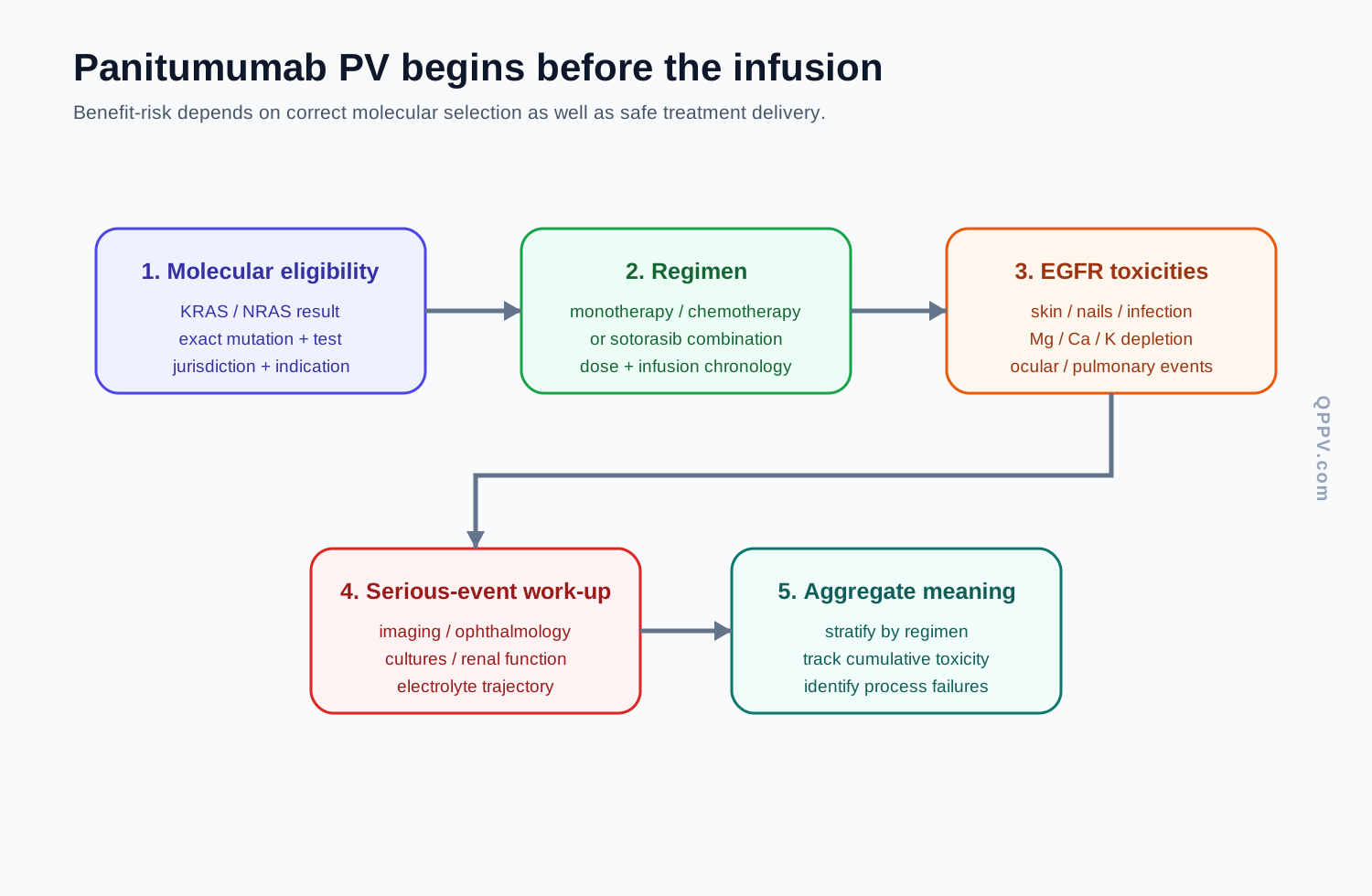
Figure 4. Panitumumab product pharmacovigilance links molecular eligibility, regimen, characteristic EGFR toxicities and longitudinal laboratory monitoring. The same pathway biology that determines efficacy also helps organise safety surveillance.
Practical assessment framework
An experienced PV assessor can approach a panitumumab report in a reproducible sequence:
- Confirm the exact regimen and jurisdiction. Determine whether exposure was conventional RAS-wild-type treatment or an authorised KRAS G12C combination.
- Verify molecular context. Capture the actual KRAS/NRAS result rather than a vague “positive/negative” summary.
- Define the event clinically. Distinguish acneiform EGFR rash, infection, immediate infusion reaction, ILD, keratitis, electrolyte-mediated manifestations and other syndromes.
- Map chronology across cycles. Skin and electrolyte toxicity can evolve cumulatively.
- Retrieve discriminating tests. Magnesium for arrhythmia/seizure, imaging for ILD, ophthalmic examination for corneal toxicity and cultures for severe skin infection.
- Assess concomitant therapy. Separate panitumumab-characteristic effects from chemotherapy or sotorasib toxicity while allowing multi-causal attribution.
- Check dose modification and rechallenge. Recurrence after resumption may add causal information.
- Preserve biological traceability. Record brand and batch/lot where available.
- Ask whether the case indicates a process failure. Incorrect biomarker selection, missing electrolyte surveillance or continued dosing through severe toxicity may have risk-minimisation relevance beyond the individual case.
Illustrative scenario: seizure after progressive electrolyte loss
A patient receiving panitumumab develops fatigue and muscle cramps over several cycles and then has a generalised seizure. The initial report states only “seizure related to chemotherapy”. Follow-up shows magnesium 0.35 mmol/L with hypocalcaemia and hypokalaemia.
The stronger assessment connects the event to a recognised EGFR-inhibitor pathway: progressive renal magnesium wasting can produce secondary electrolyte abnormalities and neurological manifestations. The seizure remains the clinically serious event, but the laboratory trajectory explains the mechanism and identifies whether electrolyte monitoring or replacement was adequate.
Illustrative scenario: apparent contraindication created by incomplete molecular wording
A case narrative states that panitumumab was given to a patient with “RAS-mutant colorectal cancer”, suggesting inappropriate use. Follow-up shows a KRAS G12C mutation and authorised combination therapy with sotorasib in the United States. The initial safety concern arose from imprecise molecular documentation, not necessarily from inappropriate prescribing.
The opposite problem is also possible: a truly RAS-mutant tumour may receive conventional panitumumab because an incomplete or erroneous test was interpreted as wild type. Exact molecular data are therefore essential.
Key Takeaways
- Panitumumab is a fully human IgG2 monoclonal antibody that blocks EGFR.
- Clinical benefit depends on the downstream signalling context; conventional panitumumab treatment requires RAS-wild-type mCRC.
- The current US KRAS G12C indication with sotorasib is a rational exception in which EGFR blockade suppresses feedback reactivation during mutant-KRAS inhibition.
- Molecular testing is part of benefit-risk management because incorrect selection can expose patients to toxicity without expected anticancer benefit.
- Dermatologic toxicity is an on-target effect of EGFR inhibition and can lead to serious secondary infection.
- Progressive hypomagnesaemia can drive hypocalcaemia, hypokalaemia and clinically serious manifestations; longitudinal electrolyte data are therefore central to PV assessment.
- Pulmonary and ocular toxicities are uncommon but potentially serious and require syndrome-specific follow-up.
- Combination-regimen PV must preserve all suspect exposures rather than attributing every event automatically to panitumumab.
References
- European Medicines Agency. Vectibix (panitumumab): EPAR and current product information. Product information last updated 7 May 2025 on the EMA EPAR page. https://www.ema.europa.eu/en/medicines/human/EPAR/vectibix
- U.S. National Library of Medicine. DailyMed: VECTIBIX (panitumumab) injection. Current US prescribing information; label updated in 2026. https://dailymed.nlm.nih.gov/dailymed/drugInfo.cfm?setid=e0fa4bca-f245-4d92-ae29-b0c630a315c2
- Douillard JY, Oliner KS, Siena S, et al. Panitumumab-FOLFOX4 Treatment and RAS Mutations in Colorectal Cancer. N Engl J Med. 2013;369:1023-1034. doi:10.1056/NEJMoa1305275.
- Fakih MG, Salvatore L, Esaki T, et al. Sotorasib plus Panitumumab in Refractory Colorectal Cancer with Mutated KRAS G12C. N Engl J Med. 2023;389:2125-2139. doi:10.1056/NEJMoa2308795. Corrected 2025.
- U.S. Food and Drug Administration. List of FDA-Authorized Companion Diagnostic Devices. Current listing includes RAS testing associated with Vectibix. https://www.fda.gov/medical-devices/in-vitro-diagnostics/list-fda-authorized-companion-diagnostic-devices-in-vitro-and-imaging-tools
Regulatory Note
This article is an educational pharmacovigilance reference and does not replace the current Vectibix SmPC, US Prescribing Information, companion-diagnostic requirements, oncology guidelines or individual medical judgement. Indications and molecular-selection requirements differ by jurisdiction and can change. In particular, the US-authorised KRAS G12C combination should not be assumed to represent an authorised indication in other regions. For patient care, case processing, signal assessment and regulatory decisions, use the current product information applicable to the relevant country and regimen.