Pegfilgrastim: Pegylated G-CSF, Neutrophil Recovery and Pharmacovigilance
Pegfilgrastim is a long-acting form of recombinant human granulocyte colony-stimulating factor (G-CSF). It is used after myelosuppressive cytotoxic chemotherapy to shorten neutropenia and reduce febrile neutropenia. The medicine is often described simply as “long-acting filgrastim”, but that shorthand hides the feature that makes it pharmacologically distinctive: covalent attachment of polyethylene glycol reduces renal clearance, while neutrophils and their precursors participate in eliminating the molecule. Exposure therefore tends to persist while neutrophil numbers are low and decline as the neutrophil compartment recovers.
This feedback-like relationship connects molecular engineering, clinical use and pharmacovigilance. A useful assessment must reconstruct chemotherapy timing, pegfilgrastim timing, serial blood counts, infection and fever, concomitant treatments, presentation or delivery device, and the clinical event. An isolated adverse-event term rarely explains whether the medicine contributed, whether chemotherapy or malignancy is the stronger cause, or whether treatment was delivered as intended.
Table of Contents
- Product identity and classification
- Development and regulatory history
- G-CSF biology and neutrophil production
- Molecular design and mechanism of action
- Pegylation
- Receptor signalling
- Self-regulating clearance
- Clinical-use architecture
- Safety profile and mechanistic interpretation
- Presentations, devices and medication error
- Biosimilars and product traceability
- Product pharmacovigilance
- Special situations
- Inspection and governance perspective
- Practical assessment framework
- Key Takeaways
- References
- Regulatory Note
Product identity and classification
| Dimension | Classification |
|---|---|
| Active substance | Pegfilgrastim |
| Modality | Pegylated recombinant human G-CSF |
| Parent protein | Filgrastim |
| Target | G-CSF receptor |
| Primary effect | Expansion, maturation and activation of neutrophil-lineage cells |
| Therapeutic role | Supportive care after myelosuppressive chemotherapy |
| Regulatory landscape | Reference biological product with multiple biosimilars |
| Typical route | Subcutaneous injection |
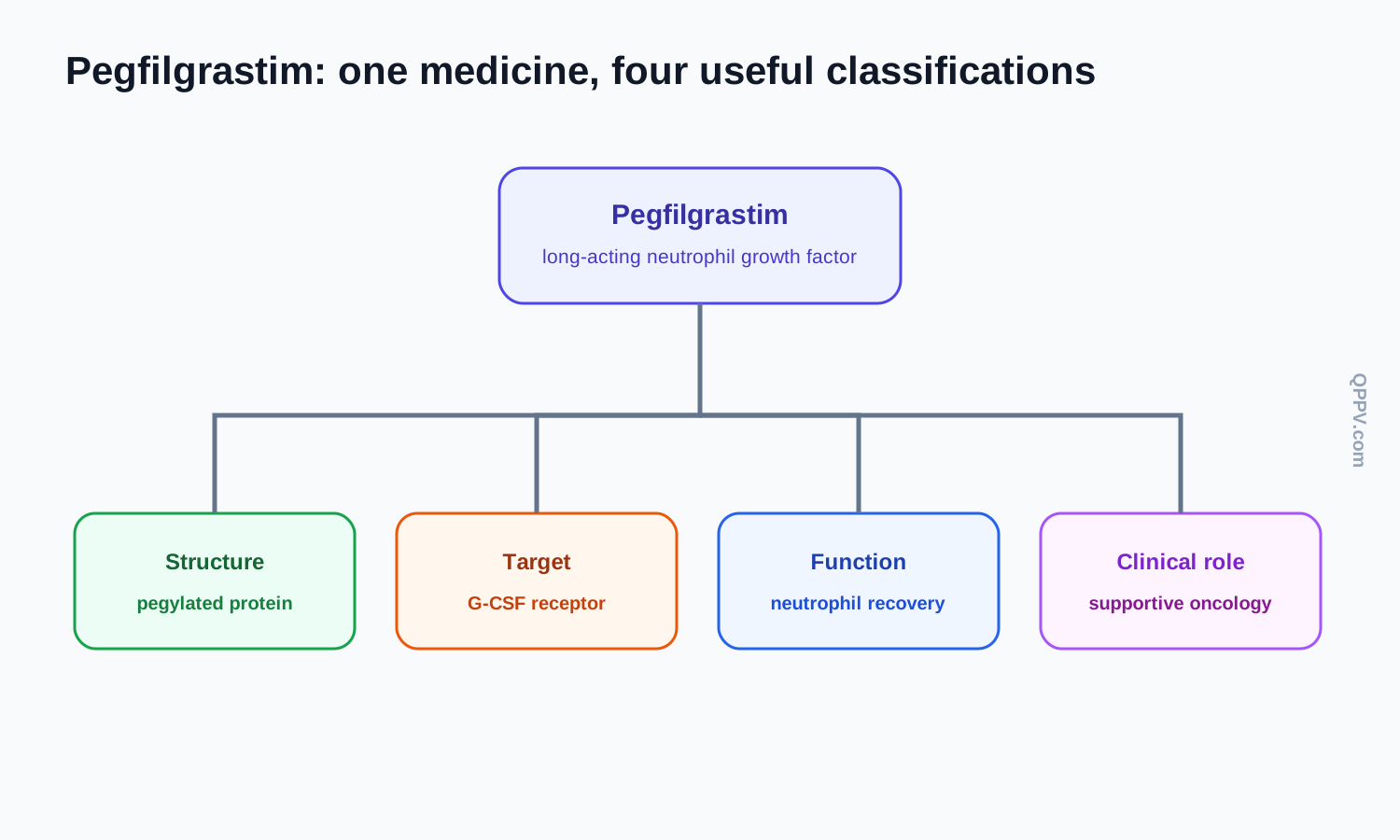
Figure 1. Pegfilgrastim is simultaneously a recombinant cytokine, a pegylated long-acting derivative of filgrastim, a G-CSF-receptor agonist and a supportive-care biological medicine.
Development and regulatory history
Filgrastim demonstrated that recombinant G-CSF could accelerate neutrophil recovery after cytotoxic chemotherapy, but its relatively short persistence generally required repeated administration. Pegfilgrastim was designed to extend systemic exposure without changing the essential receptor pharmacology. A polyethylene-glycol moiety was attached to filgrastim, increasing hydrodynamic size and reducing renal elimination.
The European Union authorised Neulasta in August 2002. Its authorised role is reduction in the duration of neutropenia and incidence of febrile neutropenia in patients receiving cytotoxic chemotherapy for malignancy, subject to exclusions and wording in the current product information. The subsequent arrival of pegfilgrastim biosimilars made the molecule an important teaching example for biological comparability, switching, traceability and presentation-specific risk.
Regulatory history should not be treated as static. Product information has evolved as uncommon post-authorisation risks, new presentations and delivery systems have been evaluated. Historical listedness must therefore be judged using the label applicable at the time of the report, while current clinical interpretation should use current jurisdiction-specific information.
G-CSF biology and neutrophil production
Neutrophils are short-lived innate immune cells produced in the bone marrow. Cytotoxic chemotherapy can damage rapidly dividing myeloid precursors, creating a predictable fall and later recovery in the absolute neutrophil count (ANC). The lowest point is the nadir. When severe neutropenia coincides with fever, infection can progress rapidly because the patient has reduced cellular capacity to contain bacterial and fungal invasion.
Endogenous G-CSF is one signal that promotes survival, proliferation, differentiation and functional activation of neutrophil precursors. It acts through the G-CSF receptor on myeloid-lineage cells. Pegfilgrastim amplifies this physiological recovery pathway; it does not neutralise chemotherapy, directly kill microorganisms or guarantee that febrile neutropenia will not occur.
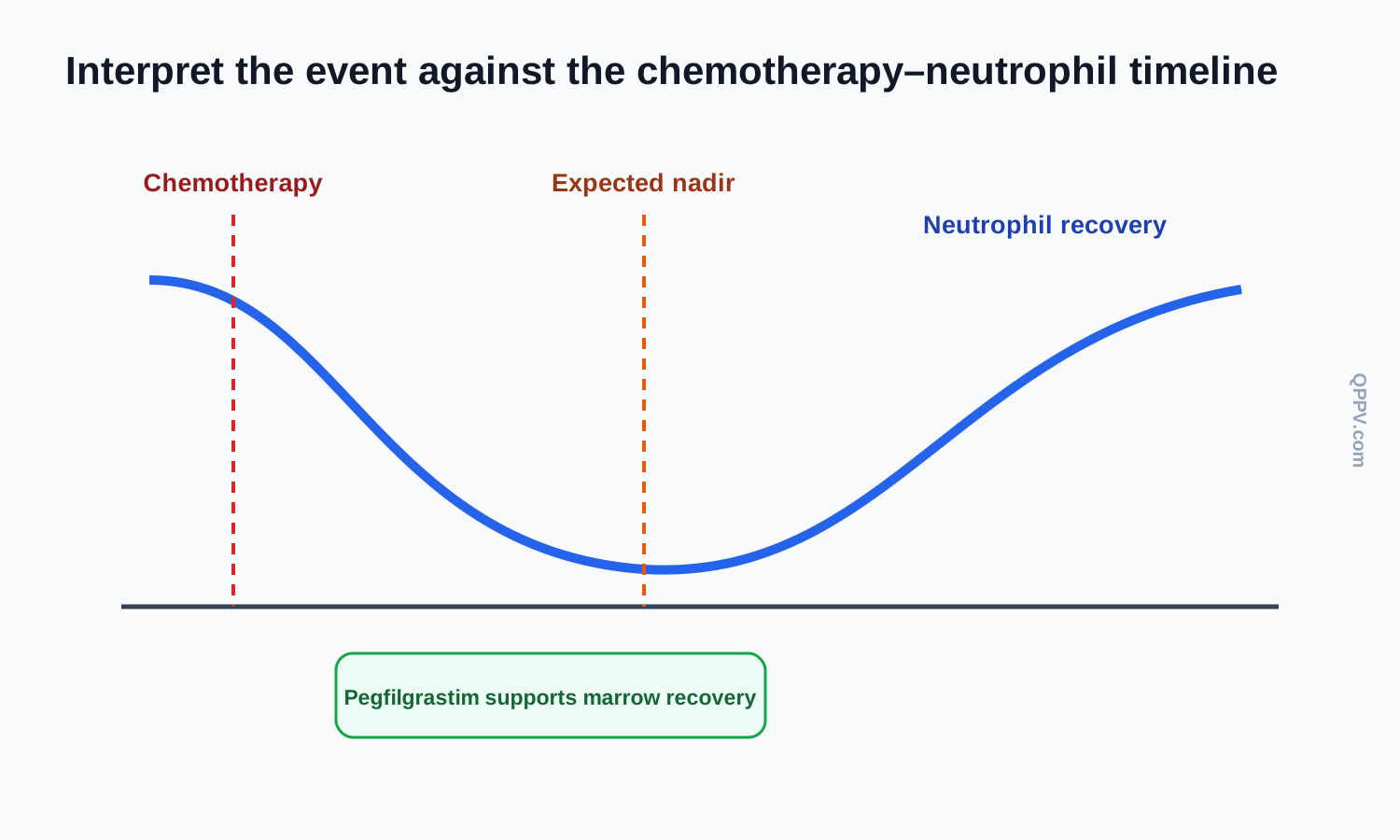
Figure 2. Chemotherapy injury reduces marrow neutrophil production. Pegfilgrastim stimulates the surviving precursor compartment, but clinical interpretation still requires the chemotherapy cycle, expected nadir and observed ANC trajectory.
Molecular design and mechanism of action
Pegylation
Pegfilgrastim consists of filgrastim with a polyethylene-glycol chain covalently attached at the N terminus. Pegylation enlarges the effective molecular size, reduces renal filtration and extends exposure. It is a pharmacokinetic engineering strategy rather than a new receptor mechanism.
Receptor signalling
Binding to the G-CSF receptor causes receptor activation and intracellular signalling through JAK–STAT, RAS–MAPK and PI3K–AKT pathways. These signals support myeloid precursor survival and proliferation, promote differentiation toward mature neutrophils and influence neutrophil function. The clinical effect appears after the biological delay required for marrow production and release.
Self-regulating clearance
Pegfilgrastim clearance is substantially related to the neutrophil lineage. When neutrophils are depleted, clearance is slower and exposure persists. As neutrophils and precursors recover, receptor-mediated and cellular clearance increases. This produces a useful self-regulating pattern, although it is not perfect homeostasis and does not eliminate interpatient variability.
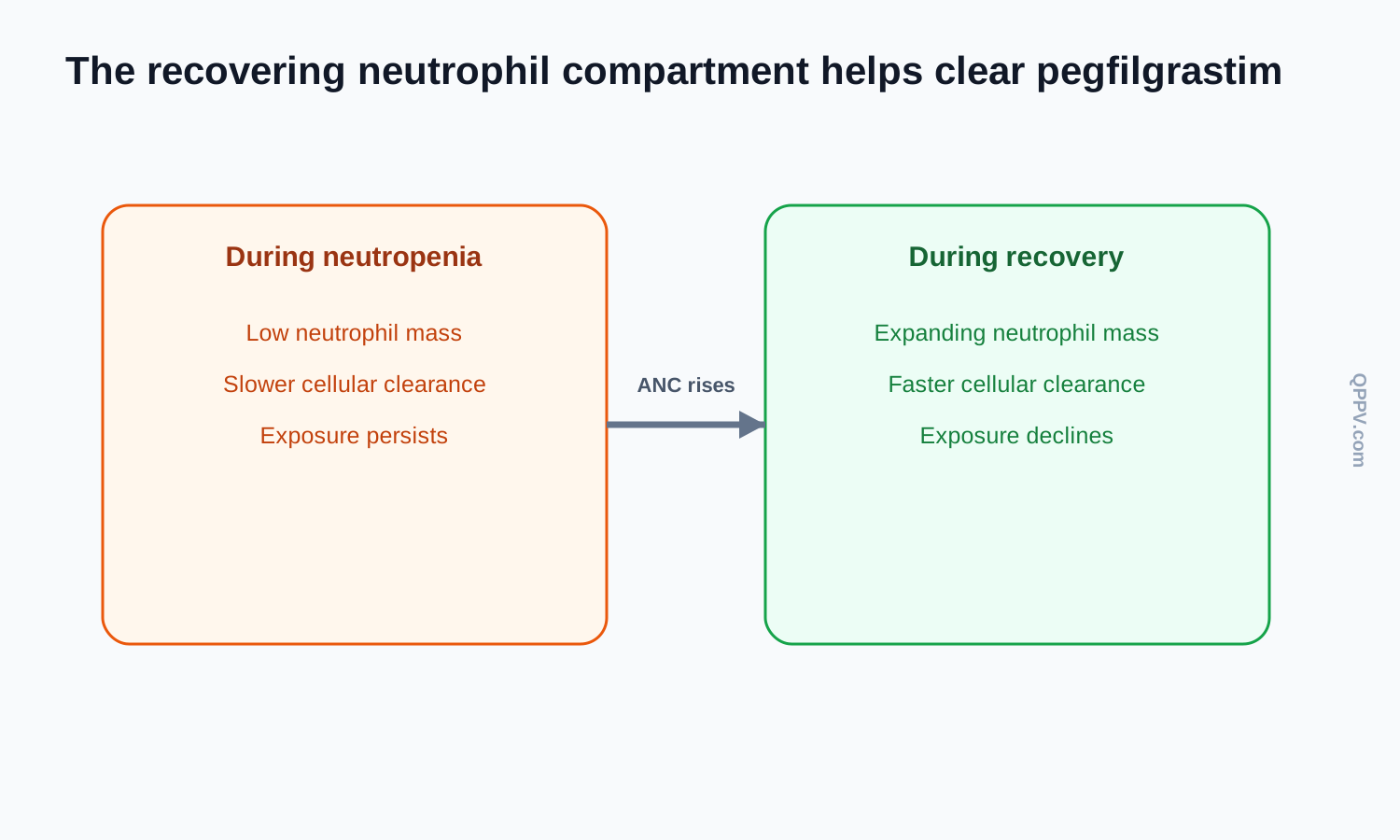
Figure 3. Low neutrophil mass is associated with slower pegfilgrastim clearance; recovery expands the cellular pathway that removes the medicine. The diagram is conceptual and does not replace patient-specific pharmacokinetic assessment.
Clinical-use architecture
Pegfilgrastim is coordinated with cycles of myelosuppressive chemotherapy. Timing matters because stimulating susceptible myeloid precursors too close to cytotoxic treatment may be biologically inappropriate. Exact restrictions differ by jurisdiction and presentation and must be taken from current product information. Clinical records and safety cases should preserve the chemotherapy agent or regimen, cycle number, administration date, pegfilgrastim date, dose, presentation and actual delivery time.
The treatment objective is not simply to produce the highest possible leukocyte count. It is to reduce the depth or duration of clinically important neutropenia and thereby reduce febrile-neutropenia risk. Baseline marrow reserve, age, disease, prior chemotherapy or radiotherapy, hepatic and renal status, infection, concomitant medicines and regimen intensity modify the observed outcome.
Lack of therapeutic effect is consequently a causal problem rather than a single code. Febrile neutropenia after pegfilgrastim can reflect incomplete protection despite correct use, exceptionally myelosuppressive treatment, advanced malignancy, marrow infiltration, treatment delivered at the wrong time, device failure, delayed or omitted dose, or a reporting error. The case becomes interpretable only after these pathways are separated.
Safety profile and mechanistic interpretation
Bone and musculoskeletal pain
Bone pain is common and pharmacologically coherent because marrow activity and myeloid expansion occur within bone. Useful reports identify onset, anatomical distribution, severity, duration, analgesic treatment, recurrence across cycles and relationship to ANC recovery. Bone pain remains a clinical diagnosis of exclusion when focal pain, fracture, metastasis or another urgent cause is plausible.
Leukocytosis and excessive pharmacodynamic response
Marked leukocytosis is an exaggerated response along the intended pathway. Serial counts are more informative than one value. Review timing against chemotherapy and pegfilgrastim, clinical symptoms, infection, corticosteroids and haematological disease. A high white-cell count caused by infection or glucocorticoid demargination should not automatically be attributed to G-CSF stimulation.
Splenic enlargement and rupture
Splenic enlargement and rare splenic rupture have been reported with G-CSF products. Left upper-quadrant or shoulder-tip pain, hypotension or an unexplained haemoglobin fall requires urgent clinical assessment. Pharmacovigilance follow-up should obtain imaging, operative findings, splenic pathology when available, trauma history, haematological disease, cumulative G-CSF exposure and outcome.
Pulmonary events and ARDS
Acute respiratory distress syndrome (ARDS) is a serious labelled concern. Cancer patients may also develop pneumonia, pulmonary embolism, fluid overload, tumour progression, transfusion-related injury or treatment toxicity. Cases need oxygen requirement, imaging, infection studies, haemodynamic context, transfusions, chemotherapy and neutrophil trajectory. A temporal association during neutrophil recovery may be informative but is not independently diagnostic.
Capillary leak syndrome
Capillary leak syndrome involves increased vascular permeability, hypotension, hypoalbuminaemia and oedema or haemoconcentration. Its early manifestations can resemble sepsis or treatment-related fluid disturbance. The narrative should retain objective findings and competing diagnoses rather than relying only on the reporter’s label.
Glomerulonephritis
Glomerulonephritis has been reported with filgrastim and pegfilgrastim. Haematuria, proteinuria, rising creatinine, serological work-up, renal biopsy where performed, dose changes and response to discontinuation are high-value details. Malignancy, infection, other medicines and pre-existing renal disease remain important alternatives.
Aortitis
Aortitis has been recognised as an uncommon inflammatory complication of G-CSF treatment. Fever, back or abdominal pain and raised inflammatory markers may initially be attributed to infection or malignancy. Imaging of the aorta and its major branches, microbiological evaluation, timing after treatment, recurrence and response to withdrawal or anti-inflammatory therapy help distinguish the syndrome. Aggregate review should search related vascular-inflammation terms rather than one preferred term alone.
Sickle-cell crisis and other special risks
G-CSF exposure has been associated with sickle-cell crises, including fatal events. Cases require genotype or diagnosis, baseline disease severity, precipitating factors, hydration, infection, laboratory evidence of haemolysis and temporal relationship. Myelodysplastic syndromes and chronic myeloid leukaemia are excluded from the principal EU chemotherapy indication; diagnostic accuracy therefore matters when a report describes prolonged cytopenia or abnormal counts.
Hypersensitivity and immunogenicity
Immediate or delayed hypersensitivity can occur. Capture the exact product, presentation, dose number, onset, organ systems involved, treatment and rechallenge. Antidrug antibodies are only one possible explanation for loss of effect; assay characteristics, neutralising activity and clinical context are necessary before drawing conclusions.
Presentations, devices and medication error
Pegfilgrastim may be supplied in pre-filled syringes and, in some jurisdictions, delivery systems intended to administer a later dose. Presentation-specific instructions are not interchangeable. Errors can include premature administration, delayed delivery, incomplete injection, leakage, device displacement, storage failure, selection of the wrong product, or misunderstanding whether a device has completed delivery.
A report of febrile neutropenia after use of a delivery device should preserve two linked but distinct questions:
- Did the patient experience a clinical event despite adequate exposure?
- Was the intended dose actually delivered at the intended time?
Product-quality complaint and adverse-event processes should exchange information without collapsing these questions. Device serial or lot details, indicator status, alarms, skin findings, residual volume and patient actions can be decisive.
Biosimilars and product traceability
Multiple pegfilgrastim biosimilars are authorised. Biosimilarity means high similarity to the reference product with no clinically meaningful differences in quality, safety and efficacy based on the totality of evidence; it does not mean that manufacturing processes or every inactive component and device are identical.
For pharmacovigilance, record the brand and batch whenever available. Active-substance-only recording can obscure product attribution, while overinterpreting small spontaneous-report differences can create false comparisons driven by market share, reporting behaviour or stimulated reporting after switching. Switching assessments should distinguish pharmacological loss of effect from timing, adherence, device, chemotherapy and expectation-related factors.
Product pharmacovigilance
Pegfilgrastim safety assessment should be organised around the relationship between chemotherapy injury, supportive-treatment exposure, marrow response and clinical outcome.
| Domain | High-value information |
|---|---|
| Malignancy and regimen | diagnosis, marrow involvement, chemotherapy agents, cycle and intensity |
| Product | brand, batch, dose, presentation or device |
| Timing | chemotherapy, pegfilgrastim, fever/event onset, expected nadir |
| Haematology | baseline and serial ANC, total leukocytes, platelets and haemoglobin |
| Delivery | intended and actual time, device completion, leakage or malfunction |
| Event evidence | imaging, cultures, organ-specific tests, treatment and outcome |
| Alternatives | infection, disease progression, other medicines, transfusion and surgery |
| Re-exposure | subsequent cycles, recurrence, changed presentation or timing |
Interpreting febrile neutropenia
Febrile neutropenia during prophylaxis is not automatically evidence that the medicine failed. Confirm that fever and neutropenia met the applicable clinical definitions, then reconstruct exposure and regimen risk. Determine whether the dose was administered, whether delivery was complete, and whether marrow disease or an unusually intensive regimen could explain a poor response. Even a correctly used preventive therapy does not reduce risk to zero.
Interpreting inflammatory syndromes
Fever after pegfilgrastim creates a wide differential diagnosis. Infection remains urgent in a chemotherapy-treated patient, but aortitis, hypersensitivity, capillary leak, pulmonary inflammation and tumour-related fever may mimic infection. Coding should preserve the eventual clinical diagnosis while the narrative explains the evolving differential and evidence.
Aggregate evaluation
Aggregate analyses should stratify by product, presentation, chemotherapy regimen, cycle, delivery timing and event phenotype where data permit. A device-associated cluster requires different investigation from a class-wide inflammatory pattern. Exposure data and market share are essential before comparing reporting rates across reference and biosimilar products.
Special situations
Pregnancy cases require assessment of malignancy, chemotherapy, gestational timing, pegfilgrastim exposure and maternal, fetal and neonatal outcomes. The effects of the underlying disease and cytotoxic regimen may dominate the causal landscape.
Paediatric use, body size, dosing, presentation and authorised age differ across products and jurisdictions. Medication errors involving an adult fixed-dose presentation in a smaller patient require precise dose and administration details.
When treatment is used outside an authorised indication, the safety event remains reportable under applicable rules. The narrative should distinguish the reported use from the authorised scope without implying that off-label use alone proves causality.
Inspection and governance perspective
An inspector could evaluate whether the system reliably connects cases, product complaints, device investigations, batch data and aggregate signal work. Evidence should show that serious infection, splenic events, ARDS, capillary leak, glomerulonephritis, aortitis, sickle-cell crisis, leukocytosis and lack of effect can be identified and medically assessed with relevant timelines.
Illustrative failure modes include:
- recording only “G-CSF” without brand, batch or presentation;
- failing to reconcile device complaints with febrile-neutropenia cases;
- assessing aortitis-coded cases while missing related terms such as arteritis or periaortic inflammation;
- interpreting one leukocyte count without the preceding trajectory;
- treating prophylaxis failure as proof of product defect;
- comparing spontaneous reports between biosimilars without exposure or reporting-context adjustment.
These are hypothetical quality risks, not published inspection findings.
Practical assessment framework
- Confirm the malignancy, chemotherapy regimen and cycle.
- Reconstruct the exact chemotherapy–pegfilgrastim timeline.
- Identify brand, batch and presentation or device.
- Confirm whether the intended dose was completely delivered.
- Plot serial ANC and leukocyte values.
- Define the event using objective clinical evidence.
- Test chemotherapy, malignancy, infection and concomitant treatment as alternatives.
- Consider whether the event follows intended G-CSF pharmacology, exaggerated pharmacology, immune reaction or delivery failure.
- Review recurrence across cycles and response to withdrawal or presentation change.
- Escalate product-quality or device patterns through the appropriate interface.
Key Takeaways
- Pegfilgrastim is pegylated filgrastim: pegylation extends exposure while G-CSF-receptor pharmacology remains central.
- Neutrophil-mediated clearance causes exposure to persist during neutropenia and decline with recovery.
- The clinical objective is reduction of severe neutropenia and febrile-neutropenia risk, not maximal leukocytosis.
- Case assessment requires chemotherapy timing, actual dose delivery and serial counts.
- Bone pain and leukocytosis follow intended pharmacology; splenic rupture, ARDS, capillary leak, glomerulonephritis and aortitis require focused evaluation.
- Device complaints and clinical adverse events may coexist and must be linked without being conflated.
- Brand and batch traceability remain important across reference and biosimilar products.
References
- European Medicines Agency. Neulasta: EPAR and product information. EU marketing authorisation issued 22 August 2002; product page updated 8 December 2025. https://www.ema.europa.eu/en/medicines/human/EPAR/neulasta. Accessed 4 September 2026.
- European Medicines Agency. Neulasta: EPAR Product Information (pegfilgrastim). Current EU Summary of Product Characteristics and package leaflet. https://www.ema.europa.eu/en/documents/product-information/neulasta-epar-product-information_en.pdf. Accessed 4 September 2026.
- U.S. Food and Drug Administration. Neulasta (pegfilgrastim) Prescribing Information. Current US product information. https://www.accessdata.fda.gov/drugsatfda_docs/label/. Accessed 4 September 2026.
- Molineux G. The design and development of pegfilgrastim (PEG-rmetHuG-CSF, Neulasta). Curr Pharm Des. 2004;10:1235–1244. doi:10.2174/1381612043452613.
- Yang BB, Kido A. Pharmacokinetics and pharmacodynamics of pegfilgrastim. Clin Pharmacokinet. 2011;50:295–306. doi:10.2165/11586040-000000000-00000.
- European Medicines Agency. Biosimilar medicines: overview. https://www.ema.europa.eu/en/human-regulatory-overview/biosimilar-medicines-overview. Accessed 4 September 2026.
- European Medicines Agency. G-CSF-containing medicines: product information and pharmacovigilance procedures. Consult the current EPAR and applicable referral/PSUSA records for the event period.
- U.S. Food and Drug Administration. Purple Book Database of Licensed Biological Products. Pegfilgrastim reference and biosimilar products. https://purplebooksearch.fda.gov/. Accessed 4 September 2026.
Regulatory Note
This article is an educational pharmacovigilance reference, not prescribing guidance. Indications, timing restrictions, dosing, age limits, warnings, presentations and risk-minimisation measures differ by product and jurisdiction and may change. The current locally applicable product information should be consulted for clinical decisions. Historical listedness assessments should use the product information effective at the time of the event.