Pegloticase is a recombinant uricase enzyme conjugated to polyethylene glycol (PEG) and used for chronic gout that remains uncontrolled despite, or cannot be managed with, conventional urate-lowering therapy. Its pharmacology is unusually direct: rather than reducing uric acid synthesis or increasing renal urate excretion, pegloticase enzymatically converts uric acid to allantoin, a more soluble metabolite that can be eliminated more readily.
That simplicity at the biochemical level hides a more complex clinical and pharmacovigilance story. Pegloticase is highly effective in patients who maintain exposure, but anti-drug antibodies can accelerate clearance, cause serum urate to rise again, and markedly increase the risk of infusion reactions. Modern treatment therefore links pharmacodynamics, immunogenicity and safety monitoring in a particularly visible way. Methotrexate co-therapy, now incorporated into the US prescribing information for appropriate patients, reduces immunogenicity and improves the probability of sustained response.
The current regulatory context is also important. Krystexxa remains authorised in the United States for chronic gout in adults refractory to conventional therapy. Its former European Union marketing authorisation was withdrawn in 2016 at the marketing-authorisation holder's request for commercial reasons; the EMA EPAR remains available as historical regulatory documentation but no longer represents a valid EU authorisation.
Table of Contents
- Product identity and classification
- Molecular classification
- Therapeutic classification
- Development history
- Gout biology and the urate problem
- Why humans accumulate uric acid
- From hyperuricaemia to crystal disease
- Why refractory gout is different
- How pegloticase works
- Recombinant uricase activity
- Why PEGylation is used
- What rapid urate depletion means clinically
- Clinical positioning and treatment architecture
- Current US treatment role
- Methotrexate co-therapy
- Why oral urate-lowering therapy is stopped
- Immunogenicity as the central pharmacovigilance concept
- Anti-drug antibodies and loss of exposure
- Serum urate as a safety biomarker
- Safety profile and mechanism-informed interpretation
- Anaphylaxis and infusion reactions
- G6PD deficiency, haemolysis and methaemoglobinaemia
- Gout flares
- Congestive heart failure
- Methotrexate-related attribution
- Product pharmacovigilance
- Case assessment
- Medication and administration errors
- Traceability and product-quality questions
- Aggregate and signal interpretation
- Practical assessment framework
- Key Takeaways
- References
- Regulatory Note
Product identity and classification
Pegloticase is marketed in the United States as Krystexxa. It is a PEGylated recombinant uricase administered by intravenous infusion.
Molecular classification
Pegloticase can be classified along several independent dimensions:
| Dimension | Classification | Why it matters |
|---|---|---|
| Modality | Recombinant enzyme biological | The active protein catalyses a chemical reaction rather than binding a receptor |
| Functional class | Uric acid-specific uricase | Directly degrades uric acid |
| Formulation strategy | PEGylated protein | PEGylation prolongs persistence but also creates immunogenicity considerations |
| Therapeutic area | Advanced/refractory gout | Defines a population with high crystal burden and substantial comorbidity |
| Route | Intravenous infusion | Creates infusion-specific operational and safety requirements |
| Treatment architecture | Commonly combined with methotrexate where appropriate | Immunomodulation reduces anti-drug antibody formation and improves sustained response |
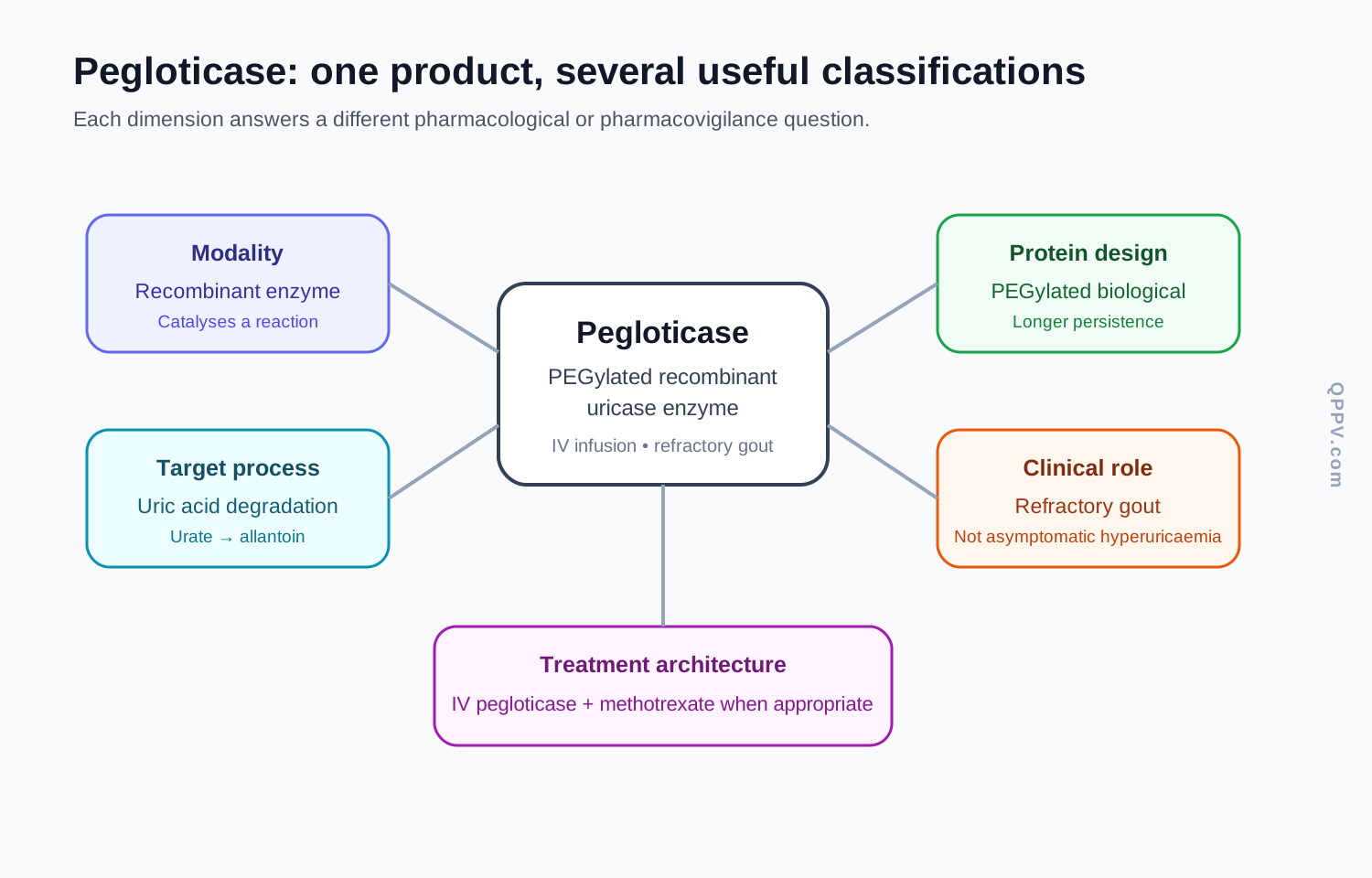
Figure 1. Pegloticase is simultaneously a recombinant enzyme, a uricase replacement strategy, a PEGylated biological and an intravenous treatment for uncontrolled gout. These classifications describe different aspects of the same product rather than a single hierarchy.
Therapeutic classification
Pegloticase is an urate-lowering therapy, but it differs fundamentally from xanthine oxidase inhibitors such as allopurinol and febuxostat. Those medicines reduce formation of uric acid. Pegloticase instead removes already-formed uric acid by converting it to allantoin. This distinction explains why serum urate can fall rapidly and why tissue urate deposits may gradually dissolve during sustained treatment.
Development history
Humans and other higher primates lack functional uricase because the uricase gene became inactivated during evolution. Most other mammals therefore metabolise uric acid further to allantoin, whereas humans terminate purine degradation at uric acid. Recombinant uricase was an obvious therapeutic concept for severe hyperuricaemia, but native uricase proteins are rapidly cleared and can be immunogenic.
Pegloticase was developed by coupling recombinant mammalian uricase to PEG chains. The intent was to prolong circulating enzyme activity and reduce rapid immune recognition. Clinical development focused on patients with severe gout who had failed or could not tolerate standard oral urate-lowering therapy. The pivotal replicate phase III trials demonstrated substantial urate lowering in a subset of patients but also revealed a major limitation: loss of response was strongly associated with anti-drug antibodies and infusion reactions.
The US Food and Drug Administration approved pegloticase in 2010. A major later development was the use of background immunomodulation to reduce anti-drug antibody formation. The MIRROR randomised trial showed that methotrexate co-therapy materially increased sustained urate response and reduced infusion reactions compared with pegloticase alone. In July 2022 the US prescribing information was updated to incorporate co-administration with methotrexate for patients in whom methotrexate is clinically appropriate.
In 2026 the US product presentation was updated to include a ready-to-use vial. Presentation changes matter operationally because they alter preparation steps while leaving the active substance and core pharmacology unchanged.
Gout biology and the urate problem
Why humans accumulate uric acid
Purines from endogenous cell turnover and dietary sources are metabolised through hypoxanthine and xanthine to uric acid. Xanthine oxidase catalyses the final steps. In most mammals, uricase then converts uric acid to allantoin. Humans lack this final enzymatic step.
The result is a higher steady-state uric acid concentration. Serum urate is determined by both production and excretion, especially renal excretion. Hyperuricaemia can therefore arise from excess production, reduced excretion or both.
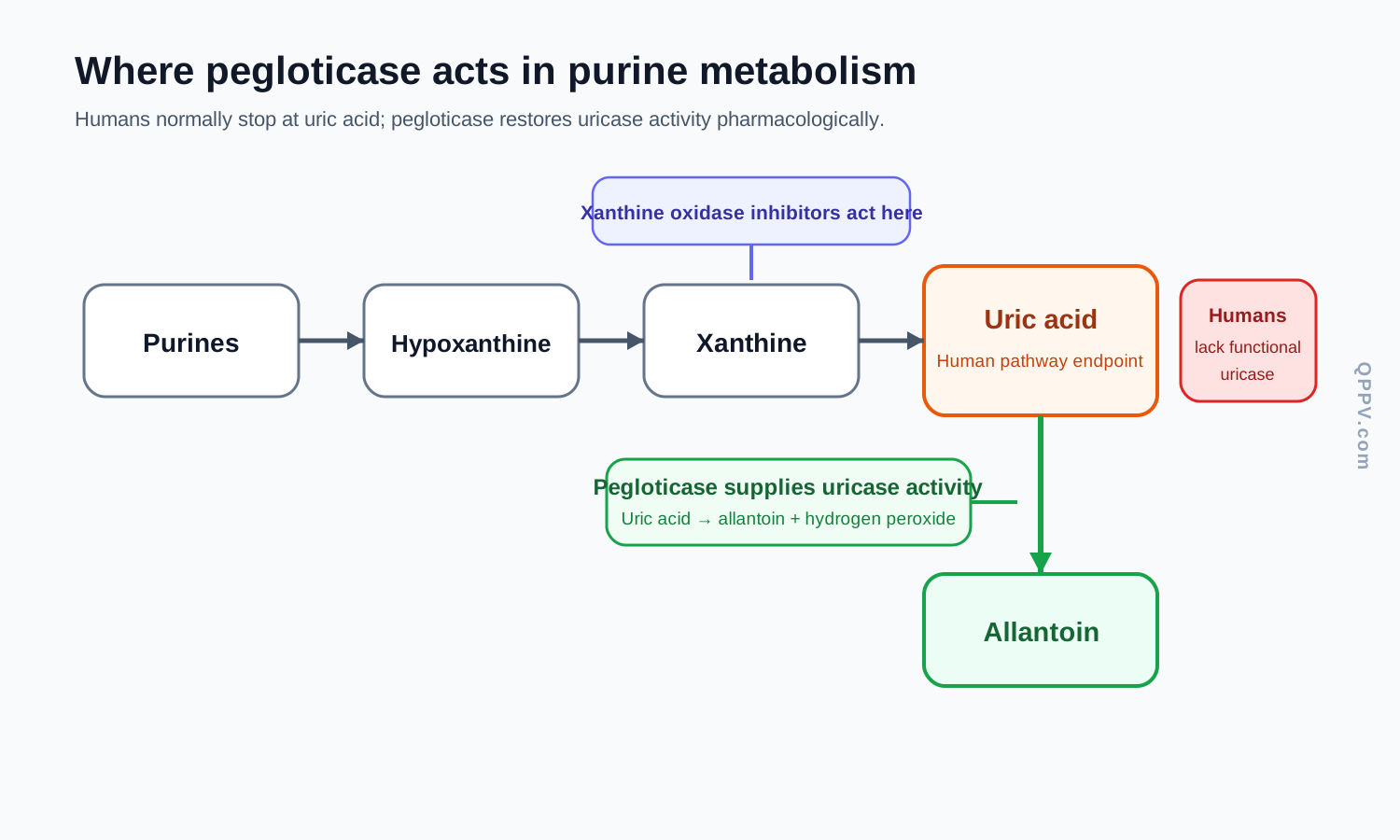
Figure 2. Humans normally stop purine degradation at uric acid because functional uricase is absent. Pegloticase introduces uricase activity pharmacologically, converting uric acid to the more soluble metabolite allantoin. Xanthine oxidase inhibitors act earlier in the pathway by reducing uric acid formation.
From hyperuricaemia to crystal disease
Hyperuricaemia is not synonymous with gout. Gout develops when monosodium urate crystals form and persist in tissues. Crystals can deposit in joints, bursae and soft tissues, where they trigger intense innate immune inflammation. Recurrent inflammation may eventually produce chronic synovitis, erosive joint damage and tophi, visible or palpable collections of urate crystals and inflammatory tissue.
Serum urate is therefore both a biochemical variable and a driver of crystal equilibrium. Sustained lowering below the saturation threshold allows crystals to dissolve over time. The larger the accumulated tissue urate burden, the longer complete debulking may require even when serum urate falls rapidly.
Why refractory gout is different
Pegloticase is not intended for uncomplicated asymptomatic hyperuricaemia. Its treatment population has already failed to achieve adequate control with conventional therapy or cannot receive those therapies. Such patients often have long disease duration, recurrent flares, tophi, joint damage, chronic kidney disease or multiple cardiovascular and metabolic comorbidities.
This background matters in pharmacovigilance. Musculoskeletal pain, inflammatory flares, renal impairment and cardiovascular events can occur because of the underlying disease and comorbidities. Case assessment therefore requires more than temporal association with an infusion.
How pegloticase works
Recombinant uricase activity
Pegloticase catalyses oxidation of uric acid to allantoin. The reaction also produces hydrogen peroxide. Allantoin is substantially more soluble than uric acid and is readily excreted.
The pharmacodynamic effect is therefore measurable almost immediately as a fall in serum urate. This direct relationship between drug activity and serum urate later becomes central to safety monitoring.
Why PEGylation is used
PEGylation increases the apparent molecular size of the enzyme and reduces renal clearance, allowing uricase activity to persist longer than it would for an unmodified enzyme. It can also shield parts of the protein from immune recognition.
However, PEGylation does not eliminate immunogenicity. Antibodies can develop against the uricase component, PEG-related epitopes or the overall conjugate. When clinically relevant antibodies accelerate pegloticase clearance, serum urate rises because active enzyme exposure has been lost.
What rapid urate depletion means clinically
Rapid lowering of circulating urate changes the equilibrium between serum and tissue urate. Deposited crystals begin to mobilise. During the early months of therapy this can paradoxically trigger gout flares even though the long-term direction is favourable. This is analogous to disturbing a large reservoir while draining it: mobilisation can transiently increase inflammatory encounters before the total crystal burden declines.
For that reason, gout-flare prophylaxis is part of treatment architecture and should not be mistaken for evidence that pegloticase is worsening the underlying urate burden.
Clinical positioning and treatment architecture
Current US treatment role
The current US indication is treatment of chronic gout in adult patients refractory to conventional therapy. The label defines this in practical terms as patients who have failed to normalise serum uric acid and whose signs and symptoms are inadequately controlled with xanthine oxidase inhibitors at the maximum medically appropriate dose, or for whom those drugs are contraindicated. Pegloticase is not recommended for asymptomatic hyperuricaemia.
The recommended regimen is 8 mg by intravenous infusion every two weeks. The current US prescribing information recommends co-administration with weekly oral methotrexate 15 mg plus folic or folinic acid supplementation when methotrexate is not contraindicated and is clinically appropriate. Methotrexate is started before pegloticase so that immunomodulation is established before the first infusion. Pegloticase alone remains an option when methotrexate cannot appropriately be used.
This is not merely a convenience regimen. Each component has a distinct role:
| Component | Purpose |
|---|---|
| Pegloticase | Enzymatically removes uric acid |
| Methotrexate | Reduces immunogenicity and improves persistence of pegloticase exposure |
| Folic/folinic acid | Reduces selected methotrexate toxicities |
| Antihistamine/corticosteroid premedication | Reduces severity/risk of infusion-related hypersensitivity reactions |
| Gout-flare prophylaxis | Reduces inflammatory flares during rapid urate mobilisation |
| Pre-infusion serum urate | Detects loss of pharmacodynamic response and rising infusion-reaction risk |
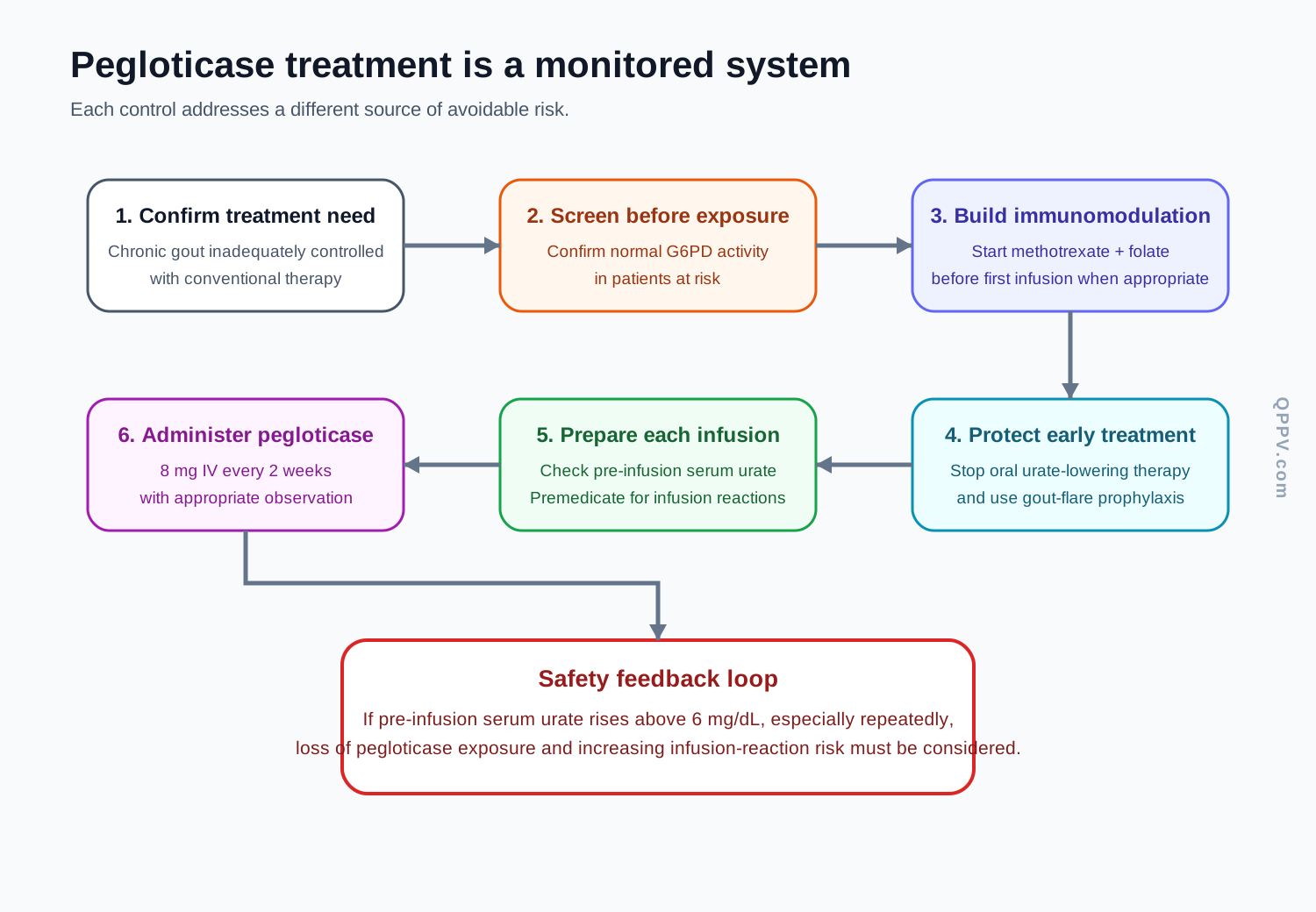
Figure 3. Modern pegloticase treatment is a system rather than a single infusion: patient selection, G6PD screening, methotrexate immunomodulation when appropriate, flare prophylaxis, infusion premedication, serum-urate monitoring and stopping rules all contribute to benefit-risk management.
Methotrexate co-therapy
The modern pegloticase story changed when clinicians began deliberately suppressing anti-drug antibody formation. In the MIRROR randomised controlled trial, methotrexate co-therapy increased the month-6 treatment response rate and substantially reduced infusion reactions compared with pegloticase plus placebo. Twelve-month follow-up showed a sustained advantage in urate response and greater cumulative tophus resolution in patients receiving methotrexate.
The conceptual lesson extends beyond gout. A biological medicine can fail not because its target is wrong, but because the immune system removes the medicine. In such a situation, immunomodulation can alter pharmacokinetics indirectly by reducing immune-mediated clearance.
This also complicates safety attribution. When pegloticase is co-administered with methotrexate, infections, cytopenias, liver-test abnormalities, gastrointestinal symptoms or other events may relate to methotrexate, pegloticase, the disease, concomitant treatment or combinations of these. A product-level case assessment should therefore preserve exposure to both medicines rather than attributing every event to the infused biologic.
Why oral urate-lowering therapy is stopped
The US prescribing information instructs discontinuation of oral urate-lowering agents before pegloticase. The reason is pharmacovigilance-relevant: serum urate is used as a pharmacodynamic indicator of ongoing pegloticase exposure. If another urate-lowering drug artificially suppresses serum urate, it could mask loss of pegloticase activity and delay recognition of patients at increased infusion-reaction risk.
This is a rare example in which a concomitant medicine can interfere not simply with efficacy but with a safety monitoring signal.
Immunogenicity as the central pharmacovigilance concept
Anti-drug antibodies and loss of exposure
All therapeutic proteins can potentially induce anti-drug antibodies, but pegloticase provides an unusually visible clinical model. When high-titre or functionally important antibodies develop, circulating pegloticase may be cleared more rapidly. Enzyme exposure falls. Serum urate, previously suppressed, rises.
Loss of response and infusion risk are therefore connected through a common mechanism:
anti-drug antibodies → faster drug clearance → loss of uricase activity → rising serum urate → higher probability of infusion reaction if dosing continues.
This relationship was seen in the original clinical programme and subsequently informed the pre-infusion urate stopping rule. Methotrexate co-therapy acts earlier in the chain by reducing immunogenicity.
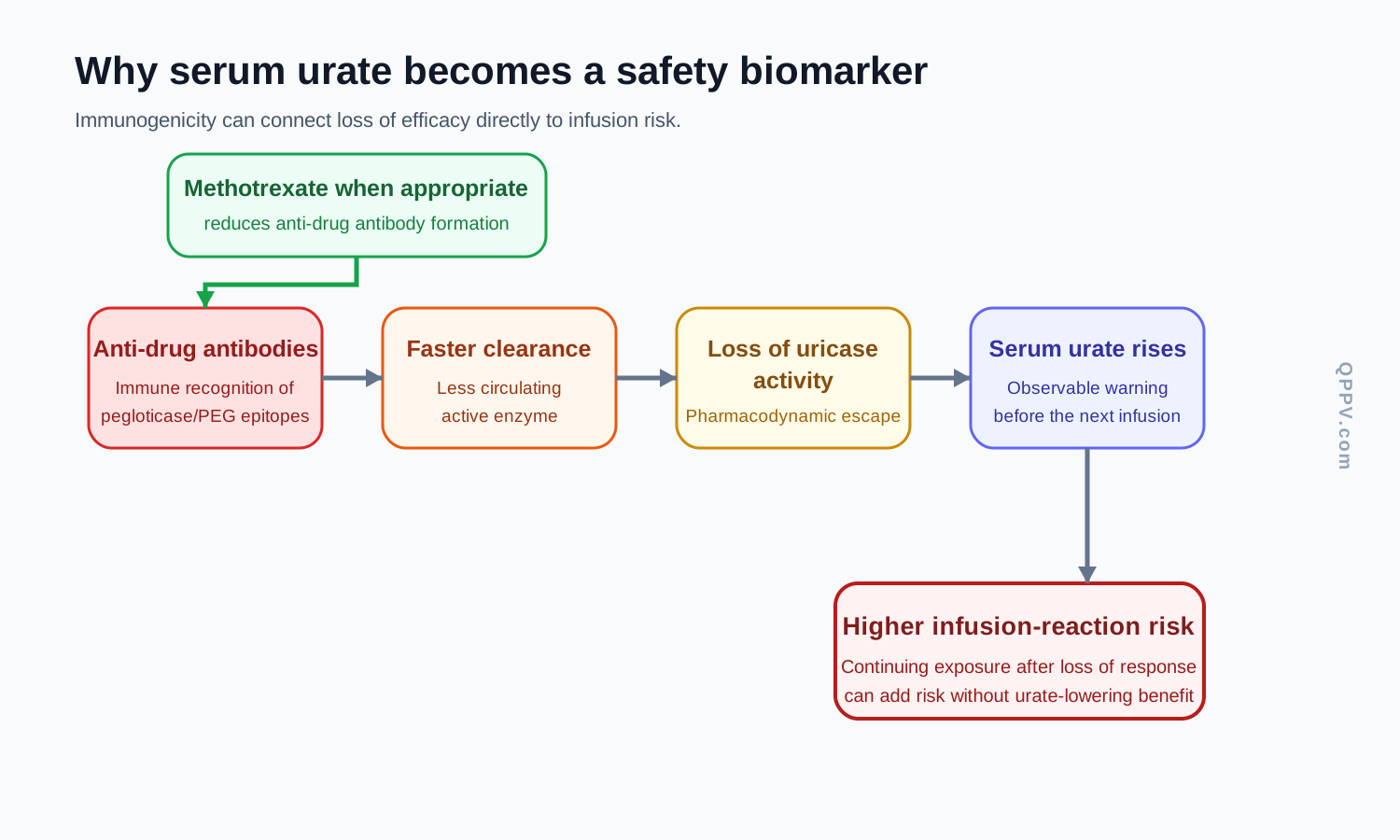
Figure 4. The pegloticase safety loop. Anti-drug antibodies can accelerate clearance, causing loss of urate-lowering response. A rising pre-infusion serum urate therefore functions as a practical warning signal for increased infusion-reaction risk; methotrexate reduces the probability of entering this pathway in appropriate patients.
Serum urate as a safety biomarker
Serum urate before each infusion is not merely an efficacy laboratory test. The current US label directs monitoring before every infusion and discontinuation if serum urate rises above 6 mg/dL, particularly when two consecutive pre-infusion values exceed 6 mg/dL.
The wording matters. A single value can be affected by laboratory variability or timing, but repeated loss of suppression strongly suggests loss of biologically active pegloticase exposure. Continuing treatment despite this warning may expose the patient to infusion risk without meaningful urate-lowering benefit.
For pharmacovigilance, therefore, a report of infusion reaction should prompt retrieval of the preceding serum-urate trajectory. That laboratory history may provide more mechanistic information than the reaction description alone.
Safety profile and mechanism-informed interpretation
Anaphylaxis and infusion reactions
The US prescribing information carries a boxed warning for anaphylaxis and infusion reactions. Reactions can occur with any infusion, including the first, and delayed hypersensitivity has also been reported. Treatment is therefore administered in a setting where healthcare professionals can manage anaphylaxis and infusion reactions, with premedication and post-infusion observation according to the label and clinical judgement.
Case assessment should capture:
- infusion number and date;
- pre-infusion serum urate values;
- methotrexate exposure and adherence where applicable;
- premedication;
- onset relative to infusion;
- clinical phenotype, including skin, respiratory, cardiovascular and gastrointestinal manifestations;
- treatment required and outcome;
- whether the infusion was stopped or slowed;
- previous reactions and subsequent re-exposure.
A reaction occurring after serum urate has escaped above the therapeutic range is particularly informative because it fits the known immunogenicity-clearance-risk pathway.
G6PD deficiency, haemolysis and methaemoglobinaemia
Pegloticase is contraindicated in patients with glucose-6-phosphate dehydrogenase (G6PD) deficiency. Uricase-mediated oxidation generates hydrogen peroxide, creating oxidative stress. Red cells rely on the pentose-phosphate pathway, and therefore G6PD activity, to regenerate reduced glutathione and defend against oxidant injury.
In G6PD deficiency, this protective capacity is impaired. Exposure to a strong oxidant challenge can therefore produce haemolysis and methaemoglobinaemia. The label requires screening of patients at increased risk for G6PD deficiency before treatment.
This is a good example of mechanism-informed contraindication. G6PD deficiency does not make gout worse and does not alter the therapeutic target. It changes the patient's ability to tolerate a chemical consequence of the enzyme reaction.
A suspected haemolytic event should be characterised with haemoglobin change, reticulocytes, bilirubin, lactate dehydrogenase, haptoglobin, blood film findings and G6PD status where available. Suspected methaemoglobinaemia should include oxygen saturation, arterial blood gas/co-oximetry, cyanosis and relevant treatment.
Gout flares
Gout flares are common early in effective urate-lowering therapy because crystal deposits are being mobilised. The flare may therefore represent a pharmacodynamic consequence of successful treatment, not treatment failure.
This does not make flares clinically trivial. They can be severe and may lead to emergency care, corticosteroid exposure, non-adherence or premature discontinuation. PV assessment should document prophylaxis, timing, joints involved, severity, concomitant infection or trauma and serum-urate response.
Congestive heart failure
The US label advises caution and close monitoring in patients with congestive heart failure because exacerbations occurred during clinical development. Many patients with severe gout also have cardiovascular and renal comorbidity, so causality is often difficult to determine.
For a heart-failure report, high-value information includes baseline left-ventricular function where known, prior decompensations, renal status, diuretic changes, volume administration around the infusion, weight change, natriuretic peptides and temporal relationship to dosing. The objective is to separate a plausible product-related exacerbation from expected background instability in a high-risk population.
Methotrexate-related attribution
Methotrexate introduces a second safety profile into the regimen. Hepatic abnormalities, cytopenias, mucosal or gastrointestinal symptoms, pulmonary toxicity and infection may require assessment of methotrexate exposure as well as pegloticase.
The correct causal model may therefore be:
- pegloticase-related;
- methotrexate-related;
- related to both through treatment interaction or combined immunomodulation;
- disease-related;
- related to another concomitant medicine or comorbidity;
- indeterminate.
Pharmacovigilance systems should preserve enough structured information to permit these alternatives rather than forcing every event into a single-product narrative.
Product pharmacovigilance
Pegloticase pharmacovigilance is best understood as surveillance of a treatment system rather than of an isolated infusion. Product exposure, methotrexate co-therapy, G6PD screening, pre-infusion serum urate, prophylaxis, premedication, infusion technique and post-infusion observation all influence the clinical meaning of a reported event.
Case assessment
A high-quality individual case should reconstruct both efficacy and safety trajectories.
| Domain | High-value information |
|---|---|
| Product exposure | Dose, infusion dates, infusion number, presentation, batch/lot where available |
| Immunomodulation | Methotrexate dose, start date, adherence, folic/folinic acid and reasons for omission or interruption |
| Pharmacodynamics | Serum urate before treatment and before each recent infusion |
| Infusion controls | Premedication, infusion duration/rate, interruption or slowing, post-infusion monitoring |
| G6PD | Screening result and assay timing where relevant |
| Gout burden | Tophi, flare frequency, chronic arthritis, prior urate-lowering therapy and reason for treatment failure |
| Event | Clinical diagnosis, timing, seriousness, investigations, treatment and outcome |
| Alternatives | Infection, cardiovascular disease, renal disease, other medicines, methotrexate toxicity and background gout activity |
The pre-infusion urate sequence is especially important in infusion-reaction cases because it can reveal whether loss of response preceded the event.
Medication and administration errors
Modern Krystexxa use has several points at which medication or process errors may occur. Examples include failure to screen for G6PD deficiency, failure to obtain pre-infusion serum urate, continuing treatment after repeated urate escape, administration despite a known contraindication, omission of recommended premedication, incorrect infusion rate, or confusion between historical preparation instructions and the current ready-to-use presentation.
These are not all equivalent. Some are medication errors with direct patient exposure; others are intercepted near misses; some may represent process deviations without an adverse outcome. The case record should state what actually occurred rather than simply applying the label “medication error”.
Methotrexate also creates regimen-specific errors: incorrect weekly-versus-daily dosing is a well-established high-risk error with methotrexate generally, and adherence interruptions may indirectly increase pegloticase immunogenicity. A report involving methotrexate should therefore capture the exact prescribed and taken schedule.
Traceability and product-quality questions
As with other biological medicines, product name and batch/lot should be recorded where available. Traceability becomes particularly valuable when investigating infusion-reaction clusters, suspected product-quality defects, storage excursions or presentation-specific complaints.
With the ready-to-use vial, visible particulates, leakage, container damage, incorrect storage or unexpected volume should be separated from administration technique and clinical adverse reactions. Product-quality complaints and adverse events may coexist and should be linked when they concern the same exposure.
Aggregate and signal interpretation
Aggregate review should preserve the mechanistic variables that matter. Pooling all infusion reactions without considering pre-infusion serum urate or methotrexate exposure can obscure the central risk pathway.
Useful stratifications may include:
- methotrexate co-therapy versus pegloticase alone;
- sustained urate responders versus patients with urate escape;
- first infusion versus later infusions;
- G6PD-screened versus screening unknown in relevant oxidative events;
- concomitant methotrexate exposure for infection, hepatic or haematological events;
- baseline cardiovascular disease for heart-failure events.
A change in reporting patterns after a presentation change should also trigger assessment of whether the difference reflects true safety, altered preparation/administration, reporting artefact or product quality.
Practical assessment framework
An experienced PV assessor can approach a pegloticase case in a reproducible sequence:
- Confirm the indication and severity. Establish why conventional urate-lowering therapy failed or could not be used.
- Reconstruct the complete regimen. Pegloticase, methotrexate, folate, flare prophylaxis and infusion premedication may all matter.
- Map serum urate over time. This is often the single most informative laboratory trajectory.
- Define the event clinically. Distinguish anaphylaxis, non-anaphylactic infusion reaction, gout flare, haemolysis, methaemoglobinaemia, infection, heart failure and other syndromes.
- Check G6PD status when relevant. For haemolysis or methaemoglobinaemia, this is central rather than optional background information.
- Assess administration. Confirm infusion duration, interruption, premedication and whether the correct current product presentation was used.
- Separate pegloticase from methotrexate attribution. Evaluate both medicines and their interaction with the disease context.
- Preserve traceability. Record product name, presentation and batch/lot where available.
- Consider aggregate relevance. Ask whether the case fits a known immunogenicity-risk pathway or suggests something outside the established profile.
Illustrative scenario: infusion reaction after loss of urate response
A patient receives pegloticase every two weeks and initially maintains serum urate below 1 mg/dL. Methotrexate is later stopped because of gastrointestinal intolerance. Over the next several infusions, pre-infusion serum urate rises to 7.1 mg/dL and then 8.0 mg/dL, but treatment continues. During the next infusion the patient develops flushing, chest tightness and dyspnoea.
A superficial assessment would record “infusion reaction after pegloticase”. A stronger assessment recognises the sequence: withdrawal of immunomodulation may have permitted anti-drug antibody development; rising serum urate indicated loss of active drug exposure; continued infusion occurred despite a laboratory warning signal; and the subsequent reaction fits the known immunogenicity-clearance-infusion-risk pathway. The case therefore contains information relevant to both individual causality and effectiveness of risk-minimisation processes.
Illustrative scenario: low oxygen saturation after first infusion
A patient with previously unrecognised G6PD deficiency develops cyanosis and low pulse-oximeter readings after the first infusion. The arterial partial pressure of oxygen is relatively preserved but co-oximetry demonstrates elevated methaemoglobin.
The key question is not simply whether an infusion reaction occurred. Uricase produces hydrogen peroxide, and G6PD-deficient red cells have impaired antioxidant capacity. The clinical pattern is therefore consistent with an oxidant haemoglobinopathy mechanism. Follow-up should establish the pre-treatment G6PD screening process, laboratory confirmation, haemolysis markers and subsequent clinical course.
Illustrative scenario: gout flare during profound urate lowering
A patient develops a painful polyarticular flare two weeks after treatment initiation while serum urate has fallen from 10.2 to 0.5 mg/dL. The event should be reported and medically managed as appropriate, but the mechanistic interpretation is different from loss of effect. Rapid urate lowering mobilises pre-existing crystal deposits and can precipitate flares during early treatment. Prophylaxis, adherence and infection exclusion become important follow-up questions.
Key Takeaways
- Pegloticase is a PEGylated recombinant uricase that replaces an enzymatic step humans no longer possess and converts uric acid to allantoin.
- It is reserved for severe chronic gout that remains inadequately controlled with conventional urate-lowering therapy or where such therapy is contraindicated; it is not a treatment for asymptomatic hyperuricaemia.
- PEGylation prolongs enzyme exposure but does not eliminate immunogenicity.
- Anti-drug antibodies can accelerate pegloticase clearance. Loss of urate suppression therefore becomes both an efficacy signal and a practical marker of increased infusion-reaction risk.
- Pre-infusion serum urate is consequently a safety-monitoring tool, not merely a measure of treatment success.
- Methotrexate co-therapy reduces anti-drug antibody formation, improves sustained response and lowers infusion-reaction risk in appropriate patients.
- G6PD deficiency creates a mechanistically distinct risk of oxidative haemolysis and methaemoglobinaemia and is a contraindication in the current US label.
- Early gout flares can occur because effective urate lowering mobilises tissue crystal stores; they do not necessarily indicate treatment failure.
- The former EU marketing authorisation was withdrawn in 2016 for commercial reasons. Current product-level regulatory assessment should therefore distinguish the live US label from historical EU documentation.
References
- Amgen. KRYSTEXXA (pegloticase) Full Prescribing Information. United States prescribing information, current version dated July 2026. https://www.pi.amgen.com/united_states/Krystexxa/Krystexxa_fpi_english.pdf
- U.S. Food and Drug Administration. KRYSTEXXA (pegloticase) BLA 125293/S-104: Supplement Approval. 7 July 2022. https://www.accessdata.fda.gov/drugsatfda_docs/appletter/2022/125293Orig1s104ltr.pdf
- European Medicines Agency. Krystexxa (pegloticase) EPAR. Marketing authorisation granted 8 January 2013 and withdrawn 30 June 2016 at the holder's request for commercial reasons. https://www.ema.europa.eu/en/medicines/human/EPAR/krystexxa
- Sundy JS, Baraf HSB, Yood RA, et al. Efficacy and tolerability of pegloticase for the treatment of chronic gout in patients refractory to conventional treatment: two randomized controlled trials. JAMA. 2011;306(7):711-720. doi:10.1001/jama.2011.1169.
- A Randomized, Placebo-Controlled Study of Methotrexate to Increase Response Rates in Patients with Uncontrolled Gout Receiving Pegloticase: Primary Efficacy and Safety Findings. Arthritis Rheumatol. PMID: 36099211.
- A Randomized, Double-Blind, Placebo-Controlled Multicenter Efficacy and Safety Study of Methotrexate to Increase Response Rates in Patients With Uncontrolled Gout Receiving Pegloticase: 12-Month Findings. Arthritis Rheumatol. PMID: 37385296.
- Keenan RT, Baraf HSB, LaMoreaux B. Use of Pre-Infusion Serum Uric Acid Levels as a Biomarker for Infusion Reaction Risk in Patients on Pegloticase. Rheumatol Ther. 2019;6(2):299-304. doi:10.1007/s40744-019-0151-9. PMID: 30875075.
Regulatory Note
This article is an educational pharmacovigilance reference and does not replace the current US Prescribing Information, Medication Guide, applicable clinical guidelines or individual medical judgement. The former EU marketing authorisation for Krystexxa is no longer valid; EMA documents are cited for historical regulatory context. Product presentation, dosing instructions, methotrexate co-therapy recommendations and safety information can change. For patient care, case processing, signal evaluation and regulatory decisions, use the current product information and requirements applicable to the relevant jurisdiction.