Romiplostim: thrombopoietin receptor biology, immune thrombocytopenia, and product pharmacovigilance
Romiplostim is a useful medicine for learning pharmacology because its therapeutic logic initially appears paradoxical. Primary immune thrombocytopenia (ITP) is an autoimmune disease: platelets are destroyed too quickly and platelet production can also be impaired. Yet romiplostim does not principally suppress the immune system. Instead, it stimulates the bone marrow to make more platelets.
Understanding why that works requires following the platelet from its origin in the marrow to its destruction in the circulation, then seeing where the thrombopoietin receptor fits into that system. The same biology also explains why treatment is titrated to a safe platelet range rather than used to “normalise” the count, why excessive stimulation can matter clinically, and why changes in marrow morphology, thrombosis, loss of response, and medication errors are central product-pharmacovigilance topics.
Table of Contents
- Classification and molecular design
- Why romiplostim is called a peptibody
- How it differs from endogenous thrombopoietin
- Platelet production from first principles
- Megakaryocytes: one cell, many platelets
- The thrombopoietin receptor as the production signal
- Immune thrombocytopenia: why the count falls
- Mechanism of action
- From receptor binding to megakaryopoiesis
- What romiplostim does not do
- Development and regulatory history
- Clinical role and treatment logic
- The treatment target is bleeding-risk reduction
- Response is dynamic rather than fixed
- The TPO-receptor agonist landscape
- Safety profile through mechanism
- Thrombosis and thromboembolism
- Bone-marrow reticulin
- Recurrent thrombocytopenia after discontinuation
- Loss of response and immunogenicity
- Myelodysplastic syndromes and diagnostic boundaries
- Medication error as a product-specific risk
- Product pharmacovigilance in practice
- What a useful case narrative needs to reconstruct
- Signal interpretation
- Biological traceability
- Special populations and situations
- Inspection and governance perspective
- Reference material
- Key Takeaways
- References
- Regulatory Note
Classification and molecular design
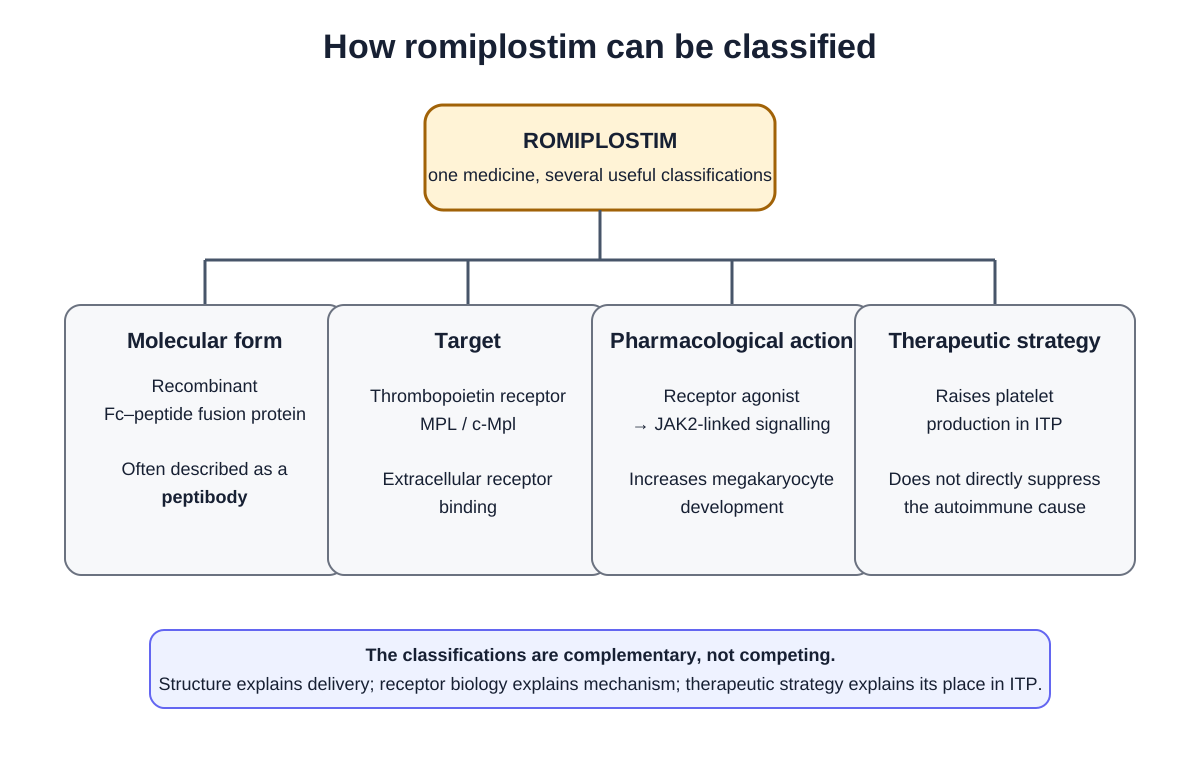
Romiplostim can be classified in several different ways, and each classification teaches something different about the medicine.
| Dimension | Classification | Why it matters |
|---|---|---|
| Therapeutic function | Thrombopoietin-receptor agonist (TPO-RA) | It increases platelet production through the physiological platelet-production receptor. |
| Molecular form | Recombinant Fc-peptide fusion protein, commonly called a peptibody | Its architecture gives it antibody-like pharmacokinetic support while the attached peptides provide receptor agonism. |
| Biological action | Receptor agonist | It activates the thrombopoietin receptor rather than blocking a receptor or depleting a cell population. |
| Therapeutic strategy in ITP | Platelet-production support | It addresses inadequate effective platelet production rather than directly removing the autoimmune cause. |
| ATC classification in the EU | B02BX04, other systemic haemostatics | This locates it pharmacotherapeutically among antihaemorrhagic medicines.[1] |
Why romiplostim is called a peptibody
A conventional monoclonal antibody uses the variable tips of its Y-shaped structure to recognise an antigen. Romiplostim is different. Its active receptor-binding elements are short peptide sequences attached to an antibody Fc framework. Two identical Fc-containing chains form a dimer, and each chain carries peptide domains that can stimulate the thrombopoietin receptor.
The Fc component is not there to recognise the thrombopoietin receptor in the way an antibody variable region would. Instead, the Fc scaffold increases molecular size and contributes to persistence in the circulation. The receptor-stimulating information is carried by the attached peptides. This is the origin of the term peptibody: peptide pharmacology presented on an antibody-like protein scaffold.
Romiplostim is produced using recombinant DNA technology in Escherichia coli. That manufacturing origin is also reflected in the EU contraindication for hypersensitivity to E. coli-derived proteins.[2]
How it differs from endogenous thrombopoietin
Thrombopoietin (TPO) is the body's principal hormonal regulator of platelet production. A first-generation idea would be to administer a molecule closely resembling native TPO. That approach encountered an important immunological problem during development of an earlier recombinant TPO-related product: antibodies could cross-react with endogenous TPO and cause severe thrombocytopenia.
Second-generation TPO-receptor agonists were therefore designed differently. Romiplostim has no amino-acid sequence homology with endogenous TPO in its receptor-binding peptides. It activates the same receptor without being a copy of the natural hormone.[3,4] That distinction reduces the theoretical basis for antibodies against the drug to neutralise native TPO, although anti-romiplostim antibodies and loss of response remain pharmacovigilance considerations.
Platelet production from first principles
A platelet is not a complete cell. It is a small cytoplasmic fragment released from a much larger bone-marrow cell called a megakaryocyte. Platelets circulate for several days, survey the vascular system, and rapidly adhere and aggregate when a vessel wall is injured. Their haemostatic function is why a very low platelet count can produce petechiae, mucosal bleeding, or more serious haemorrhage.
The marrow therefore has to continuously replace the platelets removed from circulation.
Megakaryocytes: one cell, many platelets
Megakaryocytes arise from haematopoietic stem and progenitor cells. During maturation they undergo an unusual process called endomitosis: DNA replicates without ordinary cell division, producing a large polyploid cell. The cytoplasm expands, develops platelet granules and membrane systems, and ultimately extends proplatelet processes into marrow sinusoids. Platelets are released from these structures into the blood.
The rate of this process is regulated by several signals, but TPO is the dominant physiological driver. In simplified terms, TPO does not “create platelets directly”; it supports the survival, proliferation, maturation, and platelet-producing activity of megakaryocytic cells.
The thrombopoietin receptor as the production signal
The thrombopoietin receptor is also called MPL or c-Mpl. It is a type-I cytokine receptor expressed on megakaryocytes, their precursors, haematopoietic stem cells, and platelets. Unlike a receptor tyrosine kinase, MPL does not contain its own catalytic kinase domain. Instead, it is associated intracellularly with Janus kinase 2 (JAK2).
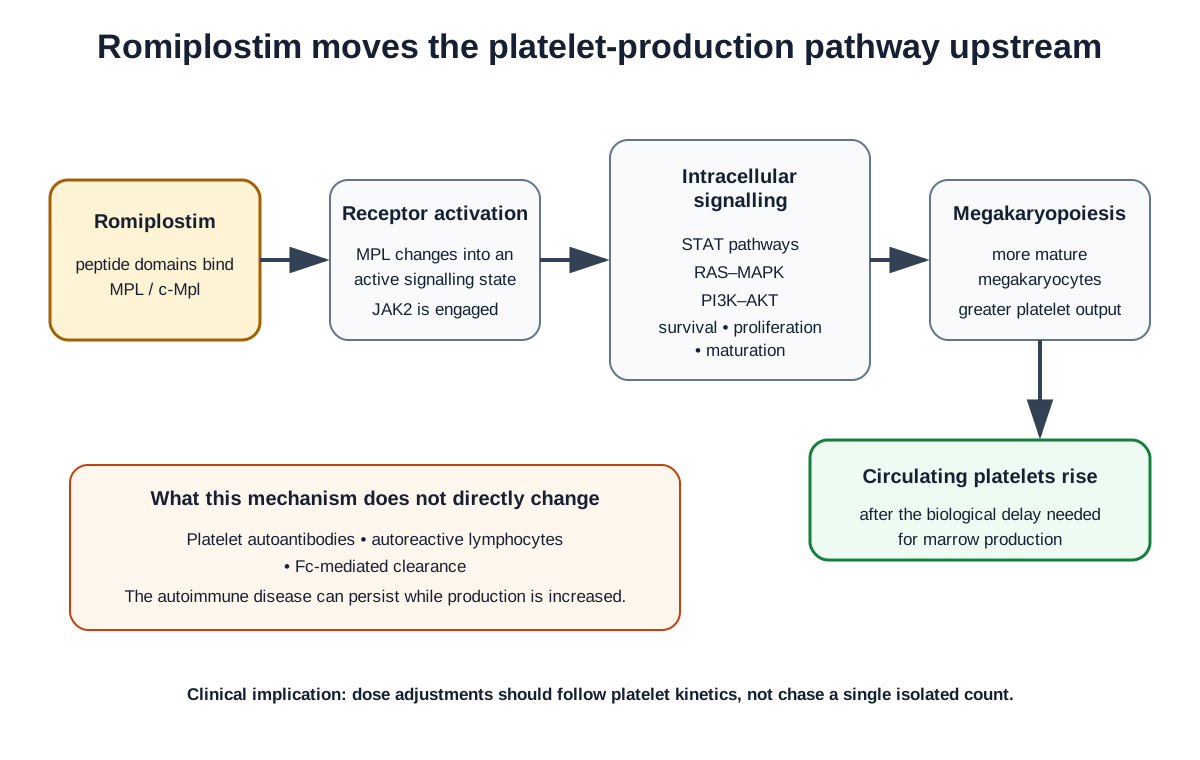
When an agonist brings receptor molecules into the active configuration, JAK2 becomes activated and phosphorylates receptor-associated proteins. This recruits signalling pathways including STAT5, RAS–MAPK, and PI3K–AKT. These pathways alter gene expression, survival, proliferation, and maturation of megakaryocytic lineage cells.
A useful mental model is a production-control switch mounted on the outside of a factory. The extracellular ligand presses the switch; the intracellular JAK–STAT and related pathways are the wiring; megakaryocyte development is the production line; and circulating platelets are the output. Romiplostim acts at the switch.
Immune thrombocytopenia: why the count falls
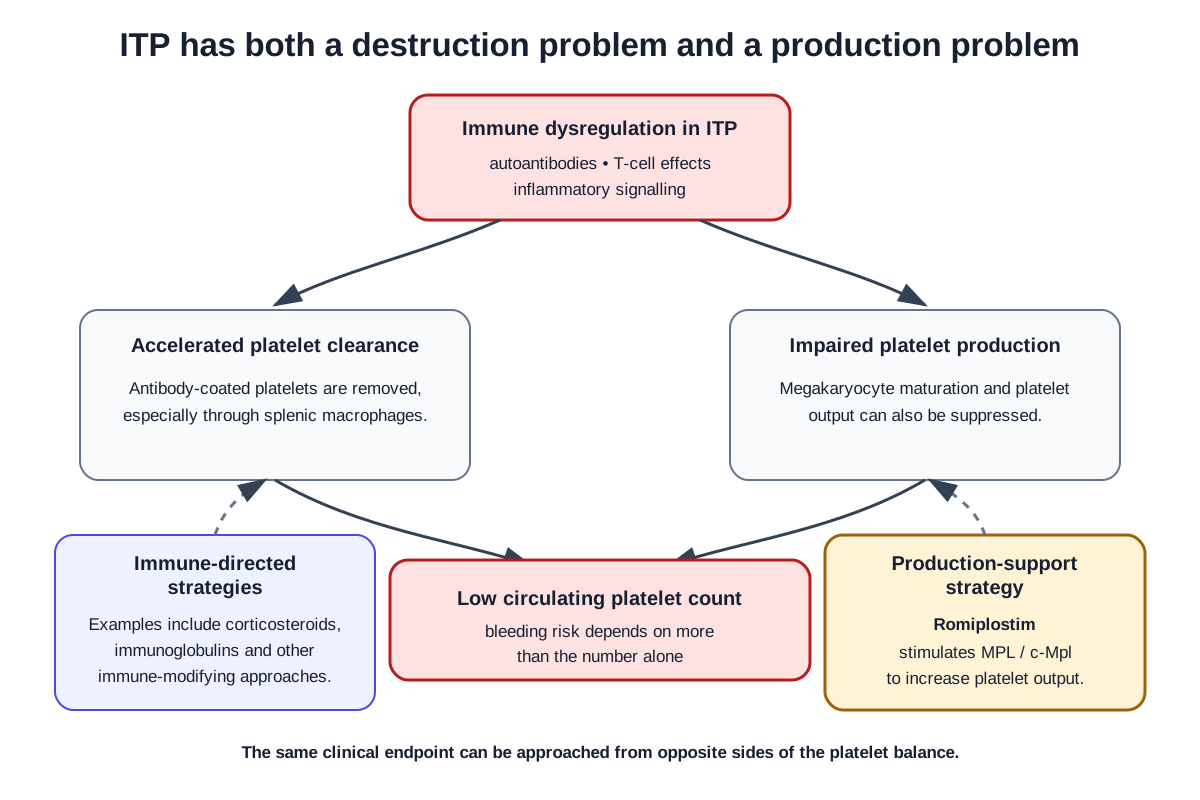
Primary ITP is more than accelerated platelet destruction. Autoantibodies can bind platelet surface glycoproteins and promote Fc-receptor-mediated clearance, especially by splenic macrophages. Cytotoxic T-cell mechanisms and broader immune dysregulation may contribute. At the same time, autoantibodies and inflammatory mechanisms can impair megakaryocyte maturation and platelet production.
That dual mechanism explains an important clinical observation: simply compensating for destruction by increasing production can be therapeutically effective. If the marrow can release enough additional platelets, the circulating count can rise even while the autoimmune process continues.
The balance can be written conceptually as:
circulating platelet count ≈ platelet production − platelet clearance/consumption.
This is not a clinical equation and it ignores distribution and feedback, but it captures the therapeutic idea. Romiplostim pushes the production side upward.
Mechanism of action
From receptor binding to megakaryopoiesis
Romiplostim binds the extracellular domain of MPL and activates signalling broadly similar to endogenous TPO. JAK2 activation is followed by downstream STAT, MAPK, and PI3K/AKT signalling. The net pharmacodynamic effect is increased megakaryocyte proliferation and maturation and, after the biological delay required for platelet production, an increased circulating platelet count.[2–4]
The delay matters. Platelet response does not behave like an intravenous vasopressor or a glucose infusion, where the effect can be seen almost immediately. The drug changes a cellular production process. Dose adjustment must therefore respect the time required for marrow response rather than chase every single count as though it were an instantaneous read-out.
What romiplostim does not do
Romiplostim does not directly eliminate platelet autoantibodies, remove autoreactive B cells, block Fc receptors, or suppress T-cell immunity. It is therefore different in therapeutic logic from corticosteroids, immunoglobulins, splenectomy, anti-CD20 therapy, or other immune-directed strategies.
It also does not “repair” the platelet count permanently in every patient. When receptor stimulation stops, the production advantage can disappear and thrombocytopenia may recur. That is why discontinuation itself is a safety-relevant transition rather than simply the absence of treatment.
Development and regulatory history
The biological story of romiplostim belongs to the second generation of thrombopoietic medicines. After the discovery of thrombopoietin and its receptor in the 1990s, early recombinant TPO-related products demonstrated that platelet production could be pharmacologically stimulated. Development of one molecule was halted after neutralising antibodies cross-reacted with endogenous TPO and caused severe thrombocytopenia. That experience strongly influenced the design of later agents whose structures did not reproduce the native TPO sequence.[3,4]
Romiplostim was developed as such a non-homologous TPO-receptor agonist. The US Food and Drug Administration approved it on 22 August 2008 for thrombocytopenia in adults with chronic ITP who had an insufficient response to corticosteroids, immunoglobulins, or splenectomy. The European Commission granted an EU-wide marketing authorisation on 4 February 2009.[1,5]
The development programme is also historically important for pharmacovigilance. The original US approval was accompanied by a risk-management programme because of concerns including marrow reticulin, thrombosis, rebound thrombocytopenia, malignancy-related uncertainty, and medication error. Regulatory understanding evolved as exposure accumulated, but those early concerns explain why platelet targets, dose calculation, marrow changes, and diagnostic boundaries remain prominent in current product information.[2,6]
Paediatric development extended use to younger patients. The FDA approved romiplostim in December 2018 for children aged one year and older with ITP of at least six months' duration and insufficient response to corticosteroids, immunoglobulins, or splenectomy. In the EU, the current indication covers chronic primary ITP in paediatric patients from one year of age who are refractory to other treatments.[1,7]
Clinical role and treatment logic
Romiplostim is not used because a low platelet count looks abnormal on a laboratory report. The therapeutic purpose is to reduce clinically important bleeding risk while avoiding unnecessary excess platelet production.
The current EU Summary of Product Characteristics starts at 1 microgram/kg once weekly and adjusts the dose according to platelet response, up to 10 micrograms/kg once weekly. Platelets are checked weekly until a stable response is achieved and then less frequently according to the authorised monitoring scheme. Treatment is discontinued if the platelet count does not increase enough to avoid clinically important bleeding after four weeks at the maximum weekly dose.[2]
These instructions reveal the pharmacological principle: the dose is individualised to biological response.
The treatment target is bleeding-risk reduction
A normal adult platelet count is commonly around 150–400 × 10^9/L, but romiplostim is not titrated simply to place every patient inside that laboratory reference interval. The aim is to maintain a platelet count sufficient to reduce bleeding risk. In the EU dosing algorithm, the dose is increased while counts remain below 50 × 10^9/L and reduced or withheld when counts rise beyond defined thresholds.[2]
This distinction matters for safety. If the treatment goal were “as many platelets as possible,” thrombopoietic stimulation could become self-defeating. ITP itself may coexist with thrombotic risk, and TPO-receptor agonists can raise the platelet count rapidly in some patients. The safest pharmacological target is therefore a haemostatically adequate count, not maximal marrow stimulation.
Response is dynamic rather than fixed
The same dose does not produce the same platelet count in every patient or every week. Platelet destruction can fluctuate with infections, immune activity, concomitant medicines, splenic function, and intercurrent illness. Other ITP treatments may be started, tapered, or stopped. Body weight matters for dose calculation, especially in children. These variables mean that the observed platelet count is the output of a changing biological system, not just a direct measurement of romiplostim exposure.
A useful pharmacovigilance implication follows: when a patient experiences thrombocytopenia, thrombocytosis, bleeding, or thrombosis, the case should not be interpreted from the dose alone. The dose history and platelet trajectory must be reconstructed together.
The TPO-receptor agonist landscape
Romiplostim is one of several medicines that increase platelet production through the TPO-receptor pathway, but the class is structurally heterogeneous. This matters because a class effect does not imply identical pharmacology, administration, interactions, or indication.
Romiplostim is a recombinant peptibody administered subcutaneously. Eltrombopag and avatrombopag are orally administered small molecules. Rather than competing with TPO at the same extracellular binding surface used by romiplostim, small-molecule TPO-receptor agonists bind within the receptor's transmembrane region and activate signalling through a different molecular interaction.[3,4]
The clinical landscape is also broader than primary ITP. Some TPO-receptor agonists have authorised uses in severe aplastic anaemia or thrombocytopenia associated with chronic liver disease and planned procedures, depending on molecule and jurisdiction. Those differences must not be collapsed into a single “class indication.” For romiplostim in the EU, the positive benefit-risk balance described in the SmPC is for primary ITP; the product information specifically warns against using it for thrombocytopenia due to myelodysplastic syndromes or other causes outside clinical trials.[2]
Safety profile through mechanism
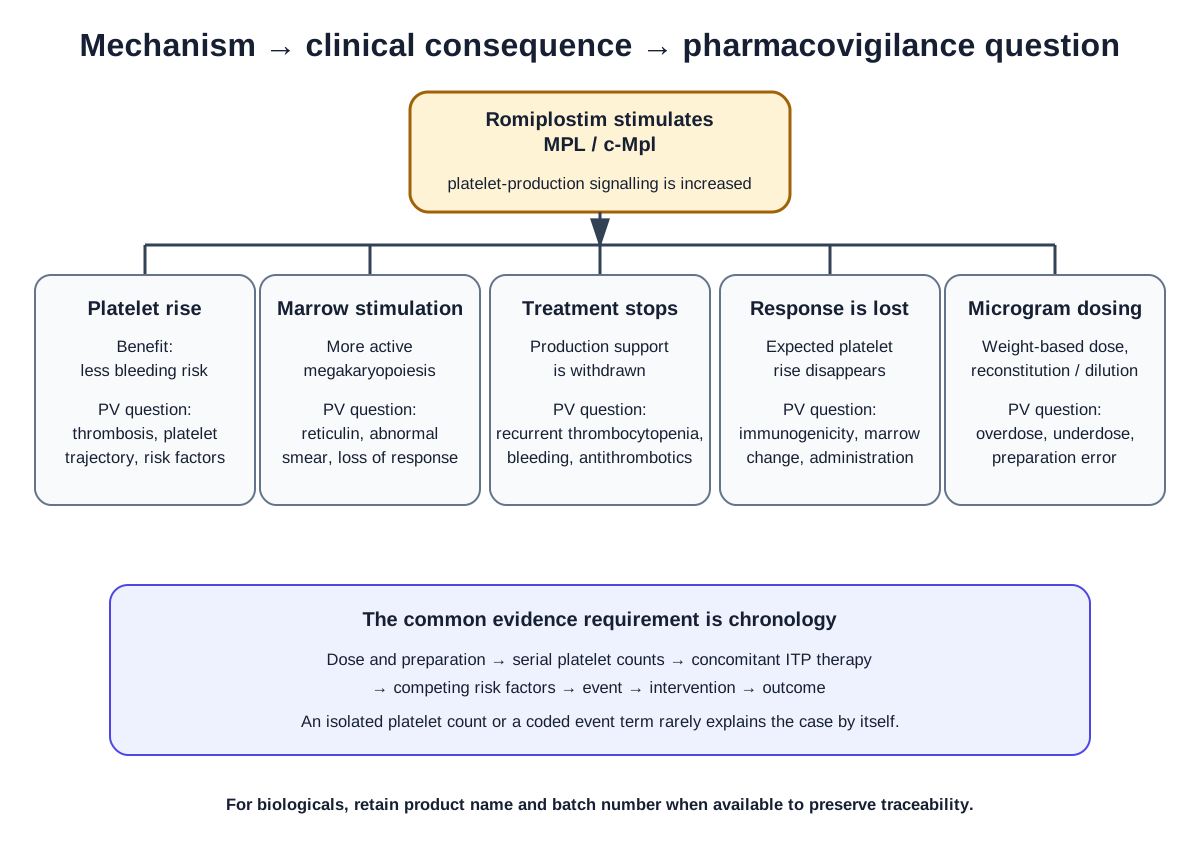
Romiplostim's safety profile becomes easier to remember when each concern is connected to the biology it perturbs.
Thrombosis and thromboembolism
Increasing platelet production can contribute to a haemostatic environment in which thrombosis becomes clinically relevant, but the relationship is not a simple threshold effect. The EU SmPC states that thrombotic and thromboembolic events—including deep-vein thrombosis, pulmonary embolism, and myocardial infarction—have been observed and can occur regardless of platelet count. In controlled clinical-trial data cited in the current EU product information, thrombotic/thromboembolic events occurred in 6.0% of romiplostim-treated patients and 3.6% of placebo-treated patients.[2]
That wording is important. A normal-looking platelet count at the time of an event does not exclude a possible treatment contribution. Conversely, a thrombotic event in a patient receiving romiplostim is not automatically caused by the medicine. ITP patients may have advanced age, antiphospholipid antibodies, malignancy, immobility, obesity, smoking exposure, hormonal treatment, surgery, inherited thrombophilia, or prior thrombosis. Pharmacovigilance therefore requires analysis of baseline risk, platelet kinetics, dose changes, concomitant prothrombotic factors, and event timing.
Portal-vein thrombosis deserves separate attention in patients with liver disease. The EU SmPC advises against use in moderate to severe hepatic impairment unless the expected benefit outweighs the identified risk and calls for close platelet monitoring if treatment is considered necessary.[2]
Bone-marrow reticulin
TPO-receptor stimulation increases megakaryocyte number and activity. Megakaryocytes release cytokines that influence stromal cells and extracellular matrix. With sustained stimulation, reticulin fibres can increase in the marrow. Reticulin is a fine network largely composed of type III collagen; it is not synonymous with irreversible advanced marrow fibrosis.
The product information therefore approaches marrow change through surveillance rather than routine biopsy of every patient. Peripheral blood morphology and complete blood count are evaluated for abnormalities. If efficacy is lost and the blood smear becomes abnormal, discontinuation, examination, and consideration of marrow biopsy with reticulin staining are recommended.[2]
Long-term clinical studies found reticulin increases in a minority of evaluated patients, but interpretation is limited because marrow biopsy was not uniformly performed in all programmes. The clinically useful lesson is not to memorise one incidence number; it is to recognise the pattern that should trigger investigation: loss of response plus abnormal blood-cell morphology or unexplained cytopenic change.[8–10]
Recurrent thrombocytopenia after discontinuation
Romiplostim provides ongoing receptor stimulation. When it is stopped, the underlying ITP remains. The EU product information states that thrombocytopenia is likely to recur after discontinuation and that bleeding risk is especially relevant when anticoagulant or antiplatelet therapy is also present.[2]
A post-discontinuation case therefore needs more than an end date. Useful information includes the last dose, reason for stopping, recent platelet counts, other ITP therapies, anticoagulants or antiplatelets, bleeding site and severity, rescue treatment, and recovery trajectory.
Loss of response and immunogenicity
A previously responsive patient whose platelet count progressively falls presents a mechanistic differential diagnosis. Possibilities include increased immune platelet destruction, intercurrent disease, adherence or administration problems, medication error, marrow pathology, increased reticulin, and immunogenicity.
Anti-romiplostim antibodies can occur. Neutralising antibodies against romiplostim have been detected in clinical programmes, although cross-neutralisation of endogenous TPO has been uncommon. The current EU SmPC specifically directs clinicians to investigate causes including immunogenicity and increased marrow reticulin when response is lost.[2,9]
The pharmacovigilance lesson is that “drug ineffective” is an endpoint, not an explanation. A high-quality case should establish whether the problem is pharmacodynamic non-response, incorrect dose delivery, a new diagnosis, or a treatment-emergent biological change.
Myelodysplastic syndromes and diagnostic boundaries
Thrombocytopenia is a sign, not a diagnosis. ITP is diagnosed after considering and excluding other explanations. This matters especially in older adults, where myelodysplastic syndromes (MDS) can also produce low platelet counts.
Romiplostim stimulates progenitor and megakaryocytic pathways. In clinical studies conducted in patients with MDS, transient increases in blast counts and cases of progression to acute myeloid leukaemia were observed. A placebo-controlled MDS trial was stopped early because of a numerical excess of AML progression and increases in circulating blasts in the romiplostim group. The current EU SmPC consequently states that romiplostim must not be used for thrombocytopenia due to MDS or other causes outside clinical trials and emphasises excluding MDS when diagnosing ITP.[2]
This does not mean that romiplostim “causes MDS.” The regulatory issue is narrower: the established positive benefit-risk balance belongs to ITP, and stimulating a clonal marrow disorder is biologically and clinically different from supporting platelet production in autoimmune thrombocytopenia.
Medication error as a product-specific risk
Romiplostim is weight-based, supplied as a powder requiring reconstitution, and can require an additional dilution step for very small doses. The administered volume can therefore be tiny. The EU SmPC explicitly identifies overdose and underdose medication errors and notes that paediatric dosing can be particularly vulnerable because dilution may be required.[2]
An overdose may produce excessive platelet elevation and thrombotic risk; underdose may leave the patient thrombocytopenic and at risk of bleeding. This makes medication error a good example of product design interacting with pharmacology: the same biological potency that allows microgram dosing also makes small preparation mistakes clinically meaningful.
Product pharmacovigilance in practice
Romiplostim illustrates why product pharmacovigilance is more than listing labelled adverse reactions. The central task is to reconstruct how dose, platelet response, disease activity, concomitant therapy, and clinical event relate over time.
A platelet count is an unusually informative pharmacodynamic biomarker because it is measured repeatedly and directly reflects the therapeutic pathway. Yet it can also mislead when viewed in isolation. A thrombosis may occur without thrombocytosis; a bleeding event may follow discontinuation; an apparent lack of effect may reflect underdosing or incorrect preparation; and an abnormal blood film may indicate a marrow process rather than ordinary fluctuation in ITP.
What a useful case narrative needs to reconstruct
For bleeding, thrombosis, platelet abnormalities, loss of response, marrow findings, or medication error, the case should be organised around a timeline rather than a static list of facts.
| Question | High-value information |
|---|---|
| What was the treated disease? | Basis for the ITP diagnosis, duration, prior therapies, splenectomy status, relevant marrow findings where available |
| What exposure occurred? | Dose in micrograms/kg, administration dates, body weight used, preparation/dilution method, missed or duplicated doses |
| What was the pharmacodynamic response? | Serial platelet counts before and after dose changes, not only the value nearest the event |
| What else changed? | Corticosteroids, IVIG, immunosuppressants, anticoagulants, antiplatelets, infection, surgery, immobility, pregnancy, liver disease |
| What event occurred? | Site, severity, diagnostic confirmation, onset, treatment, outcome, recurrence |
| Is the event mechanistically coherent? | Excess response, abrupt fall after stopping, loss of response, marrow morphology, thrombotic risk factors |
| What happened after intervention? | Dose withheld/reduced, treatment stopped, rescue therapy, platelet trajectory, clinical recovery |
This structure makes causality assessment more disciplined. It also reveals missing data that would materially change interpretation.
Signal interpretation
Several recurrent analytical traps deserve attention.
Thrombosis is not reducible to thrombocytosis. The current EU product information states that thrombotic events have occurred regardless of platelet count.[2] Signal review should therefore examine the full thrombotic phenotype and background risk rather than restricting analysis to cases with high counts.
Bleeding can be a transition event. A serious bleed occurring shortly after discontinuation may be more informative than one occurring during stable treatment, especially if the platelet count falls sharply and antithrombotic therapy is present.
Loss of effect requires a differential diagnosis. A cluster of reports coded as “drug ineffective” may represent immunogenicity, preparation error, inappropriate diagnosis, changes in concomitant ITP treatment, disease fluctuation, or marrow pathology. Aggregating the preferred term without clinical stratification can conceal distinct mechanisms.
Medication errors can form a safety signal even when no adverse event occurs. Repeated confusion about reconstitution, dilution, dose calculation, vial selection, or tiny administration volumes may identify a preventable system problem before serious clinical consequences accumulate.
MDS cases require diagnostic chronology. When MDS or AML is reported after romiplostim exposure, reviewers need to know whether clonal marrow disease was already present, suspected, or retrospectively identifiable before treatment. The key question is not simply temporal association but whether thrombocytopenia may have been misclassified as ITP and whether treatment was being used outside the authorised disease context.
Biological traceability
The EU SmPC includes the standard biological-medicinal-product traceability instruction: the name and batch number of the administered product should be clearly recorded.[2] For an individual case, batch information may appear unimportant when the suspected problem is, for example, thrombosis. At system level, however, traceability permits detection of batch-related clusters, manufacturing or quality issues, and product attribution when multiple biologicals are used.
For pharmacovigilance operations, the practical distinction is useful: active substance identifies the pharmacology; brand and batch identify the administered biological product.
Special populations and situations
Paediatric patients
Children aged one year and older are included in the authorised population under defined conditions. Their dosing is still weight-based, but body weight changes over time and the EU SmPC recommends reassessment every 12 weeks. Very small calculated doses may require dilution to permit accurate measurement. Paediatric pharmacovigilance should therefore pay particular attention to current weight, dose recalculation, dilution, administration volume, and who prepared and administered the dose.[2]
Self-administration is not allowed for paediatric patients under the current EU product information.[2]
Hepatic impairment and chronic liver disease
Thrombocytopenia in chronic liver disease can result from splenic sequestration, reduced hepatic TPO production, portal hypertension, marrow effects, and other mechanisms. It is therefore biologically different from primary ITP. The EU SmPC advises that romiplostim should not be used in moderate to severe hepatic impairment unless expected benefit outweighs the identified risk of portal venous thrombosis, and that platelet counts should be closely monitored if use is considered necessary.[2]
This is a good example of why a familiar laboratory abnormality must not substitute for diagnosis. “Low platelets” is not itself an indication.
Pregnancy and breast-feeding
Human pregnancy data are limited. Animal studies cited in the EU SmPC show placental transfer and increased fetal platelet counts; romiplostim is therefore not recommended during pregnancy or in women of childbearing potential not using contraception. It is unknown whether romiplostim or its metabolites are excreted in human milk, so breast-feeding decisions require individual benefit-risk assessment.[2]
Pregnancy cases are particularly valuable for pharmacovigilance because they can inform maternal platelet response, bleeding and thrombotic outcomes, fetal growth, neonatal platelet counts, congenital outcomes, and timing of exposure. Such reports should preserve gestational timing and outcome details rather than being reduced to a generic “exposure during pregnancy” code.
Concomitant ITP therapy
Clinical trials allowed combinations with treatments including corticosteroids, danazol, azathioprine, IVIG, and anti-D immunoglobulin. As other ITP treatments are reduced or stopped after a platelet response, the platelet count can change for reasons that are not attributable to a romiplostim dose change alone.[2]
This creates a recurrent interpretation problem in real-world cases: dechallenge from one treatment may occur at the same time as continued exposure to another. A useful narrative records both trajectories.
Inspection and governance perspective
An inspector evaluating product pharmacovigilance for romiplostim would not need a special romiplostim-specific inspection checklist. The ordinary pharmacovigilance quality questions become concrete through the product's biology.
The evidence trail should show that serious bleeding, thrombosis, marrow findings, loss of response, immunogenicity, medication errors, pregnancy exposure, and use in diagnostically ambiguous thrombocytopenia can be identified, medically assessed, followed up, and aggregated appropriately. Coding should not replace clinical interpretation. A thrombosis case should retain platelet values and thrombotic risk factors; a loss-of-effect case should preserve dose and administration history; a medication-error case should capture the preparation step at which failure occurred.
Potential failure modes include:
- repeated receipt of platelet counts without preservation of the sequence needed to interpret dose response;
- treating “thrombocytopenia” as though it automatically meant authorised ITP;
- failure to distinguish prescribed dose from dose actually prepared and delivered;
- closing medication-error cases because no adverse event occurred, without considering aggregate preventability;
- overlooking abnormal blood-film or marrow findings inside a generic “drug ineffective” narrative;
- failing to obtain batch information when a biological-product quality issue is plausible;
- interpreting an event only from the most recent platelet count rather than the preceding trajectory.
These are illustrative failure modes, not published inspection findings. They show how the product's mechanism determines what constitutes adequate case evidence.
Governance should connect individual-case review, aggregate analysis, product-quality processes, medication-error surveillance, literature review, and periodic benefit-risk evaluation. Where trends emerge, the response should be proportionate to the evidence: targeted follow-up, case-series review, observed-versus-expected analysis where feasible, literature evaluation, cumulative dose-response assessment, or escalation into formal signal management.
Reference material
For product-specific work, the current regulatory documents should be read directly rather than relying on a secondary summary.
| Resource | What it provides |
|---|---|
| EU Summary of Product Characteristics / package leaflet | Authorised EU indication, dosing, warnings, adverse reactions, pregnancy information, preparation, traceability requirements |
| EMA EPAR | Regulatory history, benefit-risk overview, assessment documents, post-authorisation procedures |
| US Prescribing Information / FDA regulatory record | US indication and warnings, approval history, formulation and regulatory changes |
| FDA Purple Book | Biological-product licensure and presentation information |
| Primary clinical trials | Trial design, efficacy endpoints, exposure and safety observations underlying authorisation |
Because labels change over time, pharmacovigilance assessment should use the version applicable to the event period when evaluating historical listedness, while current clinical interpretation should use the current authorised information.
Key Takeaways
Romiplostim is best understood as a production-side treatment for an immune-mediated platelet disorder. ITP lowers platelet counts through accelerated destruction and impaired production; romiplostim does not remove the autoimmune cause but increases megakaryocyte-driven platelet output through the thrombopoietin receptor.
Its peptibody structure separates receptor activation from native TPO sequence homology. Receptor engagement activates JAK2-associated signalling and downstream STAT, MAPK, and PI3K/AKT pathways, increasing megakaryopoiesis and platelet production.
The treatment objective is not a normal laboratory count at any cost. Dosing is titrated to achieve sufficient haemostasis while limiting excessive stimulation. The platelet trajectory, not an isolated value, is therefore central to both clinical use and pharmacovigilance.
Major PV concerns follow logically from the mechanism and product design: thrombotic/thromboembolic events, marrow reticulin, recurrence of thrombocytopenia after stopping, loss of response and immunogenicity, diagnostic confusion with MDS or other causes of thrombocytopenia, and medication errors involving microgram-level weight-based preparation.
A high-quality romiplostim case reconstructs disease diagnosis, exposure, dose preparation, serial platelet counts, concomitant ITP therapy, competing bleeding or thrombotic risks, event timing, intervention, and outcome. That reconstruction turns a report into evidence that can contribute meaningfully to cumulative benefit-risk assessment.
References
- European Medicines Agency. Nplate: EPAR. Includes current product overview, indication and EU authorisation history. https://www.ema.europa.eu/en/medicines/human/EPAR/nplate. Accessed 4 September 2026.
- European Medicines Agency. Nplate: EPAR – Product Information (romiplostim). Current English EU product information; last updated 15 October 2025 on the EMA product page. https://www.ema.europa.eu/en/documents/product-information/nplate-epar-product-information_en.pdf. Accessed 4 September 2026.
- Kuter DJ. The biology of thrombopoietin and thrombopoietin receptor agonists. Int J Hematol. 2013;98:10–23. PMID: 23821332. https://pubmed.ncbi.nlm.nih.gov/23821332/
- Bussel JB, Soff G, Balduzzi A, Cooper N, Lawrence T, Semple JW. A review of romiplostim mechanism of action and clinical applicability. Drug Des Devel Ther. 2021;15:2243–2268. PMID: 34079225. https://pubmed.ncbi.nlm.nih.gov/34079225/
- US Food and Drug Administration. Orphan Drug Designations and Approvals: romiplostim (Nplate). Records US approval on 22 August 2008. https://www.accessdata.fda.gov/scripts/opdlisting/oopd/detailedIndex.cfm?cfgridkey=165402. Accessed 4 September 2026.
- US Food and Drug Administration. Nplate BLA 125268 – Division Director and Cross Discipline Team Leader Review. 2008. https://www.accessdata.fda.gov/drugsatfda_docs/nda/2008/125268s000_sumR.pdf. Accessed 4 September 2026.
- US Food and Drug Administration. FDA approves romiplostim for pediatric patients with immune thrombocytopenia. 14 December 2018. https://www.fda.gov/drugs/fda-approves-romiplostim-pediatric-patients-immune-thrombocytopenia. Accessed 4 September 2026.
- Kuter DJ, Bussel JB, Lyons RM, et al. Efficacy of romiplostim in patients with chronic immune thrombocytopenic purpura: a double-blind randomised controlled trial. Lancet. 2008;371:395–403. PMID: 18242413. https://pubmed.ncbi.nlm.nih.gov/18242413/
- Rodeghiero F, Stasi R, Giagounidis A, et al. Long-term safety and tolerability of romiplostim in patients with primary immune thrombocytopenia: a pooled analysis of 13 clinical trials. Eur J Haematol. 2013;91:423–436. PMID: 23927437. https://pubmed.ncbi.nlm.nih.gov/23927437/
- Kuter DJ, Bussel JB, Newland A, et al. Long-term treatment with romiplostim in patients with chronic immune thrombocytopenia: safety and efficacy. Br J Haematol. 2013;161:411–423. PMID: 23432528. https://pubmed.ncbi.nlm.nih.gov/23432528/
- US Food and Drug Administration. Purple Book: Nplate (romiplostim), BLA 125268. https://purplebooksearch.fda.gov/index.cfm?blaNo=125268&event=productdetails. Accessed 4 September 2026.
Regulatory Note
This article is an educational pharmacovigilance reference, not prescribing guidance. Product indications, dose adjustment, contraindications, warnings, and monitoring statements are jurisdiction-specific and may change. The EU Summary of Product Characteristics is used as the principal regulatory reference because QPPV.com is oriented to EU pharmacovigilance; US information is included where it clarifies development and regulatory history. Clinical recommendations should be checked against the current locally applicable product information and treatment guidance.