Serplulimab: Classification, Mechanism, Evidence and Pharmacovigilance
Serplulimab is a monoclonal antibody that blocks programmed cell death protein 1 (PD-1). The EU authorisation, first issued on 4 February 2025, has since expanded to selected first-line settings in extensive-stage small-cell lung cancer (SCLC), non-squamous and squamous non-small-cell lung cancer (NSCLC), and oesophageal squamous cell carcinoma. Exact eligibility and combination wording should be checked in current EMA product information. [1]
Classification and mechanism
PD-1 is an inhibitory immune-cell receptor. Tumour expression of PD-L1 or PD-L2 can engage it and restrain immune activity. Serplulimab binds PD-1, interrupting this inhibitory interaction and potentially restoring antitumour immune function. This is class pharmacology; clinical benefits and risks remain product- and indication-specific. [1]
Serplulimab does not directly deliver a cytotoxic payload. Its immune effects may persist beyond infusion and can inflame normal organs. In current EU indications it is combined with specified chemotherapy, so observed events may arise from antibody, chemotherapy, cancer or comorbidity.
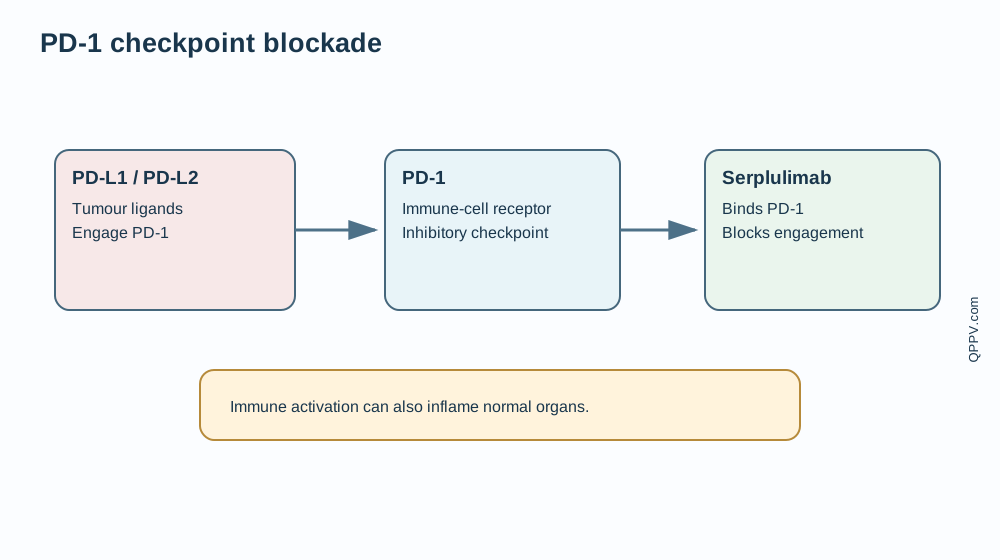
Figure 1. Simplified PD-1 checkpoint model; immune activity may affect normal tissue as well as tumour.
Current EU scope
EMA’s current overview describes use with carboplatin and etoposide for untreated extensive-stage SCLC; use with chemotherapy in specified advanced non-squamous and squamous NSCLC; and use with chemotherapy in oesophageal squamous cell carcinoma with defined clinical and biomarker conditions. Indication wording includes tumour stage, line of therapy, biomarker status and regimen restrictions. [1]
EMA identifies the product as under additional monitoring. The public overview was updated in July 2026, reflecting post-authorisation changes after the initial EU approval. A committee opinion, trial publication or company announcement is not itself a marketing authorisation; use the current EPAR and Summary of Product Characteristics for the controlling label. [1]
Clinical evidence
ASTRUM-005 was a randomised, double-blind phase 3 trial in 585 previously untreated adults with extensive-stage SCLC. Serplulimab or placebo was added to carboplatin and etoposide. Median overall survival was 15.4 months with serplulimab and 10.9 months with placebo (hazard ratio for death 0.63; 95% CI 0.49–0.82). The study supports the regimen in its enrolled SCLC population; it was not a head-to-head comparison with another checkpoint inhibitor. [2]
Other EU indications rely on separate trials with distinct populations, chemotherapy regimens, endpoints and eligibility conditions. An effect estimate from SCLC cannot be transferred to NSCLC or oesophageal cancer. Review each indication against its own current label and assessment evidence. [1]
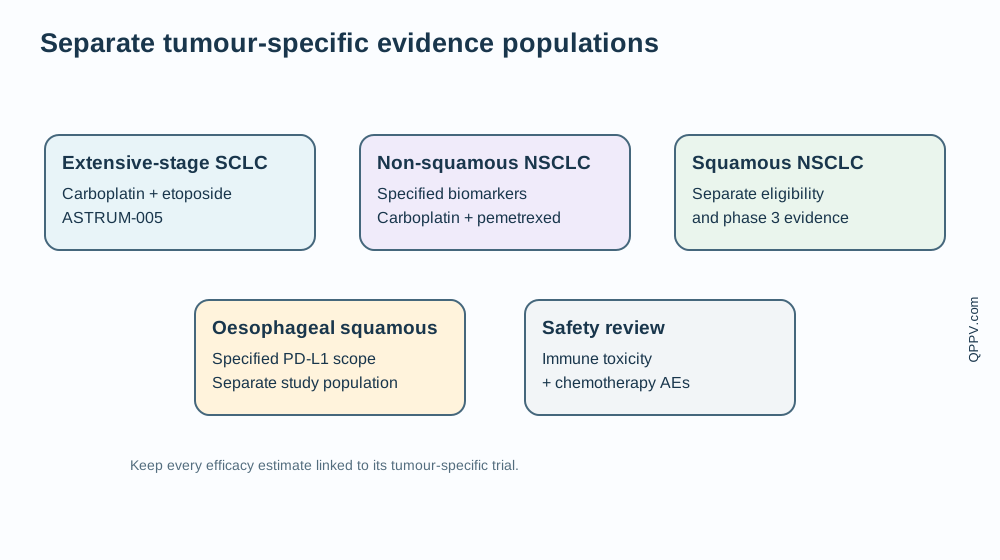
Figure 2. Multiple current indications are supported by distinct tumour-specific populations; evidence estimates should remain linked to the relevant study.
Safety and immune-mediated events
EMA identifies common combination-therapy adverse reactions including neutropenia, leucopenia, anaemia, thrombocytopenia, nausea, appetite reduction, low blood protein, vomiting and weakness. These may reflect chemotherapy or advanced cancer as well as treatment. Hypothyroidism is the most common immune-related adverse reaction; other immune events include hyperthyroidism, skin reactions, liver enzyme increases, lung and kidney problems, and colitis. [1]
Immune-mediated events may require prompt assessment and treatment interruption or immunosuppression under the product information and clinical judgement. Their timing can vary. Infection, progression, chemotherapy, comorbidity and concomitant medicines remain alternatives to immune toxicity.
Case assessment
Record tumour type, stage, treatment line, biomarkers, chemotherapy backbone, dose dates and concomitant immunosuppression. For suspected immune toxicity, document baseline status, organ-specific tests, differential diagnosis, treatment, response, interruption or rechallenge and outcome. For pneumonitis, distinguish infection, tumour progression, radiation injury and immune inflammation; for colitis, capture symptom trajectory and infectious evaluation.
Risk minimisation and governance
EMA describes educational materials, including a patient card, addressing immune-related and severe infusion-related reactions. These materials communicate symptoms and the importance of monitoring; they complement rather than replace clinical assessment. Use the current local version. [1]
Maintain traceability from source report through coding, seriousness, expectedness, causality assessment, follow-up and aggregate review. For signal detection, assess immune events by organ, latency and response to treatment; assess cytopenias and infections in relation to chemotherapy and disease. Review fatal cases individually because pooled frequencies may obscure the actual cause.
Practical checklist
- Confirm indication, biomarker status, line of therapy and chemotherapy regimen.
- Verify administration dates, infusion history and concomitant immunosuppression.
- Obtain diagnostic work-up and alternatives for suspected immune toxicity.
- Record treatment, interruption, rechallenge and outcome.
- Use current EU product information and applicable local reporting procedures.
Key takeaways
- Serplulimab blocks PD-1 and is used with chemotherapy in current EU indications.
- EU scope has expanded since the initial 2025 authorisation.
- ASTRUM-005 supports the SCLC regimen; other cancers have separate evidence.
- Immune inflammation must be distinguished from chemotherapy effects, infection and progression.
- Check current label and risk-minimisation materials.
References
- European Medicines Agency. Hetronifly (serplulimab): EPAR and current product information, updated 13 July 2026. https://www.ema.europa.eu/en/medicines/human/EPAR/hetronifly
- Cheng Y, et al. Effect of first-line serplulimab vs placebo added to chemotherapy on survival in extensive-stage SCLC: ASTRUM-005. JAMA. 2022. PMID: 36166026. https://pubmed.ncbi.nlm.nih.gov/36166026/
- European Medicines Agency. Hetronifly product information. https://www.ema.europa.eu/en/documents/product-information/hetronifly-epar-product-information_en.pdf
Regulatory Note
Regulatory status was checked on 25 September 2026 against current EMA information. EU indications and risk-minimisation details may differ elsewhere and may change after variations. This article is educational and does not replace the current Summary of Product Characteristics.