Tarlatamab is a bispecific T-cell engager that binds delta-like ligand 3 (DLL3) on tumour cells and CD3 on T cells. By physically bringing the two cells together, it creates an immune synapse that activates T cells and promotes killing of DLL3-expressing tumour cells. This mechanism provides a new therapeutic route in extensive-stage small-cell lung cancer (ES-SCLC), a disease in which relapse after platinum-based therapy is common and historically difficult to treat.
The same mechanism that produces antitumour activity also creates the product's defining safety problems. Rapid T-cell activation can release large amounts of inflammatory cytokines, producing cytokine release syndrome (CRS), while immune-effector-cell activation can also produce neurologic toxicity including immune effector cell-associated neurotoxicity syndrome (ICANS). Tarlatamab therefore cannot be understood as a simple “infusion every two weeks”. Its benefit-risk system includes step-up dosing, pre- and post-dose medicines, hydration, prolonged monitoring after early doses, caregiver education and dose-specific escalation rules.
Regulatory status evolved rapidly. The FDA granted accelerated approval in May 2024 and traditional approval on 19 November 2025 after the phase 3 DeLLphi-304 trial demonstrated an overall-survival advantage over standard second-line chemotherapy. The European Commission granted EU-wide marketing authorisation for Imdylltra on 29 May 2026. In the EU, the medicine is under additional monitoring and patient educational material specifically addresses CRS and ICANS.
Table of Contents
- Product identity and classification
- Molecular classification
- Why tarlatamab is different from a conventional monoclonal antibody
- Development history
- Small-cell lung cancer and DLL3 biology
- Why SCLC behaves aggressively
- DLL3 as a lineage-associated surface target
- Mechanism of action
- Building an artificial immune synapse
- Tumour killing and cytokine release
- Clinical positioning and regulatory context
- Evidence from DeLLphi-301 and DeLLphi-304
- US and EU indications
- Treatment architecture
- Step-up dosing
- Early-cycle monitoring
- Why monitoring intensity falls over time
- Safety profile and mechanism-informed interpretation
- Cytokine release syndrome
- Neurologic toxicity and ICANS
- Cytopenias and infection
- Hepatotoxicity
- Hypersensitivity
- Product pharmacovigilance
- Case assessment
- CRS versus infection and disease deterioration
- ICANS versus other neurologic causes
- Medication and monitoring errors
- Biological traceability and aggregate review
- Practical assessment framework
- Key Takeaways
- References
- Regulatory Note
Product identity and classification
Tarlatamab is marketed in the United States as Imdelltra and in the European Union as Imdylltra. The active substance is the same. In the United States, the proper name is tarlatamab-dlle.
Molecular classification
| Dimension | Classification | Why it matters |
|---|---|---|
| Modality | Bispecific antibody-derived T-cell engager | One molecule binds tumour and immune cell simultaneously |
| Tumour target | DLL3 | Links treatment to SCLC neuroendocrine lineage biology |
| Immune target | CD3 | Recruits and activates T cells independently of native tumour-antigen recognition |
| Functional class | T-cell redirection immunotherapy | Explains CRS, ICANS and immune-mediated toxicities |
| Therapeutic area | Previously treated ES-SCLC | Defines a high-risk population with pulmonary, CNS and marrow comorbidity |
| Administration | Intravenous with step-up dosing | Early dosing schedule is a risk-minimisation mechanism |
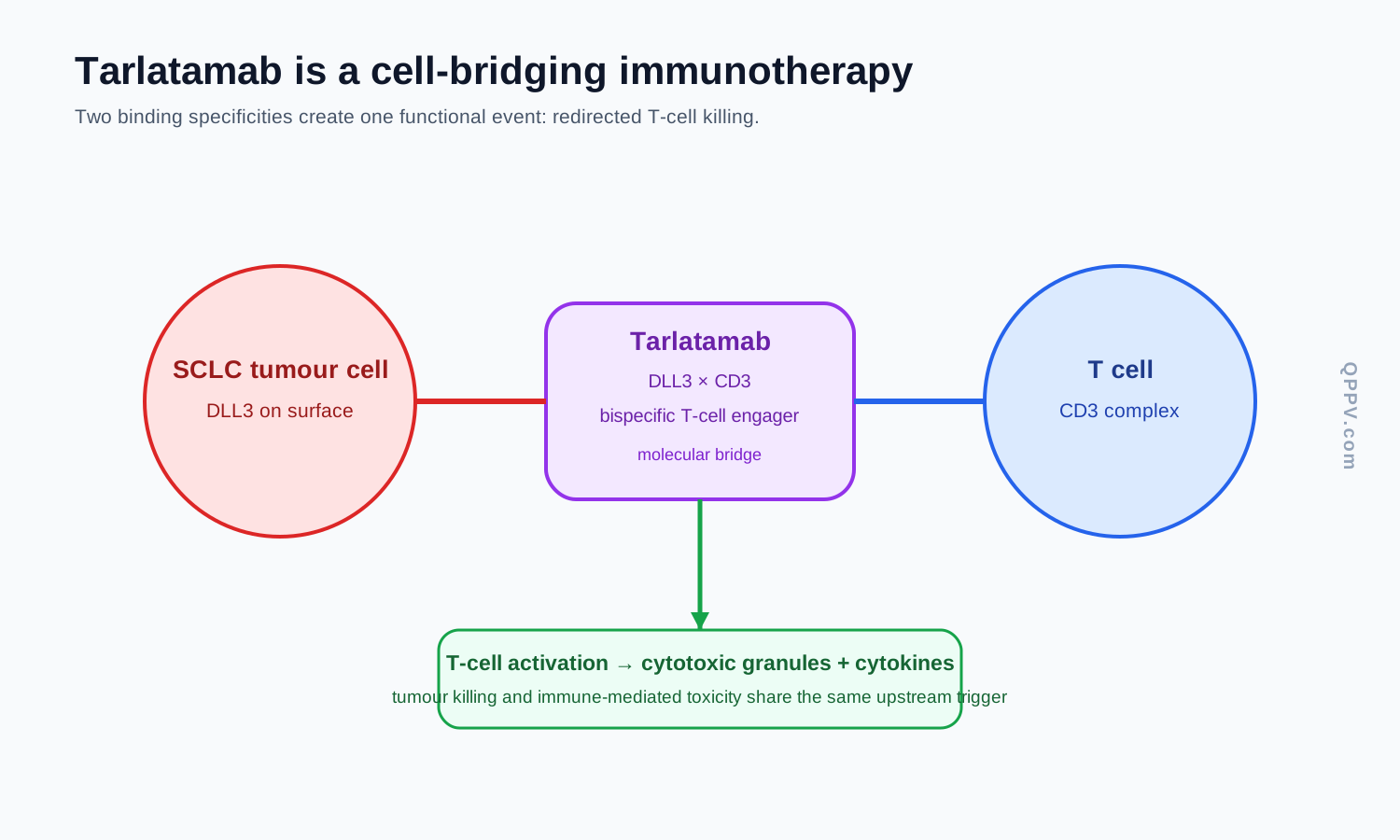
Figure 1. Tarlatamab is a bispecific DLL3×CD3 T-cell engager. Its defining pharmacology is not simply target blockade: it physically redirects T cells toward DLL3-expressing tumour cells.
Why tarlatamab is different from a conventional monoclonal antibody
A conventional monoclonal antibody usually has one principal binding specificity and may block a receptor, neutralise a ligand or mark a cell for immune destruction. Tarlatamab is designed with two binding functions. One arm recognises DLL3 on the tumour; the other engages CD3, a component of the T-cell receptor complex.
The drug therefore functions as a molecular bridge. It can recruit a T cell even when that T cell's native antigen receptor was not originally specific for the tumour. This potency comes with a predictable trade-off: T-cell activation can become systemically inflammatory.
Development history
DLL3 emerged as a target because it is frequently expressed on the surface of SCLC and other neuroendocrine tumours while having relatively limited expression on normal adult tissues. Earlier DLL3-targeted strategies demonstrated that the antigen was biologically accessible, but not every therapeutic platform produced durable clinical success.
Tarlatamab was developed as a half-life-extended bispecific T-cell engager to exploit DLL3 through immune redirection rather than toxin delivery. Phase 1 development established antitumour activity and characterised CRS as a central early toxicity. The phase 2 DeLLphi-301 trial then identified the 10 mg target dose and demonstrated clinically meaningful responses in heavily pretreated SCLC, supporting US accelerated approval in May 2024.
The phase 3 DeLLphi-304 trial moved the evidence from response-based accelerated approval to survival-based comparative benefit. In patients whose SCLC progressed during or after platinum-based chemotherapy, tarlatamab produced longer overall survival than investigator's-choice chemotherapy. The FDA therefore converted the indication to traditional approval on 19 November 2025. The EMA's CHMP adopted a positive opinion in March 2026, followed by EU marketing authorisation on 29 May 2026.
The development history illustrates an important regulatory concept: accelerated approval based on response can be followed by confirmatory evidence that directly demonstrates clinical benefit and changes the maturity of the authorisation.
Small-cell lung cancer and DLL3 biology
Why SCLC behaves aggressively
Small-cell lung cancer is a high-grade neuroendocrine carcinoma characterised by rapid proliferation, early metastatic spread and initial sensitivity to platinum-based chemotherapy. Responses to first-line therapy can be substantial, but relapse is common because resistant tumour populations survive and re-expand.
Extensive-stage disease means tumour has spread beyond a region that can reasonably be encompassed in a single tolerable radiotherapy field. Patients may have liver, bone, adrenal or brain metastases, substantial smoking-related cardiopulmonary disease and treatment-related marrow suppression. This background creates major confounding for fever, hypoxia, confusion, cytopenias and liver-test abnormalities—the same domains relevant to tarlatamab safety.
DLL3 as a lineage-associated surface target
DLL3 is an atypical inhibitory ligand related to the Notch signalling family. In normal development it is predominantly intracellular, but in SCLC and other high-grade neuroendocrine tumours it is frequently expressed at the cell surface. Its expression is associated with neuroendocrine lineage programmes, including ASCL1-driven states.
A useful way to think about DLL3 is as a surface flag of tumour lineage rather than as the oncogenic engine itself. Tarlatamab does not need DLL3 signalling to drive cancer. It needs DLL3 to be present on the tumour surface so the drug can anchor a T cell next to the malignant cell.
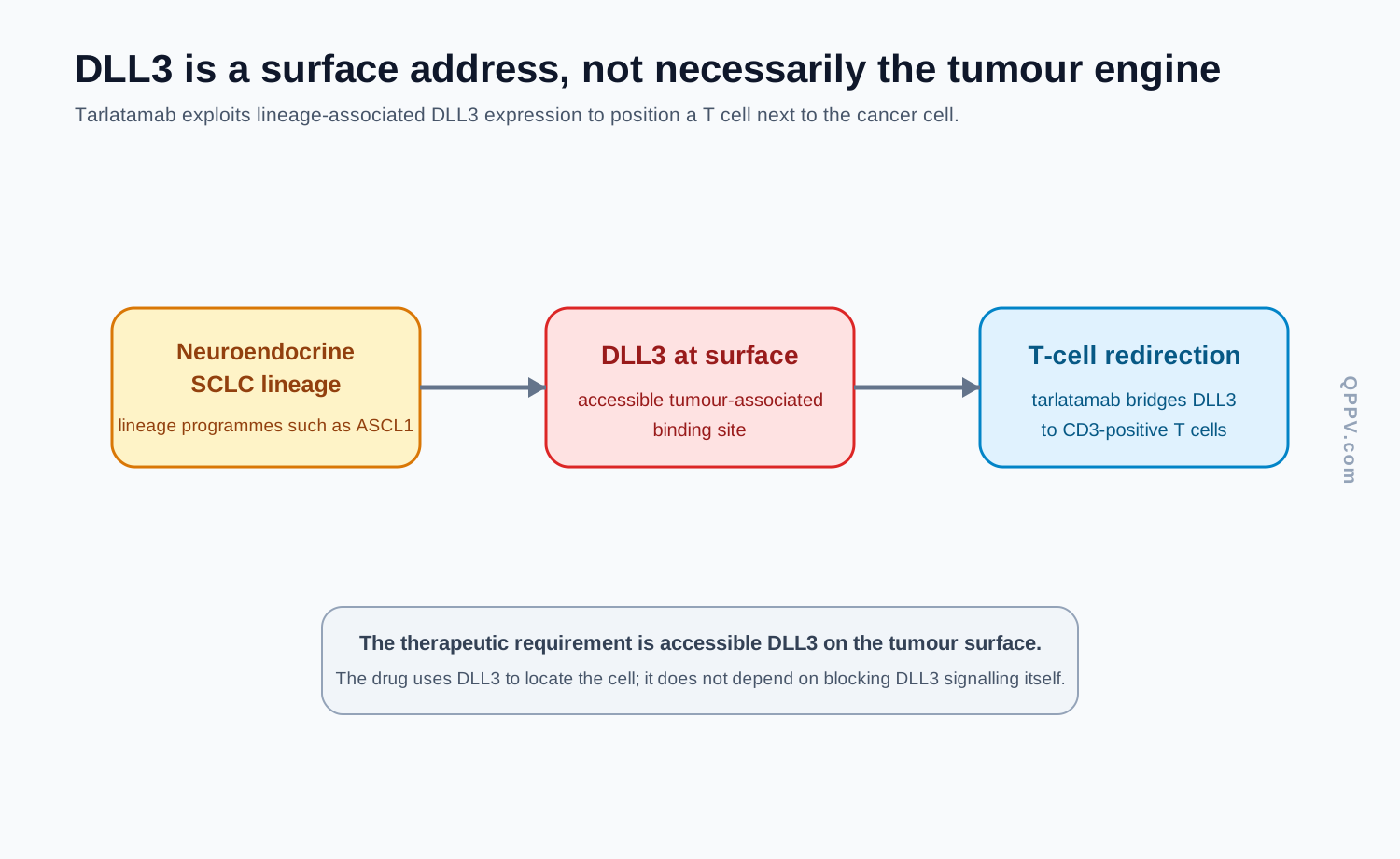
Figure 2. DLL3 is used as a surface address on neuroendocrine SCLC cells. Tarlatamab exploits this address to recruit CD3-positive T cells; the therapeutic mechanism does not require DLL3 itself to be the dominant growth driver.
Mechanism of action
Building an artificial immune synapse
Tarlatamab binds DLL3 on the tumour-cell surface and CD3 on T cells. Once both interactions occur, the drug brings the cells into close physical proximity. The resulting immune synapse activates the T cell, promotes proliferation and induces release of cytotoxic granules containing perforin and granzymes. These proteins damage the target cell and trigger tumour-cell death.
Unlike an antibody that merely blocks a tumour receptor, tarlatamab therefore recruits an active cellular effector. The medicine is pharmacologically dependent on both target availability and the functional state of the patient's T-cell compartment.
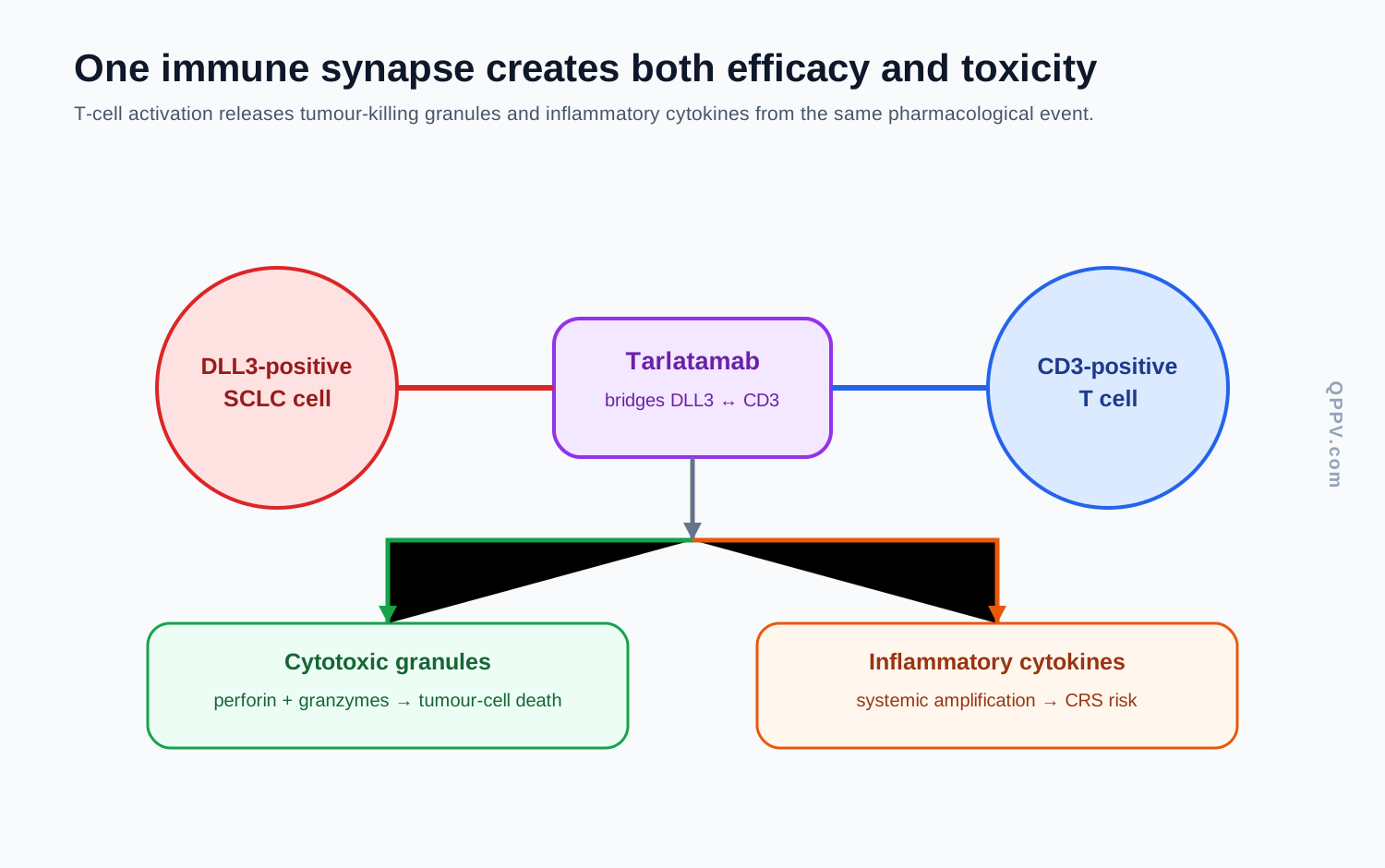
Figure 3. Tarlatamab binds DLL3 on the SCLC cell and CD3 on a T cell, creating an artificial immune synapse. T-cell activation releases cytotoxic molecules that kill the tumour cell and inflammatory cytokines that can contribute to CRS.
Tumour killing and cytokine release
Activated T cells do not release only cytotoxic granules. They also produce cytokines such as interferon-gamma and tumour necrosis factor, while downstream immune cells can amplify inflammatory mediators including interleukin-6. This is why antitumour activity and CRS arise from the same broad pharmacological event: strong immune-cell activation.
The relevant safety question is therefore not whether cytokine release is “off target”. It is an expected consequence of the desired mechanism that can become clinically excessive. Risk minimisation focuses on controlling the magnitude and timing of that response rather than eliminating immune activation entirely.
Clinical positioning and regulatory context
Evidence from DeLLphi-301 and DeLLphi-304
DeLLphi-301 was a phase 2 study in previously treated SCLC. It established clinically meaningful antitumour activity and helped identify the 10 mg target dose after a 1 mg step-up dose. The response data supported the first US accelerated approval.
DeLLphi-304 was a randomised phase 3 trial comparing tarlatamab with investigator's-choice chemotherapy after disease progression on or after platinum-based treatment. Median overall survival was 13.6 months with tarlatamab versus 8.3 months with chemotherapy at the prespecified interim analysis, with a hazard ratio for death of 0.60. This comparative survival benefit supported US traditional approval and contributed to the European assessment.
The regulatory evolution matters to pharmacovigilance because the exposed population broadened from a heavily pretreated early-launch population to routine second-line use. Changes in patient fitness, baseline marrow reserve, CNS disease and community treatment setting can alter reporting patterns even if the intrinsic drug safety profile is unchanged.
US and EU indications
The current US indication is treatment of adults with ES-SCLC with disease progression on or after platinum-based chemotherapy. The EU indication is monotherapy for adults with ES-SCLC who require systemic therapy following disease progression on or after first-line platinum-based chemotherapy.
The authorised concepts are closely aligned, but product names, educational materials and detailed risk-minimisation instructions differ by jurisdiction. The EU product is under additional monitoring and includes a patient card addressing CRS and ICANS.
Treatment architecture
Step-up dosing
The recommended US regimen uses 1 mg on Cycle 1 Day 1, followed by 10 mg on Cycle 1 Day 8, Day 15 and every two weeks thereafter. The small first dose is not intended to be therapeutically equivalent to the target dose. It conditions the immune system and reduces the incidence and severity of CRS when full-dose exposure begins.
This is an example of pharmacological risk engineering: the same active substance is deliberately introduced in stages because toxicity depends strongly on first-exposure immune kinetics.
Early-cycle monitoring
The current US label requires monitoring from the start of infusion for 22 to 24 hours after Cycle 1 Day 1 and Day 8 in an appropriate healthcare setting. Patients are advised to remain within one hour of an appropriate healthcare setting for a total of 48 hours from the start of those infusions and to be accompanied by a caregiver.
Later monitoring becomes progressively shorter: the current US schedule includes 6–8 hours of observation after Cycle 1 Day 15 and Cycle 2 doses, 3–4 hours after Cycle 3 and 4 doses, and 2 hours after Cycle 5 and subsequent doses, unless prior toxicity requires more intensive monitoring.
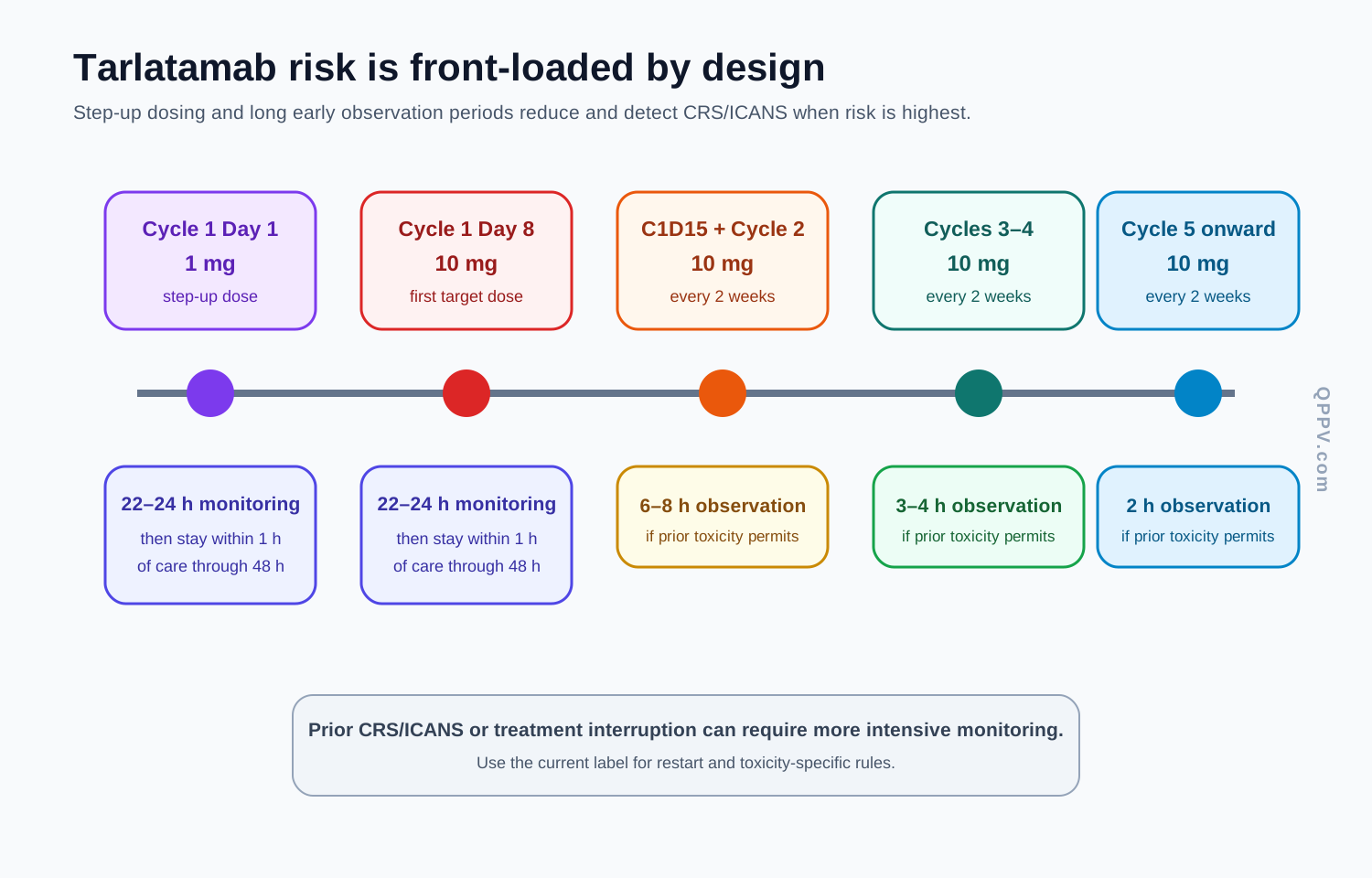
Figure 4. Tarlatamab monitoring is front-loaded. Step-up dosing and prolonged observation after the first two doses address the period of highest CRS and neurologic risk; monitoring becomes shorter in later cycles when tolerated.
Why monitoring intensity falls over time
CRS occurs most frequently after the earliest doses because the first major episodes of T-cell engagement produce the strongest acute cytokine response. Patients who tolerate initial step-up exposure without significant toxicity are less likely to experience severe first-onset CRS later, although recurrent events remain possible.
This creates a longitudinal risk model. Cycle and dose number are essential case variables. “CRS after tarlatamab” is incomplete; CRS after Cycle 1 Day 1, after the first 10 mg dose, and after Cycle 8 have different expectedness and operational implications.
Safety profile and mechanism-informed interpretation
Cytokine release syndrome
CRS is a systemic inflammatory syndrome caused by rapid immune-cell activation and cytokine release. Clinical features commonly include fever, fatigue, tachycardia, hypotension, hypoxia, headache, nausea and vomiting. Severe CRS can involve cardiovascular dysfunction, respiratory failure, renal or hepatic dysfunction and disseminated intravascular coagulation.
The syndrome can resemble sepsis, pneumonia, tumour fever or disease-related respiratory deterioration. Diagnosis therefore requires both pattern recognition and exclusion of competing causes. The current label uses severity-based management, including withholding treatment, supportive care, corticosteroids and tocilizumab or equivalent therapy where clinically indicated. Severe or recurrent events can require permanent discontinuation.
For PV, high-value data include exact dose and cycle, onset from infusion start, maximum temperature, lowest blood pressure, oxygen requirement, vasopressor use, corticosteroids, tocilizumab, ICU care, infectious investigations and time to resolution.
Neurologic toxicity and ICANS
Tarlatamab can cause neurologic toxicity including ICANS. Presentations may include confusion, impaired attention, language disturbance, somnolence, tremor, weakness, seizures or reduced consciousness. Severe cases can be life-threatening or fatal.
ICANS is a clinical syndrome rather than a single laboratory diagnosis. Other causes of neurologic deterioration are common in SCLC: brain metastases, stroke, metabolic disturbance, infection, opioid or sedative exposure, paraneoplastic syndromes and treatment-related encephalopathy.
A strong case assessment therefore captures baseline CNS disease, neurological examination, ICE score where used, imaging, EEG, metabolic tests, infection work-up and response to corticosteroids. Concomitant CRS is relevant but ICANS can occur without simultaneous CRS.
Cytopenias and infection
Tarlatamab treatment is associated with cytopenias, including neutropenia, anaemia and thrombocytopenia. Patients with previously treated SCLC may already have compromised marrow reserve from chemotherapy, marrow metastases or chronic disease.
The current US label specifies scheduled complete-blood-count monitoring through early cycles and continued monitoring thereafter. Infection reports should include neutrophil count, corticosteroid and tocilizumab exposure, hospital procedures, central lines and recent chemotherapy.
Fever should never be labelled CRS automatically. Neutropenic sepsis and CRS may share fever and hypotension, and they can coexist. Empirical antimicrobial treatment may be appropriate while the diagnostic picture is clarified.
Hepatotoxicity
Liver enzymes and bilirubin can increase during treatment. Possible causes include direct treatment effect, inflammatory CRS-related organ dysfunction, liver metastases, infection, hypoperfusion and concomitant medicines. The timing relative to CRS is therefore particularly informative.
A hepatotoxicity case should capture ALT, AST, alkaline phosphatase, bilirubin, baseline liver involvement, viral testing where appropriate, hypotension and concomitant hepatotoxic therapy. A transient rise during severe CRS has a different causal model from isolated progressive liver injury without systemic inflammation.
Hypersensitivity
Hypersensitivity reactions can occur and should be differentiated from CRS. Both may begin during or soon after infusion, but urticaria, angioedema, bronchospasm and a classic immediate-allergic phenotype favour hypersensitivity, whereas fever-dominant systemic inflammation with hypotension or hypoxia may fit CRS more closely.
The syndromes are not mutually exclusive and initial emergency management may overlap. The PV narrative should preserve the treating clinician's diagnosis, objective features and treatment rather than replacing both with a generic term such as “infusion reaction”.
Product pharmacovigilance
Tarlatamab pharmacovigilance must reconstruct time, dose, syndrome and setting. The treatment is deliberately front-loaded with risk controls, so the same event can have very different implications depending on whether it occurred after the 1 mg step-up dose, the first 10 mg dose, or a later maintenance infusion.
Case assessment
| Domain | High-value information |
|---|---|
| Exposure | Dose, cycle/day, infusion start/end, batch/lot |
| Monitoring | Observation duration, healthcare setting, caregiver proximity instructions |
| CRS phenotype | Fever, hypotension, oxygen need, vasopressors, organ dysfunction, grade |
| Neurologic phenotype | ICE score, confusion, language, seizure, consciousness, imaging/EEG |
| Interventions | Fluids, oxygen, corticosteroids, tocilizumab, ICU care, antimicrobials |
| Disease context | Brain/liver metastases, baseline dyspnoea, marrow reserve, performance status |
| Laboratory context | CBC, liver tests, renal function, coagulation, cultures |
| Outcome | Resolution time, dose delay, resumption, recurrent toxicity, discontinuation |
For CRS and ICANS, the timing should be recorded from infusion start, not merely by calendar date. An onset 16 hours after infusion is clinically different from “the next day” when evaluating expected kinetics and adequacy of monitoring.
CRS versus infection and disease deterioration
Fever, hypoxia and hypotension can indicate CRS, sepsis, pneumonia, pulmonary embolism or tumour-related respiratory compromise. In SCLC, several may coexist. A PV assessor should resist a false binary choice between “drug reaction” and “infection”.
Useful discriminators include neutrophil count, cultures, imaging, procalcitonin where clinically interpreted, temporal relation to infusion, response to tocilizumab/steroids and identification of a pathogen. Antibiotic administration does not prove infection, and tocilizumab response does not prove CRS; both are pieces of evidence within the complete clinical picture.
ICANS versus other neurologic causes
Neurologic events require similarly disciplined assessment. Brain metastases can progress or bleed, electrolyte abnormalities can cause confusion or seizures, opioids can produce somnolence, and stroke can occur independently of treatment. ICANS should be supported by syndrome-compatible chronology and examination rather than inferred solely because tarlatamab is a T-cell engager.
High-value follow-up includes baseline brain imaging, recent radiotherapy, neurological examination before treatment, ICE score trajectory, MRI/CT, EEG, metabolic abnormalities, infection evaluation and corticosteroid response. Severe neurologic cases may require intensive-care support even when imaging is unrevealing.
Medication and monitoring errors
The step-up regimen creates distinctive medication-error risks. Potential examples include:
- administering 10 mg instead of the 1 mg Cycle 1 Day 1 step-up dose;
- repeating a dose without applying the restart rules after a prolonged interruption;
- omitting required pre- or post-dose medicines or hydration;
- discharging a patient earlier than the required observation period;
- failing to provide or document caregiver/proximity instructions after early doses;
- using the wrong vial strength during preparation; or
- resuming treatment after a toxicity without applying the required monitoring intensity.
These are not merely administrative deviations. They can directly alter the probability or detectability of serious CRS and neurologic toxicity. A report should state exactly what happened, whether the error reached the patient, and what clinical consequence followed.
Biological traceability and aggregate review
As a biological medicine, product name and batch/lot should be captured where available. In the EU, additional-monitoring status increases the importance of complete reporting during early post-authorisation use.
Aggregate analyses should stratify by cycle/day and dose. Pooling all CRS across treatment can obscure whether events are occurring outside the expected early-dose pattern. Useful stratifications include:
- Cycle 1 Day 1 versus Day 8 versus later doses;
- first occurrence versus recurrent CRS;
- CRS with versus without tocilizumab or ICU care;
- ICANS with versus without concurrent CRS;
- baseline brain metastases versus none;
- infection with versus without neutropenia or immunosuppressive rescue therapy; and
- standard monitoring versus cases involving process deviation.
A late cluster of severe CRS after previously tolerated maintenance doses would deserve different investigation from the expected early-cycle concentration of mild events.
Practical assessment framework
- Identify the exact dose and cycle/day. This is foundational for tarlatamab.
- Reconstruct the monitoring environment. Determine observation duration and whether required proximity/caregiver controls were followed.
- Define the syndrome. Separate CRS, ICANS, hypersensitivity, infection, cytopenia and disease progression while allowing overlap.
- Grade with objective physiology. Blood pressure, oxygen requirement, vasopressor use, consciousness and seizure data matter more than vague terms such as “severe”.
- Exclude major mimics. Especially sepsis, pneumonia, brain metastasis, stroke and metabolic encephalopathy.
- Document rescue treatment. Tocilizumab, steroids, ICU care and antimicrobials help reconstruct both severity and clinical judgement.
- Check restart and interruption rules. A delayed or repeated dose may require re-escalated monitoring.
- Preserve biological traceability. Record brand and batch/lot where available.
- Assess process effectiveness. Serious early toxicities should trigger review of step-up dosing, observation and patient/caregiver education as well as individual causality.
Illustrative scenario: fever and hypoxia after Cycle 1 Day 8
A patient develops fever 12 hours after the first 10 mg dose, followed by hypotension responsive to intravenous fluids and low-flow oxygen requirement. Blood cultures remain negative and imaging shows no new infection. The patient receives dexamethasone and tocilizumab and improves.
The pattern is compatible with Grade 2 CRS and occurs in the expected high-risk window. The PV record should still document the infectious evaluation rather than treating the diagnosis as self-evident. The subsequent dose and monitoring plan are also important because prior Grade 2 CRS changes the operational context of re-exposure.
Illustrative scenario: confusion after discharge
A patient who tolerated the infusion develops word-finding difficulty and disorientation at home 30 hours after Cycle 1 Day 8. The family initially assumes fatigue from cancer treatment. The patient later presents to hospital with impaired attention but normal CT imaging.
This scenario illustrates why caregiver education and proximity to healthcare are risk-minimisation controls rather than administrative details. Follow-up should document ICE assessment, seizure activity, MRI/EEG if performed, concurrent CRS, metabolic tests, steroid treatment and outcome.
Illustrative scenario: wrong initial dose intercepted
A pharmacy prepares a 10 mg vial for Cycle 1 Day 1, but nursing verification identifies that the patient should receive the 1 mg step-up dose before administration. No drug reaches the patient.
This is a near-miss medication error, not an adverse reaction. It is nevertheless valuable safety information because recurrence could expose a patient to a much larger first immune stimulus and increase CRS risk. The process investigation should examine ordering, vial selection, labelling and independent verification.
Key Takeaways
- Tarlatamab is a DLL3-directed CD3 T-cell engager that redirects T cells against SCLC rather than merely blocking a tumour receptor.
- DLL3 functions as a tumour-surface lineage marker that provides an address for T-cell redirection.
- T-cell activation produces both the desired cytotoxic effect and the inflammatory biology underlying CRS and ICANS.
- Step-up dosing and prolonged early-cycle monitoring are integral components of the medicine's benefit-risk system.
- The FDA converted tarlatamab from accelerated to traditional approval in November 2025 after DeLLphi-304 demonstrated an overall-survival benefit over standard chemotherapy.
- Imdylltra received EU marketing authorisation on 29 May 2026 and is under additional monitoring.
- CRS must be distinguished from infection and respiratory disease deterioration; ICANS must be distinguished from brain metastases, stroke, metabolic disease and other neurologic causes.
- Dose/cycle, observation duration, caregiver instructions and restart rules are essential PV data because process deviations can alter serious-toxicity risk.
References
- European Medicines Agency. Imdylltra (tarlatamab): EPAR and product information. EU marketing authorisation issued 29 May 2026. https://www.ema.europa.eu/en/medicines/human/EPAR/imdylltra
- U.S. Food and Drug Administration. FDA grants traditional approval to tarlatamab-dlle for extensive-stage small-cell lung cancer. 19 November 2025. https://www.fda.gov/drugs/resources-information-approved-drugs/fda-grants-traditional-approval-tarlatamab-dlle-extensive-stage-small-cell-lung-cancer
- U.S. National Library of Medicine. DailyMed: IMDELLTRA (tarlatamab-dlle). Current US prescribing information. https://dailymed.nlm.nih.gov/dailymed/drugInfo.cfm?setid=1e7b6163-5d83-42ea-82c9-cf7620cdc782
- Ahn MJ, Cho BC, Felip E, et al. Tarlatamab for Patients with Previously Treated Small-Cell Lung Cancer. N Engl J Med. 2023;389:2063-2075. doi:10.1056/NEJMoa2307980.
- Mountzios G, Sun L, Cho BC, et al.; DeLLphi-304 Investigators. Tarlatamab in Small-Cell Lung Cancer after Platinum-Based Chemotherapy. N Engl J Med. 2025;393:349-361. doi:10.1056/NEJMoa2502099.
- Paz-Ares L, Champiat S, Lai WV, et al. Tarlatamab, a First-in-Class DLL3-Targeted Bispecific T-Cell Engager, in Recurrent Small-Cell Lung Cancer: An Open-Label, Phase I Study. J Clin Oncol. 2023;41:2893-2903. doi:10.1200/JCO.22.02823.
Regulatory Note
This article is an educational pharmacovigilance reference and does not replace the current Imdylltra SmPC, Imdelltra US Prescribing Information, patient card/Medication Guide, institutional immune-effector-cell toxicity procedures or individual clinical judgement. Monitoring and restart instructions are detailed, dose- and cycle-dependent and can change. For patient care, case processing and regulatory decisions, use the current product information applicable to the relevant jurisdiction and treatment date.