Tislelizumab: Mechanism, Clinical Safety and Pharmacovigilance
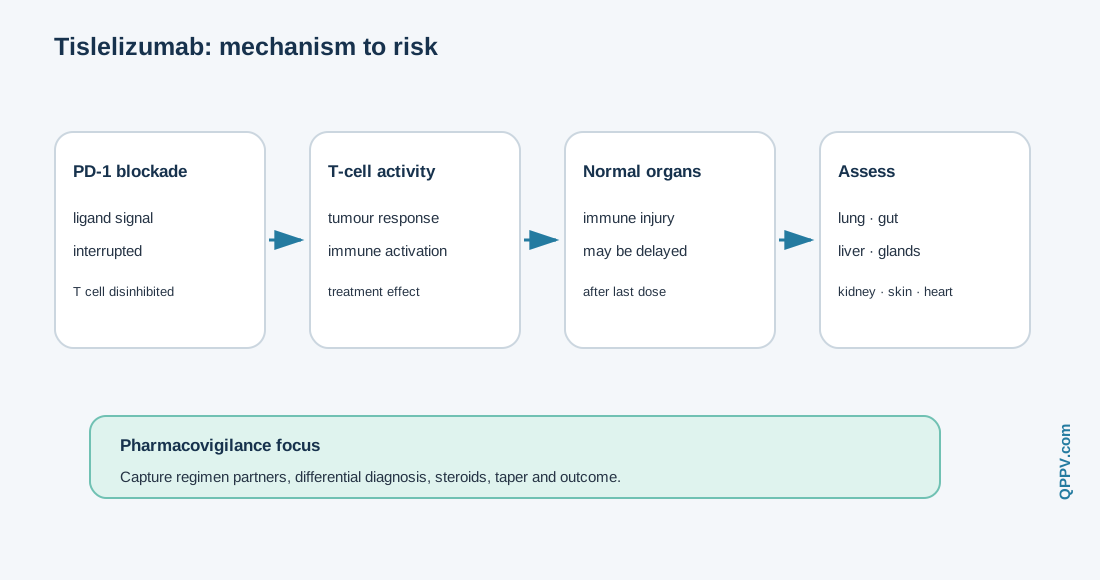
Tislelizumab blocks programmed cell death protein 1 (PD-1), removing an inhibitory signal on activated T cells. This can restore antitumour immune activity, but loss of peripheral immune restraint can also cause inflammatory injury in normal organs. Pharmacovigilance must distinguish immune-mediated toxicity from infection, progression, chemotherapy effects and unrelated illness.
Its EU label spans several tumour types and regimens. The exact indication, line, biomarker threshold, prior therapy and combination partner must be captured for each case.
1. Molecular identity and EU role
1.1 Classification and target
Tislelizumab is a humanised IgG4 monoclonal antibody against PD-1 on T cells. PD-1 engagement by PD-L1 or PD-L2 dampens T-cell activation. Blocking the interaction can restore antitumour activity. The molecule is engineered to minimise Fc-gamma-receptor binding, reducing the opportunity for macrophage-mediated phagocytosis of PD-1-positive T cells; this does not eliminate immune-mediated toxicity.[1,2]
1.2 Label-specific indications
Current EU product information covers: perioperative neoadjuvant-plus-adjuvant treatment of selected resectable NSCLC; first-line combination treatment for specified non-squamous and squamous advanced NSCLC settings; monotherapy after platinum for advanced NSCLC; first-line extensive-stage SCLC with chemotherapy; first-line HER2-negative gastric/GEJ adenocarcinoma with PD-L1 TAP ≥5%; first-line OSCC with PD-L1 TAP ≥5% and monotherapy after platinum; and first-line recurrent non-curable or metastatic nasopharyngeal carcinoma with chemotherapy. The precise stage, histology, mutation status, prior therapy and chemotherapy partners differ by indication.[1,2]
When a PD-L1 threshold applies, the product information specifies use of a CE-marked in-vitro diagnostic with the intended purpose or a validated alternative if one is unavailable. Record assay, score, specimen, treatment line, stage, driver-mutation status where relevant, prior immunotherapy and each combination medicine. The EU product information was updated 27 May 2026; verify any later revisions before label-based decisions.[2]
1.3 Exposure and schedule
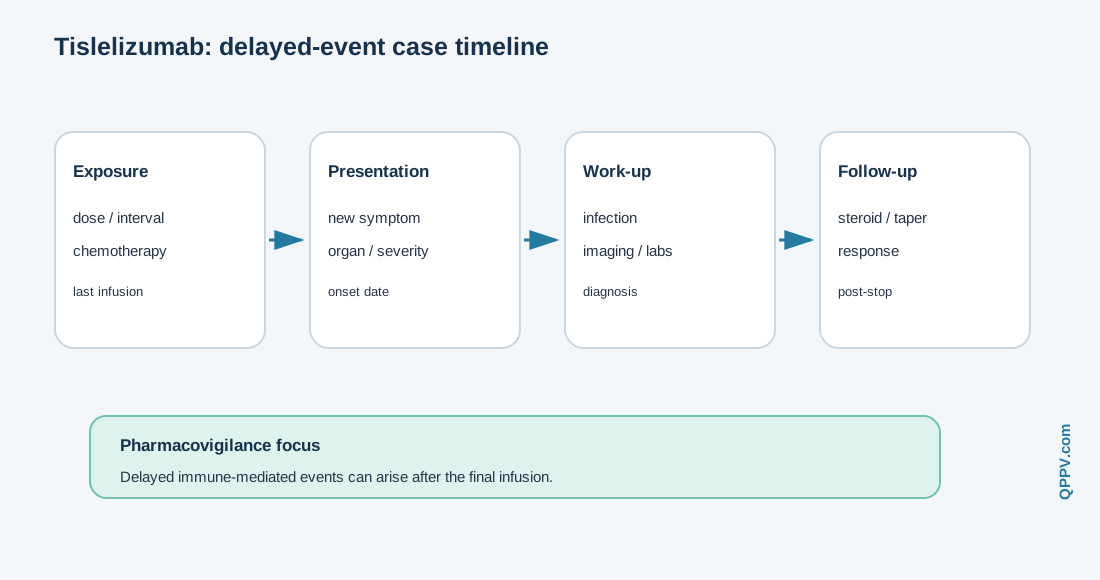
For most monotherapy and combination regimens, the recommended dose is 200 mg every three weeks or 400 mg every six weeks by IV infusion; the perioperative resectable-NSCLC pathway uses a specific neoadjuvant/adjuvant schedule. When given with chemotherapy on the same day, tislelizumab precedes chemotherapy. Record infusion date, dose, cycle, phase, interruption, duration and every partner medicine. A delayed immune-mediated event can begin after multiple tolerated infusions or after treatment has stopped.
2. Mechanism and event pathway
2.1 Checkpoint blockade
PD-1 pathway blockade can augment T-cell activity against tumour cells and normal tissue. This gives biological plausibility to pneumonitis, colitis, hepatitis, nephritis, endocrinopathies, skin reactions, myocarditis, neurologic syndromes and other inflammatory conditions. Events differ by organ, regimen, latency and patient factors.
2.2 Differential diagnosis
The clinical differential includes tumour progression, infection, treatment-associated inflammation, chemotherapy toxicity, radiation injury, embolism and unrelated disease. Cough, diarrhoea, fatigue or elevated transaminases are findings, not a final immune-mediated diagnosis. Preserve investigations and clinical reasoning.
3. Labelled safety and risk management
3.1 Common reactions by regimen
The EMA overview lists anaemia, fatigue and raised AST/ALT among common monotherapy reactions. With chemotherapy, common reactions include neutropenia, anaemia, thrombocytopenia, nausea, fatigue, decreased appetite, raised AST/ALT, rash and diarrhoea.[1] Combination regimens therefore need attribution across immune-mediated and cytotoxic mechanisms.
3.2 Immune-mediated events
For suspected pneumonitis, retain symptom chronology, oxygenation, imaging, microbiology, pulmonary history, prior thoracic radiotherapy and concurrent medicines. For diarrhoea or colitis, record stool frequency, blood, pain, hydration, infection testing, imaging or endoscopy and immunosuppressive treatment. For hepatitis, capture baseline and serial enzymes, bilirubin, viral and other investigations, concomitant hepatotoxic drugs and recovery.
Endocrine events can persist after treatment interruption. Include hormone values, replacement therapy, specialist diagnosis and ongoing replacement need. Follow current product-information criteria for withholding or permanently discontinuing treatment.[2]
3.3 Patient alert information
EU risk-minimisation materials include a patient alert card about potential immune-related side effects and when to contact a doctor.[1] Record whether it was provided when relevant and whether symptoms were recognised promptly.
4. Case reconstruction
4.1 Minimum case context
Capture tumour indication, line, biomarker result, dose and interval, treatment duration, chemotherapy partners, radiotherapy, prior checkpoint exposure, autoimmune history, infection risk, symptom onset, diagnostic evidence, management and outcome. For immune-mediated events include corticosteroid or other immunosuppressant dose, start and taper, response, rechallenge and recurrence.
4.2 Worked example
A patient receiving tislelizumab with chemotherapy develops cough, hypoxaemia and bilateral ground-glass opacities. Include last dose of every medicine, onset, oxygen need, imaging, cultures and viral tests, pulmonary embolism assessment, prior radiotherapy, steroid treatment and response. The combination partner may contribute to cytopenia or infection risk and must remain in the narrative.
Another patient develops severe diarrhoea weeks after the final infusion. Capture baseline bowel disease, stool frequency, dehydration, stool studies, endoscopy or imaging, corticosteroid treatment and recovery. Stopping treatment does not exclude a delayed event.
5. Case processing and aggregate review
5.1 Seriousness and expectedness
Determine seriousness from outcome and applicable criteria. Expectedness is checked against the product-specific reference safety information; mechanism alone is insufficient. Code the diagnosed condition and clinically relevant symptoms without replacing one with the other.
5.2 Signal evaluation
Use a defined case definition and review diagnostic certainty, onset, treatment, dechallenge, rechallenge, competing medicines and outcome. Stratify by tumour, regimen, dose interval, prior checkpoint exposure, latency, immunosuppressive treatment and outcome. Include events arising after discontinuation.
5.3 Benefit-risk
Periodic review should integrate trials, post-authorisation safety data and product-information changes. Spontaneous reports are useful for signal detection but have selective reporting and no reliable exposed denominator. Treat reporting patterns as hypotheses requiring evaluation, not incidence estimates.
Key points: reconstruct the exact indication; identify every regimen component; retain the immune-event timeline after treatment stops; separate diagnosis from symptoms.
References
[1] EMA, EPAR: tislelizumab.
[2] EMA, EU product information for tislelizumab.
[3] EMA, Good pharmacovigilance practices.
[4] EMA, ICH E2D(R1): Post-approval safety data management.
[5] ICH, E2C(R2): Periodic benefit-risk evaluation report.
Regulatory Note
Educational summary of EU regulatory information accessed 20 September 2026. It does not replace the current product information, clinical judgement, applicable national reporting requirements or local procedures. Confirm the label version in force for the exposure being assessed.