Tocilizumab: Classification, History, Mechanism of Action, Safety and Pharmacovigilance
- Tocilizumab: Classification, History, Mechanism of Action, Safety and Pharmacovigilance
- Multidimensional classification
- IL-6 biology and why the receptor became a target
- Development and regulatory history
- Mechanism of action in detail
- Clinical contexts and why indication matters
- Pharmacokinetics and pharmacodynamics
- Safety profile through mechanism
- Biological traceability and route
- Pharmacovigilance case assessment
- Signal detection and aggregate review
- Periodic benefit-risk evaluation
- Risk management and operational controls
- Potential failure modes
- Inspection and governance perspective
- Practical checklist
- Key Takeaways
- References
- Regulatory Note
Tocilizumab is a humanised monoclonal antibody directed against the interleukin-6 receptor (IL-6R). Its mechanism is conceptually different from antibodies that bind a cytokine itself: tocilizumab binds the receptor used by interleukin-6 (IL-6), preventing IL-6 from activating downstream signalling through the gp130 signalling complex. Because it binds both membrane-bound and soluble IL-6 receptor, it can interfere with classical IL-6 signalling and with soluble-receptor-mediated trans-signalling.
This distinction is central to its pharmacovigilance profile. IL-6 is not merely a mediator of inflammation; it contributes to fever, hepatic acute-phase responses, neutrophil trafficking, lipid metabolism and host defence. Blocking IL-6R can therefore improve inflammatory disease while simultaneously reducing C-reactive protein (CRP), suppressing fever and altering laboratory values that clinicians often use to recognise infection or tissue injury. For a safety reviewer, a normal CRP during treatment cannot be interpreted as if IL-6 signalling were intact.
Multidimensional classification
| Classification axis | Tocilizumab classification | Scientific or PV significance |
|---|---|---|
| Molecular class | Humanised IgG1 monoclonal antibody | Large biological molecule with Fc-containing structure and product-specific manufacturing attributes |
| Target | Interleukin-6 receptor alpha (IL-6R/CD126) | Blocks receptor access rather than neutralising IL-6 directly |
| Receptor forms | Membrane-bound and soluble IL-6R | Suppresses both classical and trans-signalling pathways |
| Downstream pathway | IL-6R/gp130-associated JAK-STAT signalling | Explains effects on acute-phase proteins, immune function and inflammatory disease activity |
| Functional class | Cytokine-receptor antagonist / immunomodulator | Benefit and risk arise from broad modulation of IL-6 biology |
| Therapeutic use | Immune-mediated inflammatory disease and cytokine-driven hyperinflammation | Safety context changes substantially by indication and co-therapy |
| Formulation | Intravenous and subcutaneous product presentations | Route, dosing interval and administration context matter in case assessment |
| Product category | Biological medicinal product | Product identity and batch traceability remain relevant |
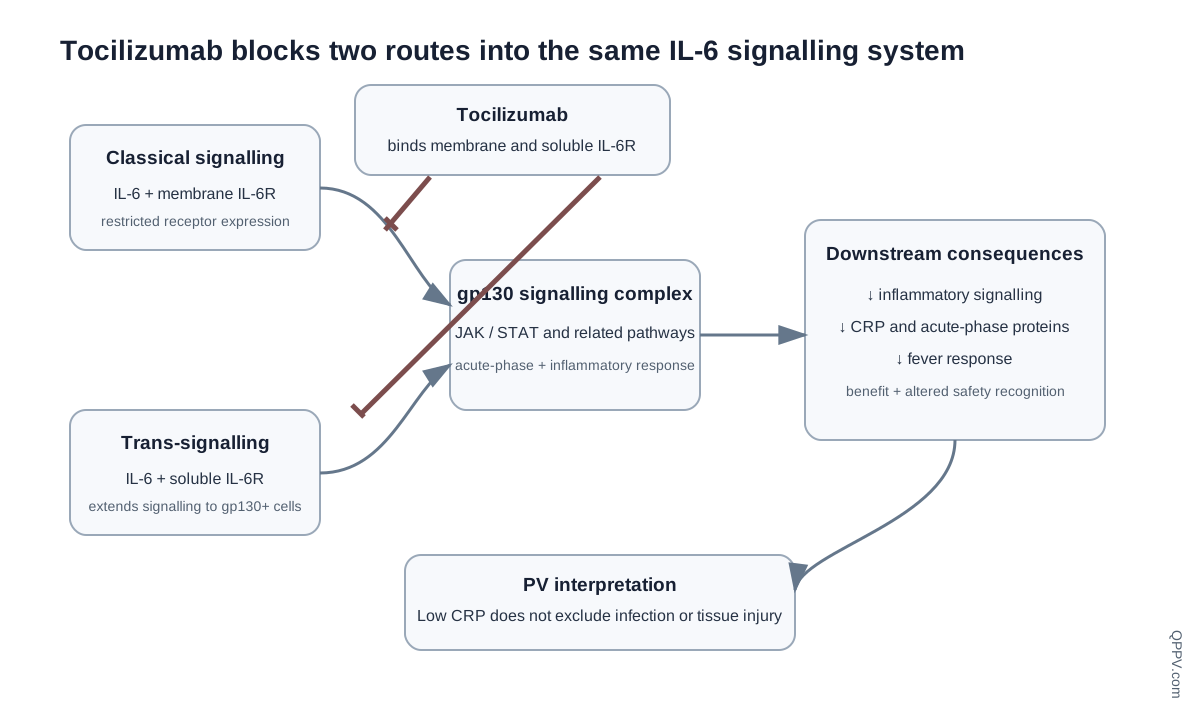
Figure 1. Tocilizumab blocks both membrane and soluble IL-6 receptor pathways. The figure separates the molecular target, signalling consequence and clinical/PV effects so that reduced inflammation is not mistaken for absence of infection or tissue injury.
IL-6 biology and why the receptor became a target
IL-6 is a pleiotropic cytokine produced by immune, stromal and other cells in response to infection, tissue injury and inflammatory signalling. It acts through a receptor system with two principal components: IL-6R alpha, which binds IL-6, and gp130, which transduces the intracellular signal. The membrane form of IL-6R is expressed on selected cell types, while soluble IL-6R can bind circulating IL-6 and then associate with gp130 on cells that do not themselves express membrane IL-6R.
This creates two related signalling modes. In classical signalling, IL-6 binds membrane IL-6R and recruits gp130. In trans-signalling, IL-6 first binds soluble IL-6R, and the complex then activates gp130 on other cells. The distinction matters because trans-signalling extends the biological reach of IL-6 beyond cells that express membrane IL-6R.
Tocilizumab binds IL-6R and prevents IL-6 from engaging the receptor effectively. Downstream activation of JAK/STAT and related pathways is reduced. Clinically, this can rapidly lower CRP and other acute-phase reactants, reduce inflammatory symptoms and alter systemic manifestations such as fever and anaemia of inflammation.
The acute-phase response as both benefit and safety complication
IL-6 is one of the strongest drivers of hepatic CRP synthesis. Suppressing IL-6R can therefore produce a marked fall in CRP even when another pathological process persists. This is therapeutically useful when CRP reflects inflammatory disease activity, but it creates a diagnostic complication: infection, perforation or other inflammatory injury may occur without the degree of CRP rise that would ordinarily be expected.
For pharmacovigilance, this means the absence of a high CRP is not strong negative evidence against a serious event in a patient receiving tocilizumab. Clinical symptoms, imaging, microbiology, blood counts and organ-specific findings may carry greater weight.
Development and regulatory history
The therapeutic concept arose from recognition that IL-6 has a central role in several chronic inflammatory diseases and from the ability to interfere selectively with its receptor. Clinical development first established substantial activity in rheumatoid arthritis and subsequently expanded into juvenile inflammatory disease and giant cell arteritis. Later programmes demonstrated the usefulness of IL-6R blockade in cytokine release syndrome and, in selected settings, severe systemic hyperinflammation.
The European Union authorised tocilizumab in 2009. The indication set has subsequently broadened. Current EU product information includes rheumatoid arthritis, systemic and polyarticular juvenile idiopathic arthritis, giant cell arteritis, cytokine release syndrome and severe COVID-19 in defined hospitalised patients, among other current authorised contexts. These settings differ profoundly in age, immune status, concomitant therapy, treatment duration and baseline risk, so aggregate safety interpretation must retain indication.
Mechanism of action in detail
Receptor occupancy rather than cytokine elimination
Tocilizumab does not remove IL-6 from the body. In fact, circulating IL-6 concentrations may rise after receptor blockade because receptor-mediated clearance and receptor binding are altered. A laboratory increase in IL-6 after treatment therefore does not necessarily indicate worsening inflammatory activity. It may partly reflect pharmacology.
The same principle applies to soluble IL-6R concentrations, which can also change during therapy. Biomarker interpretation requires knowledge of the mechanism; otherwise expected pharmacodynamic effects can be misclassified as disease worsening or treatment failure.
Downstream consequences
By preventing IL-6R-mediated gp130 activation, tocilizumab reduces STAT3-driven transcription and other downstream inflammatory programmes. Consequences include lower acute-phase proteins, reduced inflammatory-cell recruitment, changes in hepcidin signalling and improvement of inflammatory anaemia in some disease settings.
Because the pathway participates in host defence and tissue responses, blockade also creates predictable safety trade-offs. Serious infection, gastrointestinal perforation in predisposed patients, liver-test abnormalities, neutropenia and altered lipid parameters should be understood as part of a pathway-level benefit-risk model rather than as unrelated label items.
Clinical contexts and why indication matters
Tocilizumab is unusual among monoclonal antibodies because the same molecular mechanism is used across chronic autoimmune disease and acute cytokine-driven illness. In rheumatoid arthritis or giant cell arteritis, treatment may continue for months or years and cumulative infection, laboratory and metabolic effects become important. In cytokine release syndrome, treatment is usually given in an acute setting where the patient may already be critically ill, receiving other immunomodulators and experiencing organ dysfunction from the underlying syndrome. The safety background is therefore fundamentally different.
Rheumatoid arthritis and juvenile inflammatory disease
In chronic inflammatory arthritis, the principal PV questions include serious and opportunistic infection, cytopenias, hepatic injury, lipid changes, hypersensitivity and gastrointestinal perforation. Concomitant methotrexate, corticosteroids and previous biologic therapy can materially modify risk. A case should therefore capture disease duration, current and prior immunosuppressive therapy, corticosteroid dose where relevant and baseline laboratory abnormalities.
Giant cell arteritis
Giant cell arteritis illustrates an important interpretive problem. Clinical benefit includes reduction of inflammatory disease activity and glucocorticoid exposure, yet IL-6 blockade also suppresses CRP and erythrocyte sedimentation responses. Disease flare and infection assessment must therefore rely on symptoms and objective findings rather than acute-phase markers alone. Headache, jaw claudication, visual symptoms, vascular imaging and corticosteroid changes may be more informative than CRP in an individual case.
Cytokine release syndrome
Tocilizumab can be used to treat cytokine release syndrome (CRS) associated with immune therapies. In this setting it is administered because IL-6 signalling contributes to fever, hypotension, hypoxia and systemic inflammation. The PV challenge is that the event being treated is itself an adverse reaction to another therapy. Tocilizumab should therefore not be misclassified as the cause of the presenting CRS simply because it appears in the medication history after onset.
Case chronology is decisive: identify the therapy that preceded CRS, the onset and grade of CRS, when tocilizumab was administered, whether corticosteroids or other interventions were used and how symptoms changed. Subsequent infection or hepatic abnormalities require separate assessment because the patient may have multiple competing causes.
Severe COVID-19 and other acute inflammatory settings
Where tocilizumab is used in severe COVID-19 under an authorised regional indication, the baseline risks of infection, thrombosis, hepatic dysfunction, cytopenias and critical illness are already high. Aggregate safety data from chronic rheumatology populations should not be transferred uncritically into this context.
Pharmacokinetics and pharmacodynamics
Tocilizumab demonstrates nonlinear pharmacokinetics because target-mediated elimination contributes alongside linear catabolic clearance. At lower concentrations, receptor-mediated pathways have a larger influence; as target pathways become saturated, linear elimination contributes proportionally more. Intravenous and subcutaneous formulations produce different concentration-time profiles while sharing the same molecular target.
Pharmacodynamic effects can outlast the immediate dosing period. CRP suppression, neutrophil changes and receptor occupancy can persist between administrations. This matters when evaluating events arising after the most recent dose and when interpreting laboratory results collected during dose interruption.
Safety profile through mechanism
Serious and opportunistic infection
Suppression of IL-6 signalling can reduce host inflammatory responses and increase susceptibility to serious infection. Product information carries strong warnings regarding serious bacterial, fungal, viral and opportunistic infections. Tuberculosis risk assessment and regional screening practice are part of treatment initiation in chronic-use populations.
A high-quality infection case should capture pathogen if known, site of infection, culture/PCR evidence, imaging, neutrophil count, corticosteroid and other immunosuppressive exposure, comorbidities, hospitalisation, antimicrobial treatment, temporary or permanent interruption and outcome.
A clinically important feature is that fever and CRP elevation may be attenuated. Absence of these findings should not be used to dismiss infection. Reviewers should pay attention to focal symptoms, haemodynamic change, organ dysfunction and microbiological evidence.
Gastrointestinal perforation
Gastrointestinal perforation has been reported, particularly as a complication of diverticulitis. Risk interpretation should consider age, diverticular disease, corticosteroid exposure, non-steroidal anti-inflammatory drugs and other gastrointestinal risk factors.
Potential cases require precise anatomical and clinical detail: diverticulitis history, perforation site, imaging, surgery, peritonitis, abscess, corticosteroid and NSAID exposure, and outcome. Abdominal pain accompanied by only modest CRP elevation can still represent severe pathology during IL-6 blockade.
Hepatotoxicity and transaminase elevations
Tocilizumab treatment is associated with transaminase elevations and has also been linked to serious hepatic injury. Concomitant hepatotoxic medicines, especially methotrexate in rheumatology settings, complicate attribution.
Follow-up should obtain baseline and serial ALT, AST, alkaline phosphatase and bilirubin; timing relative to each medicine; viral hepatitis investigations where relevant; alcohol and metabolic liver-disease history; imaging or biopsy if performed; dechallenge and rechallenge information; and clinical signs such as jaundice or coagulopathy. A pattern of mild isolated transaminase elevation should not be equated automatically with severe drug-induced liver injury.
Neutropenia and thrombocytopenia
Neutrophil counts can fall during therapy. The mechanism may involve altered neutrophil trafficking rather than simple marrow destruction in all cases, which helps explain why laboratory neutropenia does not map perfectly onto infection risk. Nevertheless, severe neutropenia is clinically relevant and current product information includes laboratory monitoring and treatment-modification guidance.
For PV, capture absolute neutrophil and platelet counts, timing from dosing, infection status, marrow-suppressive co-medication, prior cytopenia, dose interruption and recovery. Aggregate analysis should separate laboratory abnormalities from clinically complicated cytopenias.
Lipid changes
IL-6 blockade can increase total cholesterol, LDL cholesterol and triglyceride values. Part of this reflects reversal of the altered lipid metabolism associated with active systemic inflammation. The phenomenon illustrates why biomarker change does not always correspond straightforwardly to clinical harm.
Periodic benefit-risk evaluation should distinguish laboratory lipid shifts from demonstrated cardiovascular outcomes and should avoid implying causality beyond the available evidence. Patient-level risk assessment still requires the usual cardiovascular context.
Hypersensitivity and infusion/injection reactions
Intravenous administration can be associated with infusion reactions, while subcutaneous administration can cause injection-site reactions. Serious hypersensitivity including anaphylaxis is possible. Case assessment should record route, formulation, administration number, timing of symptom onset, phenotype, treatment, interruption and rechallenge.
Laboratory masking as a pharmacovigilance issue
The most distinctive operational risk is not a separate adverse reaction but an interpretive effect: IL-6 blockade can make CRP, fever and sometimes other inflammatory signals less conspicuous. This can delay recognition of infection, gastrointestinal perforation or disease activity if clinicians or reviewers treat biomarkers as independent of the drug mechanism.
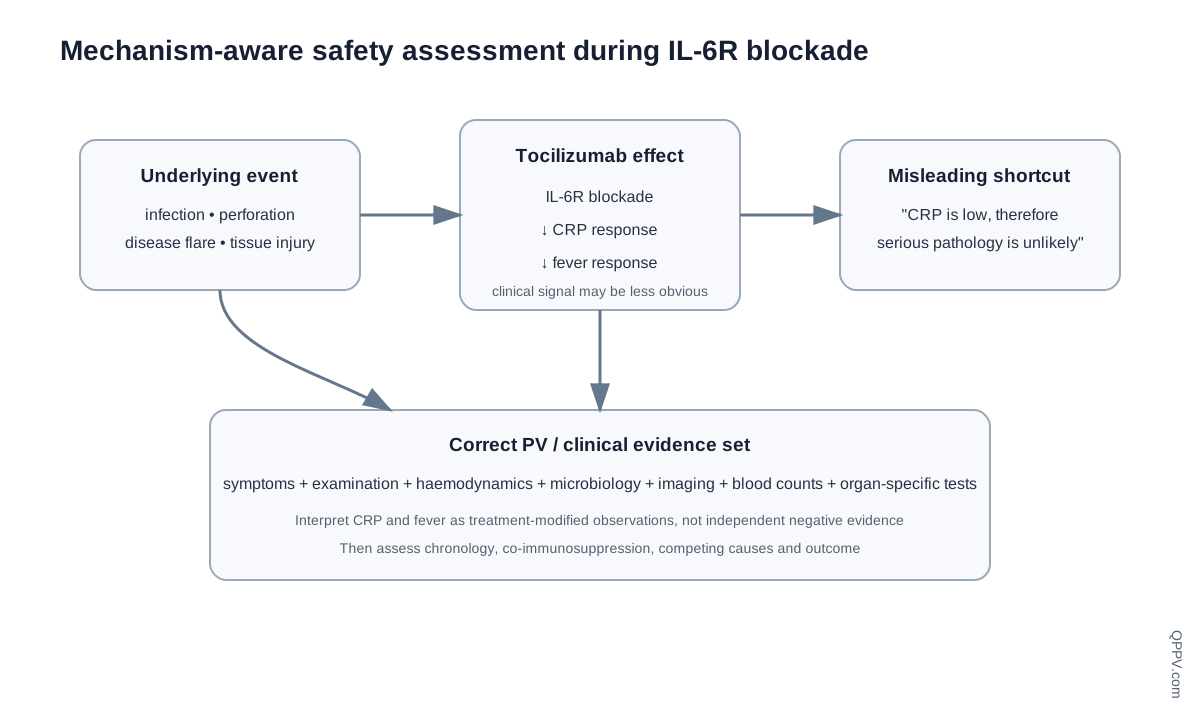
Figure 2. Tocilizumab can reduce CRP and fever while serious infection or tissue injury is still present. Pharmacovigilance assessment therefore has to combine mechanism-aware laboratory interpretation with clinical, microbiological and imaging evidence.
Biological traceability and route
Tocilizumab is a biological medicinal product available in intravenous and subcutaneous presentations. Reports should retain the exact product, route, dose schedule and batch where relevant, especially for hypersensitivity, administration errors, product-quality complaints or switching. A generic active-substance entry is often adequate for broad signal detection but not for traceability or formulation-specific investigation.
Pharmacovigilance case assessment
Tocilizumab cases should be assessed through three linked questions: what inflammatory condition was being treated, what other immunomodulatory exposures were present, and how did IL-6 blockade alter the clinical or laboratory evidence available to recognise the event? This prevents two common errors: attributing every event to immunosuppression without considering competing causes, and dismissing serious pathology because CRP or fever was unexpectedly low.
Event-specific follow-up priorities
| Event | High-value follow-up information |
|---|---|
| Serious infection | Site, pathogen, cultures/PCR, imaging, neutrophils, corticosteroids/other immunosuppressants, hospital course, antimicrobial therapy, outcome |
| Gastrointestinal perforation | Diverticular disease, pain chronology, imaging, perforation site, surgery, corticosteroid/NSAID exposure, CRP and other inflammatory markers |
| Hepatic injury | Baseline/serial ALT, AST, ALP, bilirubin, co-medications, hepatitis testing, alcohol/metabolic risk, imaging, dechallenge/rechallenge |
| Neutropenia | ANC trend, infection status, other marrow-suppressive therapy, dose interruption, recovery |
| Hypersensitivity | Route, administration number, onset, phenotype, vital signs, treatment, tryptase if available, rechallenge |
| Disease flare | Clinical symptoms, imaging where relevant, corticosteroid change, CRP/ESR interpretation in context of IL-6 blockade |
| CRS-treatment case | Causative immune therapy, CRS onset/grade, tocilizumab timing, response, corticosteroids, subsequent infection or organ dysfunction |
| Product-quality issue | Product presentation, route, batch, storage, preparation, device if relevant |
Signal detection and aggregate review
Signal detection should stratify by indication and treatment context. A chronic rheumatoid-arthritis population, a paediatric systemic-JIA population, a giant-cell-arteritis population and an acutely ill CRS population have different baseline risks, exposure durations and co-therapies. Pooling them without context can obscure clinically important patterns.
Known risks can still generate new safety questions when their phenotype changes. Examples include a shift toward unusually severe infection without conventional inflammatory markers, a cluster of lower-GI perforations in a new patient subgroup, delayed hepatic injury, or route-specific hypersensitivity. These are hypotheses for evaluation rather than automatic causal conclusions.
Interpreting laboratory signals
Aggregate laboratory analyses should distinguish pharmacodynamic effects from organ injury. A fall in CRP is expected; a rise in ALT may indicate treatment effect, co-medication effect or hepatic disease; neutropenia may reflect redistribution or marrow effects and does not have one fixed relation to infection. The safety review should therefore integrate laboratory trajectories with clinical outcomes rather than treating thresholds in isolation.
Periodic benefit-risk evaluation
Periodic reports should connect cumulative exposure and indication with the main safety domains: serious infections and opportunistic infections; gastrointestinal perforation; hepatic injury and transaminase elevations; neutropenia and thrombocytopenia; lipid abnormalities; hypersensitivity and administration reactions; medication errors; pregnancy exposure where relevant; and product-quality or traceability issues.
Particular attention should be paid to how indication expansion changes the exposed population. Acute CRS treatment creates short, intense exposure in critically ill patients, whereas rheumatology creates long-term exposure with cumulative immunomodulation. The same adverse-event term can therefore have different expectedness, confounding structure and benefit-risk significance.
Risk management and operational controls
Current regional product information contains the binding or authorised instructions for patient selection, infection precautions, laboratory monitoring, dosing modification and administration. Pharmacovigilance systems should support those requirements without converting local practice into a universal legal mandate.
Useful operational controls include targeted follow-up forms for serious infection, GI perforation and serious hepatic injury; case-processing guidance that flags CRP suppression as a mechanism-related interpretive issue; structured capture of corticosteroid and other immunosuppressive therapy; route/formulation fields; and signal-stratification rules by indication.
Potential failure modes
The following are illustrative scenarios, not published inspection findings:
- A perforation case is downgraded because CRP was only mildly elevated despite convincing imaging and surgery.
- An infection case does not capture corticosteroid dose or other immunosuppressants, making attribution and severity interpretation weak.
- A CRS case lists tocilizumab as the suspect for the original CRS even though the antibody was administered after syndrome onset as treatment.
- A liver case is coded as "hepatotoxicity" without separating isolated transaminase elevation from bilirubin elevation, synthetic dysfunction or alternative hepatic disease.
- A signal analysis pools chronic rheumatology and acute critical-care exposure without stratification.
- An injection-site reaction is analysed together with intravenous infusion reactions without preserving route.
Inspection and governance perspective
An inspector would be interested in whether the pharmacovigilance system recognises the mechanistic consequences of IL-6R blockade and translates them into evidence. Relevant evidence could include targeted follow-up, coding conventions, product dictionaries, signal analyses stratified by indication, periodic-report methodology, reconciliation of serious infection and pregnancy cases, and documentation showing how laboratory masking was considered in medical review.
The quality question is not whether a procedure mentions CRP. It is whether reviewers actually avoid treating suppressed CRP as reassuring negative evidence when the clinical picture suggests infection, perforation or active disease.
Practical checklist
For a tocilizumab case or aggregate analysis, confirm:
- exact indication and treatment context;
- intravenous versus subcutaneous route and product identity;
- complete current and recent immunosuppressive therapy;
- corticosteroid exposure where relevant;
- objective infection, imaging and microbiology data;
- baseline and serial liver tests and blood counts;
- diverticular or GI-risk history for abdominal events;
- whether CRP and fever may have been pharmacologically suppressed;
- chronology relative to each dose and co-medication;
- clinically meaningful dechallenge, rechallenge and recovery;
- whether the event represents a known risk, altered pattern, medication error or product-quality issue.
Key Takeaways
Tocilizumab is a humanised IgG1 antibody that blocks both soluble and membrane IL-6 receptors. Its value comes from suppressing a central inflammatory pathway, but the same mechanism alters host defence, laboratory markers and clinical recognition of serious pathology.
For pharmacovigilance, the most important risks are serious infection, gastrointestinal perforation, hepatic injury, cytopenias, lipid abnormalities and hypersensitivity. Equally important is the mechanism-related suppression of CRP and fever, which can complicate recognition and case interpretation. Good assessment therefore integrates indication, co-immunosuppression, clinical findings, microbiology, imaging and laboratory trends rather than relying on inflammatory markers alone.
References
- European Medicines Agency. Tocilizumab (RoActemra): EPAR and current product information. Product information updated 1 April 2026; EPAR page updated 13 August 2026. https://www.ema.europa.eu/en/medicines/human/EPAR/roactemra
- U.S. Food and Drug Administration. Tocilizumab prescribing information. Current label, 2025. https://www.accessdata.fda.gov/drugsatfda_docs/label/2025/125472s059lbl.pdf
- Stone JH, Tuckwell K, Dimonaco S, et al. Trial of tocilizumab in giant-cell arteritis. N Engl J Med. 2017;377:317-328. doi:10.1056/NEJMoa1613849.
- Nishimoto N, Kishimoto T. Humanized antihuman IL-6 receptor antibody, tocilizumab. Handb Exp Pharmacol. 2008;(181):151-160. doi:10.1007/978-3-540-73259-4_7.
- Tanaka T, Narazaki M, Kishimoto T. IL-6 in inflammation, immunity, and disease. Cold Spring Harb Perspect Biol. 2014;6:a016295. doi:10.1101/cshperspect.a016295.
Regulatory Note
Authorised indications, dosing, laboratory thresholds, contraindications, warnings and treatment-modification instructions vary by jurisdiction and may change. This article explains the scientific and pharmacovigilance framework and does not replace current regional product information. Regulatory statements were checked against current EMA and FDA sources available in September 2026. Operational recommendations are presented as pharmacovigilance practice unless explicitly identified as regulatory requirements.