Toripalimab: Mechanism, Clinical Safety and Pharmacovigilance
Toripalimab is an intravenous immune checkpoint inhibitor that binds programmed cell death protein 1 (PD-1) on T cells. By interrupting PD-1 signalling, it can restore antitumour immune activity. The same change in immune regulation can produce inflammation in normal organs. When toripalimab is combined with cytotoxic chemotherapy, the resulting clinical picture may also include marrow suppression, infection, gastrointestinal symptoms, neuropathy, renal changes and abnormalities of liver tests.
For pharmacovigilance, a symptom alone rarely identifies the responsible component. Timing, organ pattern, laboratory results, imaging, concomitant chemotherapy, infection, tumour involvement and prior immune disease all matter. A new cough, diarrhoea, hepatitis-like laboratory pattern or fatigue should be assessed for an immune-mediated event as well as other plausible causes; mechanism supports a hypothesis but does not prove causality.
- Toripalimab: Mechanism, Clinical Safety and Pharmacovigilance
- Clinical Role and EU Authorisation
- Classification and Molecular Design
- Combination Therapy and Attribution
- Recognition of Immune-Mediated Adverse Reactions
- Infusion Reactions and Acute Events
- Case Evaluation Framework
- Seriousness, Expectedness and Report Quality
- Risk Communication and Follow-up
- Practical Synthesis
- References
- Regulatory Note
Clinical Role and EU Authorisation
Toripalimab is authorised in the EU for two adult cancer settings in combination with chemotherapy. These are recurrent or metastatic nasopharyngeal carcinoma treated with cisplatin and gemcitabine, and advanced, recurrent or metastatic oesophageal squamous cell carcinoma treated with cisplatin and paclitaxel. The European Commission granted the marketing authorisation on 19 September 2024.[1,2]
The label-defined tumour type, stage, line of therapy and chemotherapy partners are essential context for an individual safety report. The product information describes infusion once every three weeks. The first infusion lasts 60 minutes; later infusions may last 30 minutes if the first dose is tolerated. Treatment may continue for up to 24 months, with dose delays or discontinuation determined by the clinical situation and label guidance.[2]
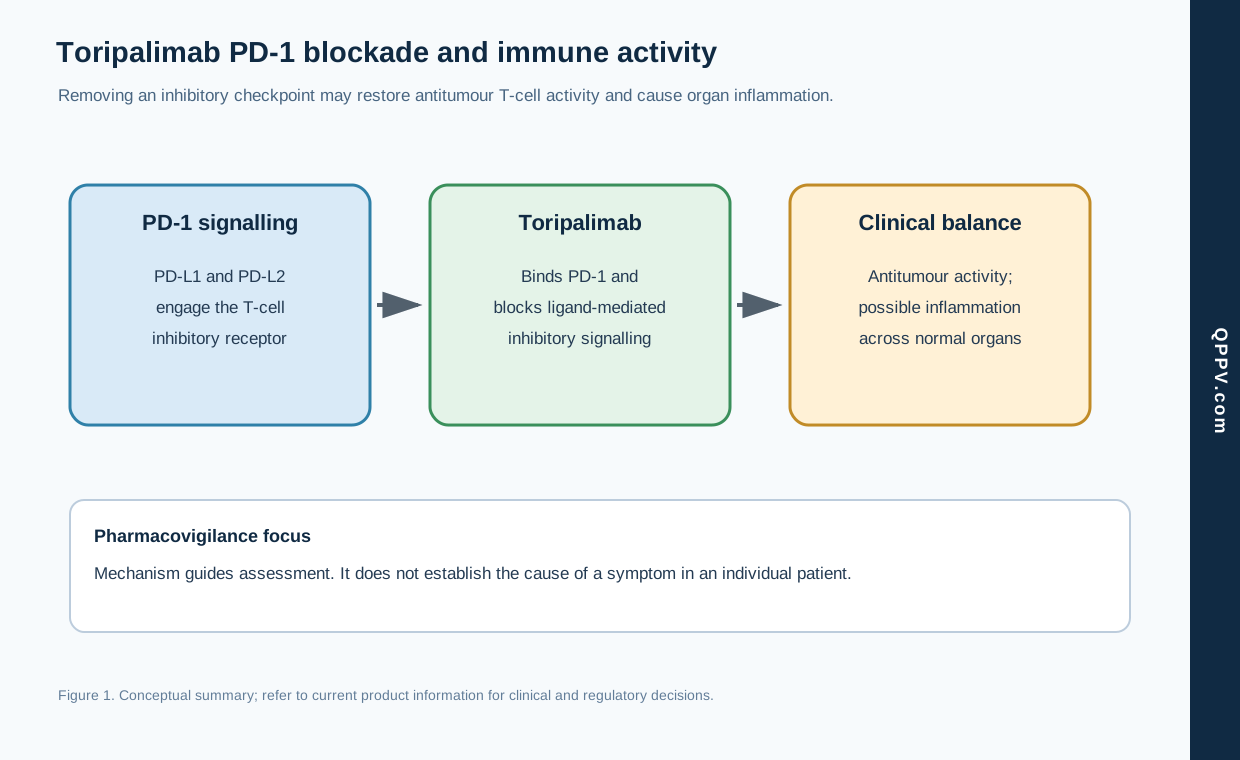
Figure 1. Toripalimab blocks PD-1 signalling that restrains T-cell activity. Pharmacovigilance must track both intended antitumour immune activity and possible inflammation in normal organs.
Classification and Molecular Design
Toripalimab is a humanised immunoglobulin G4 monoclonal antibody directed against PD-1. PD-1 is an inhibitory receptor expressed on activated T cells. Its ligands, PD-L1 and PD-L2, can engage the receptor and reduce T-cell activity. Toripalimab binds PD-1 and prevents this interaction, supporting renewed immune activity against tumour cells.[2]
This mechanism differs from a drug that directly injures tumour cells or blocks a growth receptor. It modifies an immune regulatory pathway, so adverse reactions may occur in organs beyond the tumour site. Immune-mediated inflammation can begin during treatment or after a dose has been withheld or treatment has ended. The time course therefore must be documented without assuming that an event outside an infusion window is unrelated.
Mechanistic plausibility should guide evaluation, not replace it. The clinical record should establish symptom onset, severity, objective findings, treatment interruption, immunosuppressive treatment, recovery and recurrence after any rechallenge. The presence of an alternative cause does not eliminate the need to report a suspected adverse reaction when the applicable reporting criteria are met.
Combination Therapy and Attribution
The common-event profile in combination treatment includes cytopenias, nausea, vomiting, reduced appetite, rash, fatigue, altered liver tests, hypothyroidism, constipation, neuropathy, colitis, fever, cough, pruritus, reduced creatinine clearance and hyponatraemia.[1,2] Several of these findings have multiple plausible explanations. Cytopenia may reflect chemotherapy, marrow involvement, infection or more than one process. Liver enzyme elevation may relate to tumour, infection, concomitant medicines or immune-mediated hepatitis. Diarrhoea may be caused by infection, chemotherapy, tumour or immune-mediated colitis.
Assessment should preserve the treatment timeline and not force a single attribution prematurely. Record toripalimab and each chemotherapy exposure separately, including administration dates, cycle numbers, dose delays and any recent treatment changes. Record baseline organ function and relevant medical history, including autoimmune disease, prior checkpoint inhibition, chronic infection, previous radiation, and corticosteroid or immunosuppressant use.
An event can be associated with the combination even when one component cannot be isolated. If the reporting system permits, list all suspected products and explain the reasoning. If only one product is initially suspected, document why and update the report if subsequent investigations change the assessment.
Recognition of Immune-Mediated Adverse Reactions
The EMA identifies immune-related adverse reactions as an important risk and requires patient information describing symptoms that should prompt medical contact.[1] Clinically relevant patterns may include pneumonitis, colitis, hepatitis, nephritis, thyroid or other endocrine dysfunction, skin reactions, myocarditis and neurologic inflammation. Presentation varies by organ and severity. Fatigue, for example, may precede recognition of endocrine dysfunction, reflect cancer or chemotherapy, or arise from infection.
When a potentially immune-mediated syndrome is suspected, document the affected organ, onset and progression, relevant examination and diagnostic findings, competing causes, treatment given and outcome. Record whether toripalimab was withheld or discontinued and whether symptoms improved with treatment. A steroid response may support the clinical assessment but does not, by itself, establish the drug as the sole cause.
The patient alert card is part of risk communication. Confirm whether the patient received it and whether symptoms were recognised early enough for assessment. For an event occurring after treatment, include the last dose and explain the interval; immune-mediated events can require evaluation even when no infusion is currently scheduled.
Infusion Reactions and Acute Events
An acute reaction during or shortly after administration should be described with exact onset relative to infusion start, interruption or completion. Record observed signs, vital signs, oxygen requirement, treatment, infusion rate changes and resolution. Distinguish an infusion-related reaction from anaphylaxis when the clinical evidence permits, and record the diagnostic term used by the treating clinician. Do not use “allergy” as a substitute for the observed syndrome.
Fever, rigors, rash, dyspnoea or hypotension can arise from an infusion reaction, infection, tumour-related illness or another concurrent medicine. In combination regimens, record which agents were administered that day and their sequence. The infusion record, emergency treatment notes and follow-up examination may clarify an initially incomplete report.
Case Evaluation Framework
A useful toripalimab case can be reconstructed around five connected questions:
- What was treated? Record the authorised tumour type and stage, treatment line, measurable disease status, prior therapies and reason for starting the regimen.
- What was given? Identify toripalimab separately from cisplatin, gemcitabine or paclitaxel; include dose, cycle, infusion duration, date and relevant interruptions.
- What happened and when? Build a timeline from baseline through symptom onset, investigations, treatment changes and outcome, including events after the final dose.
- What evidence supports each explanation? Capture laboratory trends, imaging, pathology, infection work-up, organ-specific assessment, concomitant medicines and tumour progression.
- What action and outcome followed? Record treatment interruption, immune suppression or other management, recovery, sequelae, recurrence and any rechallenge.
These details increase clinical interpretability and support follow-up. Missing information should be identified explicitly rather than replaced with assumptions.
Seriousness, Expectedness and Report Quality
Seriousness is based on regulatory criteria such as death, life-threatening outcome, hospitalisation or its prolongation, significant disability, congenital anomaly or another medically important condition. It is not synonymous with severity. An intense but brief symptom may be non-serious, while a clinically moderate event requiring hospitalisation may be serious.
Expectedness and listedness depend on the applicable reference safety information and reporting framework. A known class effect is not a substitute for checking the current product information. For combination therapy, evaluate the suspected products and the case against their respective reference information. Preserve the verbatim reporter term and add a clinically justified coding concept without discarding useful detail.
Risk Communication and Follow-up
Follow-up should seek information that can change the medical assessment: diagnostic confirmation, relevant laboratory values, specialist findings, treatment and response, resolution or sequelae, and the status of toripalimab and chemotherapy. For potential immune-mediated events, useful details include the organ-specific work-up, infection exclusion, corticosteroid or other immunosuppressant exposure, endocrine replacement when relevant, and whether the event persisted after treatment cessation.
A patient’s lack of an alert card, delayed contact or incomplete understanding can be relevant to risk minimisation. Record these facts neutrally. They provide context for evaluating timeliness and implementation; they do not establish that the event was preventable.
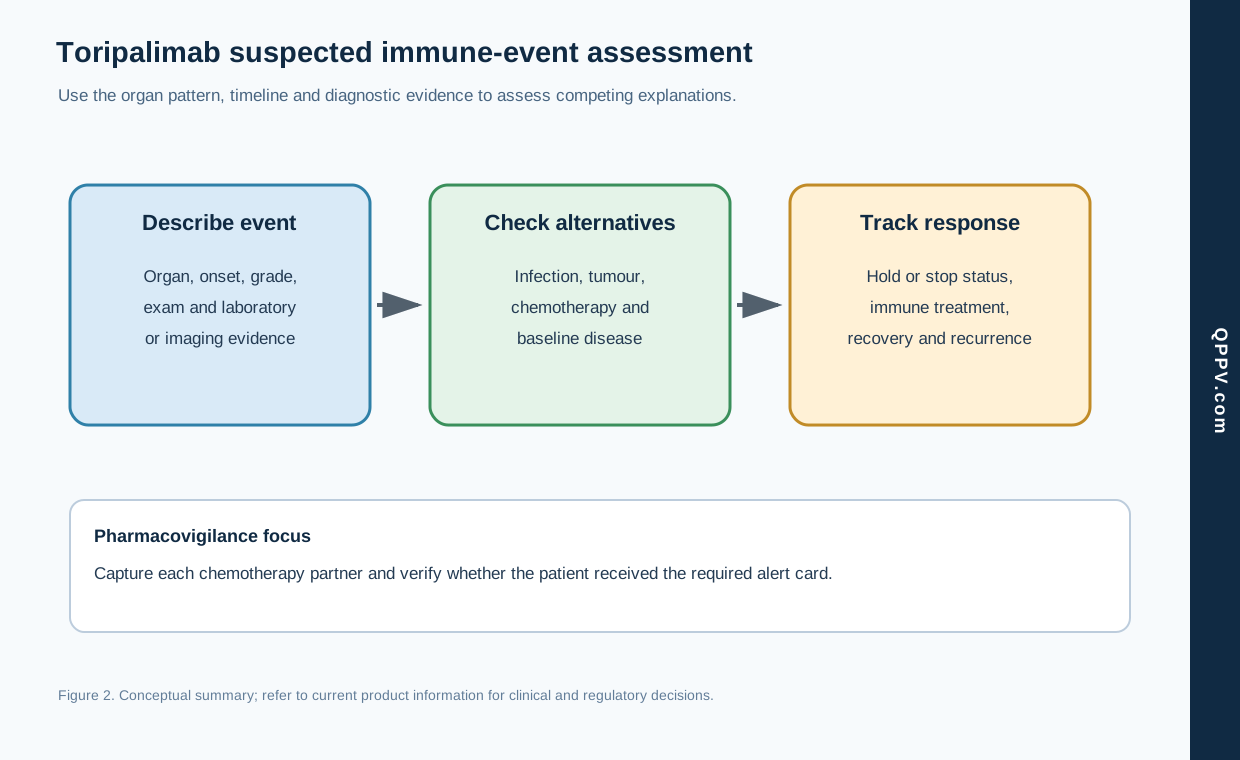
Figure 2. A structured assessment records the organ-specific event, plausible alternative causes and response to treatment while retaining each chemotherapy exposure.
Practical Synthesis
Toripalimab safety assessment combines three layers: PD-1 blockade, chemotherapy exposure and the patient’s cancer and baseline health. Immune-mediated organ inflammation may appear during treatment or later; common chemotherapy-associated events can resemble or coexist with it. A defensible case record therefore retains event-specific evidence, each product’s exposure, the timeline and the clinical team’s reasoning.
Pharmacovigilance should neither attribute every new symptom to checkpoint inhibition nor dismiss plausible immune toxicity because chemotherapy or cancer offers another explanation. Structured information and timely follow-up preserve the ability to assess causality, seriousness, expectedness and potential actions.
References
- European Medicines Agency. Loqtorzi: European Public Assessment Report. EU authorisation and public overview of indication, use, immune-related risks and patient alert card.
- European Medicines Agency. Loqtorzi: product information. Current Summary of Product Characteristics and package leaflet; product information page last updated 4 August 2026.
- European Medicines Agency. Good pharmacovigilance practices, including Module VI on collection, management and submission of suspected adverse reaction reports.
- International Council for Harmonisation. E2C(R2): Periodic Benefit-Risk Evaluation Report. Principles for structured benefit-risk evaluation and safety information.
Regulatory Note
This article is an educational pharmacovigilance resource, not a substitute for the current product information, clinical judgement or applicable reporting requirements. Indications, warnings and risk-minimisation measures may change. Consult the current European Medicines Agency product information and relevant national requirements before making a clinical or regulatory decision.