Trastuzumab: Classification, History, Mechanism of Action, Safety and Pharmacovigilance
- Trastuzumab: Classification, History, Mechanism of Action, Safety and Pharmacovigilance
- Multidimensional classification
- HER2 as a biological and diagnostic target
- Discovery and development history
- Detailed mechanism of action
- From molecular action to clinical response
- Pharmacokinetics and exposure
- Clinical-use and biomarker architecture
- Safety profile
- Pharmacovigilance architecture
- Biosimilars, switching and traceability
- Immunogenicity
- Risk minimisation and effectiveness
- Regulatory and safety evolution
- Event-specific causality assessment
- Inspection and governance perspective
- Practical checklist
- Key takeaways
- References
- Regulatory Note
Trastuzumab changed the meaning of HER2 in cancer. Amplification of the ERBB2 gene and overexpression of its protein product were initially associated with biologically aggressive breast cancer and poor prognosis. A humanised monoclonal antibody directed against HER2 then converted that adverse biological feature into a predictive biomarker and treatment target. Trastuzumab consequently became a landmark in precision oncology and in the co-development of a medicine with a diagnostic selection strategy.
Its apparent description—“an anti-HER2 antibody”—is incomplete. Trastuzumab is simultaneously a recombinant humanised IgG1, a receptor-directed antibody, an inhibitor of oncogenic signalling, an immune-effector-recruiting molecule, a biological medicinal product available in intravenous and product-specific subcutaneous presentations, a reference product for multiple biosimilars and the antibody scaffold incorporated into distinct antibody–drug conjugates. These classifications must not be collapsed because each has different scientific, clinical and pharmacovigilance consequences.
The principal safety problem is similarly multidimensional. Cardiac dysfunction reflects the interaction of HER2 biology in cardiomyocytes, prior or concomitant cardiotoxic therapy, host susceptibility and treatment sequence. Infusion or administration reactions, pulmonary toxicity, embryo-fetal harm and product or route errors require different surveillance windows and controls. Accurate assessment therefore depends on tumour biology, exposure history, cardiac trajectory, pregnancy timing and exact product identity—not merely the word “trastuzumab.”
This article focuses on unconjugated trastuzumab and uses the European reference product Herceptin as the regulatory anchor. Trastuzumab emtansine and trastuzumab deruxtecan are separate medicinal products with cytotoxic payloads, different pharmacology and distinct safety profiles.
Multidimensional classification
| Axis | Trastuzumab classification | Scientific and PV significance |
|---|---|---|
| Molecular format | Monoclonal antibody; immunoglobulin G1 kappa | The IgG1 Fc can engage Fc gamma receptors and immune effector cells |
| Species engineering | Humanised antibody | Murine complementarity-determining regions are embedded in predominantly human immunoglobulin frameworks |
| Target | HER2 receptor, encoded by ERBB2 | Treatment depends on validated evidence of HER2 positivity in the tumour |
| Binding site | Extracellular domain, subdomain IV | Distinguishes trastuzumab from antibodies binding other HER2 epitopes |
| Functional antibody class | Receptor-directed, signal-modulating and immune-effector-recruiting antibody | Direct and Fc-mediated mechanisms can operate together |
| Therapeutic class | HER2-targeted antineoplastic therapy | Benefit is concentrated in biologically selected HER2-positive cancers |
| Conjugation status | Unconjugated (“naked”) antibody | Must be distinguished from trastuzumab-containing antibody–drug conjugates |
| Production | Recombinant, glycosylated protein produced in mammalian CHO cells | Manufacturing process and quality attributes are integral to the product |
| Regulatory category | Biological reference medicinal product; active substance in authorised biosimilars | Brand and batch traceability remain necessary |
| Presentation | Intravenous infusion and product-specific fixed-dose subcutaneous injection | Route, dose calculation, excipients and administration controls differ |
| Pharmacodynamic class | HER2-pathway intervention with antibody-dependent cellular cytotoxicity | Links tumour-cell biology to both efficacy and resistance |
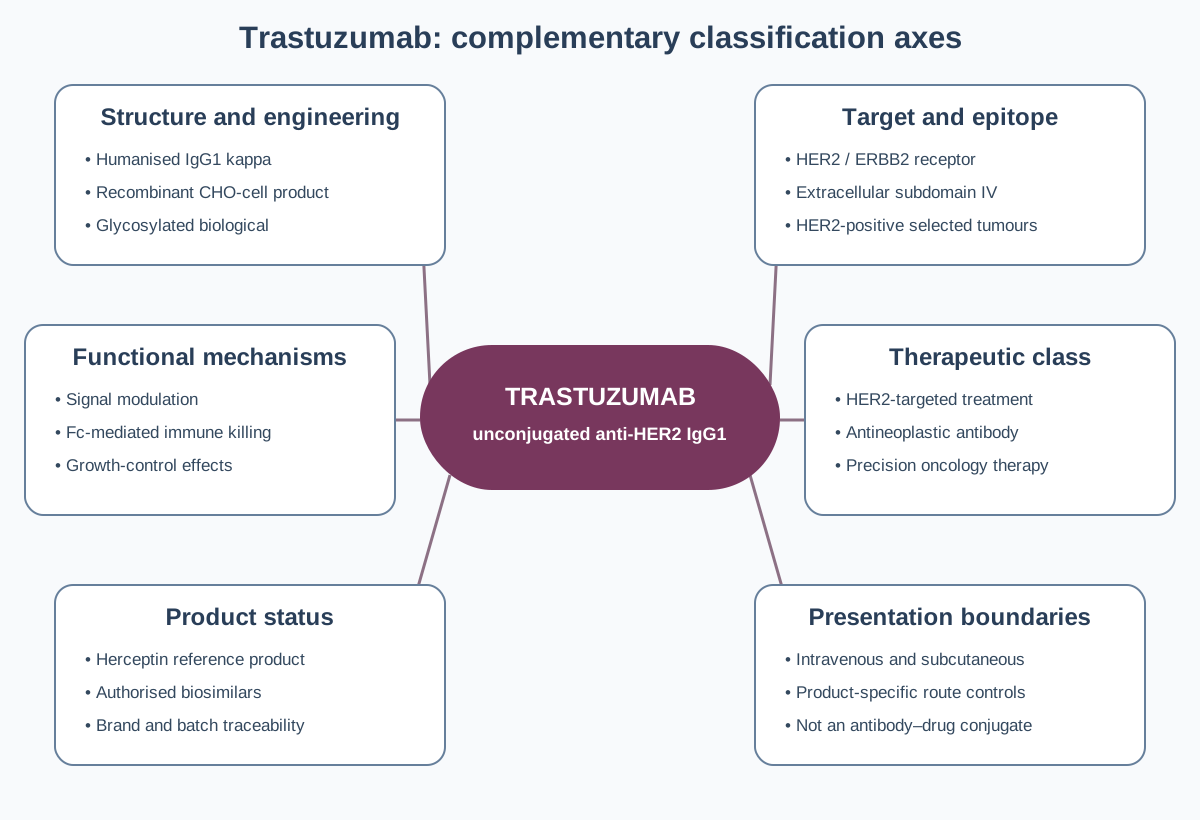
Figure 1. Trastuzumab has complementary molecular, target, functional, therapeutic, product and presentation classifications. “Trastuzumab” as a free antibody must not be confused with an antibody–drug conjugate that uses a trastuzumab-related HER2-binding scaffold.
Structural classification
Trastuzumab is a humanised IgG1 kappa monoclonal antibody. Humanisation retained the antigen-recognising complementarity-determining regions of the precursor murine antibody while replacing most remaining murine sequence with human immunoglobulin sequence. This reduced, but did not eliminate, the potential for anti-drug antibody formation and enabled human Fc-mediated effector functions.
The antibody is glycosylated and produced in Chinese hamster ovary cell culture. Its identity cannot be reduced to primary amino-acid sequence: higher-order structure, glycan distribution, charge variants, aggregation, binding activity and Fc-mediated biological activity are controlled quality attributes. An authorised trastuzumab biosimilar is supported by a stepwise demonstration of high similarity to the reference product and absence of clinically meaningful differences, rather than by the abbreviated chemical-generic paradigm.
Target and epitope classification
HER2 is one of four members of the epidermal growth factor receptor family. Trastuzumab binds subdomain IV of the extracellular portion of HER2, close to the cell membrane. Pertuzumab, by comparison, binds HER2 subdomain II and more directly blocks ligand-dependent dimerisation. The two antibodies are therefore not interchangeable and can have complementary biological effects.
Unconjugated antibody versus antibody–drug conjugate
The name “trastuzumab” also appears within the INNs of antibody–drug conjugates, but these are not formulations of Herceptin. Trastuzumab emtansine couples HER2 recognition to the microtubule inhibitor DM1; trastuzumab deruxtecan couples a HER2-directed antibody to a topoisomerase I inhibitor through a cleavable linker. Payload, linker, drug-to-antibody ratio, intracellular processing and bystander effects create new mechanisms and risks. Cases must be assigned to the actual medicinal product rather than grouped solely because the names share “trastuzumab.”
HER2 as a biological and diagnostic target
HER2 is a receptor tyrosine kinase with an extracellular domain, a single transmembrane segment and an intracellular kinase domain. Unlike other family members, it has no established direct soluble ligand and adopts a conformation favourable for dimerisation. It is a preferred partner for other ERBB receptors. Dimer formation activates intracellular pathways including RAS–RAF–MEK–ERK and PI3K–AKT signalling, promoting proliferation, survival and other malignant phenotypes.
In HER2-amplified tumours, increased gene copy number produces receptor overexpression and dense receptor organisation at the membrane. Signalling can become oncogenic and tumour growth may become dependent on this pathway. This “oncogene addiction” creates therapeutic vulnerability, but not every tumour cell or metastatic site is biologically identical.
HER2 status is therefore a treatment-selection requirement, not a descriptive optional biomarker. Testing must use validated methods and indication-appropriate criteria. Immunohistochemistry assesses protein expression; in-situ hybridisation assesses gene amplification. Pre-analytical handling, fixation, assay performance, scoring, heterogeneity and interpretation can each cause misclassification. A false-positive result exposes a patient to ineffective therapy and avoidable toxicity; a false-negative result may deny a highly effective treatment.
Discovery and development history
Identification of ERBB2 and its prognostic importance
The oncogene later known as HER2/neu or ERBB2 was identified through work on receptor tyrosine kinases in the 1980s. Studies connected amplification of the human gene on chromosome 17 with overexpression of a 185-kDa receptor and with aggressive breast-cancer behaviour. In 1987, Slamon and colleagues reported that HER2/neu amplification was associated with shorter relapse and survival in breast cancer, helping establish HER2 as a clinically meaningful tumour driver.
This history matters because trastuzumab did not begin with indiscriminate screening of an antibody library. It emerged from a causal biological hypothesis: if a subgroup of tumours depends on excessive HER2 activity, a selective extracellular antibody might inhibit that dependency and recruit host immunity.
From murine 4D5 to humanised trastuzumab
Genentech researchers generated murine monoclonal antibodies against the HER2 extracellular domain. Antibody 4D5 inhibited growth of HER2-overexpressing tumour cells in experimental systems. To make repeated clinical administration more feasible, 4D5 was humanised by grafting its antigen-binding regions into human antibody frameworks. The resulting molecule was initially designated recombinant humanised monoclonal antibody 4D5 and became trastuzumab.
Humanisation was a technological bridge: it preserved target recognition while reducing the proportion of non-human sequence and retaining a human IgG1 Fc. The design thereby combined direct receptor-related effects with the capacity to recruit human immune effectors.
Metastatic breast-cancer development
Early clinical studies showed activity in HER2-overexpressing metastatic breast cancer. The pivotal randomised trial reported by Slamon and colleagues compared chemotherapy alone with chemotherapy plus trastuzumab in previously untreated metastatic disease. Adding trastuzumab improved time to disease progression, response and survival, while revealing an important increase in cardiac dysfunction, particularly with concurrent anthracycline and cyclophosphamide.
The United States approved Herceptin in September 1998 for selected HER2-overexpressing metastatic breast cancer. The European Union granted Herceptin a marketing authorisation on 28 August 2000. The development programme demonstrated that a molecularly selected subgroup could obtain substantial benefit from a targeted antibody, while simultaneously establishing cardiac risk as a defining lifecycle issue.
Movement into early breast cancer
The major adjuvant trials reported in 2005 transformed trastuzumab from treatment for advanced disease into a potentially curative component of early HER2-positive breast-cancer therapy. HERA compared trastuzumab after completion of chemotherapy with observation; joint analysis of NSABP B-31 and NCCTG N9831 evaluated trastuzumab with adjuvant chemotherapy. Large reductions in recurrence risk changed standard care.
Moving treatment to early disease changed the benefit–risk framework. A patient treated after surgery may already be free of detectable cancer and may have decades of expected survival. Preventing recurrence must therefore be balanced against acute and long-term cardiac harm, and safety monitoring must protect treatment completion without ignoring clinically meaningful dysfunction.
Gastric and gastro-oesophageal junction cancer
The ToGA trial established benefit from adding trastuzumab to chemotherapy in selected HER2-positive advanced gastric or gastro-oesophageal junction adenocarcinoma. This expansion illustrated that HER2 biology and testing criteria are tumour-context dependent. Gastric cancers can show more heterogeneous and basolateral HER2 staining than breast cancers; applying breast-cancer interpretation mechanically can be misleading.
Subcutaneous formulation
A fixed-dose subcutaneous Herceptin formulation containing recombinant human hyaluronidase was developed to permit dispersion and absorption of the injected volume. The subcutaneous and intravenous presentations differ in strength, dose determination, route and administration procedure. Subcutaneous use eliminates weight-based dose calculation for that presentation but introduces route-specific reaction and selection risks. It is not a shortcut for injecting an intravenous vial subcutaneously.
Biosimilars and the expanding HER2 family
Multiple trastuzumab biosimilars have been authorised in the EU after comparative analytical, functional, nonclinical and clinical evaluation. Their availability broadened access and made brand/batch capture operationally more important.
At the same time, the HER2 treatment family expanded to pertuzumab, small-molecule kinase inhibitors and antibody–drug conjugates. Safety systems must distinguish class effects, HER2-pathway effects, Fc-related effects and payload-specific toxicities. A report mentioning “HER2 therapy” without a precise product and regimen is inadequate.
Detailed mechanism of action
Trastuzumab binds HER2 extracellular subdomain IV with high affinity. Binding initiates several effects that are experimentally and clinically plausible, but their relative importance varies among models, tumours and treatment combinations. No single pathway fully explains all activity.
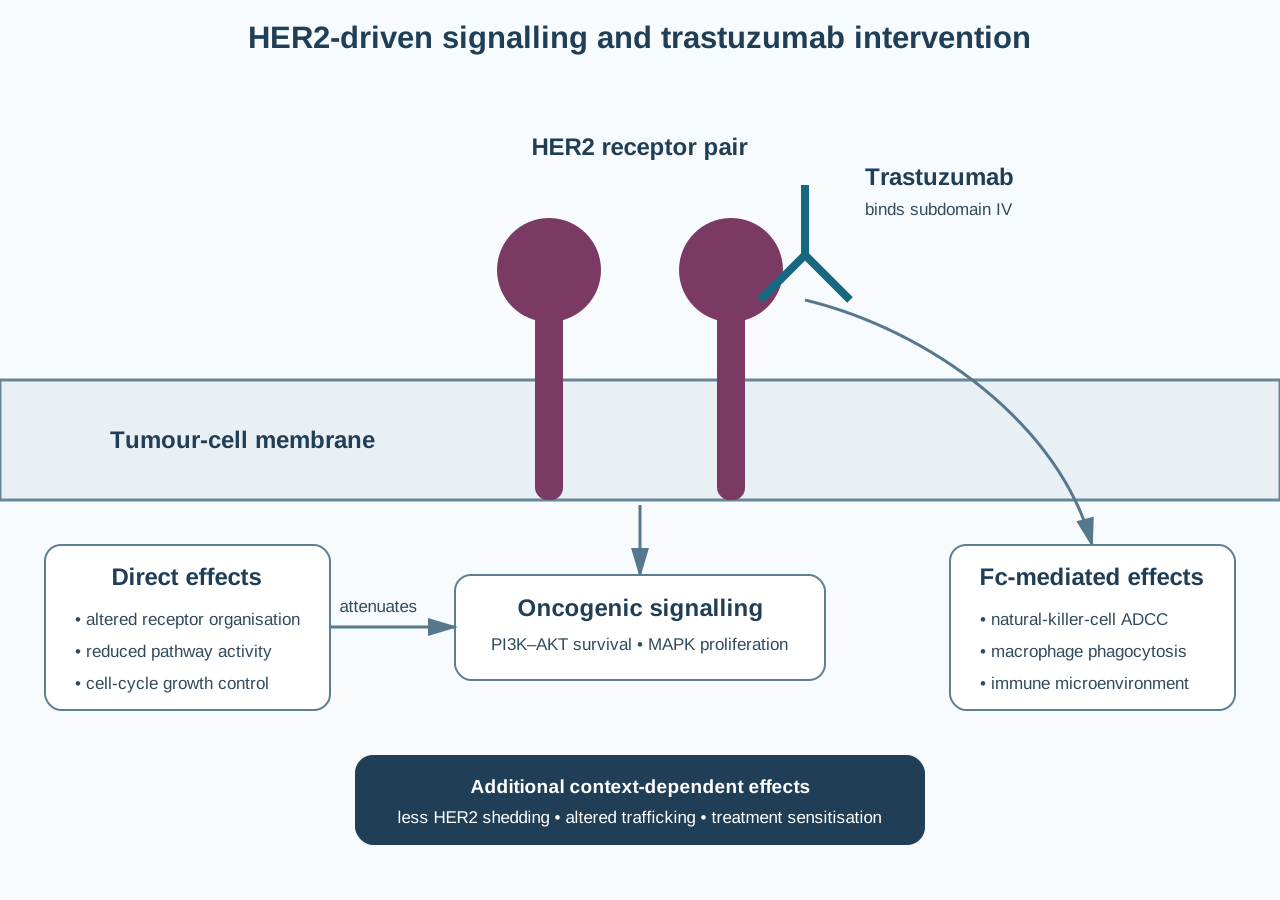
Figure 2. HER2 overexpression supports receptor pairing and downstream MAPK and PI3K–AKT signalling. Trastuzumab binds extracellular subdomain IV and can alter receptor behaviour, limit extracellular-domain shedding, recruit Fc-dependent immune killing and promote growth-control effects. The contribution of each mechanism is context dependent.
Modulation of HER2 signalling
HER2 overexpression increases the probability of receptor homodimerisation and heterodimerisation with other ERBB family members. Trastuzumab binding can modify receptor organisation and attenuate downstream proliferative and survival signalling. Effects reported in experimental systems include reduced PI3K–AKT and MAPK pathway activity, increased cell-cycle inhibitor p27, and G1 arrest.
It is an oversimplification to state that trastuzumab “blocks the HER2 ligand.” HER2 has no established cognate ligand, and trastuzumab does not occupy the dimerisation arm used by pertuzumab. Its signalling effects are indirect and depend on receptor abundance, partner receptors, ligand environment and intracellular pathway integrity.
Inhibition of extracellular-domain shedding
Proteolytic cleavage can release the HER2 extracellular domain and leave a membrane-associated truncated receptor commonly described as p95HER2, which retains kinase activity but lacks the trastuzumab epitope. Trastuzumab has been reported to inhibit HER2 extracellular-domain cleavage in some models. This could reduce formation of constitutively active truncated receptor, although the quantitative importance of this mechanism in individual patients is uncertain.
Antibody-dependent cellular cytotoxicity
The Fc region of tumour-bound trastuzumab engages Fc gamma receptors on natural killer cells and other immune effectors. This can trigger antibody-dependent cellular cytotoxicity through immune synapse formation, degranulation and target-cell killing. Fc-receptor genotype, immune-cell abundance, prior treatment, tumour microenvironment and antibody density can influence this pathway.
Fc-mediated activity is supported by preclinical and translational evidence and is clinically relevant, but cannot be measured by HER2 staining alone. A HER2-positive tumour may still have an immune microenvironment that limits effector recruitment or function.
Antibody-dependent phagocytosis and adaptive immunity
Macrophages can recognise and engulf antibody-coated tumour cells. Antibody-mediated killing may also release tumour antigens and shape adaptive immune responses. These effects are biologically plausible components of response, yet their contribution relative to direct growth inhibition and cytotoxic co-therapy remains difficult to quantify clinically.
Receptor trafficking, degradation and membrane effects
Trastuzumab can alter HER2 internalisation, recycling and degradation, although HER2 is not uniformly downregulated after antibody binding and findings vary by experimental model. Changes in membrane organisation and receptor cross-talk may be as important as simple receptor removal.
Anti-angiogenic and DNA-repair effects
Reductions in pro-angiogenic mediators and changes in tumour vasculature have been described in experimental models. Trastuzumab may also interact with cellular responses to DNA damage and enhance effects of chemotherapy. These are secondary or context-dependent mechanisms; they should not be presented as universal direct actions established equally in every indication.
From molecular action to clinical response
HER2 positivity is necessary for the intended mechanism but is not sufficient to guarantee response. Primary resistance can arise from pathway alterations downstream of HER2, alternative receptor signalling, inadequate immune effector activity, steric obstruction of the epitope, tumour heterogeneity or a biomarker result that does not represent the treated disease.
Acquired resistance can involve reduced HER2 expression, emergence of p95HER2, activating alterations in the PI3K pathway, loss of PTEN function, increased signalling through other receptors, altered immune interactions and clonal evolution under treatment pressure. These proposed mechanisms differ in evidentiary strength and may coexist. Clinical progression does not by itself identify which mechanism operated.
HER2 expression can differ between the primary tumour and metastases or change over time. Reassessment may be clinically relevant when new tissue is available, but sampling limitations remain. A single biopsy is a spatial and temporal sample, not a perfect map of every lesion.
Pharmacokinetics and exposure
Trastuzumab displays nonlinear pharmacokinetics, with target-mediated clearance contributing at lower concentrations and linear clearance becoming more prominent across therapeutic exposure. Body weight, disease burden, serum albumin, tumour type and other factors can influence exposure. The long terminal elimination phase means that biological exposure persists after dosing stops.
Intravenous regimens use a loading dose followed by maintenance doses on product-specified schedules. The Herceptin subcutaneous presentation uses a fixed dose and has an absorption phase. These routes cannot be interchanged by simple volume conversion.
The long persistence of trastuzumab is crucial to safety interpretation. Cardiac changes, pregnancy exposure and interactions with subsequent anthracycline therapy may remain relevant after the last administration. “Discontinued” does not mean “no longer exposed.”
Clinical-use and biomarker architecture
Current EU-authorised Herceptin uses include defined HER2-positive early and metastatic breast-cancer settings and HER2-positive metastatic gastric or gastro-oesophageal junction adenocarcinoma. Exact combinations, sequencing, route eligibility and testing requirements are specified in the current product information.
| Element | Why it matters |
|---|---|
| Tumour type and stage | Evidence, regimen and expected benefit differ between early breast, metastatic breast and metastatic gastric disease |
| HER2 test method and result | Confirms the biological selection criterion and supports correct interpretation |
| Specimen and date | HER2 status may be heterogeneous or may change across disease evolution |
| Regimen | Anthracyclines, taxanes, pertuzumab, endocrine treatment and other agents alter efficacy and safety context |
| Route/presentation | Determines dose method, preparation, administration reactions and error controls |
| Prior HER2 therapy | Influences resistance, cumulative cardiac exposure and causal assessment |
Safety profile
Cardiac dysfunction
Trastuzumab can cause asymptomatic reduction in left-ventricular ejection fraction, symptomatic heart failure and, rarely, severe or fatal cardiac outcomes. Risk is increased by prior or concomitant anthracycline exposure, pre-existing cardiovascular disease, older age and other patient or treatment factors. The highest-risk historical experience occurred with concurrent anthracycline-containing regimens.
HER2 signalling participates in cardiomyocyte survival and stress adaptation, particularly through neuregulin–ERBB interactions. Blocking HER2 may reduce the heart’s capacity to respond to injury. Anthracyclines can produce oxidative, mitochondrial and topoisomerase-IIβ-related cardiomyocyte injury; trastuzumab can then remove a compensatory survival pathway. This provides a biological explanation for sequence and combination effects.
Trastuzumab-associated dysfunction is often described as “type II” cardiotoxicity, contrasted with anthracycline “type I” injury and characterised as non-dose-dependent and reversible. That framework is educational but imperfect. Some patients have persistent dysfunction, structural injury can occur, and cumulative exposure and host context still matter. Pharmacovigilance should record observed phenotype and trajectory rather than assume reversibility from drug class.
Baseline assessment and serial cardiac monitoring are specified in product information. Meaningful case assessment requires the method used, actual serial ejection-fraction values, symptoms, biomarkers where available, cardiac imaging, cardiovascular history, anthracycline identity and cumulative dose, radiation field, other cardiotoxic therapy, treatment interruption, cardiac treatment and recovery.
Infusion and administration-related reactions
Intravenous trastuzumab can cause fever, chills, dyspnoea, hypotension, wheeze, rash and other infusion-related symptoms, commonly during or after early administrations. Severe reactions can include anaphylaxis, bronchospasm, hypoxia and pulmonary complications. Subcutaneous administration can cause local injection-site reactions and systemic administration-related events.
Timing, route, dose number, infusion duration, intervention and response to interruption distinguish an infusion reaction from infection, pulmonary toxicity, cardiac failure, disease progression or hypersensitivity. Serious delayed deterioration after an apparently mild initial reaction is an important safety concern.
Pulmonary toxicity
Serious pulmonary events reported with trastuzumab include interstitial lung disease, pneumonitis, pulmonary infiltrates, acute respiratory distress syndrome, pleural effusion, pulmonary oedema and respiratory insufficiency. Some events occur as part of an infusion reaction; others have a different latency and inflammatory phenotype.
Risk assessment must consider lung metastases, prior thoracic radiation, taxanes and other pneumotoxic medicines, infection, neutropenia, pulmonary embolism and pre-existing lung disease. Reports need imaging pattern, oxygen requirement, infectious investigations, bronchoscopy or pathology when performed, co-therapy and response to treatment withdrawal or corticosteroids.
Embryo-fetal and neonatal risk
Exposure during pregnancy has been associated with oligohydramnios, sometimes accompanied by fetal pulmonary hypoplasia, skeletal abnormalities, renal insufficiency and neonatal death. HER2/ERBB signalling has physiological roles in development, and placental transfer of IgG increases later in pregnancy. The long elimination period makes conception after treatment a relevant exposure scenario.
Pregnancy prevention and post-treatment contraception instructions must follow current product information. A pregnancy report should capture last menstrual period, estimated conception, every dose and gestational timing, maternal cancer and co-treatment, serial amniotic-fluid findings, fetal renal and growth assessments, pregnancy outcome, neonatal status and follow-up.
Haematological, infectious and other risks
Anaemia, neutropenia, febrile neutropenia, thrombocytopenia and infection commonly arise in treatment regimens that include cytotoxic chemotherapy. Comparative and temporal assessment is necessary before attributing them to trastuzumab alone. Diarrhoea, nausea, rash, fatigue, pain and neurological symptoms are also reported, with frequency and context varying by regimen and disease.
Pharmacovigilance architecture
Trastuzumab pharmacovigilance must connect five records that are often stored separately: diagnostic evidence, medicinal-product exposure, cancer regimen, cardiac trajectory and reproductive status.
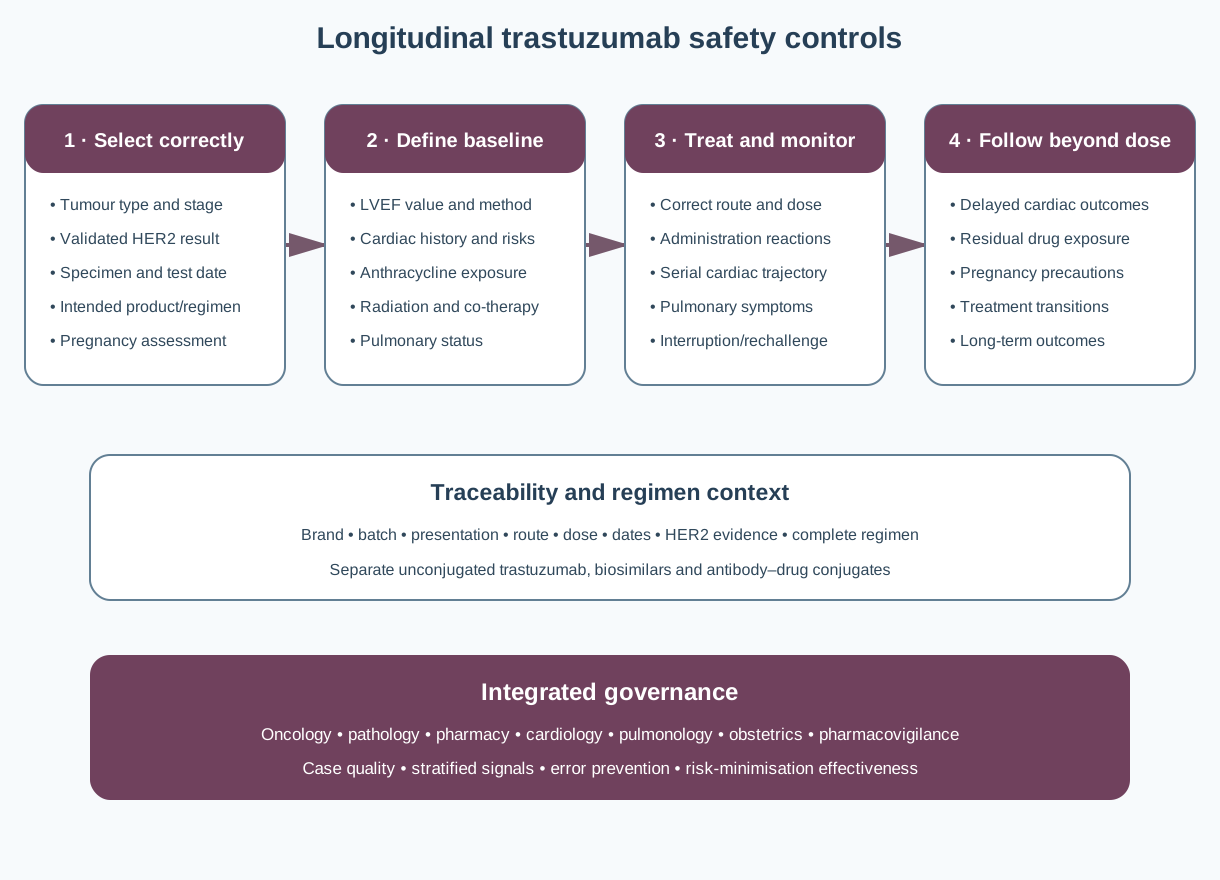
Figure 3. The trastuzumab safety model begins with validated HER2 selection and baseline cardiac assessment, continues through product- and route-specific administration, and extends beyond the final dose because cardiac and pregnancy-relevant exposure persists. Traceability and regimen context support every stage.
Minimum high-value case information
| Domain | Essential information |
|---|---|
| Product | Brand, active substance, presentation, route, strength, batch and country |
| Tumour | Primary site, stage, HER2 method/result, specimen date and metastatic status |
| Exposure | Loading/maintenance dose, dates, cycle, infusion duration or injection, interruptions and switches |
| Regimen | All antineoplastic agents, sequence, anthracycline cumulative dose, radiation and prior HER2 therapies |
| Cardiac baseline | LVEF value/method, symptoms, cardiac history, blood pressure and relevant risk factors |
| Event | Onset, phenotype, severity, diagnostic results, management, outcome, dechallenge and rechallenge |
| Pregnancy | Conception and gestational timing, contraception, fetal surveillance, outcome and infant follow-up |
Cardiac safety as a trajectory
A single post-treatment ejection fraction does not establish the phenotype. Assessment requires at least a baseline and follow-up value obtained by identified methods, plus symptoms and timing. Apparent change can reflect inter-test variability, loading conditions or a different imaging modality. Conversely, an ejection fraction above a numerical threshold does not exclude clinically important symptoms or myocardial injury.
Aggregate cardiac analyses should stratify by early versus metastatic disease, anthracycline exposure and sequence, regimen, age and baseline cardiac risk. Pooling all settings can conceal a clinically meaningful interaction. Time to onset, recovery, cardiac medication, reinitiation and recurrence after rechallenge are central to benefit–risk evaluation.
Biomarker errors as safety events
An erroneous HER2 result can lead to inappropriate exposure or loss of therapeutic opportunity. Sources include inadequate fixation, assay failure, scoring error, transcription, specimen mismatch and application of criteria from the wrong tumour type. These events may sit across diagnostic-device vigilance, laboratory quality, medication error and pharmacovigilance systems and require defined interfaces.
Product confusion and route errors
Potential errors include:
- confusing intravenous and subcutaneous Herceptin presentations;
- calculating a weight-based subcutaneous dose or using a fixed intravenous dose;
- administering the intravenous formulation by the subcutaneous route;
- selecting a trastuzumab-containing antibody–drug conjugate instead of unconjugated trastuzumab;
- recording only “trastuzumab” after a biosimilar switch;
- omitting a loading dose after a clinically relevant interruption;
- using an unverified HER2 result or result from the wrong specimen.
The clinical consequence and whether the product reached the patient must be documented. System factors—electronic ordering, storage, naming, pharmacy verification and administration workflow—are often more informative than individual blame.
Biosimilars, switching and traceability
Authorised trastuzumab biosimilars are expected to have no clinically meaningful differences from the reference product in approved use. Pharmacovigilance nonetheless operates at the product level. Brand and batch support investigation of quality defects, immunogenicity, administration problems and apparent clusters.
Amgen's Kanjinti provides a specific cross-jurisdictional example. It was authorised in the EU as a biosimilar to Herceptin and is licensed in the United States as trastuzumab-anns. Case processing should preserve the jurisdiction-specific product name, US suffix where reported, presentation, batch, route and treatment regimen. Kanjinti is an intravenous trastuzumab product; it should not be conflated with trastuzumab–hyaluronidase subcutaneous products or with HER2-directed antibody–drug conjugates merely because the active-antibody lineage or target is related.
Spontaneous-report comparisons among brands are highly vulnerable to market share, stimulated reporting, notoriety, indication mix and incomplete product identification. A higher count is not an incidence rate. Switching can also create attribution uncertainty when an event has delayed onset or when the reporter lists only the most recent brand.
Case follow-up should reconstruct the exposure sequence rather than force attribution prematurely. Signal analyses should use exposure data where available and examine whether differences persist after accounting for reporting artefacts and population characteristics.
Immunogenicity
Anti-trastuzumab antibodies occur infrequently in clinical development, and observed rates depend on assay design, sampling, drug interference and definition. A detected antibody may have no clinical effect or may be associated with altered pharmacokinetics, loss of efficacy or hypersensitivity. Comparisons across products or studies are invalid without understanding the assays and populations.
An informative immunogenicity case combines antibody timing and titre with product/batch, exposure history, trough concentrations where measured, HER2 status, tumour response and reaction phenotype. Loss of efficacy alone is nonspecific because tumour evolution and pathway resistance are common.
Risk minimisation and effectiveness
Before treatment
Controls include confirmation of an authorised clinical setting, validated HER2 positivity, baseline cardiac assessment, review of prior anthracycline and radiation exposure, pregnancy assessment and counselling where applicable, and verification of the intended product and route.
During treatment
Serial cardiac assessments must follow the current product information and clinical context. Administration staff need protocols for observation and management of infusion or injection reactions. Symptoms suggestive of heart failure or pulmonary toxicity require prompt evaluation rather than waiting for the next scheduled assessment.
After treatment
The surveillance horizon extends beyond the last dose. Cardiac dysfunction can be detected later, and long trastuzumab persistence informs contraception and pregnancy management. Records must carry forward cumulative anthracycline and HER2-treatment exposure if care transfers between centres.
Effectiveness measures can include completion of HER2 verification, baseline and scheduled cardiac assessments, correct route/product selection, capture of actual LVEF values, adherence to interruption criteria, pregnancy counselling documentation, and brand/batch completeness. These process indicators should be linked to clinical outcomes and reviewed for systematic failure.
Regulatory and safety evolution
Trastuzumab’s lifecycle shows how efficacy expansion and safety learning proceed together:
- metastatic development established HER2-selected benefit and identified serious cardiac risk, particularly with anthracyclines;
- early-breast-cancer trials produced major recurrence reduction and made long-term cardiac protection central;
- gastric-cancer authorisation required tumour-specific HER2 testing and regimen interpretation;
- subcutaneous formulation introduced fixed dosing, hyaluronidase exposure and route-specific error controls;
- biosimilars increased access while strengthening the need for product traceability;
- the broader HER2 portfolio created name and mechanism confusion between unconjugated antibody, dual-antibody regimens and antibody–drug conjugates.
This is not merely a chronology of indication additions. Each step changed the exposed population, acceptable risk, diagnostic pathway, co-therapy and evidence required from pharmacovigilance.
Event-specific causality assessment
Cardiac dysfunction
Establish baseline function, serial measurements and symptoms. Reconstruct anthracycline cumulative dose and timing, radiation exposure and other cardiotoxic agents. Evaluate ischaemia, arrhythmia, valvular disease, hypertension, infection and cancer-related causes. Document interruption, heart-failure treatment, recovery and any rechallenge. The question is often contributory interaction rather than whether trastuzumab was the sole cause.
Pulmonary event
Separate an immediate administration reaction from delayed interstitial disease. Record oxygenation, imaging, microbiology, pulmonary embolism assessment, radiation field, neutropenia and pneumotoxic co-medication. Improvement after withdrawal supports but does not prove causality; corticosteroid response is also nonspecific.
Pregnancy exposure
Use dose dates and gestational age, not trimester alone. Capture the period between last dose and conception, because residual exposure may remain. Serial amniotic-fluid and fetal renal findings are especially valuable. Co-administered cytotoxic, endocrine or targeted therapies must be documented independently.
Lack of efficacy or progression
Confirm product, dose, adherence, HER2 evidence and specimen timing. Consider tumour heterogeneity, new biopsy results, anti-drug antibodies where tested and resistance pathways. Progression is expected in advanced cancer and should not automatically be treated as a product-quality defect, but unusual clusters merit investigation.
Medication error
Distinguish intercepted error, administration without harm and adverse reaction. Document intended versus actual product, route, dose and regimen, how the error occurred, clinical observation and corrective system action. Shared-name confusion with trastuzumab-containing conjugates deserves specific coding and analysis.
Inspection and governance perspective
An effective system should demonstrate:
- current product-specific reference safety information and controlled label implementation;
- linkage of HER2 diagnostic evidence to treatment exposure;
- retention of brand, batch, route and formulation in individual cases;
- cumulative anthracycline and cardiac-risk context in cardiac cases;
- longitudinal LVEF data rather than narrative-only “cardiotoxicity”;
- follow-up strategies tailored to cardiac, pulmonary, infusion and pregnancy events;
- explicit differentiation of Herceptin, biosimilar trastuzumab and trastuzumab-containing antibody–drug conjugates;
- stratified aggregate analyses by disease stage, regimen and cardiac exposure;
- evaluation of medication-error mechanisms across ordering, dispensing and administration;
- traceability from signals and aggregate evidence to risk-management and product-information decisions.
Common failures include accepting “Herceptin” as synonymous with every trastuzumab product; omitting the HER2 test; failing to reconstruct anthracycline exposure; comparing LVEF values obtained by different methods without qualification; coding dyspnoea without distinguishing cardiac, pulmonary, infectious and infusion causes; and ending pregnancy follow-up at delivery without neonatal assessment.
Practical checklist
Selection and exposure
- Confirm the exact cancer setting and validated HER2 result.
- Record specimen, method, score/amplification result and test date.
- Capture brand, batch, formulation, route, dose and schedule.
- Distinguish unconjugated trastuzumab from every HER2-directed conjugate.
Cardiac risk
- Preserve the baseline LVEF value and measurement method.
- Reconstruct anthracycline cumulative dose and treatment sequence.
- Record cardiovascular history, radiation and other cardiotoxic therapy.
- Trend symptoms and actual measurements through interruption, recovery and rechallenge.
Administration and pulmonary risk
- Verify route-specific preparation and dose.
- Capture infusion/injection timing and reaction management.
- Investigate dyspnoea across cardiac, pulmonary, infectious and thromboembolic causes.
- Record imaging, oxygenation and relevant co-treatment.
Pregnancy
- Document counselling and contraception according to current product information.
- Record exposure by date and gestational age.
- Follow amniotic fluid, fetal kidneys/growth, outcome and neonatal course.
- Include other antineoplastic exposures and maternal disease status.
Product-level PV
- Maintain brand and batch through switches.
- Analyse spontaneous-report differences with exposure and reporting biases in mind.
- Connect diagnostic, pharmacy, oncology, cardiology and obstetric records.
- Evaluate whether risk controls work, not merely whether they were distributed.
Key takeaways
Trastuzumab is a humanised, glycosylated IgG1 kappa monoclonal antibody directed against HER2 extracellular subdomain IV. It is an unconjugated receptor-directed antibody and must not be confused with trastuzumab-containing antibody–drug conjugates.
Its development converted HER2 amplification and overexpression from a poor-prognosis marker into a predictive biomarker. Correct HER2 testing is part of the medicine’s safety and effectiveness system.
Mechanism is plural. Trastuzumab modifies HER2 organisation and signalling, can inhibit extracellular-domain shedding, recruits Fc-dependent immune killing and produces growth-control effects. Relative contributions vary by tumour and regimen.
Cardiac dysfunction is the defining product-specific safety issue. Assessment requires a longitudinal cardiac trajectory and full anthracycline, radiation and regimen context. The traditional assumption that trastuzumab cardiac dysfunction is always reversible is unsafe.
Pulmonary toxicity, serious administration reactions and embryo-fetal harm require distinct follow-up. Because the antibody persists after dosing, surveillance and pregnancy precautions extend beyond the final administration.
Formulations, biosimilars and the expanding HER2 product family make exact product, route and batch identification indispensable. A robust PV system connects biomarker, medicine, regimen, cardiac and pregnancy data across time.
References
- European Medicines Agency. Herceptin: EPAR. Product information, assessment history and regulatory documents.
- European Medicines Agency. Herceptin: EPAR product information. Current revision accessed September 2026.
- Slamon DJ, Clark GM, Wong SG, Levin WJ, Ullrich A, McGuire WL. Human breast cancer: correlation of relapse and survival with amplification of the HER-2/neu oncogene. Science. 1987;235(4785):177–182. doi:10.1126/science.3798106.
- Hudziak RM, Lewis GD, Winget M, Fendly BM, Shepard HM, Ullrich A. p185HER2 monoclonal antibody has antiproliferative effects in vitro and sensitizes human breast tumor cells to tumor necrosis factor. Mol Cell Biol. 1989;9(3):1165–1172. doi:10.1128/MCB.9.3.1165.
- Carter P, Presta L, Gorman CM, et al. Humanization of an anti-p185HER2 antibody for human cancer therapy. Proc Natl Acad Sci USA. 1992;89(10):4285–4289. doi:10.1073/pnas.89.10.4285.
- Baselga J, Tripathy D, Mendelsohn J, et al. Phase II study of weekly intravenous recombinant humanized anti-p185HER2 monoclonal antibody in patients with HER2/neu-overexpressing metastatic breast cancer. J Clin Oncol. 1996;14(3):737–744. doi:10.1200/JCO.1996.14.3.737.
- Slamon DJ, Leyland-Jones B, Shak S, et al. Use of chemotherapy plus a monoclonal antibody against HER2 for metastatic breast cancer that overexpresses HER2. N Engl J Med. 2001;344(11):783–792. doi:10.1056/NEJM200103153441101.
- Piccart-Gebhart MJ, Procter M, Leyland-Jones B, et al. Trastuzumab after adjuvant chemotherapy in HER2-positive breast cancer. N Engl J Med. 2005;353(16):1659–1672. doi:10.1056/NEJMoa052306.
- Romond EH, Perez EA, Bryant J, et al. Trastuzumab plus adjuvant chemotherapy for operable HER2-positive breast cancer. N Engl J Med. 2005;353(16):1673–1684. doi:10.1056/NEJMoa052122.
- Bang YJ, Van Cutsem E, Feyereislova A, et al. Trastuzumab in combination with chemotherapy versus chemotherapy alone for treatment of HER2-positive advanced gastric or gastro-oesophageal junction cancer (ToGA). Lancet. 2010;376(9742):687–697. doi:10.1016/S0140-6736(10)61121-X.
- Moasser MM. The oncogene HER2: its signaling and transforming functions and its role in human cancer pathogenesis. Oncogene. 2007;26:6469–6487. doi:10.1038/sj.onc.1210477.
- Hudis CA. Trastuzumab—mechanism of action and use in clinical practice. N Engl J Med. 2007;357:39–51. doi:10.1056/NEJMra043186.
- Junttila TT, Akita RW, Parsons K, et al. Ligand-independent HER2/HER3/PI3K complex is disrupted by trastuzumab and is effectively inhibited by the PI3K inhibitor GDC-0941. Cancer Cell. 2009;15(5):429–440. doi:10.1016/j.ccr.2009.03.020.
- Gennari R, Menard S, Fagnoni F, et al. Pilot study of the mechanism of action of preoperative trastuzumab in patients with primary operable breast tumors overexpressing HER2. Clin Cancer Res. 2004;10(17):5650–5655. doi:10.1158/1078-0432.CCR-04-0225.
- Suter TM, Procter M, van Veldhuisen DJ, et al. Trastuzumab-associated cardiac adverse effects in the Herceptin adjuvant trial. J Clin Oncol. 2007;25(25):3859–3865. doi:10.1200/JCO.2006.09.1611.
- Ewer MS, Lippman SM. Type II chemotherapy-related cardiac dysfunction: time to recognize a new entity. J Clin Oncol. 2005;23(13):2900–2902. doi:10.1200/JCO.2005.05.827.
- Lenneman CG, Sawyer DB. Cardio-oncology: an update on cardiotoxicity of cancer-related treatment. Circ Res. 2016;118(6):1008–1020. doi:10.1161/CIRCRESAHA.115.303633.
- Wolff AC, Hammond MEH, Allison KH, et al. Human epidermal growth factor receptor 2 testing in breast cancer: ASCO/CAP clinical practice guideline focused update. J Clin Oncol. 2018;36(20):2105–2122. doi:10.1200/JCO.2018.77.8738.
- European Medicines Agency. Guideline on similar biological medicinal products. CHMP/437/04 Rev 1.
-
European Medicines Agency. Guideline on similar biological medicinal products containing biotechnology-derived proteins as active substance: non-clinical and clinical issues. EMEA/CHMP/BMWP/42832/2005 Rev 1.
-
European Medicines Agency. Kanjinti: EPAR and product information. EU marketing authorisation issued 16 May 2018; product information updated 8 May 2026. https://www.ema.europa.eu/en/medicines/human/EPAR/kanjinti. Accessed 4 September 2026.
- U.S. Food and Drug Administration. Purple Book: Kanjinti (trastuzumab-anns), BLA 761073. Original approval 13 June 2019. https://purplebooksearch.fda.gov/index.cfm?blaNo=761073&event=productdetails. Accessed 4 September 2026.
Regulatory Note
This article is an educational scientific and pharmacovigilance review, not prescribing or diagnostic advice. Authorised indications, HER2-testing requirements, regimens, formulations, contraindications, cardiac-monitoring schedules, interruption criteria, pregnancy precautions and regulatory status vary by product and jurisdiction and may change. Consult the current product-specific Summary of Product Characteristics, package leaflet, EPAR and applicable diagnostic guidance. Trastuzumab emtansine, trastuzumab deruxtecan and other HER2-directed products are separate medicinal products and must be evaluated under their own product information and risk profile.