Tremelimumab: Classification, History, Mechanism of Action, Safety and Pharmacovigilance
Tremelimumab is a fully human IgG2 monoclonal antibody against cytotoxic T-lymphocyte-associated antigen 4 (CTLA-4). It belongs to the immune-checkpoint inhibitor class, but its biological role differs from PD-1 or PD-L1 blockade. CTLA-4 acts prominently during the early stages of T-cell activation, when antigen-presenting cells and T cells interact in lymphoid tissues. Blocking CTLA-4 can therefore broaden and intensify the pool of activated antitumour T cells before those cells enter the tumour microenvironment.
Current European use is not routine tremelimumab monotherapy. It is authorised in combination with durvalumab, with platinum-based chemotherapy added in metastatic non-small-cell lung cancer. This makes regimen-level pharmacovigilance essential: the molecule has a distinct mechanism, but clinical toxicity is experienced as part of a combined checkpoint or chemo-immunotherapy programme.
- Tremelimumab: Classification, History, Mechanism of Action, Safety and Pharmacovigilance
- Multidimensional classification
- CTLA-4 and T-cell priming
- Mechanism of action
- Development and regulatory history
- The STRIDE concept in hepatocellular carcinoma
- Combination biology and attribution
- Clinical safety framework
- NSCLC combination-regimen complexity
- Timing and delayed immune toxicity
- Infusion-related reactions
- Special situations
- Product traceability
- Pharmacovigilance case assessment
- Signal detection and aggregate review
- Benefit-risk evaluation
- Risk management and operational controls
- Potential failure modes
- Inspection and governance perspective
- Practical checklist
- Key Takeaways
- References
- Regulatory Note
Multidimensional classification
| Classification axis | Tremelimumab classification | Scientific or PV significance |
|---|---|---|
| Molecular format | Fully human IgG2 monoclonal antibody | Long-lived systemic checkpoint therapy with limited Fc-effector emphasis |
| Target | CTLA-4 | Removes an inhibitory signal during T-cell priming and activation |
| Functional class | Immune-checkpoint inhibitor | Can expand immune activation beyond tumour-specific responses |
| Current EU use | Combination with durvalumab in advanced/unresectable HCC; with durvalumab and platinum chemotherapy in metastatic NSCLC | Safety interpretation is inherently regimen based |
| Route | Intravenous infusion | Acute infusion reactions remain possible but delayed immune toxicity dominates PV |
| Exposure pattern | Limited tremelimumab dosing within longer durvalumab-containing regimens | Immune effects can outlast direct exposure |
| Major PV domain | Immune-mediated adverse reactions | Colitis, hepatitis, endocrinopathies, skin and other inflammatory syndromes require organ-specific review |
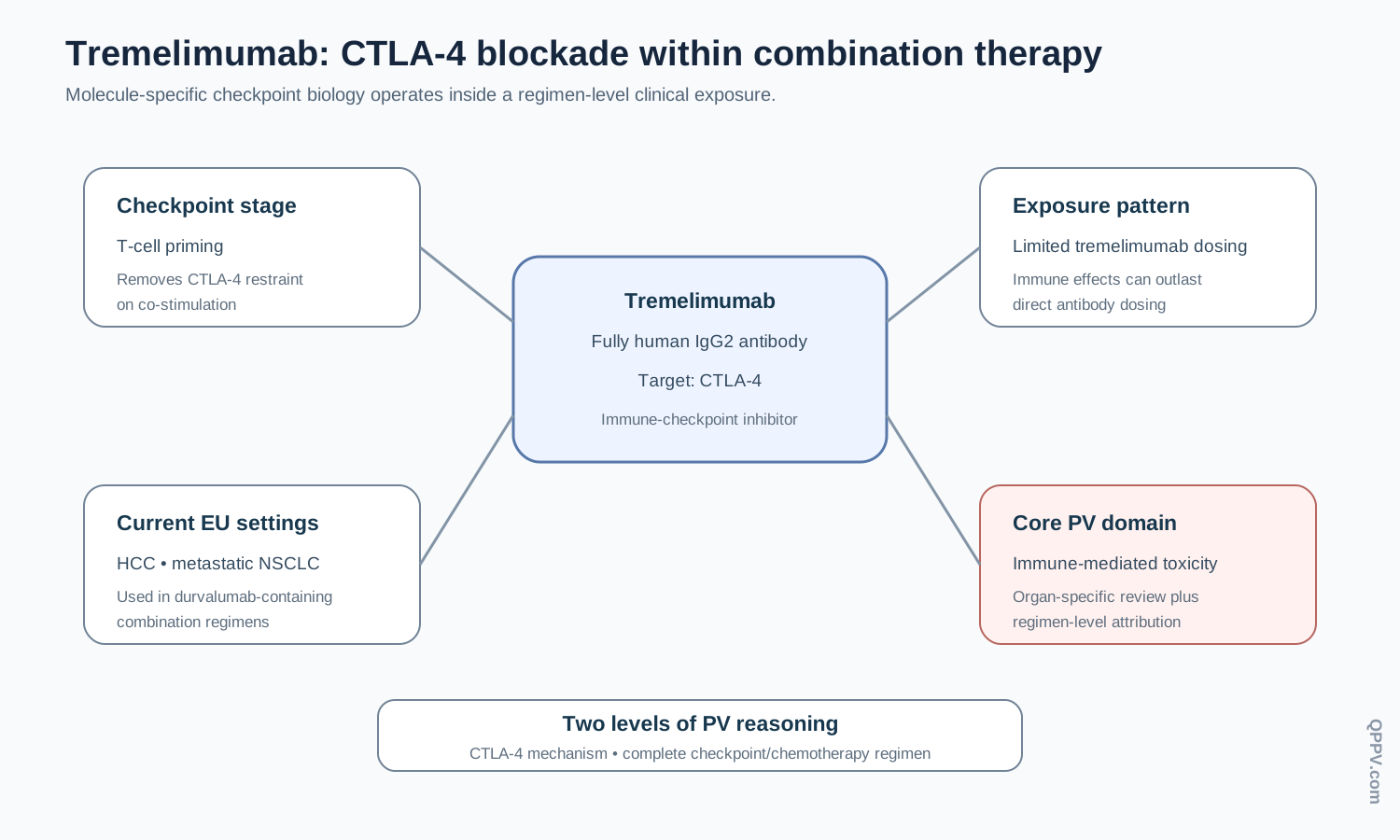
Figure 1. Tremelimumab is a CTLA-4 checkpoint inhibitor used as part of durvalumab-containing regimens. Its molecule-specific biology must be understood within the combined clinical exposure.
CTLA-4 and T-cell priming
T-cell activation normally requires more than recognition of antigen. A naïve or resting T cell receives antigen-specific signalling through the T-cell receptor, but full activation also depends on co-stimulatory interaction between CD28 on the T cell and B7 ligands—CD80 and CD86—on an antigen-presenting cell.
CTLA-4 is an inhibitory receptor that competes with CD28 for these B7 ligands. It binds them with high affinity and reduces further T-cell activation. This control helps prevent excessive or autoreactive immune responses.
Tumour immunology can exploit this physiological brake. If CTLA-4 signalling limits activation of tumour-reactive T cells during priming, blocking CTLA-4 can increase the number and activity of T cells available to recognise malignant cells.
Mechanism of action
Tremelimumab binds CTLA-4 and prevents it from engaging CD80 and CD86. This leaves co-stimulatory CD28 signalling less constrained and promotes T-cell activation and proliferation.
The mechanism can be conceptualised as raising the ceiling on immune priming. Durvalumab, by contrast, blocks PD-L1-mediated inhibitory signalling that is particularly relevant in activated T cells and the tumour microenvironment. Combining the two checkpoints therefore targets complementary stages of the immune response rather than simply doubling the same blockade.
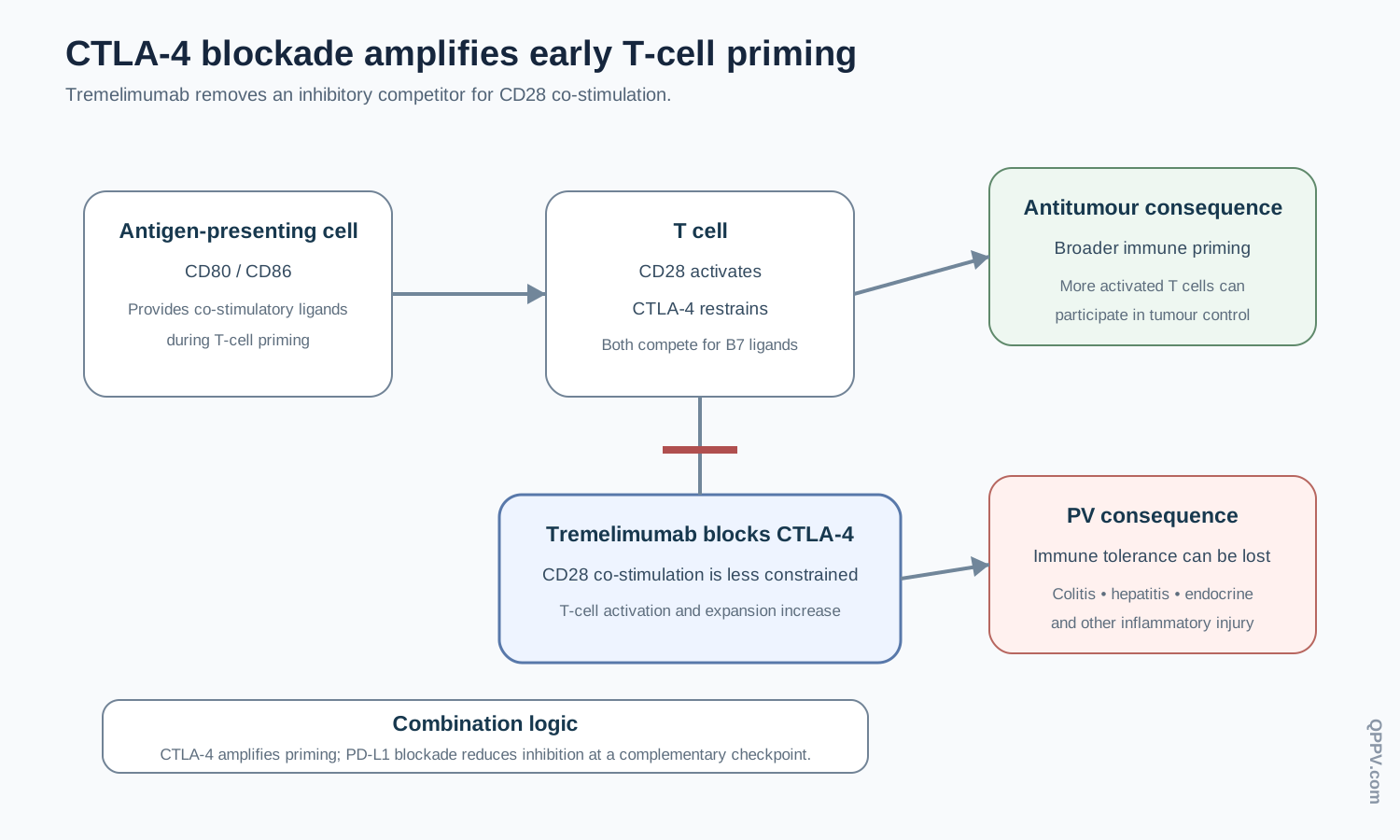
Figure 2. CTLA-4 competes with CD28 for CD80/CD86 during T-cell priming. Tremelimumab blocks CTLA-4, permitting stronger co-stimulation and broader T-cell activation; PD-L1 blockade acts at a different checkpoint stage.
Development and regulatory history
Tremelimumab was investigated for many years across multiple cancers before a successful combination strategy established its current role. The European Union authorised the active tremelimumab medicinal product in February 2023.
Current EU indications include first-line treatment of adults with advanced or unresectable hepatocellular carcinoma in combination with durvalumab, and first-line treatment of metastatic non-small-cell lung cancer without sensitising EGFR mutations or ALK-positive disease in combination with durvalumab and platinum-based chemotherapy.
A separate EU marketing authorisation containing the same active substance was also issued in 2023 for metastatic NSCLC and subsequently withdrawn in November 2023 at the holder's request for commercial reasons. The active authorisation for the currently marketed tremelimumab product remained in place. This is a useful regulatory distinction: withdrawal of a duplicate or commercially discontinued authorisation is not withdrawal of the active substance from clinical use.
The STRIDE concept in hepatocellular carcinoma
In hepatocellular carcinoma, the clinically established regimen uses a single priming dose of tremelimumab together with durvalumab, followed by ongoing durvalumab. The design has been described as the STRIDE regimen—Single Tremelimumab Regular Interval Durvalumab.
This exposure pattern is pharmacovigilance-relevant. Tremelimumab is not repeatedly administered throughout the entire treatment course, yet immune-mediated events can arise after its direct dosing window because immune activation persists. A case should therefore not exclude tremelimumab from causality assessment solely because several weeks have passed since the single dose.
Combination biology and attribution
Dual checkpoint therapy makes molecule-level attribution inherently uncertain for many immune-mediated reactions. Colitis, hepatitis, endocrinopathy or dermatitis may be biologically compatible with either CTLA-4 or PD-L1 blockade, and the two mechanisms can interact.
The pharmacovigilance objective is therefore not always to assign the event to one antibody. In many cases the more defensible conclusion is that the combined checkpoint regimen created the relevant immune context, while the report retains each component exposure accurately.
Clinical safety framework
Tremelimumab safety is dominated by immune-mediated inflammatory toxicity, interpreted within dual-checkpoint or chemo-immunotherapy exposure. The practical distinction from durvalumab is mechanistic rather than absolute: CTLA-4 blockade is particularly associated with broad immune activation during priming, while the clinical event may still be impossible to attribute to one checkpoint inhibitor with confidence.
Gastrointestinal immune toxicity
Diarrhoea and colitis are characteristic checkpoint-related events. Clinically important colitis may include abdominal pain, blood or mucus, fever and complications such as perforation. Differential diagnosis includes infection, chemotherapy effects and other bowel pathology.
High-value follow-up includes stool frequency, duration, infectious studies, imaging or endoscopy where performed, corticosteroid or other immunosuppressive treatment, hospitalisation and outcome. Broad coding as “diarrhoea” without inflammatory assessment can obscure the medically important syndrome.
Hepatitis in hepatocellular carcinoma
Hepatitis is particularly difficult to assess in patients with hepatocellular carcinoma because the treated population may already have cirrhosis, viral hepatitis, portal hypertension, impaired hepatic reserve or progressive tumour burden.
An apparent immune-mediated hepatic event therefore requires baseline liver function, underlying liver disease, viral-hepatitis status, imaging, bilirubin, alkaline phosphatase and transaminase pattern, concomitant medicines and response to immunosuppression. A biochemical abnormality alone does not establish immune hepatitis.
Endocrinopathies
Checkpoint blockade can cause thyroid dysfunction, adrenal insufficiency, hypophysitis and diabetes. As with other checkpoint inhibitors, acute inflammation may resolve while endocrine loss persists. Long-term hormone replacement should therefore be captured even if the inflammatory phase has clinically settled.
Dermatological reactions
Rash and pruritus are common, but severe immune-mediated skin reactions can occur. Serious cases should document body-surface involvement, mucosal disease, biopsy where performed, systemic symptoms, treatment and outcome rather than relying only on a generic rash term.
Pulmonary, renal, neurological and cardiac events
Pneumonitis, nephritis, neurological immune syndromes and myocarditis are less common but clinically important checkpoint toxicities. These events require organ-specific investigations and exclusion of infection, tumour progression, vascular disease and concomitant-treatment effects.
Myocarditis is especially important because severity can be disproportionate to frequency. Troponin, ECG, echocardiography or cardiac imaging, concurrent myositis or myasthenic features and immunosuppressive treatment are high-value follow-up data.
NSCLC combination-regimen complexity
In metastatic NSCLC, tremelimumab is administered with durvalumab and platinum-based chemotherapy. Cytopenias, nausea, renal impairment, neuropathy and infection may be more plausibly linked to chemotherapy than to checkpoint blockade, while pneumonitis or hepatitis can remain multifactorial.
The exact platinum agent and partner chemotherapy should therefore be retained in the safety database. Molecule-only exposure coding is insufficient for medically meaningful review.
Timing and delayed immune toxicity
Immune-mediated events can begin after tremelimumab dosing has stopped. This is especially relevant to the limited-dose STRIDE strategy. The pharmacodynamic immune state can persist beyond measurable high circulating concentrations or the final administered dose.
Time-to-onset analyses should therefore use the complete regimen timeline and should not censor case retrieval at the last tremelimumab administration.
Infusion-related reactions
Tremelimumab is administered intravenously. Acute reactions should capture onset relative to infusion, symptoms, infusion interruption, treatment and rechallenge. These events should be analysed separately from delayed immune-mediated syndromes even when symptoms such as rash or dyspnoea overlap.
Special situations
Pre-existing autoimmune disease
Patients with active autoimmune disease may experience flares or treatment-related inflammatory events. A case should document baseline diagnosis, activity, immunosuppressive treatment and whether the new phenotype matches prior disease manifestations.
Organ transplantation
CTLA-4 blockade can disrupt immune tolerance. In transplant recipients, graft rejection or graft-versus-host phenomena require detailed transplant history, baseline immunosuppression, graft function and timing relative to checkpoint treatment.
Pregnancy
Checkpoint biology contributes to immune tolerance at the maternal-fetal interface. Pregnancy exposure requires trimester-specific treatment history, concomitant anticancer therapy, maternal disease status and fetal/neonatal outcomes. Mechanistic concern should not be presented as quantified clinical risk without supporting evidence.
Product traceability
Exact biological product and batch should be retained where available, particularly for hypersensitivity, infusion reactions and quality complaints. Combination-regimen exposure should preserve both checkpoint antibodies and chemotherapy rather than assigning the complete regimen to one product record.
Pharmacovigilance case assessment
A tremelimumab case should be reconstructed around organ phenotype, dual-checkpoint exposure, chemotherapy context and time since the limited tremelimumab dose. The regimen matters more than an artificial attempt to assign every immune event to one antibody.
Event-specific follow-up priorities
| Event or issue | High-value follow-up information |
|---|---|
| Colitis | Stool frequency, blood/mucus, infectious studies, imaging/endoscopy, immunosuppression and outcome |
| Hepatitis | Baseline liver disease, viral status, tumour burden, bilirubin/ALP/transaminases, imaging and steroid response |
| Endocrinopathy | Hormone values, pituitary/thyroid/adrenal evaluation, replacement therapy and long-term gland function |
| Pneumonitis | Imaging pattern, infection testing, oxygenation, prior lung disease, chemotherapy/radiotherapy and steroid response |
| Myocarditis/neuromuscular syndrome | Troponin, ECG/imaging, CK, neurological examination, overlap syndromes and immunosuppression |
| Infusion reaction | Dose number, onset, symptoms, infusion action, acute treatment and rechallenge |
| Cytopenia in NSCLC | Chemotherapy regimen, nadir timing, marrow recovery, infection and immune-haematological evidence |
| Delayed immune event | Exact tremelimumab dose date, continuing durvalumab exposure, onset, alternative causes and immune treatment |
Signal detection and aggregate review
Signal detection should preserve the dual-checkpoint regimen. Events such as colitis, hepatitis and endocrinopathy are biologically compatible with both CTLA-4 and PD-L1 blockade. Treating tremelimumab and durvalumab as unrelated exposures can fragment the same clinical syndrome across separate product-level analyses.
At the same time, regimen-level analysis should not erase molecule-specific questions. CTLA-4 biology, limited-dose exposure and the timing of adverse reactions after the priming dose remain relevant to pharmacological interpretation.
In NSCLC, chemotherapy-related events should be stratified separately where possible. Cytopenias or renal impairment during platinum therapy have different mechanistic priors from classical immune-mediated syndromes.
Benefit-risk evaluation
Tremelimumab illustrates why benefit-risk assessment belongs to the authorised regimen, not merely to the active substance in isolation. In HCC, clinical evidence supports a single tremelimumab priming dose combined with ongoing durvalumab. In metastatic NSCLC, the authorised regimen includes both checkpoint inhibitors and platinum chemotherapy.
The benefit cannot therefore be meaningfully separated from the combination that generated it, while the risk assessment must still understand how CTLA-4 blockade contributes to the overall immune-toxicity profile.
The existence and later commercial withdrawal of a separate duplicate EU marketing authorisation containing the same active substance should likewise be interpreted at the product-authorisation level. It did not remove the active tremelimumab-containing medicinal product from the market or change the established combination indications.
Risk management and operational controls
Current product information governs immune-toxicity monitoring, treatment interruption, permanent discontinuation and immunosuppressive management. Recommended PV controls include structured organ-specific follow-up, complete capture of the checkpoint combination, chemotherapy regimen, baseline liver disease in HCC and delayed-event surveillance after the tremelimumab dose.
For HCC, liver-function data should be assessed against cirrhosis, viral hepatitis and tumour progression. For NSCLC, chemotherapy and pulmonary disease should be explicitly incorporated into causality assessment.
Potential failure modes
The following are illustrative scenarios, not published inspection findings:
- Colitis in a dual-checkpoint regimen is forced into a single-product attribution despite insufficient evidence.
- Liver-test deterioration in HCC is labelled immune hepatitis without documenting cirrhosis, viral hepatitis or tumour progression.
- A delayed immune event is excluded from tremelimumab review because the single priming dose occurred weeks earlier.
- Platinum-related cytopenia is analysed as a checkpoint-specific signal because chemotherapy exposure was not captured.
- Commercial withdrawal of a duplicate EU authorisation is incorrectly described as withdrawal of tremelimumab from the EU.
- Long-term hormone replacement is omitted from the outcome of an endocrine immune-mediated reaction.
Inspection and governance perspective
An inspector or quality reviewer could examine whether tremelimumab cases preserve the complete combination regimen, whether delayed immune events remain retrievable after the limited-dose exposure, whether HCC cases retain baseline liver context, and whether commercial lifecycle changes are represented accurately in controlled product information.
The effectiveness question is whether the pharmacovigilance system can maintain two levels of reasoning simultaneously: molecule-specific checkpoint biology and regimen-level clinical causality.
Practical checklist
For a tremelimumab case or aggregate analysis, confirm:
- cancer indication and stage;
- tremelimumab dose date and number;
- durvalumab exposure dates;
- chemotherapy regimen where applicable;
- baseline liver disease and viral-hepatitis status in HCC;
- organ-specific objective findings;
- infection and progression differentials;
- corticosteroid or other immunosuppressive treatment;
- delayed onset after the tremelimumab dose;
- long-term organ dysfunction or hormone replacement;
- exact product and batch where available.
Key Takeaways
Tremelimumab is a fully human IgG2 monoclonal antibody that blocks CTLA-4, removing an inhibitory checkpoint during T-cell priming. Its mechanism is complementary to PD-L1 blockade rather than redundant with it.
Current EU use is combination based: tremelimumab is paired with durvalumab in hepatocellular carcinoma and with durvalumab plus platinum chemotherapy in metastatic NSCLC. Pharmacovigilance must therefore retain the full regimen while recognising the distinctive contribution of CTLA-4 biology and the possibility of delayed immune toxicity after limited tremelimumab exposure.
References
- European Medicines Agency. Tremelimumab: EPAR and current product information. EU marketing authorisation issued 20 February 2023; current indications include advanced or unresectable hepatocellular carcinoma and metastatic NSCLC in combination regimens. https://www.ema.europa.eu/en/medicines/human/EPAR/imjudo
- European Medicines Agency. Withdrawn duplicate tremelimumab marketing authorisation. The separate EU authorisation containing the same active substance was withdrawn on 6 November 2023 for commercial reasons while the active tremelimumab authorisation remained. https://www.ema.europa.eu/en/medicines/human/EPAR/tremelimumab-astrazeneca
- Tarhini AA, Kirkwood JM. Tremelimumab (CP-675,206): a fully human anticytotoxic T lymphocyte-associated antigen 4 monoclonal antibody for treatment of patients with advanced cancers. Expert Opin Biol Ther. 2008;8:1583-1593. doi:10.1517/14712598.8.10.1583.
- Sangro B, Chan SL, Kelley RK, et al. Four-year overall survival update from the phase III HIMALAYA study of tremelimumab plus durvalumab in unresectable hepatocellular carcinoma. Ann Oncol. 2024;35:448-457. doi:10.1016/j.annonc.2024.02.005.
- Lau G, Sangro B, Cheng AL, et al. Immune-mediated adverse events and overall survival with tremelimumab plus durvalumab and durvalumab monotherapy in unresectable HCC: HIMALAYA phase III randomized clinical trial. Hepatology. 2026;83:484-496. doi:10.1097/HEP.0000000000001385.
Regulatory Note
Authorised indications, combination partners, dosing schedules and immune-toxicity management recommendations can change and differ by jurisdiction. This article explains the scientific and pharmacovigilance framework and does not replace current regional product information or specialist oncology guidance. Regulatory information was checked against EMA material current in September 2026.