Immune-Checkpoint Monoclonal Antibodies: T-Cell Reinvigoration, Immune-Related Toxicity and Pharmacovigilance
- Immune-Checkpoint Monoclonal Antibodies: T-Cell Reinvigoration, Immune-Related Toxicity and Pharmacovigilance
- Purpose and Scope
- Position Within the Monoclonal-Antibody Classification
- Immune Checkpoints as Physiological Control Systems
- Checkpoint Blockade and T-Cell Reinvigoration
- Checkpoint Inhibition Versus Direct Tumour Killing
- The Relationship Between Immune Activation and Safety
- Mechanistic Consequences for Pharmacovigilance
- PD-1 and PD-L1 Pathway Inhibition
- CTLA-4 Pathway Inhibition
- LAG-3 and Multi-Checkpoint Modulation
- Checkpoint Inhibition and the Tumour Microenvironment
- Why Immune-Related Adverse Events Can Affect Multiple Organs
- Time Course of Immune-Mediated Toxicity
- Severity and Organ-System Context
- Combination Therapy as a Distinct Safety Context
- Biomarkers and Pharmacodynamic Evidence
- Individual Case Safety Assessment
- Differential Diagnosis of Suspected Immune-Mediated Events
- Rechallenge, Recurrence and Dechallenge
- Signal Detection and the Organ-System Problem
- Class Effects and Differences Between Checkpoint Targets
- Immunogenicity and Pharmacokinetics
- Risk Management
- Additional Monitoring and Follow-Up
- Product and Combination Traceability
- Relationship Between Mechanism and Causality
- Inspection Perspective
- Common Analytical Failure Modes
- Practical Assessment Framework
- Governance of Immune-Related Safety Knowledge
- Key Takeaways
- References and Regulatory Sources
- Regulatory Note
Purpose and Scope
Immune-checkpoint monoclonal antibodies are therapeutic antibodies that alter inhibitory pathways controlling immune-cell activation. Rather than directly destroying a tumour cell or neutralising a soluble mediator, they remove or reduce an inhibitory signal that limits immune responses. The resulting pharmacological effect is therefore mediated substantially through the patient's immune system.
This mechanism places immune-checkpoint antibodies in a distinct position within the monoclonal-antibody landscape. Pembrolizumab and nivolumab block programmed cell death protein 1 (PD-1), preventing interaction with its ligands and increasing T-cell activity against tumour cells. Ipilimumab blocks cytotoxic T-lymphocyte-associated antigen 4 (CTLA-4), another regulatory pathway controlling T-cell activity. Relatlimab blocks lymphocyte-activation gene 3 (LAG-3) and is used in combination with nivolumab to enhance antitumour immune activity. [1–4]
The safety implications follow directly from this mechanism. A checkpoint inhibitor is intended to increase or restore immune activity against a pathological target, but the same removal of immune inhibition can permit immune-mediated injury to normal tissues. Consequently, the pharmacovigilance assessment must consider both the intended antitumour immune response and the possibility of immune-mediated effects outside the tumour.
The purpose of this article is to develop that relationship systematically. It distinguishes checkpoint blockade from direct cell depletion, explains the biological levels at which PD-1, CTLA-4 and LAG-3 operate, examines how immune activation becomes a clinical adverse event, and provides a mechanism-informed framework for individual case assessment, signal detection, risk management and inspection.
Position Within the Monoclonal-Antibody Classification
Immune-checkpoint modulation is a functional mechanism-of-action class. It should be distinguished from molecular format, antibody origin, target family and indication. The antibodies in this class are generally conventional immunoglobulins, but their therapeutic effect is not primarily the physical removal of a target cell. Instead, they change the balance of activating and inhibitory signals that regulates immune-cell function.
This distinction is particularly important when comparing checkpoint antibodies with cell-directed antibodies. A cell-depleting antibody uses recognition of a cell-surface antigen to remove a population of cells. A checkpoint antibody generally leaves the immune cells present and changes their functional state. The resulting pharmacodynamic marker may therefore be immune activation or restoration of effector function rather than a measurable reduction in cell number.
The classification is also not equivalent to "cancer immunotherapy" as a whole. Many oncology treatments activate, suppress or redirect immunity through mechanisms other than checkpoint blockade. The mechanistic class should be assigned from the actual molecular intervention and demonstrated biological effect.
Immune Checkpoints as Physiological Control Systems
The immune system requires mechanisms that permit effective responses to infection and abnormal cells while limiting excessive or self-reactive activity. Immune checkpoints are part of this control architecture. They provide inhibitory signals that can reduce T-cell activation, proliferation, cytokine production or effector function when the appropriate regulatory conditions are present.
PD-1 is an inhibitory receptor expressed on activated immune cells, including T cells. Its interaction with PD-L1 or PD-L2 can reduce T-cell activity. Tumours can exploit this pathway to weaken antitumour immune surveillance. EMA describes pembrolizumab as binding PD-1 and blocking its interaction with PD-L1 and PD-L2, thereby increasing the immune system's ability to attack cancer cells. Nivolumab acts through the same PD-1 pathway. [1–2]
CTLA-4 operates at a different regulatory stage of T-cell activation. Ipilimumab binds and blocks CTLA-4, increasing the number and activity of T cells capable of killing cancer cells. [3]
LAG-3 is another inhibitory receptor involved in regulating immune responses. Relatlimab blocks LAG-3, and EMA describes its combination with nivolumab as increasing T-cell activation and antitumour activity. [4]
These differences matter because the location and timing of checkpoint regulation influence the pattern of pharmacological and adverse effects. A PD-1 inhibitor, a CTLA-4 inhibitor and a combined PD-1/LAG-3 approach should therefore not be assumed to have identical safety profiles merely because all are described as immune-checkpoint inhibitors.
Checkpoint Blockade and T-Cell Reinvigoration
The central pharmacological sequence can be represented as:
checkpoint antibody binding → reduced inhibitory signalling → increased or restored T-cell function → immune-mediated tumour control
The phrase "reinvigoration" is useful because the antibody does not generally create a new T-cell population from nothing. It changes the regulatory environment in which existing immune responses operate. The magnitude of the response depends on antigen recognition, the tumour microenvironment, immune-cell state, checkpoint expression and other regulatory pathways.
This also explains why response cannot be predicted from checkpoint expression alone. PD-L1 expression, for example, can be relevant to the use of particular products or indications, but it is not a universal surrogate for treatment response across all clinical settings. The product's authorised indication and current product information determine the regulatory context in which biomarker testing is required or recommended.
From a pharmacovigilance perspective, the important feature is that the biological mediator of both benefit and harm is often the patient's activated immune response. An adverse event can therefore occur in a tissue that does not express the drug target if activated immune cells recognise antigens or tissue structures in that organ.
Checkpoint Inhibition Versus Direct Tumour Killing
Checkpoint antibodies differ fundamentally from antibodies whose principal action is to kill target cells directly. Pembrolizumab and nivolumab do not function by binding a tumour-cell antigen and recruiting Fc-dependent cytotoxicity. Their primary action is blockade of PD-1 on immune cells, which removes an inhibitory interaction with PD-L1 or PD-L2. [1–2]
This distinction changes the pharmacovigilance model. For a cell-depleting antibody, a target-cell count may provide a direct pharmacodynamic measure. For a checkpoint inhibitor, clinically relevant immune activation may be heterogeneous and distributed across several cellular and tissue compartments. There may be no single laboratory measurement that captures the full therapeutic or toxic effect.
It also changes the interpretation of delayed adverse events. Immune-mediated toxicity may emerge after repeated exposure or may persist after treatment interruption because the pharmacological consequence is not limited to the concentration of antibody at the moment an organ becomes symptomatic. Clinical course, treatment history, immune-directed management and alternative diagnoses therefore become central to assessment.
The Relationship Between Immune Activation and Safety
Checkpoint blockade changes the threshold at which immune responses are restrained. The same change that permits effective recognition and destruction of tumour cells can alter immune tolerance or inflammatory control in normal tissues.
The resulting adverse events are often described clinically as immune-related adverse events, but the term should be used carefully. It is a clinical and mechanistic framing, not a substitute for diagnosis. An event such as diarrhoea, hepatitis, pneumonitis, endocrinopathy or dermatitis can have many causes in a patient with cancer. The pharmacovigilance assessment must determine whether the clinical pattern is compatible with an immune-mediated drug effect and whether alternative explanations have been adequately considered.
This is why mechanism-informed assessment is particularly valuable for checkpoint inhibitors. The mechanism provides a coherent hypothesis for why apparently unrelated organ toxicities can occur across a single product, while the organ-specific differential diagnosis determines whether a particular event actually supports that hypothesis.
Mechanistic Consequences for Pharmacovigilance
The safety model can therefore be expressed as:
checkpoint blockade → altered immune regulation → tissue-specific immune activation or inflammation → clinical manifestation
The final step is not deterministic. Tissue susceptibility, pre-existing disease, concomitant medicines, infection, tumour involvement and other factors can influence whether an immune-mediated event develops and how it presents.
The pharmacovigilance task is consequently to connect four levels of evidence: the product and checkpoint target; exposure and treatment history; the clinical phenotype and timing; and evidence supporting or weakening an immune-mediated mechanism. This framework becomes particularly important when an event is uncommon, delayed, overlaps with the underlying malignancy or has no single diagnostic laboratory marker.
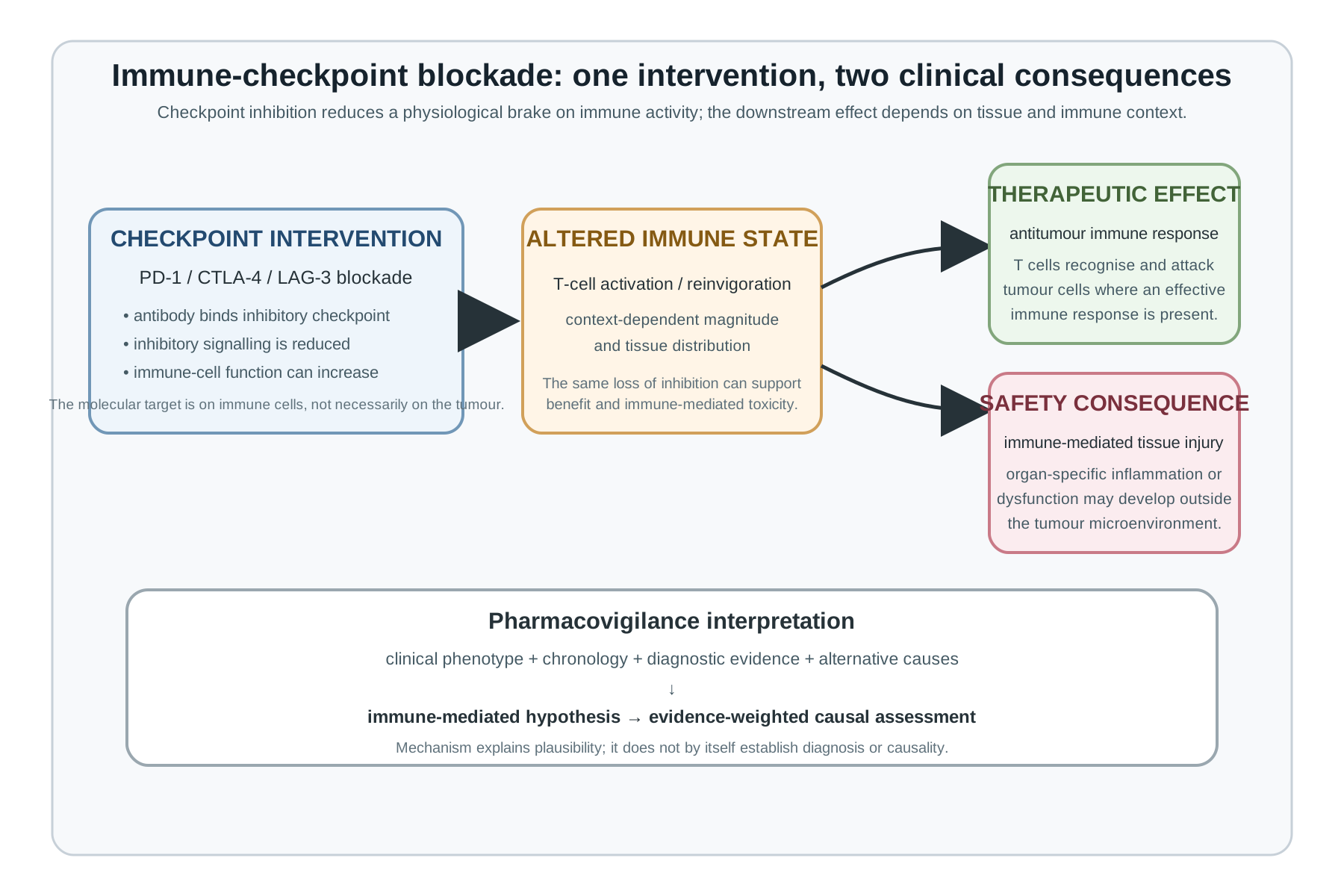
Figure 1. Immune-checkpoint blockade and its pharmacovigilance consequences. Checkpoint inhibition reduces a physiological inhibitory signal, increasing immune-cell activity. The same change can support antitumour immunity while permitting immune-mediated injury in normal tissues. Clinical assessment therefore connects checkpoint intervention with tissue-specific phenotype rather than assuming that every event after treatment is immune-related.
PD-1 and PD-L1 Pathway Inhibition
The PD-1 pathway illustrates how checkpoint blockade changes immune regulation without directly removing the target cell. PD-1 on immune cells interacts with PD-L1 or PD-L2, producing inhibitory signals that can limit T-cell activity. Pembrolizumab and nivolumab bind PD-1 and prevent these ligand interactions. [1–2]
The pharmacological effect is therefore distributed across the immune response. A tumour cell may benefit therapeutically because an existing antitumour T-cell response is no longer suppressed to the same extent. The antibody itself does not need to bind the tumour cell for the pathway to operate.
This creates an important pharmacovigilance distinction. A safety event in a patient receiving a PD-1 inhibitor should not be evaluated primarily by asking whether the affected organ expresses PD-1. The relevant question is whether altered immune regulation provides a credible pathway for immune-mediated injury in that organ, while also considering competing explanations.
PD-L1-directed antibodies intervene at a different molecular point by binding the ligand rather than the PD-1 receptor. Although PD-1 and PD-L1 blockade can converge on the same regulatory pathway, their molecular intervention, pharmacology and product-specific evidence are not identical. Class-level experience can inform hypotheses, but product-specific evidence remains necessary.
CTLA-4 Pathway Inhibition
CTLA-4 is another inhibitory control point in T-cell biology, but it does not represent a duplicate of PD-1 signalling. CTLA-4 contributes to regulation of T-cell activation through interactions involving antigen-presenting cells and co-stimulatory pathways. Ipilimumab binds CTLA-4 and blocks its activity, increasing T-cell activity. EMA describes this as increasing the number and activity of T cells that can kill cancer cells. [3]
The different biological position of CTLA-4 helps explain why CTLA-4 inhibition can produce a distinct pattern of immune activation from PD-1 inhibition. Combination treatment can remove more than one inhibitory control at the same time, potentially increasing antitumour activity but also changing the overall immune-safety context.
Importantly, CTLA-4 blockade should not be described simply as T-cell depletion or direct activation of every T cell. The pharmacological effect is a change in regulatory signalling within the immune response. The relevant clinical consequences depend on the patient's immune state, tumour biology, treatment combination and tissue-specific immune regulation.
LAG-3 and Multi-Checkpoint Modulation
LAG-3 is another inhibitory receptor expressed on immune cells. Relatlimab binds and blocks LAG-3, and EMA describes the nivolumab-relatlimab combination as increasing T-cell activation and antitumour activity. [4]
The emergence of multi-checkpoint combinations reinforces the need for mechanism-specific pharmacovigilance. When two inhibitory pathways are blocked together, the resulting safety profile cannot necessarily be predicted by adding the safety profiles of the individual antibodies. The pathways may interact biologically, and the clinical population receiving the combination may also differ.
A pharmacovigilance assessment should therefore identify the exact combination, treatment sequence and indication. An adverse event reported during combination treatment should not automatically be attributed to one antibody when both products can plausibly contribute to the same immune-mediated pathway.
Checkpoint Inhibition and the Tumour Microenvironment
Checkpoint antibodies operate within a complex tissue environment. Tumours contain malignant cells, immune cells, stromal cells, blood vessels and extracellular signals that influence immune recognition and response. The effect of checkpoint blockade consequently depends on more than receptor occupancy in circulating blood.
The tumour microenvironment can contain T cells in different functional states, antigen-presenting cells and other regulatory populations. Checkpoint expression can also vary between tumour types and among patients. These features help explain why the same molecular intervention can produce very different degrees of efficacy and toxicity.
For pharmacovigilance, the implication is that pharmacodynamic assessment may be less straightforward than for a cell-depleting antibody. There may be no single validated marker that captures the full magnitude of immune activation in every patient. Clinical phenotype and longitudinal course can therefore be especially important components of the evidence.
Why Immune-Related Adverse Events Can Affect Multiple Organs
The broad distribution of immune cells and the role of checkpoints in maintaining immune regulation provide a biological explanation for the range of organ systems that can be affected during checkpoint blockade. If inhibitory control is reduced, immune-mediated inflammation can potentially arise in tissues outside the tumour.
The resulting clinical manifestations may include inflammatory disorders affecting the skin, gastrointestinal tract, liver, lungs, endocrine organs or other tissues. However, the presence of a compatible organ manifestation does not establish an immune-mediated adverse reaction. Cancer patients have substantial background risks from infection, tumour involvement, other medicines, procedures and comorbid disease.
This distinction is central to case assessment. The mechanism should be used to formulate a hypothesis, while clinical evidence determines whether the hypothesis is persuasive. A diagnosis supported by objective findings, a compatible temporal relationship, response to appropriate management and exclusion of important alternatives is generally more informative than an adverse-event term selected solely because a checkpoint inhibitor was administered.
Time Course of Immune-Mediated Toxicity
Checkpoint-related adverse events can have variable timing. Some occur during treatment, while others emerge after several treatment cycles or after treatment has been interrupted. The relevant biological process may continue after the last dose because immune-cell activation and tissue inflammation can outlast the period of direct antibody exposure.
This creates an important difference from simple concentration-effect models. A falling serum concentration does not necessarily mean that an immune-mediated clinical process has ended. Conversely, a long interval between administration and an event does not establish causality. The pharmacovigilance assessment should reconstruct the sequence of treatment, immune activation, symptom onset, diagnostic work-up, management and outcome.
Treatment interruption is also informative but not definitive. Improvement after withdrawal may support the hypothesis, particularly when combined with appropriate treatment of the immune-mediated process, but spontaneous fluctuation or treatment of another cause can produce similar patterns. Rechallenge, when it occurs clinically, requires particularly careful interpretation because recurrence may strengthen a causal hypothesis but absence of recurrence does not necessarily exclude it.
Severity and Organ-System Context
The clinical significance of an immune-mediated event depends on the organ affected and the degree of functional impairment. Mild skin inflammation and severe pulmonary inflammation are not simply different severities of one generic event; they represent different clinical syndromes requiring different diagnostic and management considerations.
The product's current product information should therefore remain the primary source for product-specific warnings, precautions and management recommendations. EMA's product information for pembrolizumab and ipilimumab, for example, contains detailed safety information and recommendations for management of adverse reactions. [1,3]
Pharmacovigilance should preserve this product-specific context while using the broader mechanism to identify potential patterns across organ systems. A class hypothesis may be valuable for signal detection, but the regulatory assessment of an individual signal must remain tied to the specific product, indication, dose and clinical evidence.
Combination Therapy as a Distinct Safety Context
Checkpoint inhibitors are frequently used in combination with other anticancer medicines, including other checkpoint inhibitors. Combination treatment changes attribution because each component can contribute to immune effects, and non-immunological therapies can produce overlapping clinical findings.
The treatment history should therefore distinguish the individual products and their administration dates. It should also record relevant sequencing, dose changes and interruptions. In aggregate analysis, the combination regimen should be treated as an exposure context rather than assuming that each event can be assigned independently to one component.
The same principle applies when checkpoint inhibition is combined with radiotherapy, chemotherapy, targeted therapy or antibody-based products with different mechanisms. The differential diagnosis should reflect the complete treatment environment.
Biomarkers and Pharmacodynamic Evidence
Biomarkers can support understanding of checkpoint pharmacology, but their interpretation is indication- and product-specific. PD-L1 expression, tumour mutational characteristics, immune-cell measures and other biomarkers may be relevant to efficacy or treatment selection in particular settings, but none should automatically be treated as a universal measure of the degree of immune activation or toxicity.
For pharmacovigilance, objective clinical findings can be more useful than a single predictive biomarker when assessing an individual adverse event. Laboratory abnormalities, imaging, organ-function tests, pathology and longitudinal clinical observations can collectively establish whether an inflammatory or immune-mediated process is present.
The strength of the evidence increases when these observations form a coherent sequence with treatment exposure and when important alternatives have been evaluated. This is the same principle that underlies mechanism-informed assessment across biological medicinal products: pharmacology guides the hypothesis, while convergent evidence determines its weight.
Individual Case Safety Assessment
For an individual case, the first task is to establish the clinical syndrome before assigning a mechanistic label. The fact that a patient received a checkpoint inhibitor establishes exposure, not causality. The assessment should begin with the event phenotype, chronology, diagnostic evidence and outcome, then ask whether checkpoint-mediated immune activation provides a credible explanation.
A useful chronology includes the start and stop dates of each checkpoint product, dose and regimen, previous treatment cycles, onset of symptoms, relevant laboratory or imaging findings, diagnostic procedures, treatment of the event and clinical course. Because combination regimens are common, the complete exposure history is necessary to distinguish checkpoint effects from toxicities associated with chemotherapy, targeted therapy, radiotherapy or another biologic.
The case should also capture clinically important background information. Pre-existing autoimmune or inflammatory disease, infection risk, organ dysfunction, tumour involvement and other medicines may materially alter the differential diagnosis. These factors do not automatically exclude a drug-related event; they determine how the competing explanations should be weighed.
Differential Diagnosis of Suspected Immune-Mediated Events
A mechanism-based assessment is strongest when it explicitly tests alternatives. For example, diarrhoea in a patient receiving a checkpoint inhibitor may reflect immune-mediated intestinal inflammation, infection, another medicine, dietary or metabolic factors, tumour-related disease or another gastrointestinal disorder. Similar differential diagnoses apply across other organ systems.
The diagnostic work-up should therefore be proportionate to the seriousness and clinical presentation of the event. Objective findings can establish whether organ inflammation or dysfunction is present, while microbiological testing, imaging, pathology or specialist assessment may help exclude alternative causes where appropriate.
This approach prevents a common pharmacovigilance error: treating a broad class effect as a diagnosis. "Immune-related adverse event" is useful as a mechanistic category, but the individual case still requires clinical characterisation and, where possible, an organ-specific diagnosis.
Rechallenge, Recurrence and Dechallenge
The course after treatment interruption can provide evidence, but it must be interpreted in context. Improvement after withdrawal may support a treatment relationship, especially when the clinical course is consistent with the expected immune-mediated mechanism and appropriate treatment has been given. It is not, by itself, proof of causality.
Rechallenge can provide additional information when treatment is restarted after an adverse event. Recurrence of a compatible syndrome can strengthen the causal hypothesis, but rechallenge decisions are clinical decisions governed by the product's safety information and the individual patient's circumstances. Pharmacovigilance should document what actually occurred rather than treating rechallenge as a routine diagnostic experiment.
The absence of recurrence after rechallenge does not necessarily exclude a relationship. Immune-mediated processes can vary in intensity, may be influenced by concomitant treatment and may not reproduce under identical biological conditions.
Signal Detection and the Organ-System Problem
Checkpoint inhibitor safety surveillance illustrates why signal detection cannot rely solely on narrow event terms. A single biological mechanism can manifest through multiple organ systems, while the same clinical term can have multiple causes.
Signal detection should therefore be capable of identifying both organ-specific patterns and broader mechanistic patterns. For example, separate reports of inflammatory disorders affecting different organs may share a checkpoint-related hypothesis, while an apparent increase in a single term may disappear after accounting for indication or increased ascertainment.
GVP Module IX states that signal detection should use a multidisciplinary approach and that methodology should take account of the characteristics of the medicinal product and the available data. It also states that data from all appropriate sources should be considered and that clinical judgement should be applied. [7]
For checkpoint inhibitors, relevant evidence may include spontaneous reports, clinical trials, observational studies, literature, regulatory safety information and epidemiological data. Mechanistic evidence can help organise these sources but should not replace them.
Class Effects and Differences Between Checkpoint Targets
The term immune-checkpoint inhibitor encompasses several molecular interventions. PD-1, PD-L1 and CTLA-4 blockade affect different points in immune regulation, while combinations can remove more than one inhibitory pathway. The resulting safety experience may overlap but should not be assumed to be identical.
The clinical context also matters. The same antibody may be authorised in multiple tumour types, at different stages of disease or in combination with different treatments. Background incidence of infections, organ dysfunction, tumour involvement and other adverse events can therefore differ substantially between indications.
For aggregate safety evaluation, stratification by product, checkpoint target, indication, regimen and relevant combination therapy can help determine whether an observed pattern is generalisable. Stratification should be driven by the question being investigated rather than applied mechanically to every analysis.
Immunogenicity and Pharmacokinetics
Checkpoint antibodies are therapeutic proteins and can induce anti-drug antibodies. EMA's guideline on immunogenicity assessment of therapeutic proteins recommends integrated assessment of immunological, pharmacokinetic, pharmacodynamic, efficacy and safety information, recognising that the clinical significance of immunogenicity varies between products and patients. [5]
For checkpoint inhibitors, an ADA result should therefore not automatically be interpreted as evidence of loss of efficacy or altered toxicity. The relevance depends on whether the antibodies affect exposure or biological activity and whether a corresponding clinical or pharmacodynamic consequence is observed.
The long biological consequences of immune activation also mean that pharmacokinetic measurements alone may have limited value for explaining the timing of some adverse events. A clinical event can occur when serum drug concentrations are declining or after dosing has been interrupted. The pharmacokinetic history should consequently be interpreted together with the immune and clinical course.
Risk Management
GVP Module V defines the purpose of risk management as identifying, characterising and minimising important risks and documenting the risk management system in the RMP. It distinguishes the applicable legal requirements from guidance on implementation. [6]
For checkpoint inhibitors, risk management can incorporate the known pattern of immune-mediated toxicity, important uncertainties in particular populations, and the need for measures that support appropriate recognition and management where required for the individual product. The exact safety concerns and risk-minimisation measures are product-specific and should be derived from the authorised evidence and regulatory assessment.
Risk management should also evolve as experience accumulates. New evidence may change the frequency, severity, timing or understanding of an immune-mediated event. The pharmacovigilance system should be able to identify when such information changes the safety specification or requires further characterisation.
Additional Monitoring and Follow-Up
Where a safety concern cannot be adequately characterised through routine pharmacovigilance, additional activities may be appropriate. The design should match the uncertainty. A study intended to estimate incidence requires a different design from one intended to identify risk factors, characterise long-term outcomes or compare combination regimens.
For checkpoint-related toxicity, longitudinal follow-up can be particularly informative because the relationship between treatment, immune activation, organ injury and recovery may extend beyond the dosing period. The appropriate duration and variables should be justified by the specific safety question rather than by the mechanism class alone.
The same principle applies to educational or risk-minimisation measures. Where such measures are required or agreed for a product, their effectiveness should be assessed in accordance with the relevant regulatory framework and product commitments.
Product and Combination Traceability
Accurate medicinal-product identification remains essential when multiple checkpoint antibodies and combination regimens are used. Reports should distinguish the individual products so that product-specific safety patterns can be evaluated.
This is particularly important when products share a target pathway. A report describing "immunotherapy" is insufficient for product-specific signal analysis if several agents were administered. The pharmacovigilance system should retain the information needed to reconstruct which medicinal product was given, when it was given and in what combination.
For biological medicinal products generally, EMA's GVP guidance emphasises continuous product and batch traceability so that product-specific safety and immunogenicity concerns can be detected and evaluated. [8] Although the biological mechanism of checkpoint toxicity differs from cell depletion, the same traceability principle applies.
Relationship Between Mechanism and Causality
Mechanistic plausibility is valuable because it provides a biologically coherent explanation for an otherwise heterogeneous set of clinical observations. It is not a substitute for causality assessment. The strongest cases are those in which the mechanism, chronology, phenotype, objective findings, clinical course and absence or weakness of alternatives converge.
This can be represented as:
checkpoint intervention → altered immune regulation → tissue-specific immune process → compatible clinical phenotype
The more closely the observed case follows this sequence, the stronger the mechanistic support. If a competing explanation better accounts for the findings, the checkpoint hypothesis should be downgraded even when the event is recognised as a possible class effect.
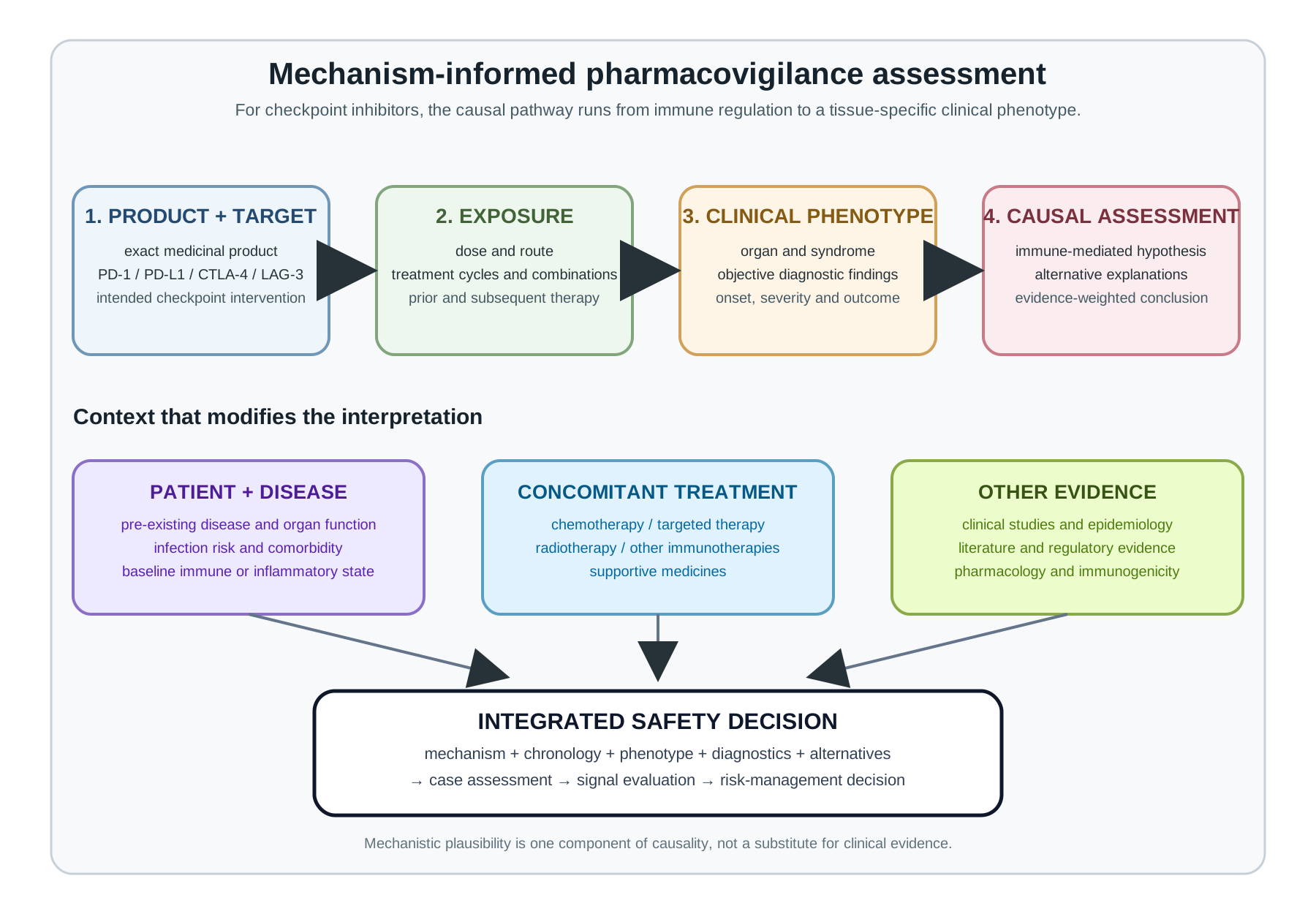
Figure 2. Mechanism-informed pharmacovigilance assessment for immune-checkpoint antibodies. Product and checkpoint target define the mechanistic starting point; exposure and treatment context establish when the intervention occurred; the clinical phenotype and diagnostic evidence establish the observed outcome. Patient, disease and concomitant-treatment factors modify the causal interpretation.
Inspection Perspective
An effective pharmacovigilance system for checkpoint antibodies should be able to demonstrate that known immune-mediated risks are translated into practical case assessment, aggregate surveillance and risk management. The inspection question is not whether every adverse event has been labelled as immune-related. It is whether the system can recognise clinically important patterns, assess competing explanations and document the scientific reasoning supporting its conclusions.
Illustrative inspection questions include:
| Area | Illustrative question |
|---|---|
| Product identity | Can the system distinguish each checkpoint antibody and combination regimen involved in a report? |
| Mechanism | Is the current mechanism of action reflected consistently in safety evaluation and product-specific knowledge? |
| Case assessment | Can reviewers reconstruct treatment chronology, clinical phenotype, diagnostic evidence and outcome? |
| Differential diagnosis | Is there evidence that important competing causes were considered where clinically relevant? |
| Delayed events | Can the system recognise that an immune-mediated event may occur after treatment interruption or a substantial interval from dosing? |
| Signal management | Can the organisation explain how mechanistic information, clinical data and other evidence were integrated? |
| Risk management | Is there a traceable rationale connecting important risks or uncertainties with pharmacovigilance and risk-minimisation activities? |
| Governance | Are medical judgments, decisions, follow-up and changes to the safety profile documented and reproducible? |
These are illustrative effectiveness questions, not additional legal requirements. The evidence expected in an inspection depends on the medicinal product, indication, safety profile, regulatory commitments and applicable legislation.
Common Analytical Failure Modes
Checkpoint pharmacovigilance can be weakened when mechanism is used either too little or too much. Several analytical errors are particularly important.
Treating every event after checkpoint inhibition as immune-mediated. Temporal association and class knowledge create plausibility, but cancer patients have many alternative causes of the same symptoms.
Treating absence of a single biomarker as evidence against an immune-mediated mechanism. Many immune-mediated clinical syndromes do not have one definitive laboratory marker. The total clinical and diagnostic evidence must be considered.
Ignoring delayed onset. Immune activation and tissue inflammation can persist or become clinically apparent after the last dose. The assessment should reconstruct the entire treatment and clinical timeline.
Ignoring indication and combination therapy. Background rates and alternative causes vary by tumour type and treatment regimen. Aggregate comparisons that do not account for these differences can be misleading.
Assuming all checkpoint targets have identical safety. PD-1, PD-L1, CTLA-4 and LAG-3 interventions operate at different points in immune regulation, and combination therapy changes the biological context.
Confusing pharmacological mechanism with diagnosis. A mechanistic label should direct the investigation, not replace clinical diagnosis or differential assessment.
Using class experience as product-specific evidence without qualification. Class experience can support hypothesis generation, but the relevant product's clinical, regulatory and post-authorisation evidence determines the conclusion.
These are potential analytical failure modes, not claims about particular inspection findings.
Practical Assessment Framework
When a safety concern potentially involves an immune-checkpoint antibody, a structured assessment can proceed through the following sequence:
- Identify the exact exposure. Confirm the medicinal product, checkpoint target, dose, route, treatment cycle and any combination therapy.
- Characterise the event. Establish the organ system, clinical syndrome, onset, severity, objective findings and outcome.
- Reconstruct the chronology. Relate treatment, prior therapies, symptom onset, investigations, treatment of the event and recovery or persistence.
- Test the immune-mediated hypothesis. Determine whether the clinical phenotype is compatible with altered checkpoint regulation.
- Assess alternatives. Consider infection, tumour involvement, concomitant medicines, pre-existing disease, procedures and other relevant causes.
- Review treatment response. Consider interruption, immune-directed treatment, improvement, persistence and rechallenge where clinically applicable.
- Integrate laboratory and diagnostic evidence. Use organ-function tests, imaging, pathology, microbiology and other evidence according to the syndrome.
- Consider immunogenicity where relevant. Interpret ADA results together with pharmacokinetic, pharmacodynamic, efficacy and safety evidence.
- Assess the aggregate context. Compare the case with other reports, clinical studies, epidemiology and literature as appropriate.
- Determine the regulatory implication. Consider whether the evidence changes the safety profile, signal status, risk management or product information.
- Document uncertainty. Record the evidence supporting the conclusion, the important limitations and any follow-up needed.
The sequence is deliberately evidence-led. It allows the mechanism to guide the investigation while preventing the mechanism from becoming the conclusion before the clinical evidence has been assessed.
Governance of Immune-Related Safety Knowledge
Checkpoint pharmacovigilance requires controlled scientific knowledge because new evidence can change the understanding of immune-mediated toxicity. Changes in authorised indications, combinations, treatment schedules, diagnostic approaches or emerging safety information may alter the relevant clinical context.
The pharmacovigilance system should therefore maintain traceability between current product knowledge and the activities used to monitor safety. Where a new safety finding changes the interpretation of an organ-specific event, the organisation should be able to determine whether case-processing guidance, signal review, aggregate reports, risk-management documents or other controlled materials require updating.
GVP Module I describes pharmacovigilance systems in terms of structures, processes and outcomes and requires quality systems that are adequate and effective for pharmacovigilance activities. [5] Mechanism-based knowledge is useful only when it is incorporated into those controlled processes rather than remaining as informal scientific understanding.
Key Takeaways
Immune-checkpoint monoclonal antibodies act by changing inhibitory immune signalling rather than by directly eliminating the tumour cell. PD-1, PD-L1, CTLA-4 and LAG-3 interventions operate at different points in immune regulation, and combination treatment can create a distinct biological and safety context.
The pharmacovigilance consequence is that benefit and harm can arise from the same fundamental pharmacology: increasing immune activity can improve tumour control while permitting inflammatory or immune-mediated injury in normal tissues. The affected organ does not need to be the site where the antibody target is expressed for such an event to be biologically plausible.
Mechanism therefore provides a powerful organising framework, but it is not a diagnosis or proof of causality. Individual cases require clinical characterisation, chronology, diagnostic evidence and consideration of alternative causes. Aggregate surveillance should integrate spontaneous reports with clinical, epidemiological, literature and other relevant evidence.
The most effective system connects the molecular intervention to the clinical observation while preserving product identity, treatment chronology and uncertainty. Risk management and inspection readiness then follow from the same principle: the organisation should be able to show not merely that checkpoint-related risks are known, but how that knowledge is translated into effective surveillance, assessment, decision-making and governance.
References and Regulatory Sources
- European Medicines Agency. Keytruda (pembrolizumab): EPAR – Medicine overview and product information. Current product information updated 1 July 2026. https://www.ema.europa.eu/en/medicines/human/EPAR/keytruda
- European Medicines Agency. Opdivo (nivolumab): EPAR – Medicine overview and product information. https://www.ema.europa.eu/en/medicines/human/EPAR/opdivo
- European Medicines Agency. Yervoy (ipilimumab): EPAR – Medicine overview, risk management plan and product information. Current product information updated 24 June 2026. https://www.ema.europa.eu/en/medicines/human/EPAR/yervoy
- European Medicines Agency. Opdualag (nivolumab/relatlimab): EPAR – Medicine overview and product information. https://www.ema.europa.eu/en/medicines/human/EPAR/opdualag
- European Medicines Agency. Guideline on good pharmacovigilance practices (GVP) – Module I: Pharmacovigilance systems and their quality systems. EMA/541760/2011. https://www.ema.europa.eu/en/documents/scientific-guideline/guideline-good-pharmacovigilance-practices-module-i-pharmacovigilance-systems-and-their-quality-systems_en.pdf
- European Medicines Agency. Guideline on good pharmacovigilance practices (GVP) – Module V: Risk management systems, Revision 2. EMA/838713/2011 Rev. 2. https://www.ema.europa.eu/en/documents/scientific-guideline/guideline-good-pharmacovigilance-practices-module-v-risk-management-systems-rev-2_en.pdf
- European Medicines Agency. Guideline on good pharmacovigilance practices (GVP) – Module IX: Signal management, Revision 1. EMA/827661/2011 Rev. 1. https://www.ema.europa.eu/en/documents/scientific-guideline/guideline-good-pharmacovigilance-practices-gvp-module-ix-signal-management-rev-1_en.pdf
- European Medicines Agency. Guideline on immunogenicity assessment of therapeutic proteins – Revision 1. EMEA/CHMP/BMWP/14327/2006 Rev. 1. https://www.ema.europa.eu/en/immunogenicity-assessment-biotechnology-derived-therapeutic-proteins-scientific-guideline
- European Medicines Agency. Guideline on immunogenicity assessment of monoclonal antibodies intended for in-vivo clinical use. EMA/CHMP/BMWP/86289/2010. https://www.ema.europa.eu/en/immunogenicity-assessment-monoclonal-antibodies-intended-vivo-clinical-use-scientific-guideline
Regulatory Note
This article distinguishes binding EU pharmacovigilance requirements from GVP guidance and from recommended scientific or operational practice. GVP Modules I, V and IX provide guidance within the EU pharmacovigilance framework; they should not be interpreted as creating legal requirements beyond applicable legislation. Product-specific safety statements should be verified against the current authorised product information and relevant regulatory assessments.